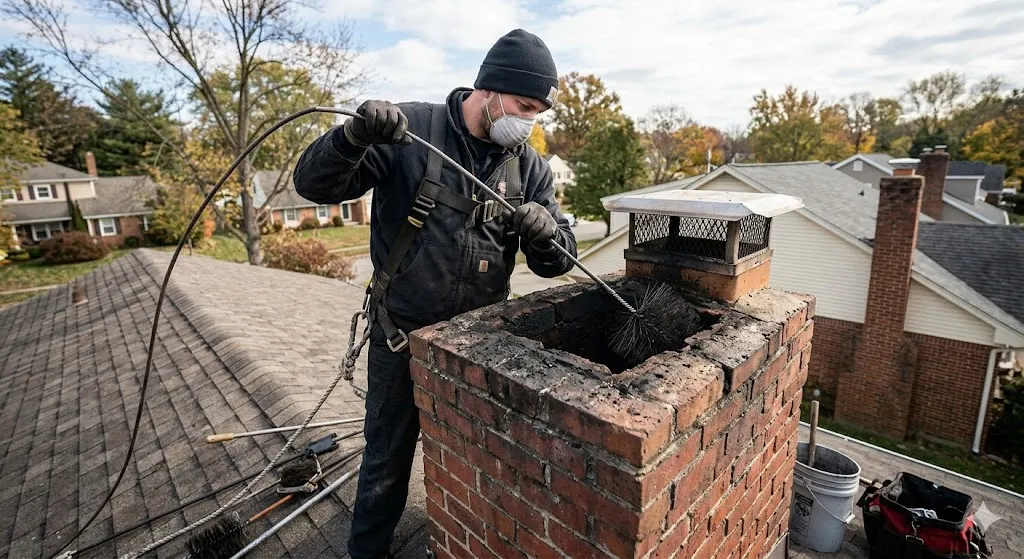

If you think chimney cleaning is a “once in a while” task, you’re not alone—but that assumption could cost you more than you realize. The truth is, chimney maintenance isn’t based on guesswork or convenience. It follows specific safety guidelines that many homeowners either overlook or misunderstand.
So, how often should you really clean your chimney? The answer might surprise you—and it could save your home from serious danger.
The General Rule: Once a Year Isn’t Optional
The widely accepted standard is simple:
👉 You should have your chimney inspected at least once a year and cleaned as needed.
Even if you don’t use your fireplace often, annual inspections are critical. Why? Because chimneys don’t just collect soot—they can also develop blockages, structural issues, or hidden hazards over time.
Think of it like a car. You wouldn’t skip maintenance just because you didn’t drive it every day.
Why Annual Cleaning Is So Important
Skipping chimney cleaning isn’t just a minor oversight—it can lead to serious consequences.
1. Creosote Buildup Happens Faster Than You Think
Every time you burn wood, your chimney collects creosote, a highly flammable substance. Even a few fires can start forming layers inside your flue.
2. Fire Risk Increases Over Time
Creosote is one of the leading causes of chimney fires. Without regular cleaning, a single spark can ignite a dangerous blaze.
3. Airflow Gets Blocked
Debris, soot, or even animal nests can block your chimney, causing smoke and harmful gases to back up into your home.
The “1 Cord of Wood” Rule
Here’s a guideline many homeowners don’t know:
👉 Clean your chimney after burning one cord of wood.
A cord of wood is roughly a stack measuring 4 feet high, 4 feet deep, and 8 feet long. If you’re using your fireplace regularly during colder months, you could hit that limit faster than expected.
This rule is especially important for:
- Wood-burning fireplaces
- Wood stoves
- Frequent users
How Usage Affects Cleaning Frequency
Not all fireplaces are used the same way, so your cleaning schedule should reflect your habits.
Light Use (Occasional Fires)
- Clean/inspect: Once per year
- Ideal for: Decorative or occasional use
Moderate Use (Weekly Fires)
- Clean/inspect: 1–2 times per year
- Watch for early creosote buildup
Heavy Use (Daily or Winter Heating)
- Clean/inspect: 2–3 times per year
- Essential to prevent dangerous buildup
The more you use your fireplace, the more often you need to clean it—it’s that simple.
Gas Fireplaces Still Need Maintenance
A common myth is that gas fireplaces don’t need cleaning. While they don’t produce creosote like wood-burning systems, they still require attention.
Why Gas Chimneys Need Cleaning
- Dust and debris can accumulate
- Venting systems can become blocked
- Components can wear out or malfunction
👉 Annual inspection is still recommended, even for gas units.
Warning Signs Your Chimney Needs Immediate Cleaning
Sometimes, your chimney won’t wait for your scheduled cleaning. Watch for these red flags:
- Strong, smoky odors coming from the fireplace
- Black, shiny buildup inside the flue (glazed creosote)
- Smoke entering your home instead of going up the chimney
- Slow-burning or weak fires
- Animal noises or debris falling down the chimney
If you notice any of these signs, don’t delay—schedule a cleaning immediately.
What Happens If You Don’t Clean Your Chimney?
Ignoring chimney maintenance can lead to serious—and expensive—problems.
1. Chimney Fires
Creosote buildup can ignite quickly, causing fires that spread to your roof and walls.
2. Carbon Monoxide Exposure
Blocked chimneys can trap dangerous gases inside your home.
3. Structural Damage
Moisture and buildup can weaken your chimney over time, leading to costly repairs.
4. Reduced Efficiency
A dirty chimney reduces airflow, making your fireplace less effective and more wasteful.
Seasonal Timing: When Is the Best Time to Clean?
While cleaning can be done any time of year, some seasons are better than others.
Best Time: Late Spring or Summer
- Chimney is not in use
- Easier scheduling with professionals
- Prepares your home before cold weather hits
Avoid: Peak Fall and Winter
- High demand for chimney services
- Longer wait times
- Higher costs in some cases
Planning ahead saves both time and money.
DIY vs. Professional Cleaning Frequency
If you’re doing some maintenance yourself, you might wonder if that changes the schedule.
DIY Maintenance
- Can help reduce minor buildup
- Should be done periodically if you use your fireplace often
Professional Cleaning
- Still needed at least once a year
- Ensures deep cleaning and proper inspection
👉 DIY doesn’t replace professional care—it complements it.
How to Keep Your Chimney Cleaner Longer
Want to reduce how often you need deep cleanings? Start with these smart habits:
- Burn only seasoned hardwood (dry wood creates less creosote)
- Avoid burning paper, trash, or treated wood
- Use proper airflow when starting fires
- Install a chimney cap to keep out debris and animals
- Schedule regular inspections before problems start
Small habits can make a big difference.
The Surprising Truth About Chimney Cleaning
Here’s what surprises most homeowners:
👉 Even rarely used chimneys need annual inspections—and frequent users may need multiple cleanings per year.
It’s not just about how often you use your fireplace—it’s about what builds up inside your chimney over time.
Waiting too long doesn’t save money. It increases risk.
Conclusion: Stay Ahead of the Risk
Chimney cleaning isn’t something you can afford to ignore or delay. The safest approach is simple:
- Inspect your chimney once a year
- Clean it based on usage and buildup
- Act immediately if warning signs appear
By staying proactive, you’re not just maintaining your chimney—you’re protecting your home, your family, and your peace of mind. For professional guidance and services, you can visit https://www.ductcleaningportlandpro.com/.
Because when it comes to chimney safety, what you don’t see can hurt you—but what you prevent can save you thousands.

























Sign in to leave a comment.