

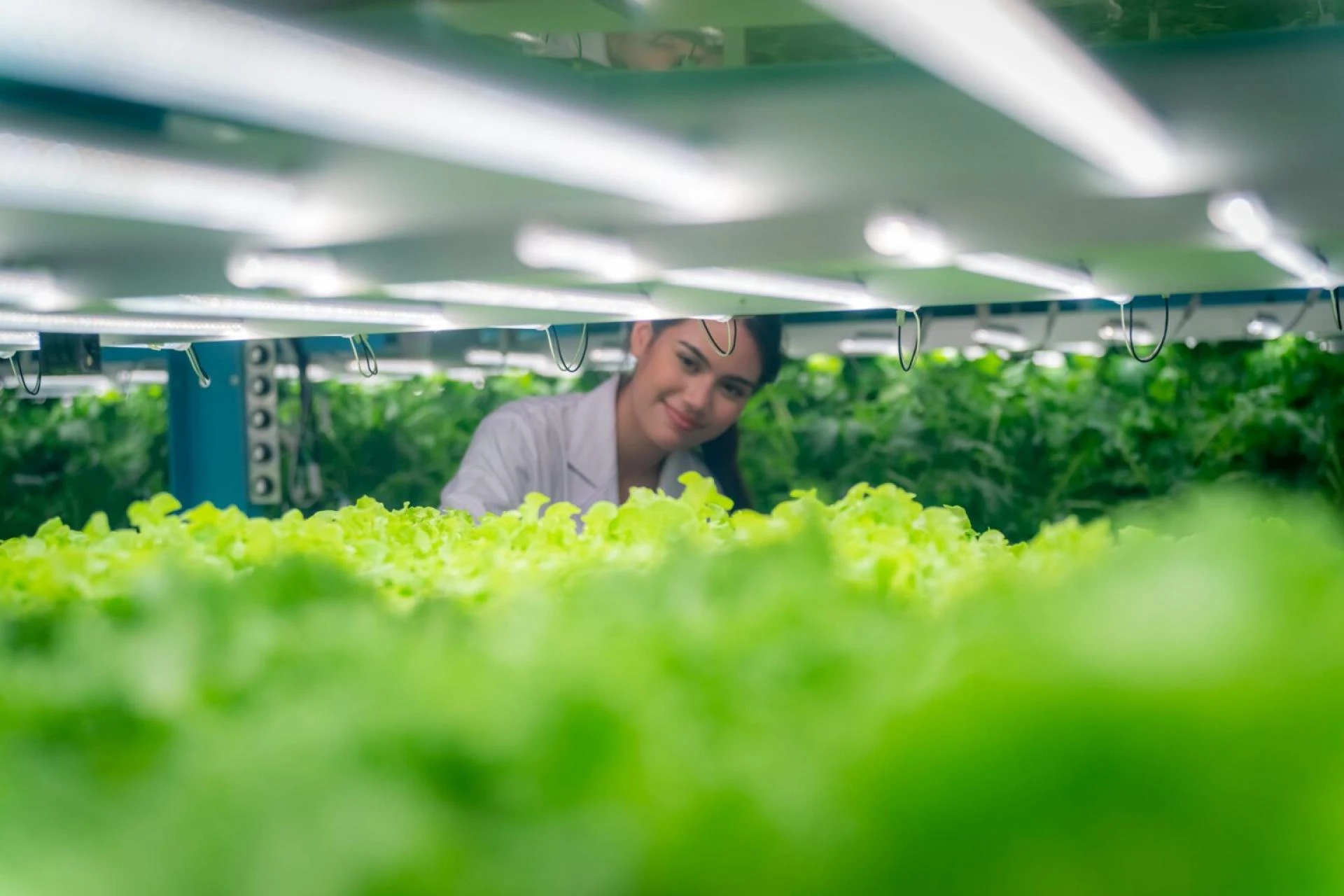
In controlled agricultural environments such as greenhouses and vertical farms, lighting is a critical factor influencing plant health and growth. To achieve optimal results, growers must ensure that crops receive the right intensity and distribution of light. This is where a PPFD meter—commonly referred to as a plant light meter—becomes indispensable.
A key question for growers is how frequently light levels should be measured to sustain peak plant health and maximize productivity. This guide explores the importance of regular light measurement and highlights the role of PPFD meters in optimizing LED lighting systems.
What Does a PPFD Meter Tell You About Plant Lighting?
A PPFD meter measures the Photosynthetic Photon Flux Density, which is the amount of photosynthetically active radiation (PAR) light that reaches a specified area of the plant canopy every second. It indicates the amount of usable light plants receive, which directly affects photosynthesis and growth. For LED grow lights, this measurement is crucial because LEDs emit specific light spectrums that your plants need to absorb efficiently.
Monitoring PPFD allows growers to:
- Assess whether the lighting meets the precise needs of various plant species and growth stages.
- Avoid light stress caused by levels that are too high or too low.
- Optimize energy consumption by adjusting light intensity based on accurate data.
How Often Should Light Be Measured in Controlled Agriculture Environments?
Since plant growth fluctuates depending on multiple environmental factors, regular measurement of PPFD is essential. Here are recommended practices:
- During crop setup and the first few weeks, measure light frequently (daily to every few days) to ensure proper initial conditions.
- Once required light levels are established, schedule weekly PPFD checks to detect any drift in light performance or issues with the fixture.
- After making adjustments to the lighting system, such as height changes or spectrum tuning, immediately measure to confirm optimal coverage.
- For longer growth cycles, monthly comprehensive PPFD mapping across the canopy is beneficial for uniformity assessment.
Consistent measurement ensures any unforeseen drops in light intensity, spectrum imbalances, or equipment degradation are caught early.
What Are the Benefits of Using a PPFD Meter for LED Grow Lights?
Utilizing a light meter for LED grow lights benefits growers immensely:
- PPFD meters provide real-time data on the actual amount of usable light your plants receive.
- They assist in fine-tuning light placement and intensity, optimizing photosynthetic efficiency.
- Growers can verify manufacturer PPFD charts and confirm actual conditions in their controlled environment.
- Using a PPFD meter for LED lights supports energy-efficient operations by preventing over-illumination.
How Does Light Measurement Impact Energy Costs and Plant Yield?
LED grow lights emit less heat than traditional lighting, lowering cooling costs in greenhouses and controlled environment agriculture. Measuring PPFD ensures lights are not overused, which helps maintain energy consumption. Proper measurement and management of light intensity optimizes photosynthesis and improves crop yield quality and quantity.
What Tips Should Growers Follow When Measuring PPFD?
For the best results when using a PPFD meter, keep in mind the following:
- If possible, calibrate your light meter regularly according to the manufacturer’s guidelines.
- Measure PPFD at the canopy height where leaves receive light.
- Take readings at multiple points across your growing area to capture variances in light distribution.
- Record and track readings over time to monitor changes and spot trends.
- Adjust lighting setups based on PPFD data instead of guesswork, ensuring precise light management.
What Makes GROW3's PPFD Meter an Ideal Choice for Growers?
GROW3, a division of LED Smart Inc., offers cutting-edge PPFD meters explicitly designed for professional growers in greenhouses and vertical farms across North America. Their meters deliver accurate photometric readings and calculate DLI (Daily Light Integral) to provide a holistic view of light conditions.
Key benefits include:
- Robust and compact design suitable for frequent use in demanding controlled agriculture settings.
- Wireless data transmission integrates seamlessly with innovative growth systems, such as SmarTune.
- Precision enables growers to optimize light spectra with digital colour ratio technology.
Choose GROW3 for reliable, professional-grade light meters that help optimize plant growth and energy efficiency in your operation.
Why Is Using a PPFD Meter for LED Lights More Important Than Ever?
As LED grow lights become the standard for controlled agriculture, precise light measurement with a PPFD meter for LED lights has grown critical. LEDs enable growers to tailor spectral outputs to the specific needs of different crops and growth stages; however, without accurate measurement, the full benefits of this customization cannot be fully realized.
Regular light measurement not only safeguards plant health but also supports sustainability goals by minimizing energy waste and reducing heat loads.
Let GROW3 Help Maximize Your Growing Potential
For professional growers committed to maximizing crop performance, GROW3 delivers advanced LED grow lighting solutions designed for results. Each system is supported by precision PPFD meters, ensuring that every photon contributes to healthier, more productive crops.
Trusted by industry leaders—including government and military partners—GROW3 stands for innovation, reliability, and uncompromising quality.
As a division of LED Smart Inc., GROW3 empowers you to experience the power of optimized light management and elevate your growing operation to the next level.























Sign in to leave a comment.