
India’s renewable energy journey is entering a new phase. While solar energy has become one of the primary pillars of the country’s clean energy strategy, the challenge of land availability is becoming increasingly significant. As solar installations continue to scale, competition for land is intensifying between agriculture, industrial development, urban expansion, and renewable energy projects.
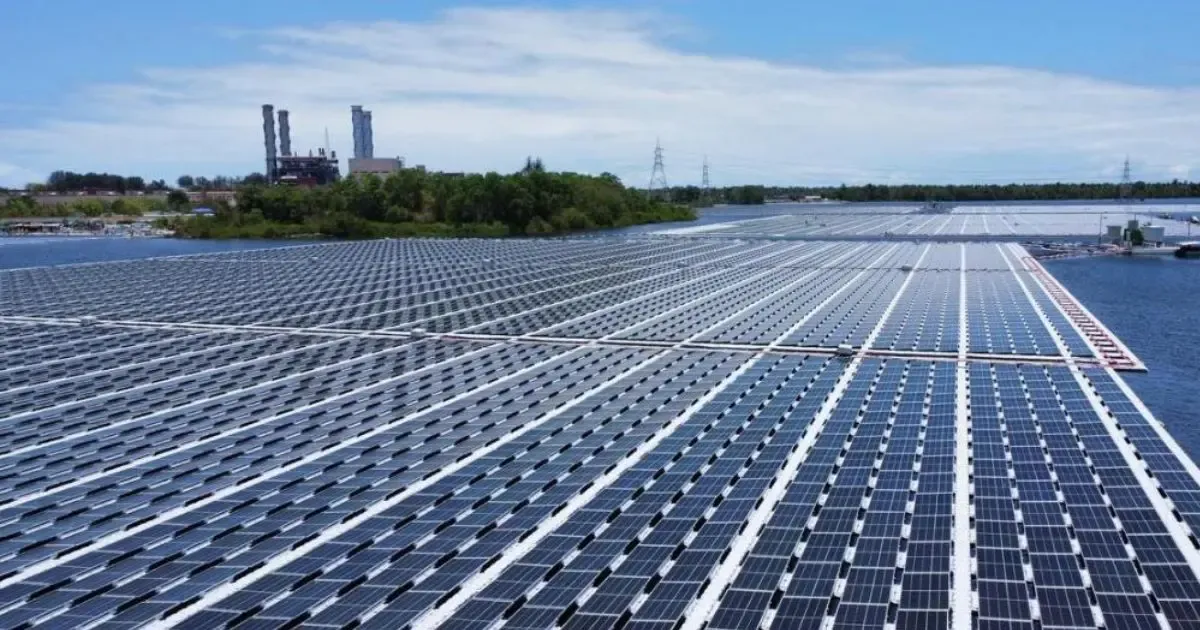
This challenge is creating opportunities for innovative solutions, and among the most promising is the adoption of floating solar panels in India. Installed on reservoirs, lakes, dams, and other water bodies, floating solar systems are emerging as a strategic solution that addresses both energy generation and land constraints simultaneously.
As India works toward its ambitious clean energy targets, floating solar technology is becoming more than just an alternative deployment model. It is evolving into a critical component of the country's long-term renewable energy strategy. For utilities, industries, policymakers, and epc solar companies, floating solar projects represent an opportunity to unlock new capacity while strengthening sustainability goals.
Why India Needs New Solar Deployment Models
India has set ambitious renewable energy goals to reduce carbon emissions, strengthen energy security, and support economic growth. However, large-scale solar projects often require vast tracts of land, which can create challenges in densely populated regions.
Several factors are driving the search for alternative solar deployment models:
- Growing demand for renewable energy capacity
- Increasing pressure on agricultural land
- Rising urbanization and industrialization
- Land acquisition challenges
- Environmental concerns around land-use change
This is where floating solar panels provide a practical and scalable solution.
Instead of occupying valuable land resources, solar installations can be deployed on existing water bodies, allowing energy generation without competing with agriculture or urban development.
Understanding Floating Solar Technology
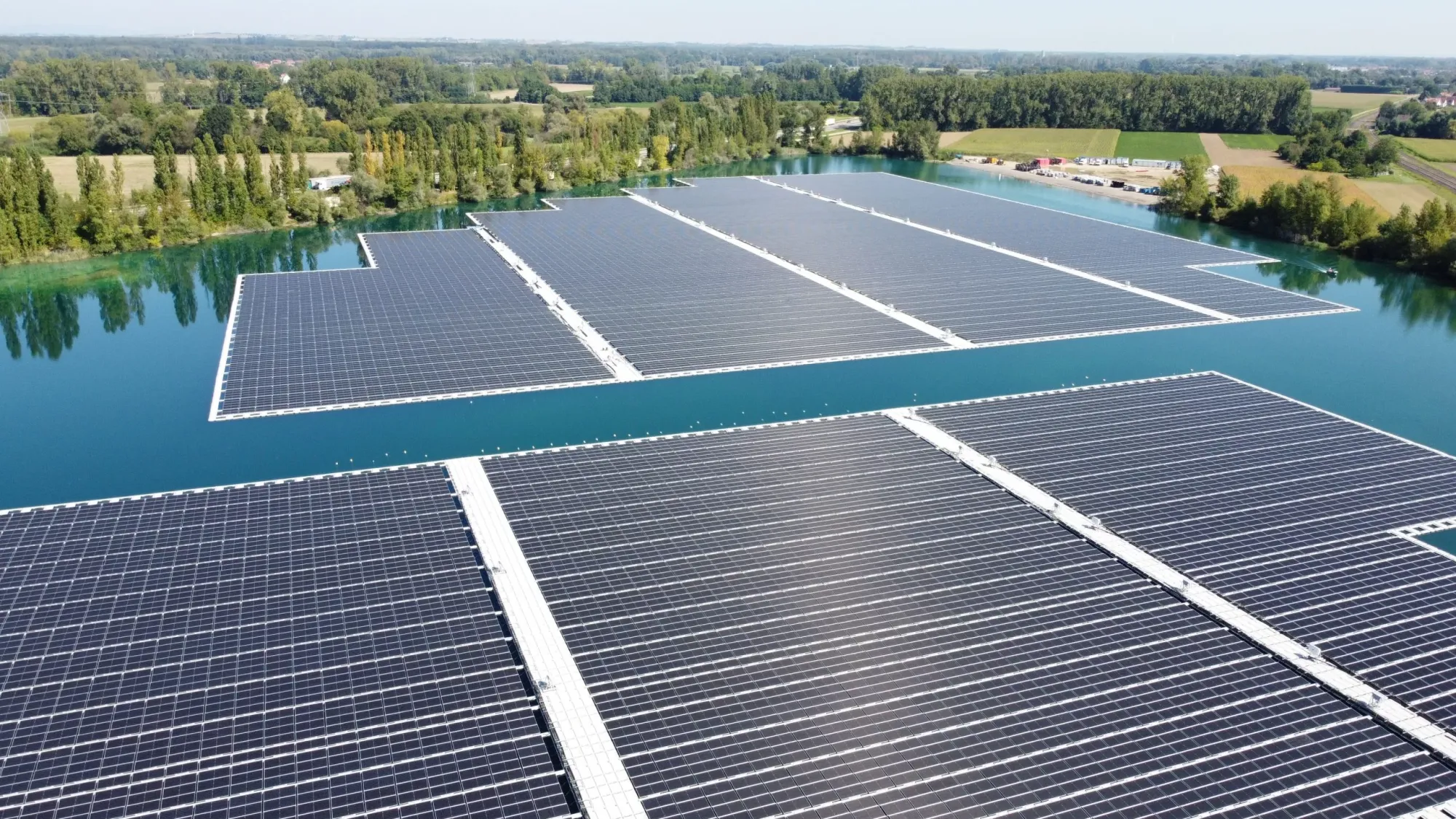
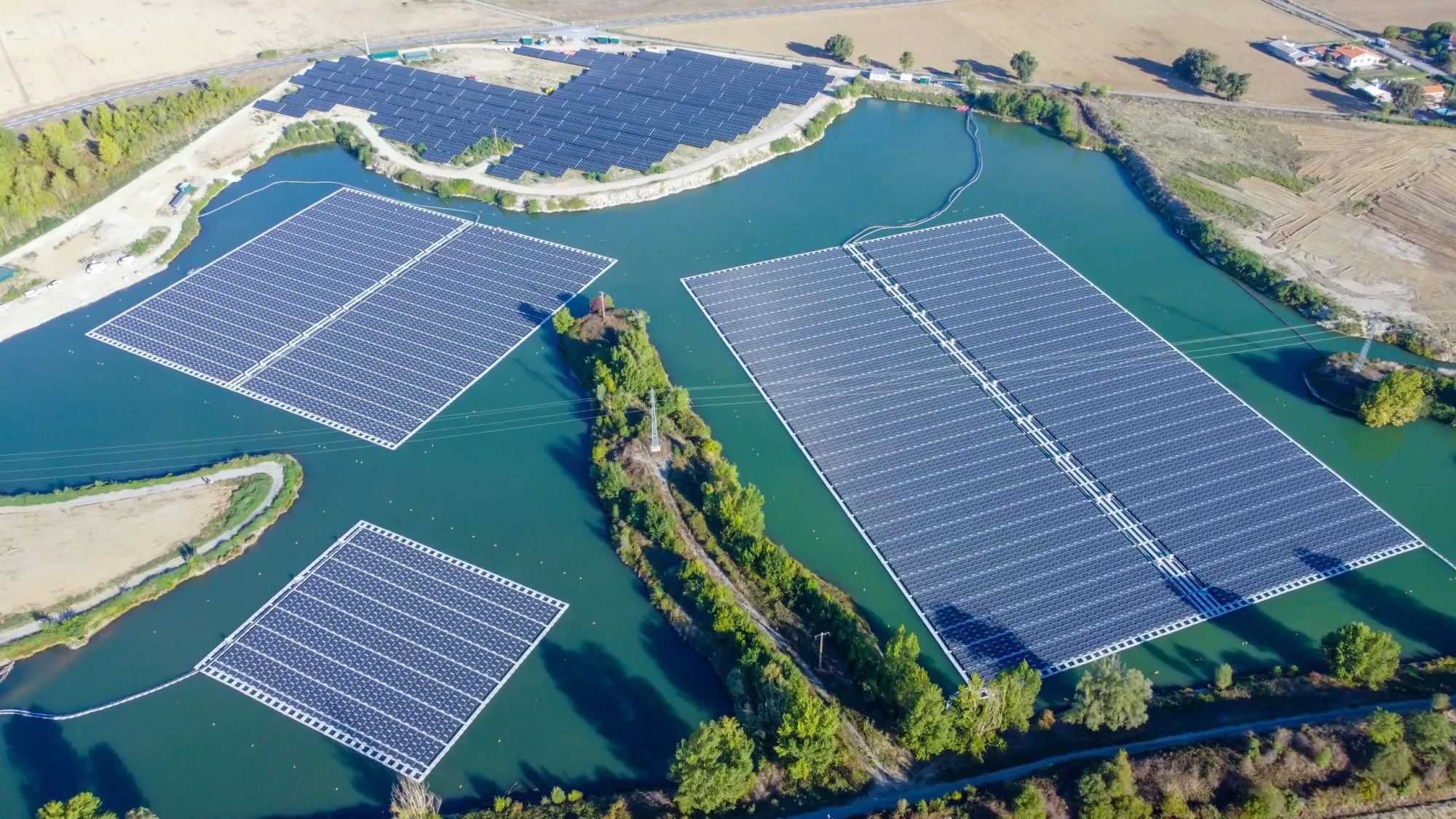
Floating solar photovoltaic systems, often called floatovoltaics, consist of solar panels mounted on buoyant structures that float on the surface of water bodies.
A typical floating solar project includes:
- Solar photovoltaic modules
- Floating platforms
- Anchoring and mooring systems
- Inverters and transformers
- Grid connection infrastructure
- Monitoring and control systems
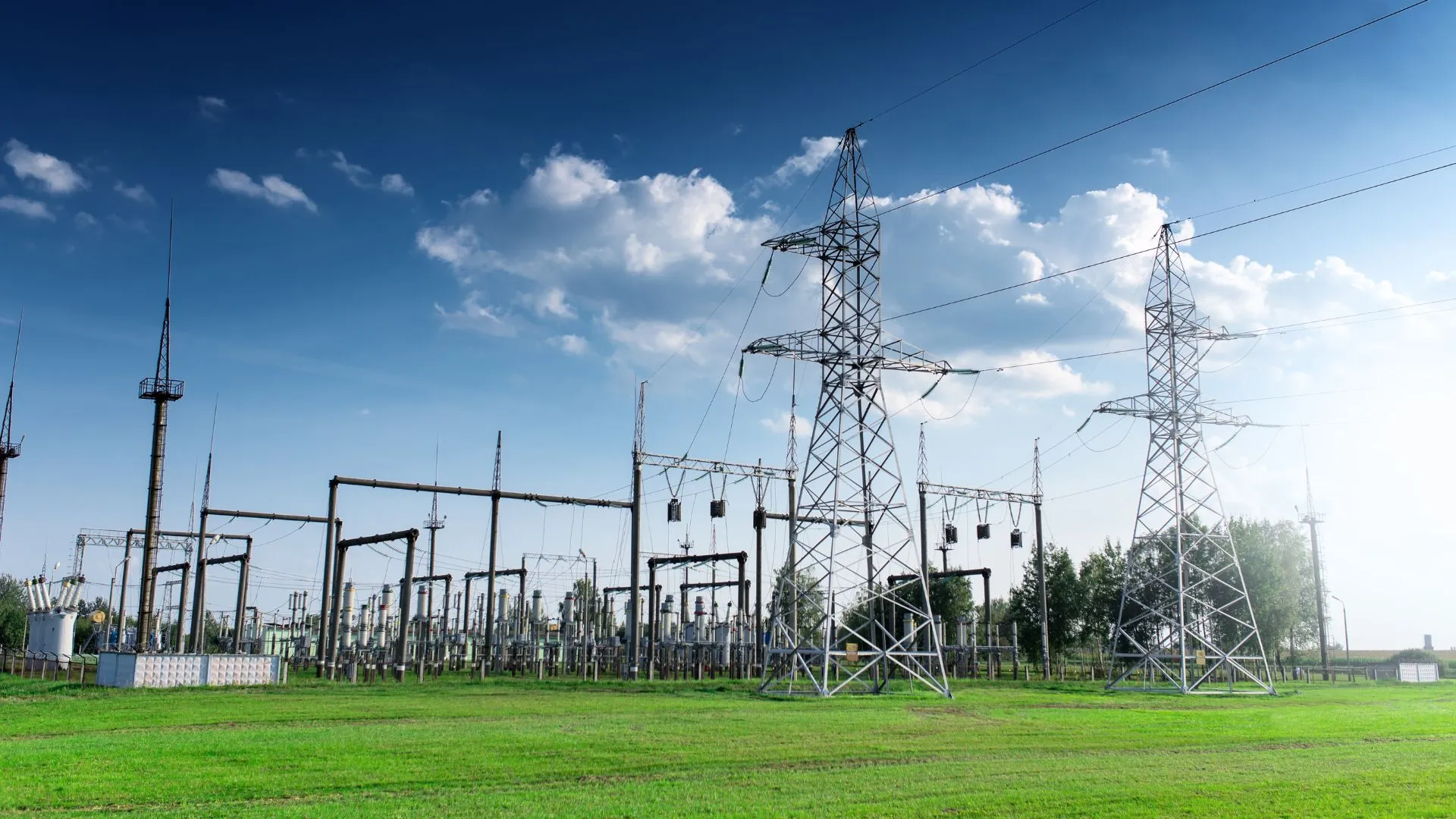
The electricity generated is transmitted to shore-based substations before being integrated into the grid through electrical power transmission systems.
The concept has gained global traction due to its ability to maximize renewable energy production while minimizing land-use conflicts.
Why Floating Solar Panels in India Are Gaining Momentum
India possesses a vast network of reservoirs, irrigation canals, hydroelectric dams, and water treatment facilities that provide ideal locations for floating solar deployment.
Several factors are accelerating adoption.
1. Solving Land Availability Challenges
One of the biggest advantages of floating solar panels in India is their ability to generate clean energy without consuming productive land.
Traditional solar parks often require large parcels of land that could otherwise support agriculture, industry, or infrastructure development.
Floating solar systems eliminate this challenge by utilizing underused water surfaces.
This allows:
- Better land utilization
- Reduced acquisition costs
- Faster project execution
- Lower environmental impact
For a rapidly developing economy like India, efficient land management is becoming increasingly important.
2. Improved Solar Panel Performance
Solar modules naturally lose efficiency as temperatures rise.
Floating solar systems benefit from the cooling effect of water, which helps maintain lower panel temperatures.
As a result:
- Energy generation improves
- Panel efficiency increases
- Performance degradation decreases
- Long-term energy output becomes more stable
This cooling advantage often enables floating solar installations to outperform comparable land-based projects.
3. Water Conservation Benefits
Water evaporation is a growing concern across many parts of India.
By covering portions of reservoirs and water bodies, floating solar installations reduce direct sunlight exposure and help minimize evaporation losses.
This benefit is particularly valuable in regions facing:
- Water scarcity
- Drought conditions
- Agricultural water stress
The ability to conserve water while generating clean electricity makes floating solar a highly strategic solution.
Supporting India's Renewable Energy Expansion
India's renewable energy growth depends not only on generation capacity but also on the ability to deploy projects efficiently and sustainably.
Floating solar supports this objective by enabling:
- Additional renewable capacity
- Faster project deployment
- Better utilization of existing infrastructure
- Reduced land-related project delays
As renewable adoption accelerates, floating solar is becoming an important complement to conventional ground-mounted systems.
Rather than replacing traditional solar parks, it expands the country's renewable deployment options.
The Role of EPC Solar Companies in Floating Solar Growth
The success of floating solar projects depends heavily on engineering expertise.
Unlike conventional solar farms, floating installations require specialized design considerations involving:
- Water dynamics
- Structural stability
- Corrosion resistance
- Anchoring systems
- Electrical safety
- Grid integration
This is where experienced epc solar companies play a crucial role.
From feasibility assessment and engineering design to procurement, construction, commissioning, and long-term maintenance, EPC providers ensure that floating solar projects are executed efficiently and safely.
As India expands its floating solar capacity, demand for specialized EPC expertise is expected to rise significantly.
Integration with Electrical Power Transmission Systems
Generating renewable energy is only one part of the equation.
The real value comes from delivering that electricity reliably to consumers.
Every floating solar installation must be integrated with robust electrical power transmission systems that can handle power evacuation and grid synchronization.
This requires:
- Substations
- Transformers
- Protection systems
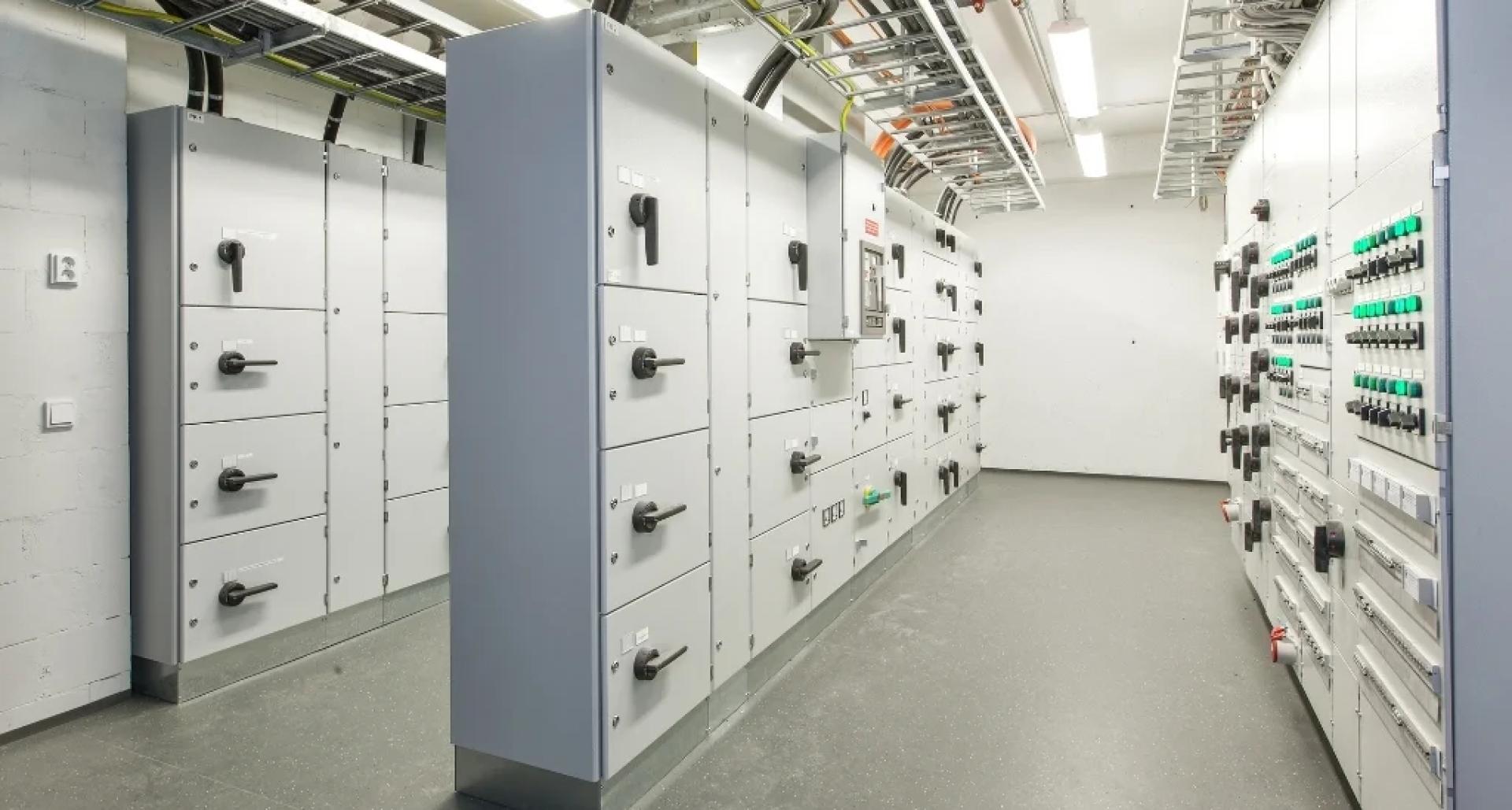
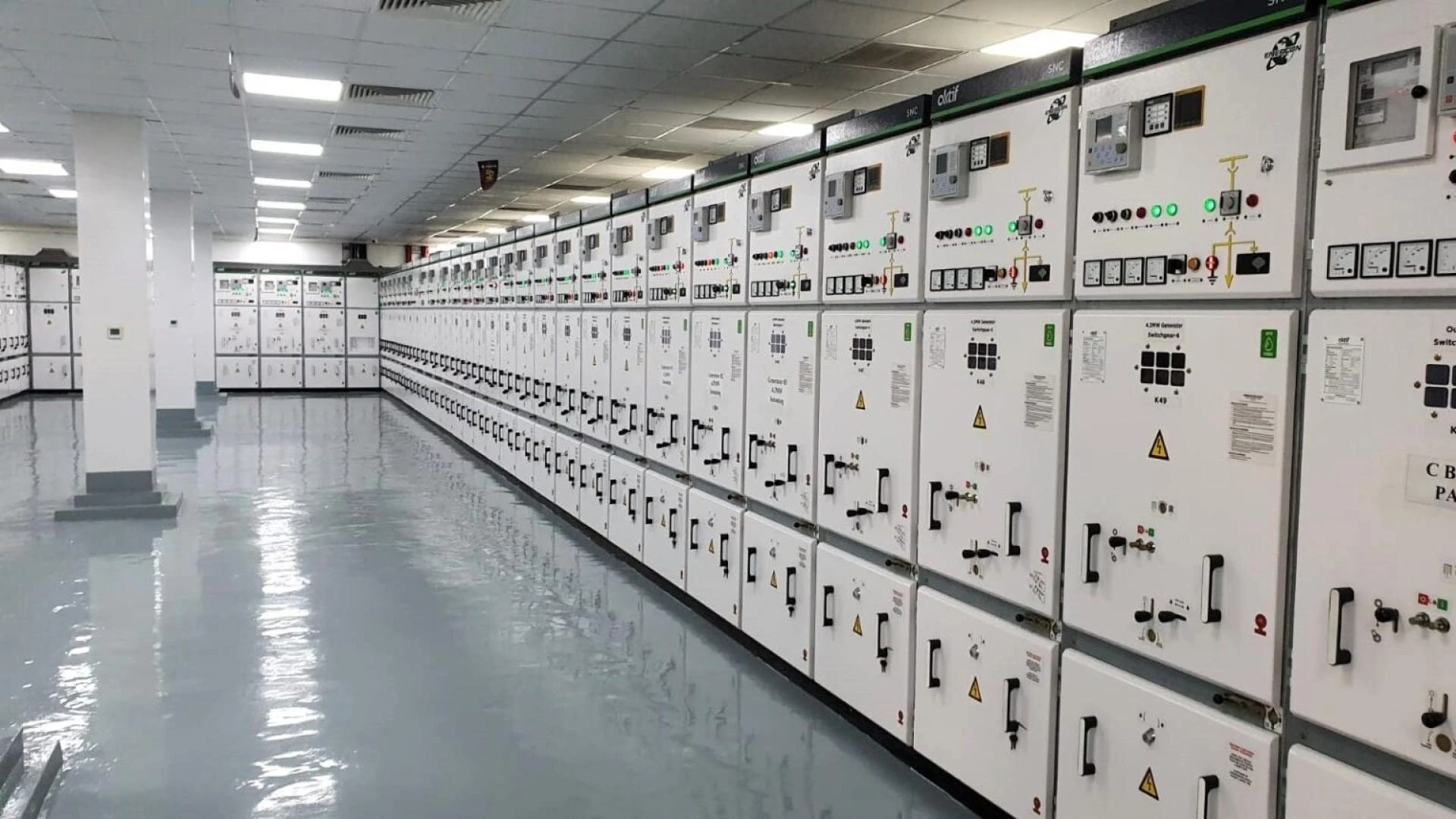
- Switchgear
- Transmission lines
- Grid monitoring infrastructure
Without strong electrical power transmission systems, renewable energy generation cannot reach its full potential.
As floating solar capacity grows, transmission infrastructure investments will become equally important.
Floating Solar and Hybrid Energy Development
The future of renewable energy is increasingly moving toward integrated solutions.
Floating solar projects can be combined with:
- Hydropower plants
- Battery Energy Storage Systems (BESS)
- Pumped hydro storage
- Smart grid infrastructure
These hybrid systems improve:
- Grid stability
- Renewable energy utilization
- Peak demand management
- Energy reliability
Many hydroelectric reservoirs across India are particularly well-suited for floating solar integration.
By combining solar generation with existing hydropower infrastructure, utilities can maximize energy output while minimizing additional land requirements.
Environmental Advantages of Floating Solar
Floating solar systems offer several environmental benefits beyond clean energy generation.
Reduced Land Disturbance
Projects avoid large-scale land clearing and habitat disruption.
Lower Carbon Footprint
Higher energy efficiency improves overall sustainability performance.
Water Resource Protection
Reduced evaporation supports long-term water conservation efforts.
Better Infrastructure Utilization
Existing reservoirs and dams become dual-purpose assets serving both water management and power generation.
These benefits align closely with India's broader sustainability goals.
Challenges That Need Attention
Despite its advantages, floating solar deployment faces several challenges.
Higher Initial Costs
Floating structures and anchoring systems increase upfront project costs compared to conventional solar installations.
Technical Complexity
Projects require specialized engineering expertise and maintenance strategies.
Regulatory Frameworks
Water-use permissions and environmental clearances can vary across states.
Long-Term Asset Management
Operators must account for corrosion, water exposure, and changing reservoir conditions.
As the market matures, many of these challenges are expected to become easier to manage through innovation and economies of scale.
The Future Outlook for Floating Solar Panels in India
The future of floating solar panels in India appears highly promising.
As renewable energy demand continues to grow, floating solar offers a scalable pathway for adding capacity without increasing pressure on land resources.
Industry experts expect significant growth driven by:
- Government renewable targets
- Improved project economics
- Technological advancements
- Expanding water infrastructure
- Stronger grid modernization efforts
In the coming decade, floating solar could become one of the most important segments of India's renewable energy ecosystem.
Powering India's Renewable Future with Hartek Group
As India accelerates its clean energy transition, the need for reliable renewable infrastructure, grid integration, and transmission expertise has never been greater.
Hartek Group continues to contribute to this transformation through its expertise in power systems, renewable energy integration, substations, and transmission infrastructure. By supporting advanced renewable projects and strengthening grid connectivity, Hartek is helping build the resilient energy ecosystem required for India's sustainable future.
Frequently Asked Questions (FAQs)
1. What are floating solar panels?
Floating solar panels are photovoltaic systems installed on floating structures placed on water bodies such as reservoirs, lakes, and dams to generate clean electricity.
2. Why are floating solar panels important in India?
Floating solar panels help overcome land constraints while supporting renewable energy expansion and water conservation.
3. Do floating solar panels generate more electricity than land-based systems?
In many cases, yes. The cooling effect of water helps improve panel efficiency and overall energy generation.
4. What role do EPC solar companies play in floating solar projects?
EPC solar companies manage project design, engineering, procurement, construction, commissioning, and maintenance to ensure successful execution.
5. How do floating solar projects connect to the grid?
Electricity generated by floating solar systems is transmitted through substations and electrical power transmission systems before reaching end users.


























Sign in to leave a comment.