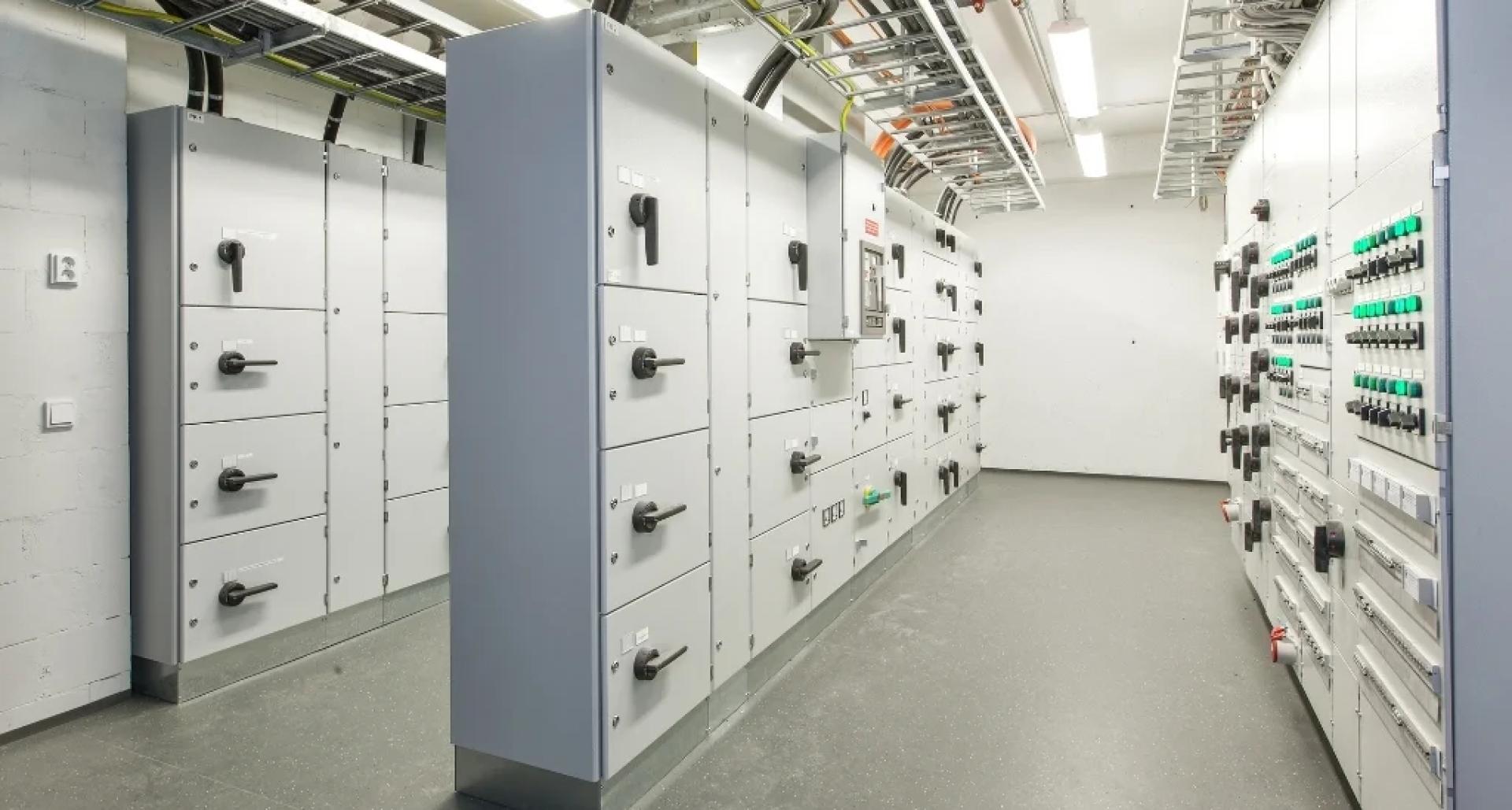

In today’s fast-evolving power landscape, electrical systems are becoming more complex, interconnected, and performance-driven. From industrial facilities and commercial buildings to renewable energy projects and smart infrastructure, the need for reliable and safe power distribution is more critical than ever. At the heart of these systems lie low voltage switchboards, essential components that ensure electricity is distributed efficiently while maintaining high safety standards.
As businesses and utilities strive to optimize performance and reduce risks, low voltage switchboards are playing a vital role in enhancing electrical safety, improving operational efficiency, and supporting modern power infrastructure.
Understanding Low Voltage Switchboards
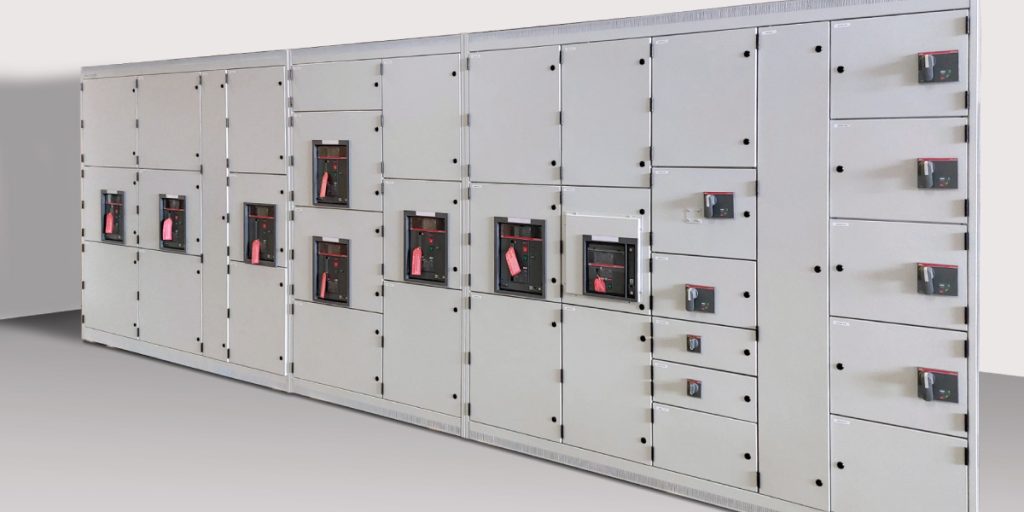
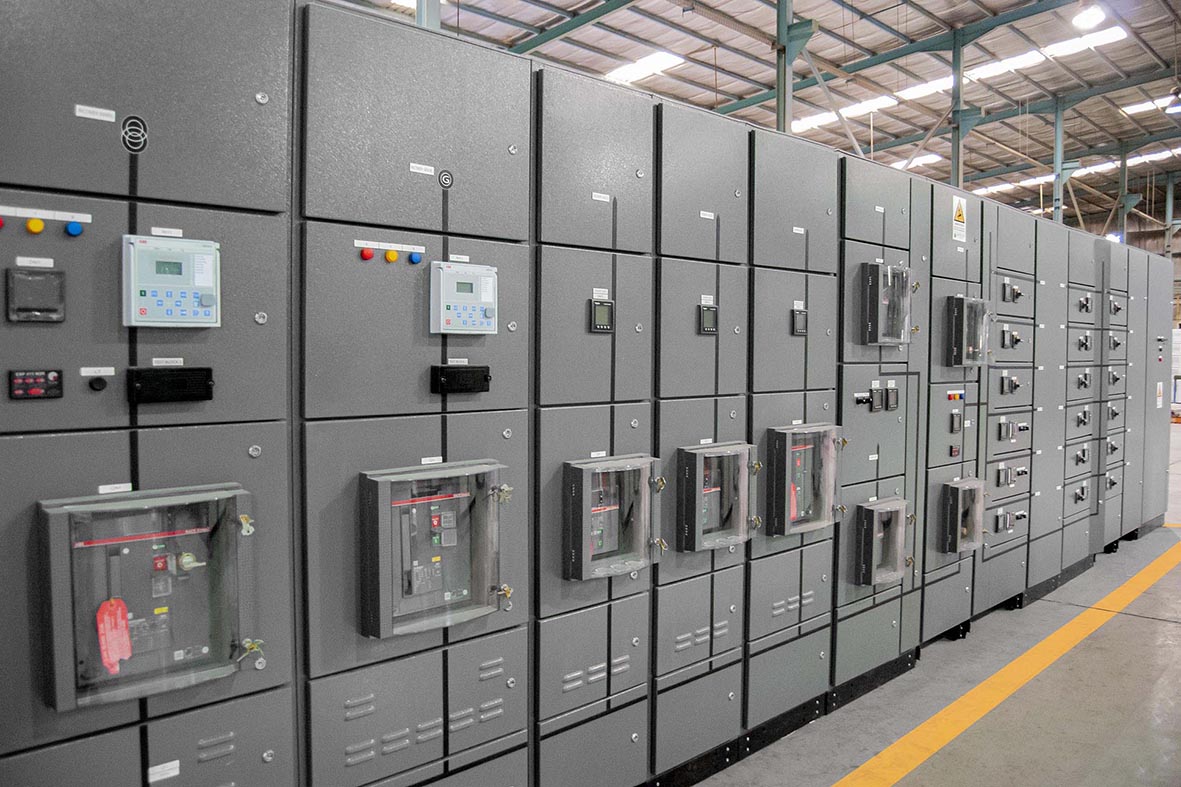
Low voltage switchboards are centralized assemblies that manage, control, and distribute electrical power within a system. Typically operating at voltages up to 1,000 volts, these switchboards consist of circuit breakers, switches, busbars, protection devices, and monitoring systems.
They serve as the control hub for electrical systems, ensuring that power is distributed to various circuits safely and effectively. Whether in manufacturing plants, data centers, or commercial complexes, low voltage switchboards are indispensable for maintaining stable and reliable operations.
Why Electrical Safety Matters More Than Ever
Electrical safety is a top priority across all sectors. Faults such as short circuits, overloads, and equipment failures can lead to serious consequences, including system damage, operational downtime, and safety hazards.
Modern infrastructure demands systems that can quickly detect faults, isolate affected areas, and prevent cascading failures. This is where low voltage switchboards play a critical role.
They are designed to:
- Protect equipment from electrical faults
- Prevent overloads and short circuits
- Ensure safe operation of electrical systems
- Minimize downtime and operational risks
By integrating advanced protection mechanisms, these switchboards significantly enhance the safety of power systems.
Key Ways Low Voltage Switchboards Improve Electrical Safety
Advanced Protection Mechanisms
Low voltage switchboards are equipped with circuit breakers and protective relays that automatically disconnect faulty circuits. This prevents damage to equipment and reduces the risk of electrical fires.
Modern switchboards also include arc fault protection systems, which detect and mitigate dangerous arc flashes, ensuring the safety of personnel and infrastructure.
Controlled Power Distribution
Switchboards allow operators to control how electricity flows across different circuits. This ensures that no single circuit is overloaded, reducing the risk of system failure.
By maintaining balanced power distribution, these systems contribute to the overall stability of electrical networks.
Isolation and Fault Management
In the event of a fault, low voltage switchboards enable quick isolation of the affected section without disrupting the entire system. This minimizes downtime and ensures continuity of operations.
Such capabilities are especially critical in industries where uninterrupted power supply is essential.
Compliance with Safety Standards
Modern switchboards are designed to meet stringent safety standards and regulations. This ensures that electrical systems operate within safe limits and comply with industry requirements.
Organizations that invest in high-quality switchboards can significantly reduce safety risks and improve regulatory compliance.
Enhancing Efficiency with Low Voltage Switchboards
Beyond safety, low voltage switchboards also play a crucial role in improving the efficiency of electrical systems. Efficient power distribution is essential for reducing energy losses, optimizing performance, and lowering operational costs.
Energy Optimization
Switchboards help monitor and control energy consumption across different circuits. By providing real-time data, they enable operators to identify inefficiencies and optimize energy usage.
This is particularly important for industries aiming to reduce energy costs and improve sustainability.
Reduced Downtime
Unplanned outages can lead to significant financial losses. Low voltage switchboards help prevent such disruptions by detecting issues early and enabling quick corrective actions.
Their ability to isolate faults ensures that the rest of the system continues to operate smoothly.
Integration with Smart Technologies
Modern switchboards are increasingly integrated with digital monitoring systems and automation technologies. These smart features allow remote monitoring, predictive maintenance, and improved system control.
As a result, organizations can enhance operational efficiency while reducing maintenance costs.
Supporting Scalable Infrastructure
As businesses grow, their power requirements increase. Low voltage switchboards provide the flexibility to expand electrical systems without compromising safety or performance.
This scalability makes them ideal for evolving infrastructure needs.
Role in Industrial and Commercial Applications
Low voltage switchboards are widely used across various sectors, including:
- Manufacturing and industrial facilities
- Commercial buildings and offices
- Data centers and IT infrastructure
- Hospitals and healthcare facilities
- Renewable energy projects
In each of these applications, switchboards ensure safe and efficient power distribution, enabling smooth operations and minimizing risks.
For example, in industrial environments, they manage heavy electrical loads and protect critical machinery. In commercial buildings, they ensure reliable power supply for lighting, HVAC systems, and other essential services.
Supporting Modern Power Infrastructure
As India continues to expand its energy infrastructure, the role of reliable electrical components becomes increasingly important. Low voltage switchboards are integral to modern power systems, supporting both traditional and renewable energy networks.
They are particularly important in:
- Solar and wind energy installations
- Smart grid systems
- Electric vehicle charging infrastructure
- Urban infrastructure development
By enabling efficient power management, these switchboards contribute to the development of sustainable and resilient energy systems.
The Connection with Top EPC Companies in India
The effectiveness of low voltage switchboards depends not only on their design but also on how they are integrated into larger power systems. This is where engineering expertise plays a crucial role.
Many of the top EPC companies in India specialize in designing and implementing advanced electrical infrastructure that includes high-performance switchboards. These companies ensure that power systems are built to meet modern requirements of safety, efficiency, and scalability.
Organizations like Hartek Group bring together engineering excellence, project management capabilities, and industry experience to deliver reliable power infrastructure solutions. Their expertise in substations, renewable energy projects, and electric power distribution ensures that systems are designed for long-term performance.
Future Trends in Low Voltage Switchboards
The future of low voltage switchboards is closely linked to the evolution of smart grids and digital infrastructure. Several trends are shaping the next generation of switchboards:
- Increased adoption of IoT-enabled monitoring systems
- Integration with smart grid technologies
- Use of advanced materials for improved durability
- Enhanced focus on energy efficiency and sustainability
- Growth of modular and compact designs
These innovations will further improve the performance and reliability of electrical systems while supporting the transition toward smarter and greener energy networks.
Powering Safer and Smarter Systems
Low voltage switchboards are more than just electrical components-they are the backbone of safe and efficient power distribution. By combining advanced protection mechanisms with modern monitoring technologies, they ensure that electrical systems operate reliably under all conditions.
As industries and infrastructure continue to evolve, the importance of these systems will only grow. Investing in high-quality switchboards is essential for organizations looking to enhance safety, improve efficiency, and future-proof their electrical infrastructure.
Frequently Asked Questions (FAQs)
1. What are low voltage switchboards used for?
Low voltage switchboards are used to control, distribute, and protect electrical power in systems operating up to 1,000 volts.
2. How do low voltage switchboards improve safety?
They provide protection against faults such as overloads and short circuits, ensuring safe operation of electrical systems.
3. Where are low voltage switchboards commonly used?
They are used in industrial facilities, commercial buildings, data centers, and renewable energy projects.
4. Can low voltage switchboards improve energy efficiency?
Yes, they help monitor and optimize energy usage, reducing losses and improving system performance.
5. Why are switchboards important in modern infrastructure?
They ensure reliable and efficient power distribution, supporting advanced technologies and growing energy demands.

























Sign in to leave a comment.