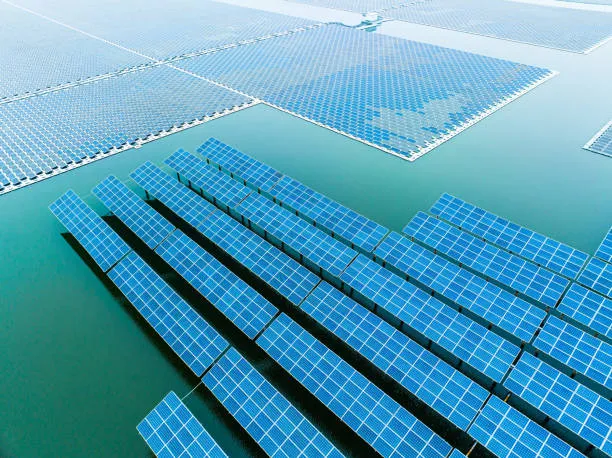

As countries accelerate their transition to renewable energy, solar technology is evolving beyond traditional rooftop and ground-mounted systems. One of the most promising innovations gaining momentum in 2026 is the floating solar power plant. Installed on lakes, reservoirs, and other water bodies, these systems offer an efficient way to generate clean electricity without occupying valuable land.
The growing popularity of floating solar is driven by more than just space savings. These systems are proving to be highly energy-efficient thanks to the natural cooling effect of water, which helps solar panels operate at lower temperatures. As governments, utilities, and industries seek sustainable solutions to meet rising energy demands, floating solar is becoming a practical option for maximizing power generation while supporting environmental conservation.
Whether you're exploring renewable energy solutions for a commercial facility, a utility-scale project, or a public infrastructure initiative, understanding how floating solar improves efficiency can help you make informed investment decisions.
Key Takeaways
- Learn why floating solar systems often generate more electricity than land-based installations.
- Discover how water improves solar panel performance through natural cooling.
- Understand the environmental and economic advantages of floating solar technology.
- Explore the factors to consider before implementing a floating solar project.
- Find practical insights for organizations planning future-ready renewable energy projects.
What Is a Floating Solar Power Plant?
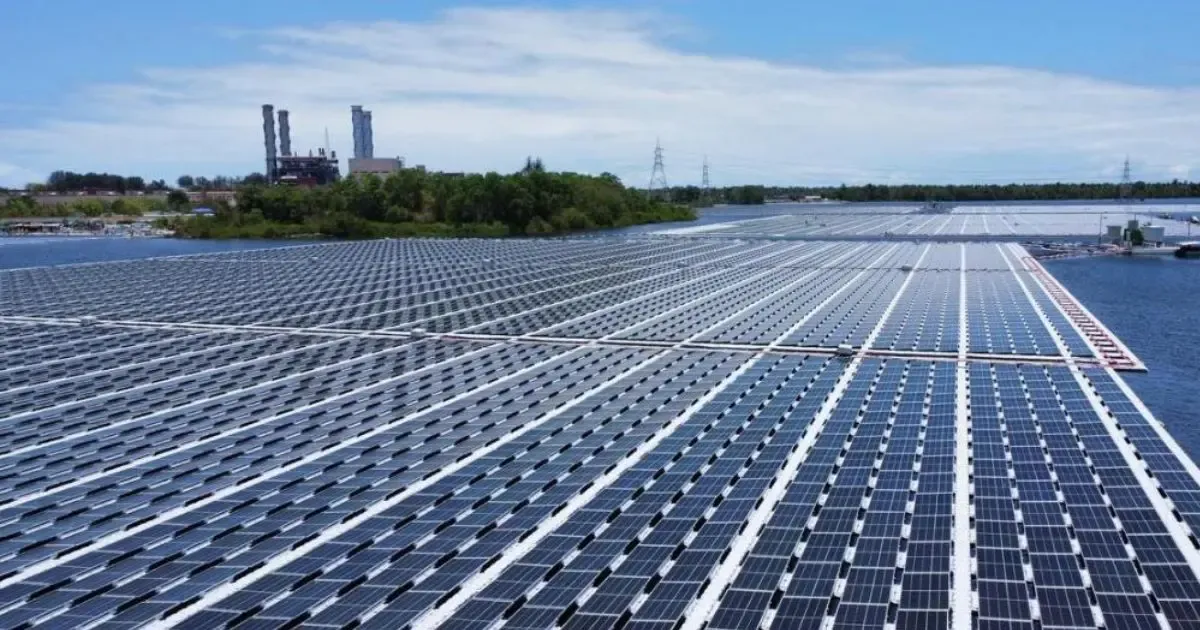
A floating solar power plant is a photovoltaic system installed on specially designed floating platforms positioned over calm water bodies such as reservoirs, lakes, irrigation ponds, or water treatment facilities. Instead of using large areas of land, these systems utilize underused water surfaces to produce renewable electricity.
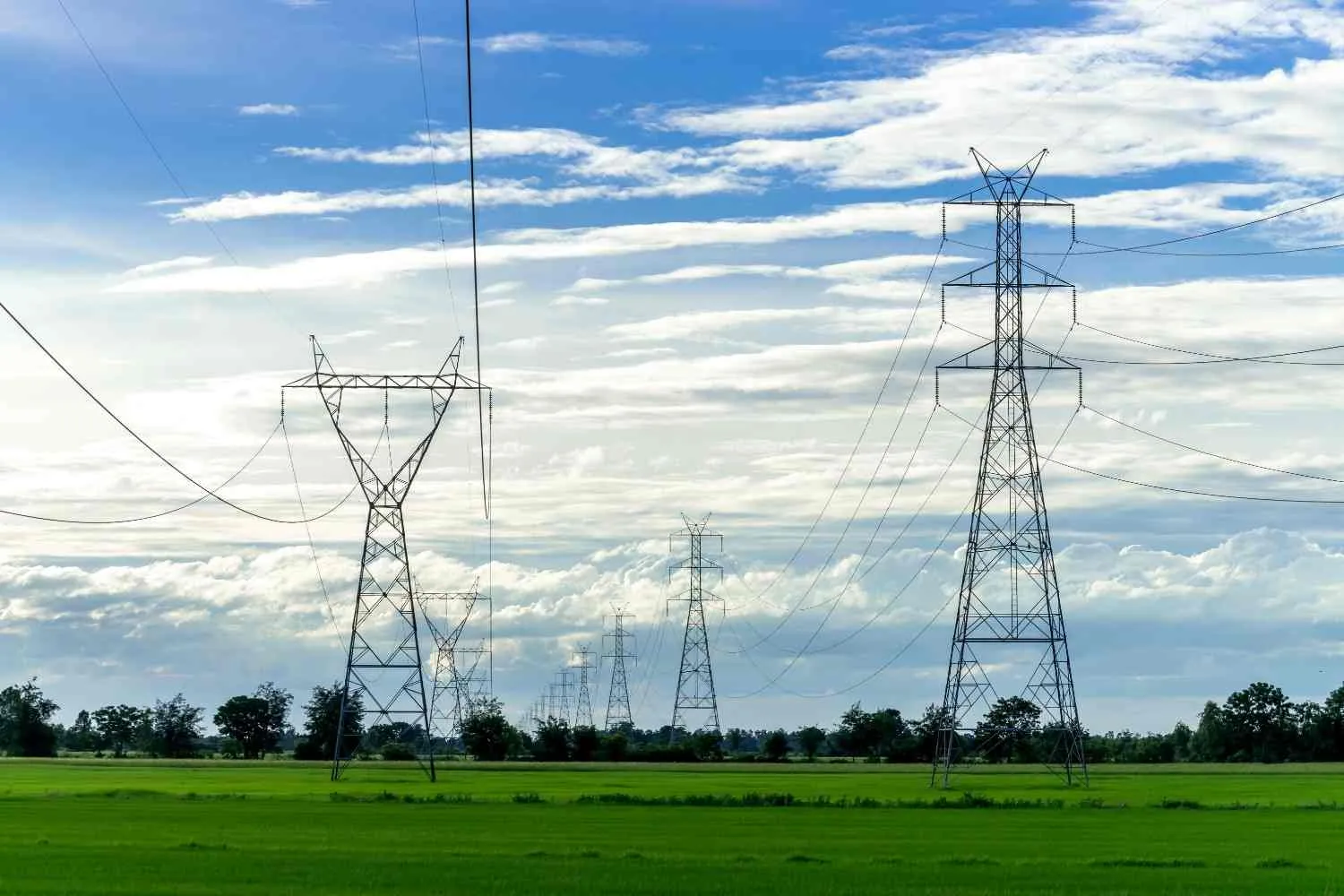
The panels are mounted on durable floating structures and secured using anchoring systems that keep them stable despite changing water levels. The electricity generated is transmitted to the grid through underwater or floating electrical cables, making the system function much like a conventional solar plant.
As land availability becomes a growing concern in many regions, floating solar provides an effective alternative for expanding renewable energy capacity without competing with agriculture, urban development, or industrial infrastructure.
Why Energy Efficiency Matters in Solar Power
Energy efficiency plays a crucial role in determining the overall performance and financial viability of any solar installation. Even small improvements in efficiency can significantly increase electricity generation over the lifespan of a project.
Traditional solar panels lose efficiency as their operating temperature rises. Excessive heat affects the electrical properties of photovoltaic cells, reducing the amount of electricity they can produce. Since solar panels are constantly exposed to sunlight, managing heat becomes essential for maintaining consistent performance.
Floating solar systems naturally address this challenge by taking advantage of the cooling properties of water.
How Floating Solar Improves Energy Efficiency
The biggest reason floating solar systems outperform many conventional installations is the cooling effect created by the surrounding water. Solar panels installed over water remain at lower operating temperatures throughout the day, reducing thermal losses that commonly affect land-based systems.
Lower temperatures allow photovoltaic cells to convert sunlight into electricity more efficiently. Instead of losing energy through excessive heat, the panels maintain higher output even during hot weather conditions.
Another advantage comes from the surrounding environment. Water bodies generally experience lower ambient temperatures than concrete surfaces or dry land. This creates more stable operating conditions, allowing the system to perform consistently across different seasons.
Several studies have shown that floating solar installations can generate between 5% and 15% more electricity than comparable ground-mounted systems, depending on climate, location, and system design.
Better Land Utilization Creates Long-Term Value
One of the biggest limitations of conventional solar farms is the large amount of land they require. In densely populated regions, finding suitable land for utility-scale solar projects can be both expensive and challenging.
Floating solar eliminates this issue by utilizing existing water bodies that often remain unused for power generation. Reservoirs, quarry lakes, irrigation ponds, and industrial water storage facilities become productive assets without disrupting existing land use.
This approach allows governments and businesses to expand renewable energy capacity while preserving agricultural land, forests, and urban spaces.
Key Benefits of Floating Solar Power Plants
A floating solar power plant offers several advantages beyond clean energy generation. Its unique design allows organizations to maximize energy production while making efficient use of available resources.
- Higher energy efficiency: The cooling effect of water helps solar panels operate at lower temperatures, improving electricity generation.
- No additional land requirement: Floating systems utilize existing water bodies, preserving valuable land for agriculture, infrastructure, or urban development.
- Reduced water evaporation: The panels provide shade over the water surface, helping conserve freshwater in reservoirs and irrigation ponds.
- Lower carbon footprint: By generating renewable electricity, floating solar contributes to reducing greenhouse gas emissions.
- Better land-use planning: Businesses and utilities can expand renewable energy capacity without acquiring large land parcels.
Lower Maintenance and Improved System Performance
Modern floating solar systems are designed to withstand varying weather conditions while maintaining reliable operation.
The cooler environment reduces thermal stress on solar modules, which may contribute to slower degradation over time. Stable operating temperatures also support consistent electricity generation throughout the system's lifecycle.
Routine maintenance remains essential, but advancements in remote monitoring and predictive maintenance technologies have made floating solar projects easier to manage than ever before. Operators can quickly identify performance issues, monitor energy production, and optimize system efficiency using digital monitoring platforms.
Challenges of Floating Solar Power Plants
Although floating solar technology offers numerous benefits, successful implementation requires careful planning and site evaluation.
- Higher initial investment: Floating structures, anchoring systems, and specialized installation techniques can increase upfront costs.
- Site-specific engineering: Water depth, wind conditions, and fluctuating water levels must be considered during project design.
- Maintenance accessibility: Regular inspections often require boats or floating platforms, making maintenance different from traditional solar farms.
- Environmental assessment: Projects should be planned carefully to minimize any potential impact on aquatic ecosystems.
- Technical expertise: Designing and operating floating solar systems requires experienced engineering and renewable energy professionals.
The Future of Floating Solar Technology
Floating solar is expected to become an increasingly important part of the global renewable energy mix over the coming years.
Innovations in panel efficiency, floating platform materials, and smart energy management systems are making these installations more reliable and cost-effective. Hybrid projects that combine floating solar with hydropower facilities are also gaining popularity, allowing existing infrastructure to produce even more renewable electricity.
As governments strengthen their clean energy targets and industries prioritize sustainability, floating solar technology is positioned to play a major role in supporting long-term energy security while reducing environmental impact.
Build a Smarter Renewable Energy Future
As energy demands continue to rise, investing in technologies that deliver higher efficiency and better resource utilization has become essential. Floating solar offers a practical solution for organizations seeking to generate more renewable electricity while conserving valuable land and water resources.
With extensive expertise in power infrastructure and renewable energy solutions, Hartek Group continues to support businesses, utilities, and institutions in adopting innovative technologies that drive sustainable growth. By combining engineering excellence with a commitment to clean energy, Hartek Group is helping shape a more resilient and energy-efficient future.
Frequently Asked Questions
Does a floating solar power plant generate more electricity than land-based solar?
In many cases, yes. The cooling effect of water helps reduce panel temperatures, allowing the system to operate more efficiently and generate higher electricity output compared to conventional ground-mounted installations.
Where can floating solar systems be installed?
Floating solar systems are commonly installed on reservoirs, lakes, irrigation ponds, quarry lakes, wastewater treatment facilities, and industrial water storage areas with relatively calm water conditions.
Is floating solar environmentally friendly?
When properly designed and installed, floating solar projects support renewable energy generation while reducing greenhouse gas emissions and minimizing land use. They can also help reduce water evaporation in suitable locations.
What factors should organizations evaluate before installing floating solar?
Organizations should assess water depth, seasonal water level changes, environmental regulations, energy requirements, site accessibility, and long-term maintenance needs before starting a project.
Is floating solar suitable for commercial and industrial applications?
Yes. Many commercial facilities, industries, utilities, and public sector organizations are adopting floating solar systems to improve energy efficiency while making better use of available water resources.






















Sign in to leave a comment.