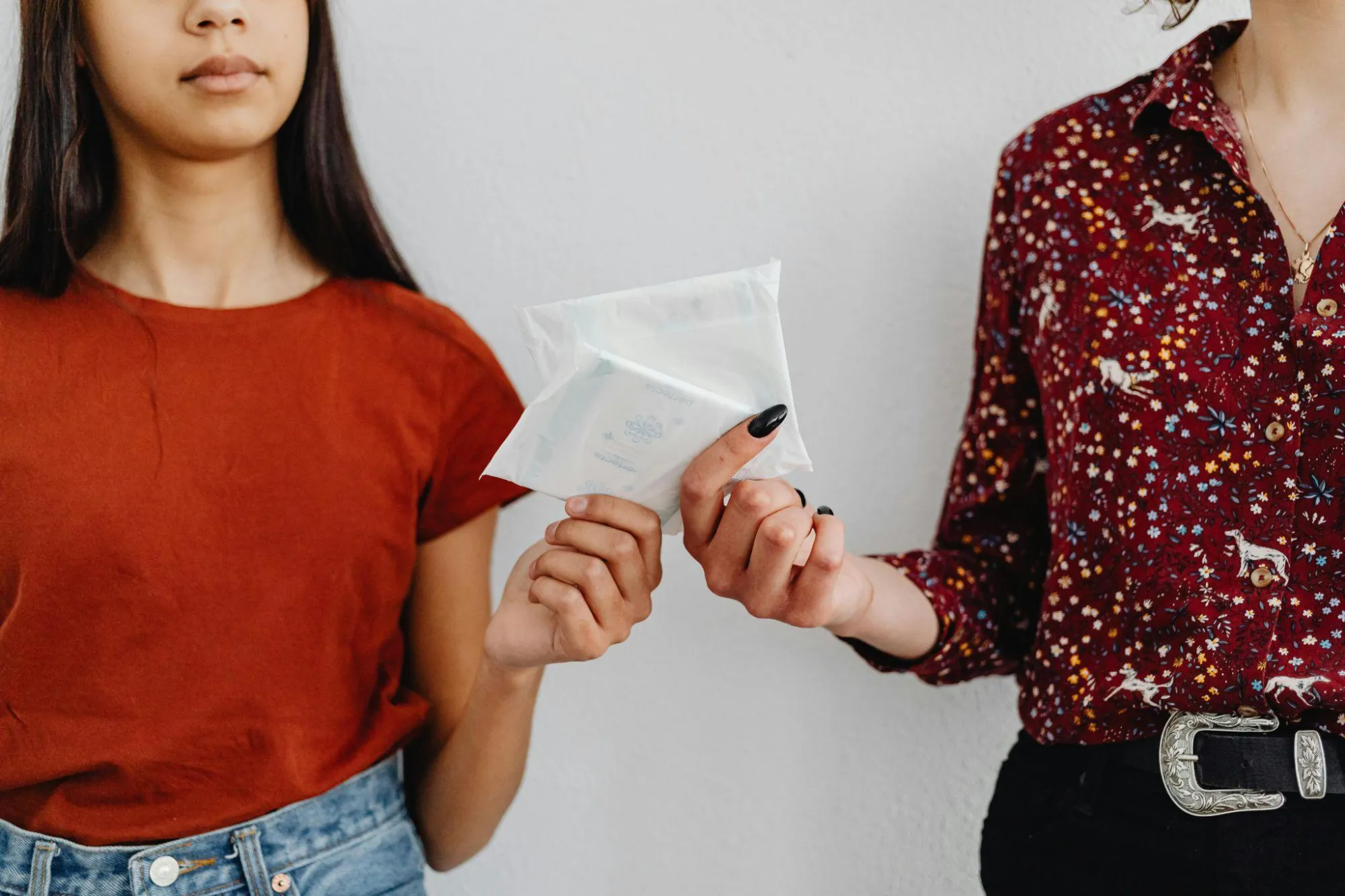

For many girls, the first period can feel like stepping into a world filled with secrets, confusion, and whispers. Imagine entering adolescence without knowing what’s happening to your own body, or worse, feeling like you can’t ask anyone. This silence shapes not only how girls experience menstruation but also how they feel about themselves.
Open conversations about periods are more than just “talking about blood.” They’re about creating a space where questions are welcome, concerns are addressed, and girls feel empowered to take control of their bodies. When menstruation is normalized rather than stigmatized, girls gain confidence, knowledge, and the tools to navigate adolescence without fear or shame. Here’s how open conversations transform how girls experience this change.
Why Talking About Periods Matters More Than You Think
Menstruation isn’t just a biological cycle; it’s a social and emotional milestone. Research shows that in many communities, girls learn little about menstruation before their first period, leading to fear, confusion, and stigma.
A lack of basic education on menstruation has real consequences. For example, data from Bangladesh suggest that around 30% of girls miss about 2.5 days of school every month during their period due to stigma and inadequate hygiene support, resulting in lower school attendance and exam performance.
These outcomes show why menstruation education is important for girls; it affects their studies, confidence, and long‑term opportunities.
Breaking Stigma With Real Conversations
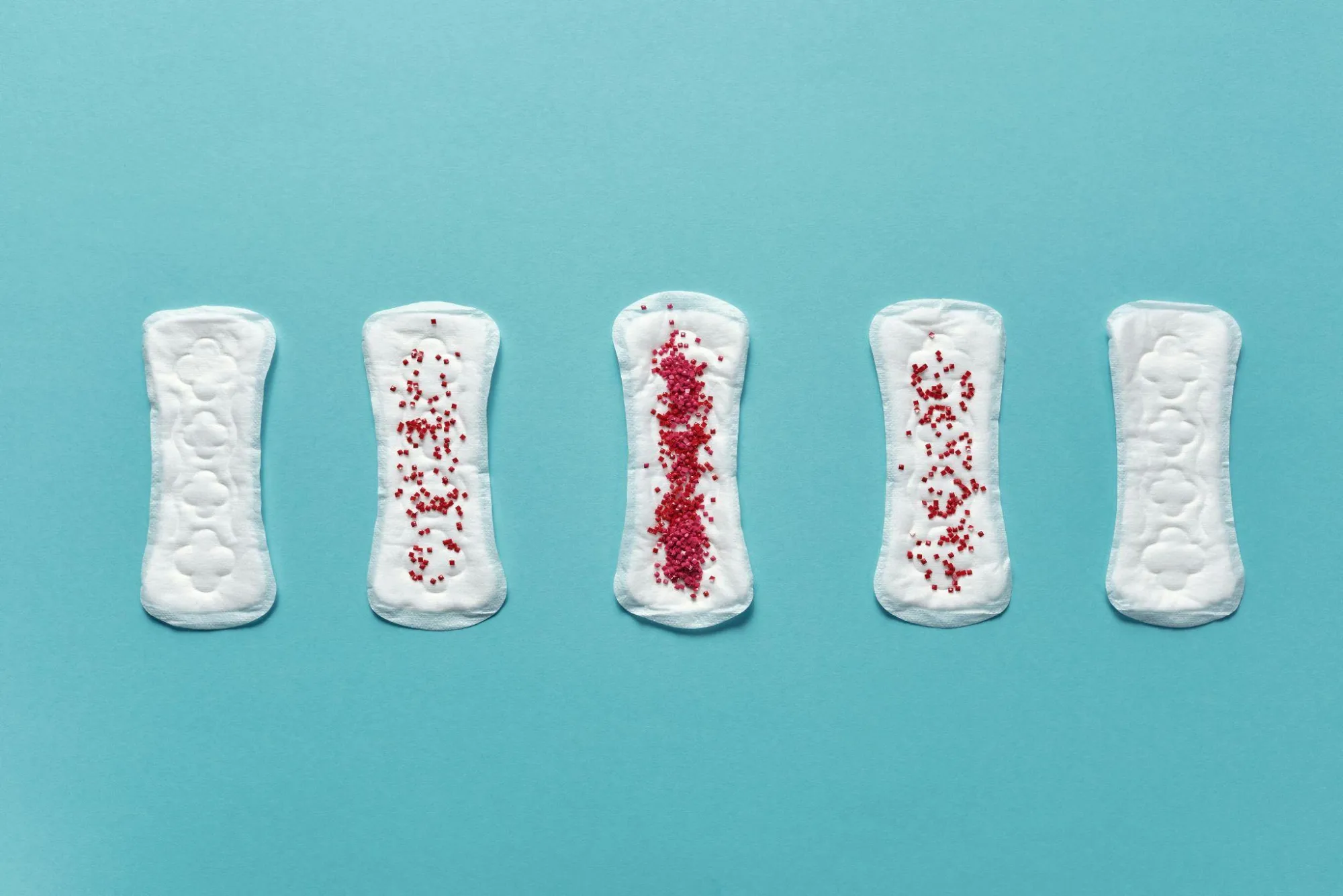
In many cultures, menstruation is viewed as something “embarrassing” or “dirty,” and girls are often encouraged to keep it a secret. This silence contributes to shame and isolation. Studies have found that girls who fear talking about their period may experience anxiety, shame, and even avoid social settings during menstruation.
In contrast, environments that encourage questions and normalise conversations around menstruation help girls feel supported rather than ashamed. When teachers, parents, and peers talk openly and factually about menstruation, girls are more likely to approach each other for guidance, feel confident asking questions, and seek help when they need it.
Open conversations also make it easier to address practical issues like pain management, hygiene, and menstrual care: conversations that directly affect a girl’s ability to stay in school and participate fully in life.
Education: A Foundation for Confidence and Preparedness
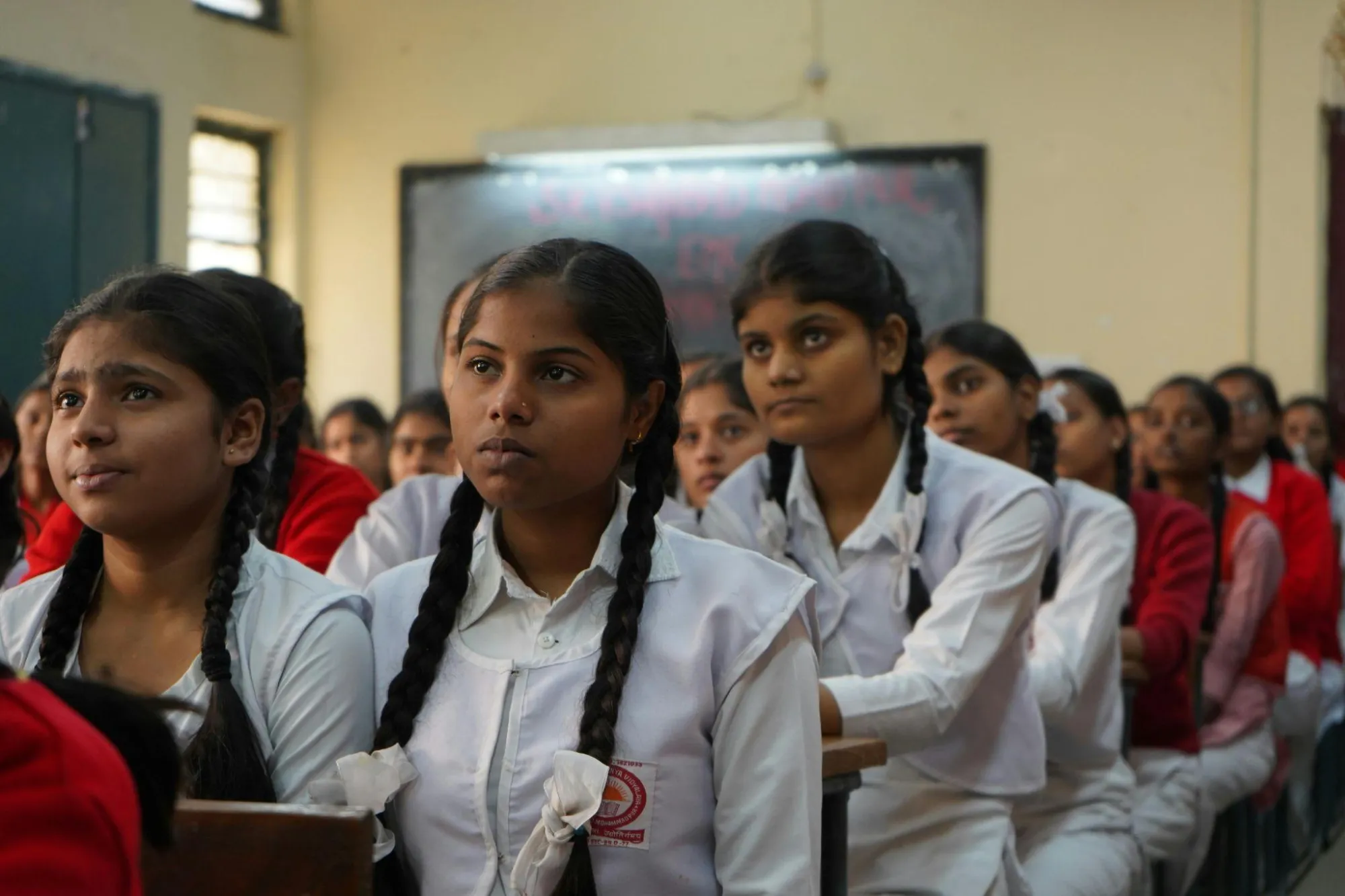
Access to quality information changes everything. Studies show that puberty and menstruation education for teenagers dramatically increases knowledge and healthy hygiene practices. In one intervention study, girls who received dedicated menstruation education saw nearly a 90% improvement in menstrual hygiene knowledge compared to those who did not.
This supports the idea that menstrual health hygiene education for preteen girls sets them up to manage menstruation with confidence and dignity. Knowing what’s happening, why it’s happening, and how to take care of oneself pushes back against myths and fear.
When education is paired with dialogue that welcomes curiosity, girls develop better self‑esteem and resilience, and are more likely to support others, too.
Empower Girls, Transform Communities with Utpat Foundation Nonprofit
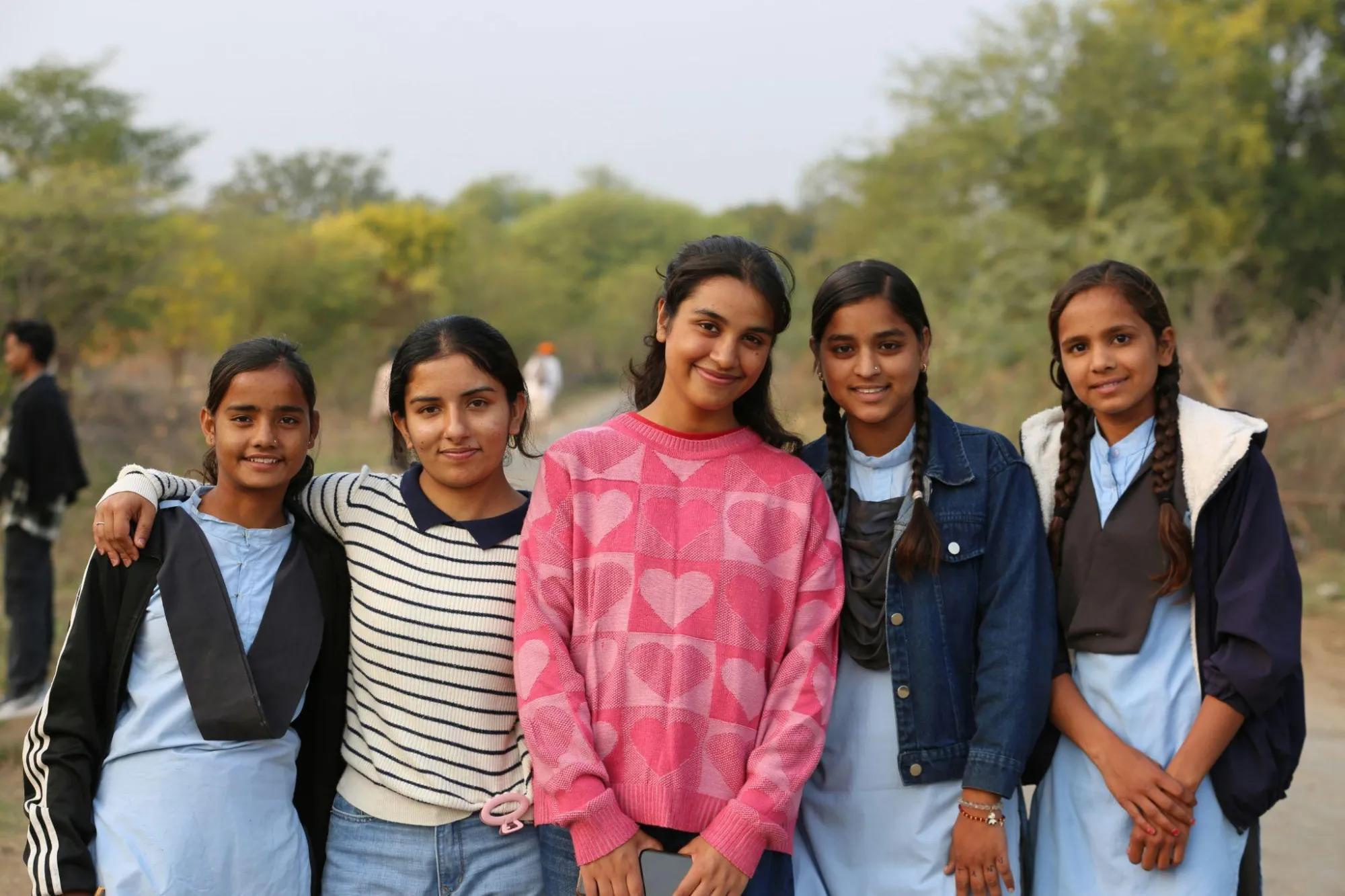
Imagine a world where every girl can talk about her period freely, access the products she needs, and feel confident in her own body. That’s the vision being realized through dedicated community efforts that combine education, advocacy, and practical support. By promoting menstrual awareness programs for schools and community initiatives for menstrual health, young girls gain the knowledge and confidence to navigate their periods without shame or fear.
At the heart of these efforts are two teenage sisters, Niska and Kaanchi Utpat, founders of the Utpat Foundation Nonprofit, empowering marginalized communities through education, healthcare, and sustainable development initiatives.
Through menstrual education for teens and providing sanitary pads to marginalized communities, they are breaking cycles of stigma and ensuring girls have both the information and the tools they need.
Join the movement: Partner with Utpat Foundation Nonprofit and help create a generation of informed, empowered girls who can thrive.
About the Author
Madison Carter is an education and social impact writer focused on menstrual health, girls’ empowerment, and community development initiatives. With experience researching menstrual health hygiene education, Carter provides practical insights and actionable guidance for educators, parents, and advocates. Her work combines in-depth research with real-world stories, helping communities implement programs that promote menstrual equity programs and break the stigma surrounding menstruation.

























Sign in to leave a comment.