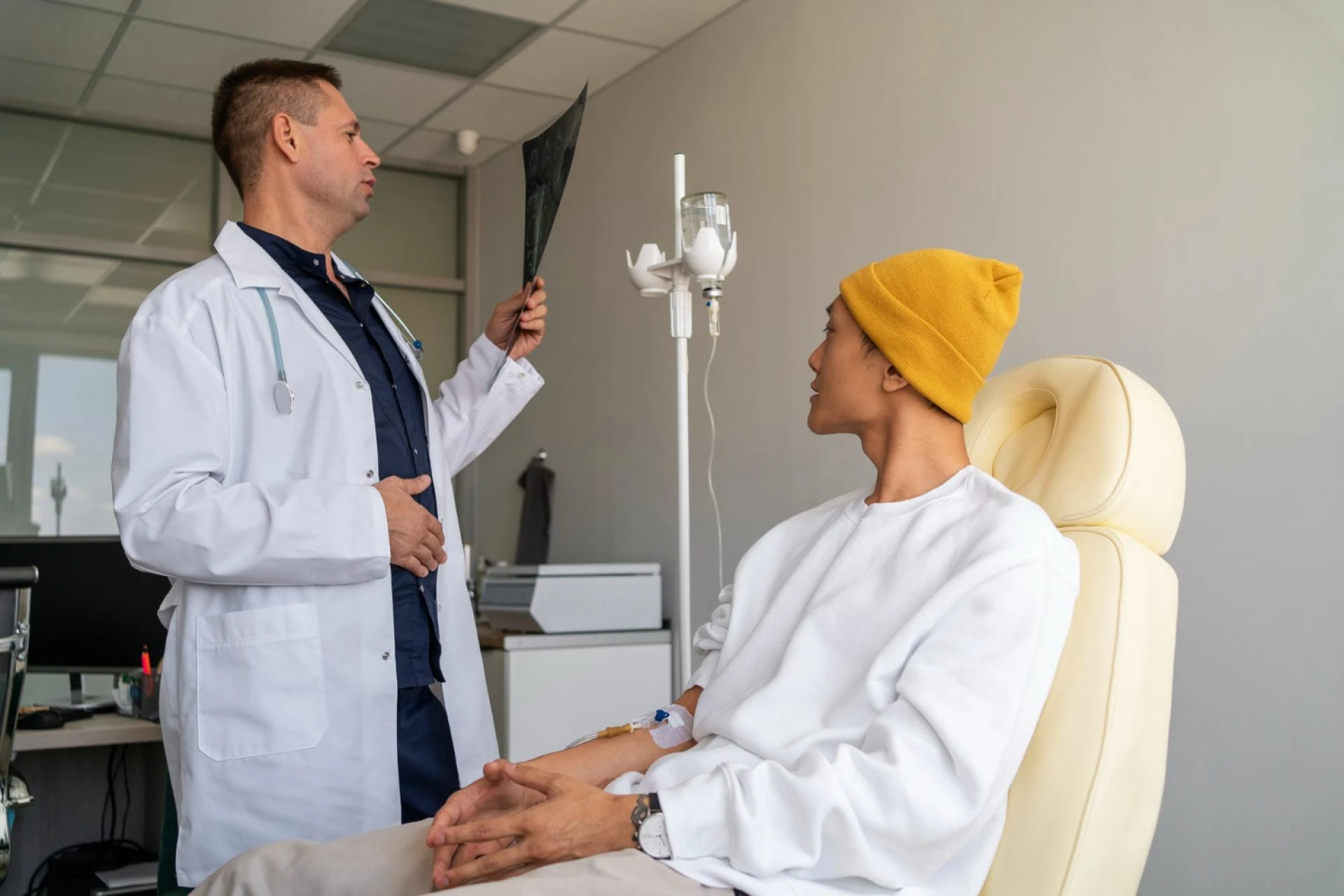

Cancer care has advanced significantly with the development of newer and more targeted treatment approaches. While chemotherapy is commonly associated with hospital-based intravenous (IV) infusions, modern oncology now includes medicines that can be taken in tablet or capsule form. If you are looking for expert guidance to understand whether this option is suitable for your condition, consulting Dr. Pooja Babbar can help you make an informed decision. Recognized as the Best Medical Oncologist in Gurgaon, she carefully evaluates each patient’s diagnosis and designs a personalized treatment strategy based on the type and stage of cancer.
In appropriate cases, Oral Chemotherapy Treatment in Gurgaon is considered when it aligns with the patient’s medical needs and treatment goals. This approach allows selected patients to receive cancer therapy in a more convenient manner while remaining under proper medical supervision.
What Is Oral Chemotherapy?
Oral chemotherapy refers to anti-cancer medicines taken by mouth instead of being administered through IV infusions. These medications are designed to target rapidly dividing cancer cells and either destroy them or slow their growth.
Not every cancer type can be treated with oral chemotherapy. Its use depends on:
- Type of cancer
- Stage and spread of the disease
- Molecular characteristics of the tumor
- Patient’s overall health
A detailed consultation helps determine whether this treatment option is appropriate.
How Oral Chemotherapy Works
After being swallowed, the medication is absorbed through the digestive system and enters the bloodstream. From there, it circulates throughout the body to reach cancer cells.
Like traditional chemotherapy, oral medicines work by interfering with the growth cycle of cancer cells. Some drugs damage the DNA of cancer cells, while others block signals that allow tumors to grow. Even though the medicine is taken at home, it remains a powerful treatment that requires strict adherence to prescribed doses and schedules.
Benefits in Modern Cancer Care
Oral chemotherapy has become an important part of modern cancer treatment for several reasons:
- Reduced need for frequent hospital visits
- Greater comfort without repeated IV insertions
- More flexibility in daily life
- Effective disease control in selected cases
However, convenience does not mean reduced monitoring. Regular blood tests and follow-up visits remain essential.
Possible Side Effects
Oral chemotherapy may cause side effects similar to IV chemotherapy, including:
- Nausea or vomiting
- Fatigue
- Diarrhea
- Loss of appetite
- Low blood counts
- Increased risk of infection
The severity varies from patient to patient. Early reporting of symptoms helps manage them effectively.
Monitoring and Safety
Even though treatment is taken at home, medical supervision is crucial. Patients are advised to:
- Take medication exactly as prescribed
- Avoid skipping or doubling doses
- Attend scheduled follow-ups
- Inform the doctor about unusual symptoms
Close monitoring ensures safer and more effective treatment outcomes.
Conclusion
Oral chemotherapy represents an important advancement in modern oncology. When prescribed appropriately, it offers convenience while maintaining clinical effectiveness. Treatment decisions should always be individualized, based on careful medical evaluation.
With proper guidance and structured monitoring, oral chemotherapy can play a valuable role in comprehensive cancer care.



























Sign in to leave a comment.