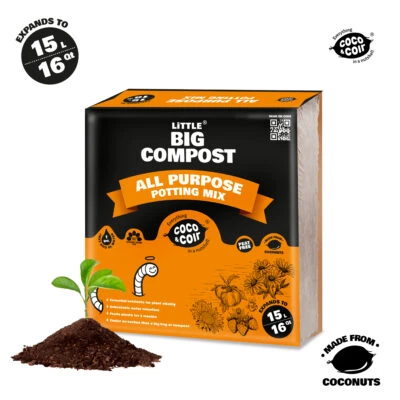

You might not think about soil when considering climate change—but you should. The kind of compost you use can either harm or heal the environment. That’s where peat-free compost comes in.
Understanding the Role of Peat in the Environment
What are Peatlands?
Peatlands are wetlands made up of decomposed plant material. They’re like nature’s sponge, storing water and trapping carbon for thousands of years.
Why Are They Important?
Though they only cover about 3% of the Earth’s land surface, peatlands store more carbon than all the forests combined. Destroying them releases that carbon back into the air.
The Downside of Peat Extraction
Carbon Emissions
Harvesting peat involves draining wetlands, which leads to enormous CO₂ emissions. For every bag of peat compost, there’s an invisible cloud of carbon floating into the sky.
Habitat Loss
Peat bogs are home to unique plants, birds, and insects. Once dug up, it takes centuries—yes, centuries—for these ecosystems to recover.
Peat-Free Compost as an Eco-Friendly Solution
Sustainable Alternatives
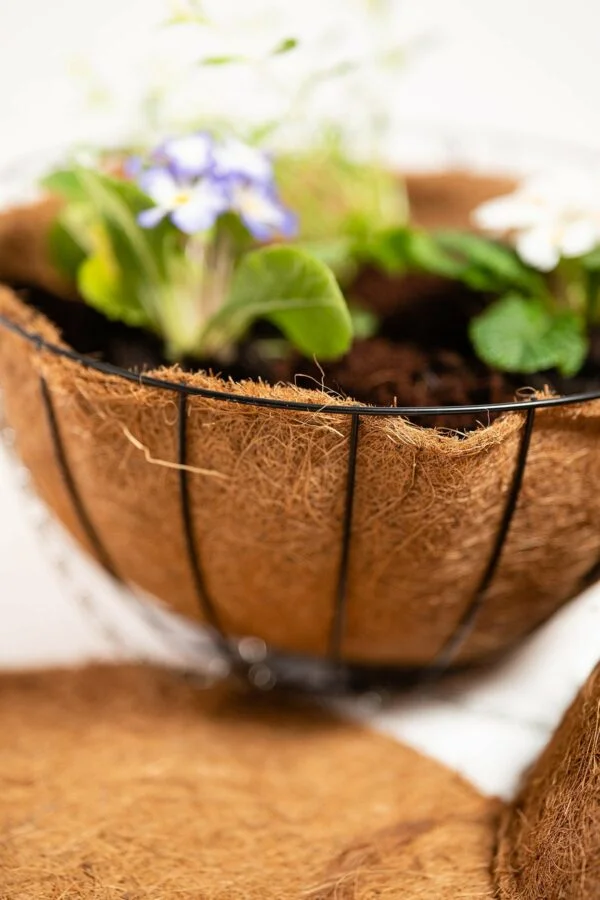
Materials like coir, bark, and green waste do the job just as well—without digging up ancient carbon sinks.
Less Energy Consumption
Peat extraction is energy-intensive. Peat-free compost, especially when locally sourced, has a much lower environmental footprint.
How Gardeners Can Make a Difference
Home Gardening with Peat-Free Compost
Switching to peat-free compost in your garden reduces demand for peat extraction. One backyard at a time, this change adds up.
Community Gardening Movements
Many urban gardens and eco-initiatives are now proudly peat-free. They educate others while greening the city.
Benefits to Soil Health
Better Microbial Activity
Peat-free compost often includes varied organic material, which feeds soil microbes—key players in healthy soil ecosystems.
Improved Water Retention and Drainage
Contrary to popular belief, peat-free compost can hold water well and drain properly when mixed right.
Impact on Climate Change
Choosing peat-free compost contributes to the fight against global warming. Less peat = less carbon in the atmosphere. It’s that simple.
Supporting Green Innovation in Agriculture
Farmers and compost makers are investing in better blends and zero-waste methods. Supporting peat-free compost means encouraging more of this innovation.
Tips for Transitioning to Peat-Free Compost
- Start with a trial batch in pots
- Water and mulch regularly
- Mix with garden soil if needed
- Always read the label—some "eco" options still contain peat
Conclusion
Switching to peat-free compost is one of the easiest and most impactful choices for gardeners who care about the planet. It’s not just soil—it’s a solution.



























Sign in to leave a comment.