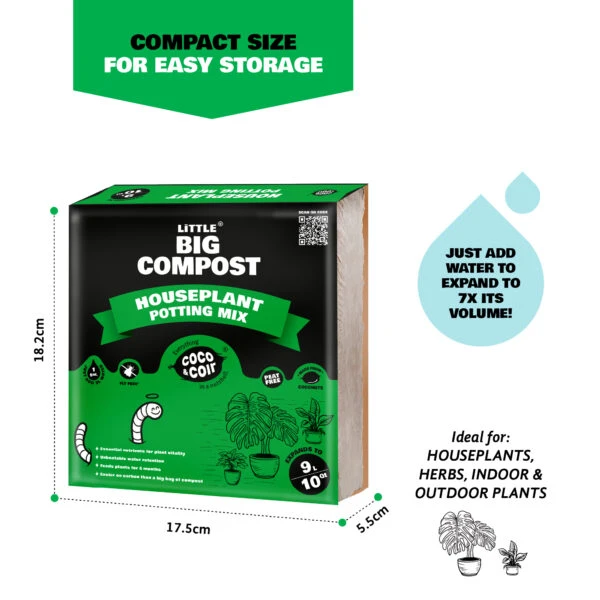

Gardening is more than just a hobby—it’s a way to reconnect with nature. But did you know that your compost choice can either help or harm the planet?
What is Peat and Why It Matters
Peat is an organic material found in bogs, used in gardening for decades. It’s light, holds moisture well, and helps plants thrive. Sounds perfect, right? Unfortunately, digging it up releases massive amounts of carbon and destroys ancient ecosystems.
How Compost Fits into Garden Success
Compost feeds your plants, boosts soil health, and improves drainage. It’s essential for growing strong, healthy plants naturally.
The Shift Toward Eco-Friendly Practices
With growing awareness around climate change, gardeners are now choosing peat free compost as a smarter, greener option. It’s the first step to sustainable gardening.
What is Peat Free Compost?
Definition and Purpose
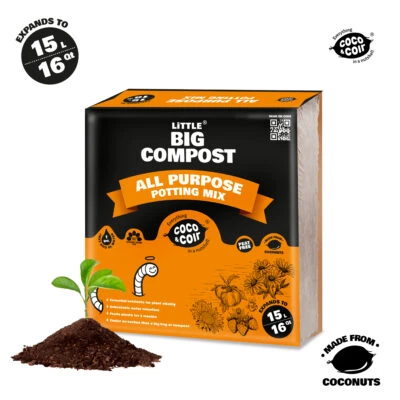
Peat free compost is made without peat, using natural alternatives that are safe for plants and better for the earth.
Ingredients Commonly Used
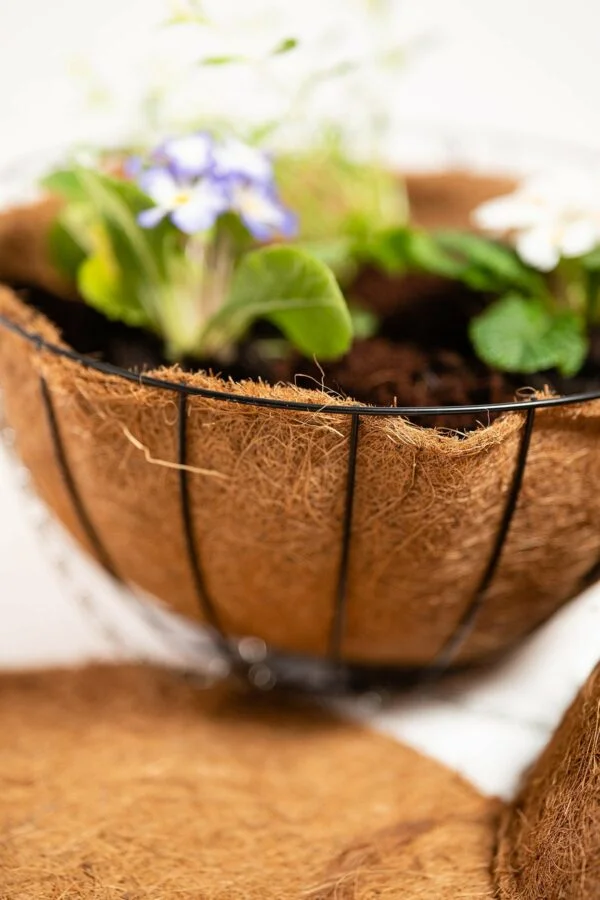
Coir (Coconut Husk)
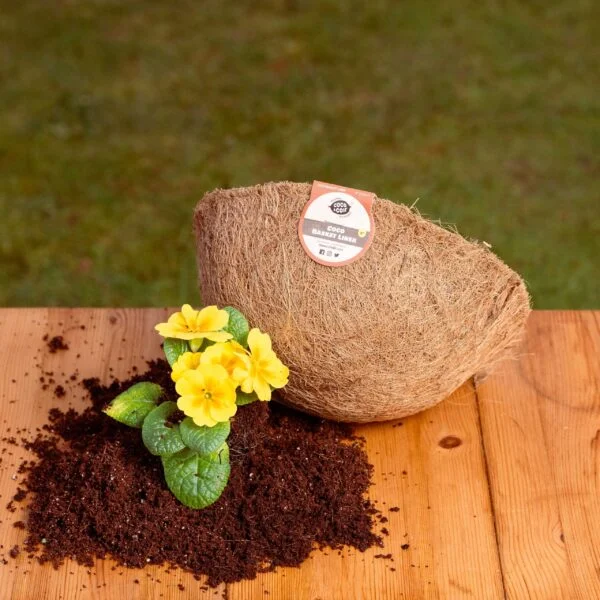
It holds water well and has a light texture—perfect for seedlings and container plants.
Green Waste
This includes grass clippings, leaves, and vegetable scraps—composted to create nutrient-rich material.
Composted Bark and Wood Chips
These improve soil structure and add organic matter.
Plant-Based Additives
Things like seaweed, wool, and bracken help feed your soil without synthetic chemicals.
Why You Should Avoid Peat
Peatland Destruction
Peat is harvested by draining wetlands, turning vibrant ecosystems into barren land.
Climate Change and Carbon Release
Peatlands store more carbon than forests. Harvesting peat means releasing that carbon into the air—fueling climate change.
Loss of Biodiversity
From rare birds to unique insects, peatlands are home to many species that vanish when these habitats are destroyed.
Benefits of Using Peat Free Compost
Better for the Environment
Peat free compost reduces habitat loss and helps fight climate change by protecting carbon-storing peat bogs.
Supports Healthy Soil Structure
Many peat alternatives are full of organic matter that improves soil aeration, drainage, and microbial activity.
Easy to Source and Use
Most garden centers now stock multiple peat free options. Just read the labels to make sure it’s 100% peat free.
Choosing the Right Peat Free Compost
Know Your Plants’ Needs
Some composts are made for seed starting, others for flowers or vegetables. Choose based on what you’re planting.
Reading Labels Carefully
Don’t fall for vague labels like “peat-reduced.” Look for “100% peat free” and check for certifications.
How to Use Peat Free Compost in Your Garden
Potting Plants
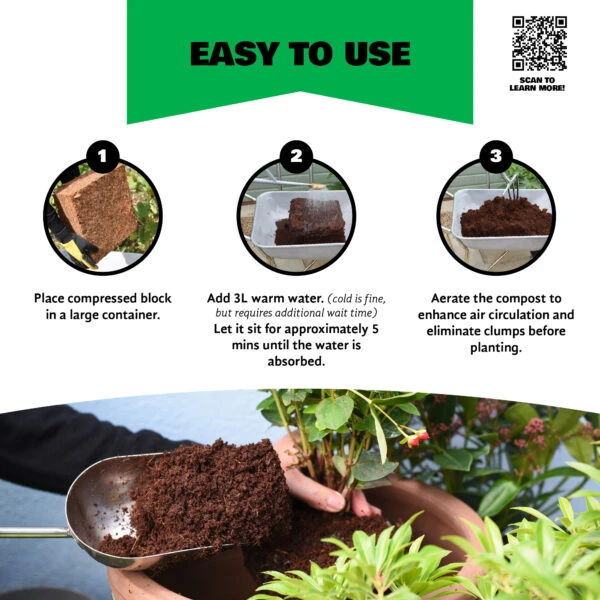
Use a peat free potting mix that includes coir and bark for good drainage and root growth.
Soil Improvement
Mix it into garden beds to boost fertility and structure—especially in clay-heavy soils.
Seed Sowing
Go for a fine-textured compost made especially for seed starting. It should be free from large chunks.
Simple Step-by-Step Process
- Add equal parts green (wet) and brown (dry) materials
- Turn the pile weekly to add oxygen
- Keep it moist—not soggy
- After 8–12 weeks, you’ll have homemade compost
Tips to Keep it Effective
Chop large items, avoid diseased plants, and balance the mix to prevent odors or slow breakdown.
Common Mistakes to Avoid
Overwatering
Too much moisture leads to a soggy mess and bad smell. Keep your compost pile damp like a wrung-out sponge.
Poor Drainage
Make sure your pots and garden beds have good drainage to prevent waterlogging.
Using the Wrong Blend
Seedlings need light, fine-textured compost. Don’t use coarse mulch for young plants.
Beginner-Friendly Gardening Tips with Peat Free Compost
Start Small and Learn
Try a few pots or a raised bed to get familiar with how peat free compost behaves.
Observe and Adjust
Notice how fast the compost dries out and how your plants respond. Adjust watering and feeding as needed.
Don’t Be Afraid to Experiment
Mix peat free compost with soil, try different brands, and see what works best in your garden.
The Bigger Picture
Your Role in a Greener Planet
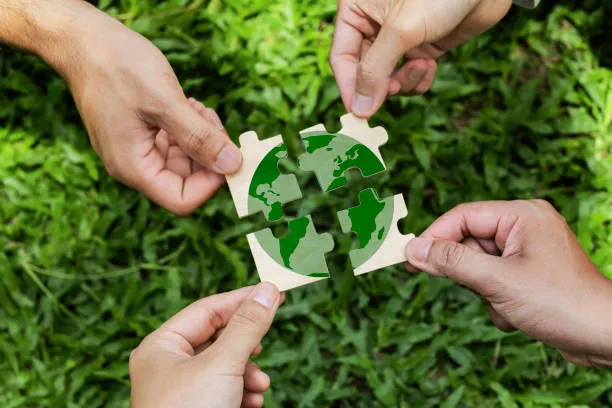
Choosing peat free compost might feel small, but multiplied across thousands of gardens, it makes a massive difference.
Supporting Eco-Friendly Gardening Trends
Every purchase and plant you grow the sustainable way adds momentum to the global shift toward greener living.
Conclusion
Peat free compost is the foundation of eco-friendly gardening. It’s easy to use, widely available, and packed with benefits for your plants and the planet. Whether you’re just starting out or have been gardening for years, making this simple switch helps you grow a healthier garden—and a healthier earth.












Sign in to leave a comment.