

If you zoom out and watch a day unfold in India’s metros, South Africa’s cities, Nigeria’s semi-urban belts, the UK’s suburbs, Italy’s towns, UAE’s high-rises or Egypt’s neighbourhoods, you’ll notice something universal about the daily routine people follow. Early alarms, long work stretches, commutes that swallow hours, endless responsibilities, and screens that never rest — this has quietly become the world’s standard operating system.
TPS Pulse insights, gathered from 149,809 people across 60+ countries, show something clear: people everywhere are juggling, hustling, and squeezing their day to fit everything in. It’s not a trend. It’s how today’s daily routine works.
Life Feels Fast — But People Say They’re “Managing”
When asked how fast their day feels, almost no one chose “slow.” Whether in India, Nigeria, Kenya, the UK, Italy, South Africa or the UAE, most people said their days feel fast or very fast.
But surprisingly, 63% felt they “often” or “always” manage to get things done — not because their daily routine is easy, but because they’ve learned to keep up with the speed of modern life.
People aren’t gliding through the day.
They’re simply adapting to it.
Where the Day Disappears: A Global Snapshot
A global device usage study and TPS data show exactly how do people spend their time:
- Work + commute: ~7 hours
- Household + caregiving: ~5 hours
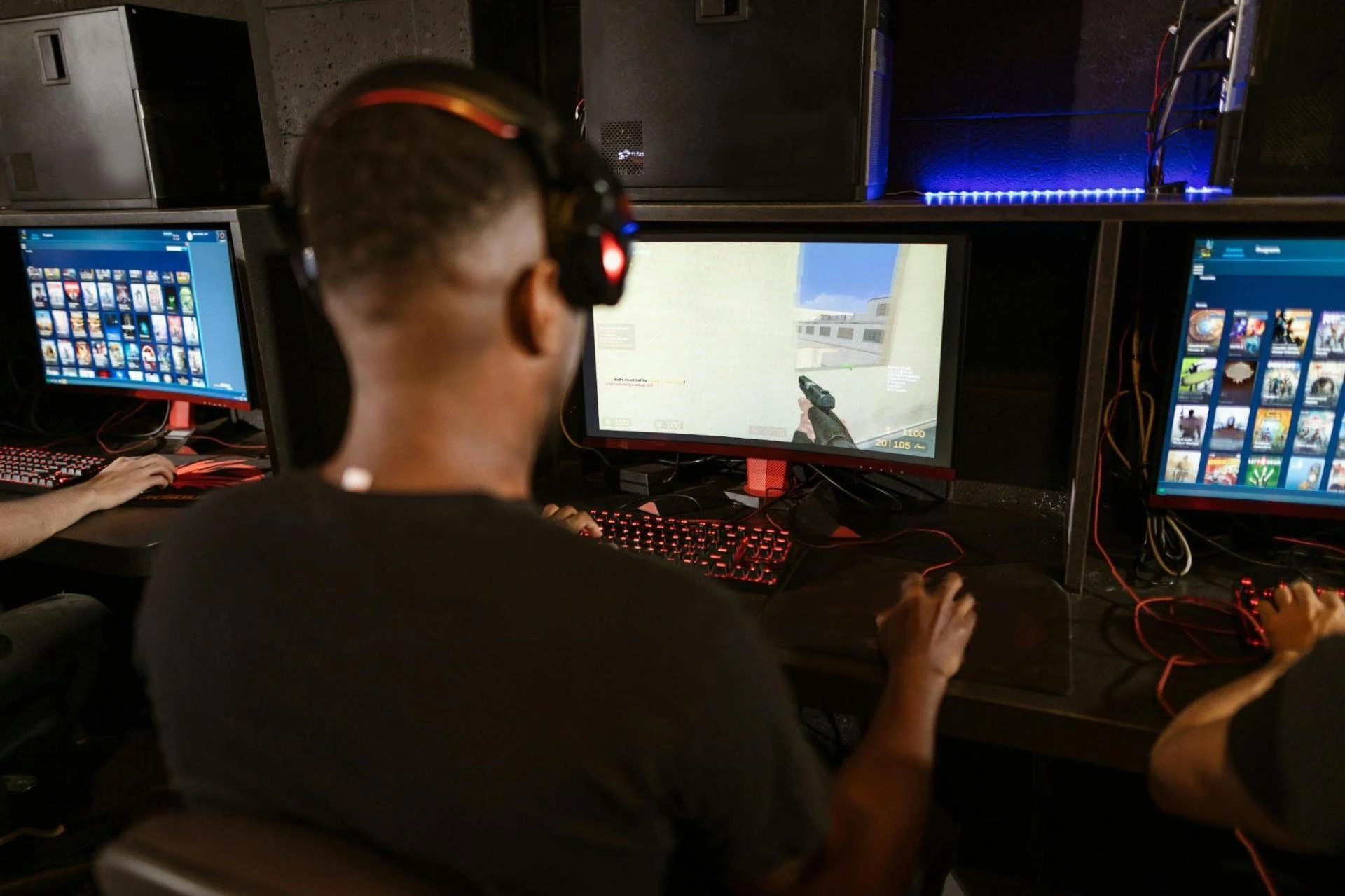
- Screens: 3+ hours
- Sleep: just over 6 hours
From New Delhi to London, Lagos to Dubai, the pattern repeats. The world isn’t living curated, aesthetic routines — it’s living packed, time-compressed days. And across countries, people keep repeating the same line:
“I don’t get enough time for myself.”
Structured Days — But Overloaded Lives
Most people say their daily routine is structured and predictable.
The problem isn’t chaos.
It’s density — too many tasks squeezed into the same 24 hours.
This is why multitasking has become a universal survival skill:
- India: juggling work, home and screens
- South Africa: switching between chores, transport and work
- UK: managing work calls while running personal errands
- Egypt: balancing caregiving with household responsibilities
No matter the country, modern life requires constant switching.
Stress Builds From Everywhere at Once
Across the world, people report similar stress factors:
- India, Nigeria, Kenya → financial pressure, traffic, long hours
- UK, Italy, USA → work fatigue, lack of sleep
- UAE, Egypt → family expectations, commutes
- South Africa → transport challenges, household load
There isn’t one major stressor.
There are many small ones that stack up daily.
Everyday Challenges That Wear People Down
TPS insights show the daily frictions people deal with:
- Not enough personal time
- Heavy responsibilities at home
- Traffic that steals hours
- Long work or study schedules
- Noise, crowding and screen fatigue
These issues aren’t dramatic — they’re constant.
And constant things exhaust us the most.
If People Could Change Just One Thing…
Across 60+ countries, people gave nearly identical answers:
- More time for myself
- Less commuting
- More sleep
- Flexible hours
- Less household pressure
- Better financial breathing room
Nobody wished for a different life altogether.
They simply want a gentler daily routine — one that gives them space to breathe.
The Real Insight: Life Isn’t Messy — It’s Overloaded
TPS “Life in Motion” makes one thing clear:
The world isn’t spiraling. It’s just compressed.
- Life is fast
- Routines are full
- Multitasking keeps the day moving
- Screens fill every small gap
- Money shapes decisions
- Traffic consumes time
- Chores stack up
- Sleep shrinks
- Personal time disappears
People aren’t overwhelmed by chaos — they’re overwhelmed by consistency without pause. And still, they call it normal.
This is where real insights matter. TPS turns everyday experiences into meaningful understanding of how people spend their time, adapt their daily routine, and manage life in more than 60 countries.
Because the world doesn’t run on assumptions.
It runs on people’s realities.




























Sign in to leave a comment.