

Home.
A small word, yet one of the most personal ones we carry.
For some, it’s the steam of morning tea drifting through a quiet kitchen.
For others, it’s the comforting thud of the door closing after a long day.
And for many, home is less about the walls around them and more about the people inside.
When TPS set out to study global home and living trends, we expected to see sharp differences shaped by culture, income, and geography. Instead, the data revealed a shared universal feeling — people everywhere crave comfort, belonging, and a sense of peace within their living space.
This story captures how people make a house a home, what they love, what they struggle with, and what they dream their ideal space could be.
Home as a Moving Life Stage
Our respondents mirrored the world’s diversity — from young adults building their future (25–34 at 38.3%) to those entering steadier years (45–54 at 20.8%). Men and women were almost evenly balanced, offering a holistic picture of home life worldwide.
One detail stood out:
“Even though 60% live in metro cities, 64.7% still live with family — proving that urban living hasn’t replaced family living.
Urban life is growing louder, faster, and more demanding. Yet even in these fast-paced environments, people stay rooted in closeness. High rents, demanding jobs, and emotional connection pull families together under one roof.
People want progress, but not at the cost of belonging.
Home Satisfaction: Happy, But Hoping for Better
Our study showed strong global home satisfaction insights — with more than 80% rating their homes positively. But around 21.7% gave their homes a low rating, hinting at deeper issues: limited space, clutter, affordability, and an inability to personalize.
People aren’t unhappy with “home.”
They’re unhappy with the constraints around it.
Satisfaction is high, but aspiration is higher.
What People Value in Their Homes
Across regions, one truth echoed:
Homes must feel good before they look good.
Top priorities included:
- Comfort
- Cleanliness
- Privacy
- Natural light
- Location & safety
- Storage space
- Aesthetics and décor
Comfort consistently ranked highest, proving that the emotional experience of home matters more than design trends. People want spaces where they can breathe, unwind, and simply be themselves.
This insight reinforces how living space preferences worldwide are grounded in peace, safety, and familiarity.
The First Changes People Make After Moving In
The charts reveal something powerful:
42.6% fix or organize their home first.
Clutter clearing and organizing outrank décor, new furniture, and even kitchen setup. This shows that for many, order equals calm — an immediate step toward making an unfamiliar place feel like their own.
Everyday Joy Lives in Small Moments
When we explored daily home activities, “joy” showed up in simple habits:
- Cooking (58.5%)
- Organizing (52%)
- Decorating (47.4%)
- Cleaning (46.3%)
- Gardening (43.5%)
These numbers highlight how people make a house a home through everyday rituals — not grand renovations. It’s the daily rhythm that creates connection.
The Global Dream Home: Peace Over Luxury
One of the most striking findings from dream home aspirations across countries is this:
People aren’t dreaming of luxury towers.
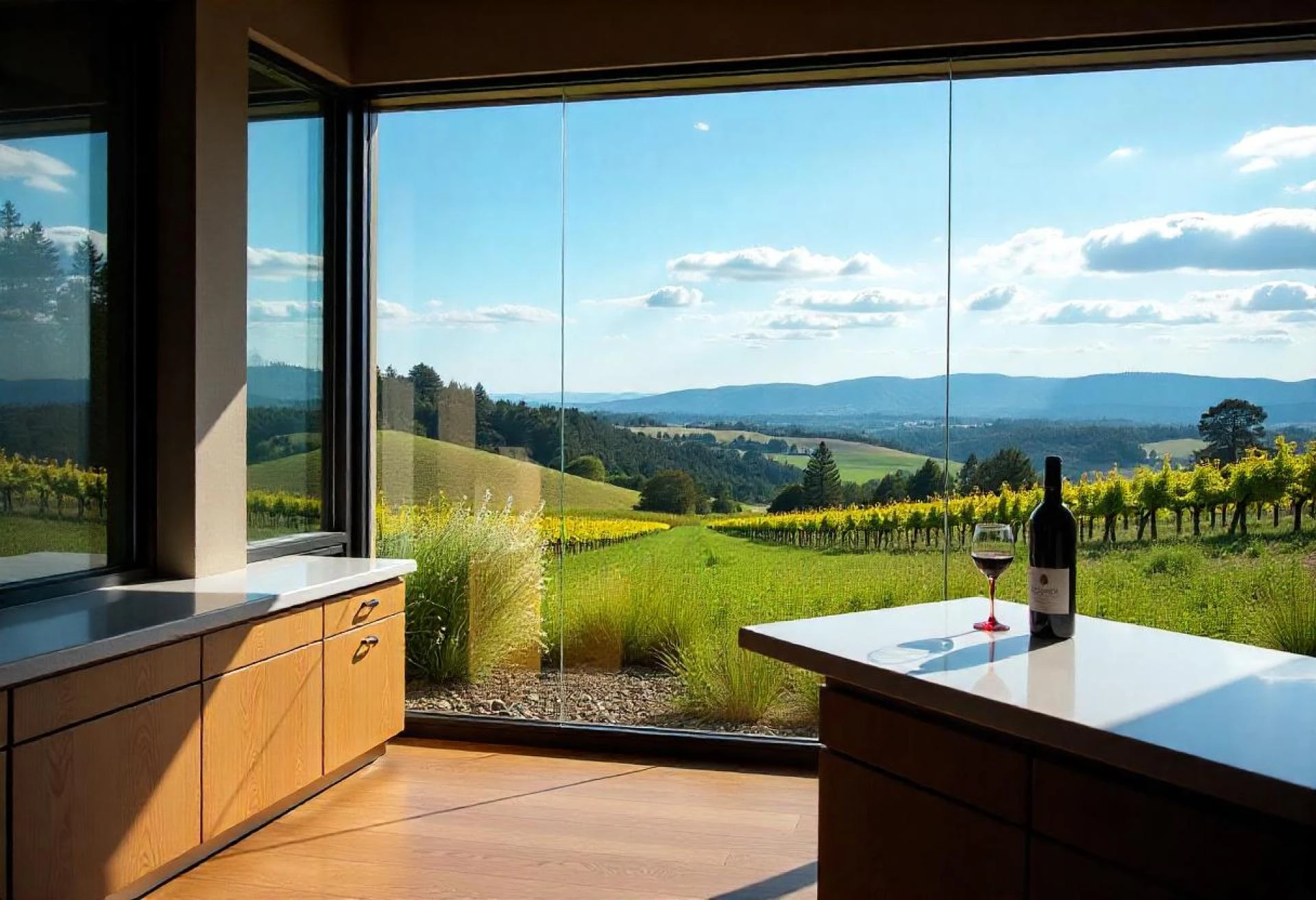
They’re dreaming of quiet farmhouses and countryside homes.
A desire for greenery, fresh air, and mental space cuts across generations and borders. Modern life may push people into crowded cities, but their hearts still look toward wide open spaces.
What Gets in the Way of These Dreams?
Two words keep coming up: Money. Life.
- 76.9% say budget is the biggest barrier
- 37.8% cite family commitments
- 33.1% struggle with location availability
Homes are deeply emotional, but home decisions are often practical — shared with partners, parents, or children. People prioritize collective comfort over personal desire.
Redecorating: The New Well-Being Ritual
Frequent home updates — yearly or even every few months — show a global shift. Redecorating has become emotional self-care. Changing a room feels like changing your state of mind. It’s an accessible way for people to reclaim comfort and control in an unpredictable world.
Who Makes Home Decisions? Everyone.
Today’s homes are collaborative.
Decision-making is shared — with nearly half choosing together, and only a small portion leaving decisions to one person.
This reflects a modern truth:
Homes are built through conversation, not command.
In the End, Home Is a Universal Language
Across cultures and continents, people share the same hopes:
- Comfort
- Safety
- Light
- Space
- Peace
- Belonging
The world may live differently, but we long for home in remarkably similar ways. Global home and living trends show that while budgets, location, and responsibilities shape our homes, our dreams remain resilient.
People are redecorating for joy, choosing as a family, and pursuing better living spaces — even in small steps. In the everyday choices they make, they’re building not just a house, but a feeling.
Because home isn’t defined by square footage.
It’s defined by how it makes us feel.
































Sign in to leave a comment.