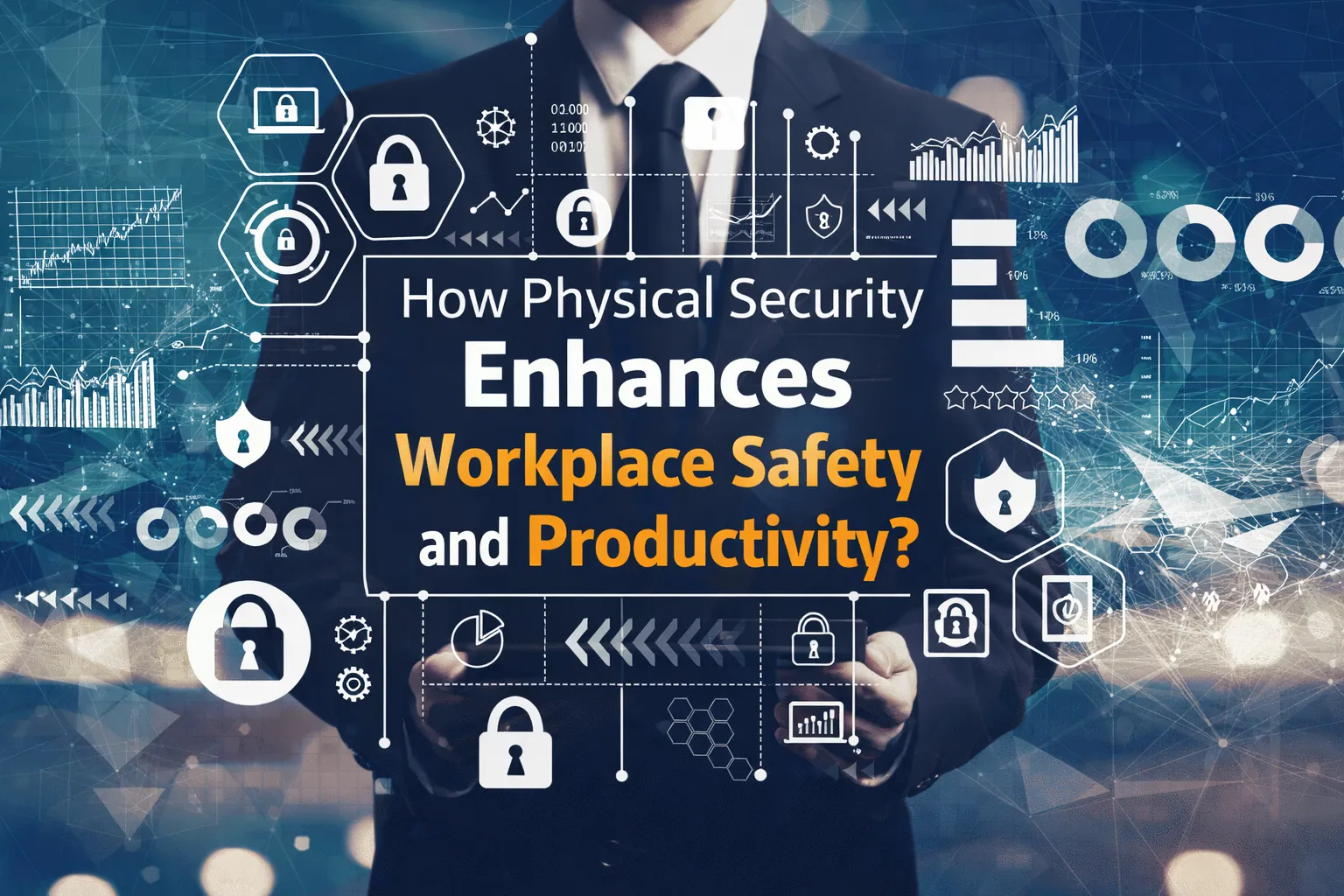

Workplace environments today face a wide range of risks, including unauthorized access, theft, and safety hazards that can disrupt daily operations. A secure work environment is no longer optional but essential for protecting employees and business assets. When people feel safe, they are more focused, confident, and productive in their roles. This is where strong security measures play a vital role by creating a controlled and protected environment. In this blog, we will explore how these measures improve workplace safety, boost productivity, and support overall business success.
What is Physical Security?
The measures and systems used to protect people, property, and physical assets from threats such as theft, vandalism, and unauthorized access are essential for modern workplaces, and physical security plays a key role in ensuring overall safety. It includes tools like surveillance cameras, access control systems, security personnel, and alarm systems. Unlike digital security, which focuses on data protection, this approach ensures the safety of physical spaces. By combining technology and human oversight, businesses can create a secure environment that prevents risks and supports smooth daily operations.
Why Workplace Safety Matters for Businesses?
Creating a safe workplace is essential for maintaining productivity, protecting employees, and ensuring business continuity. A secure environment helps reduce risks, improve morale, and support long-term organizational growth.
- Unsafe workplaces can lead to accidents, injuries, and reduced employee confidence.
- Legal and regulatory requirements make safety compliance mandatory for businesses.
- Security incidents can cause financial losses and operational disruptions.
- A safe environment improves employee satisfaction and retention.
- Strong safety measures help maintain business reputation and trust.
- Workplace safety directly influences productivity and overall performance.
How Physical Security Enhances Workplace Safety?
A well-implemented system helps businesses create safer environments by preventing threats, improving monitoring, and enabling faster responses to incidents. These measures ensure employees and assets remain protected at all times.
Prevents Unauthorized Access
Controlling who enters a workplace is essential for safety. Access control systems restrict entry to authorized personnel only, reducing the risk of intrusions, protecting sensitive areas, and ensuring a secure working environment for employees.
Reduces Theft and Vandalism
Surveillance systems act as a strong deterrent against theft and damage. Visible security measures discourage criminal activities, while monitoring tools help detect suspicious behavior early, minimizing losses and maintaining a stable work environment.
Improves Emergency Response
Advanced monitoring systems provide instant alerts during emergencies such as fires or security breaches. Quick detection enables faster response times, allowing organizations to take immediate action and reduce the impact of critical situations.
Ensures Employee Protection
A secure workplace protects employees from potential threats, including workplace violence and external risks. Safety measures create a controlled environment where individuals feel protected, leading to improved confidence and peace of mind.
How Physical Security Improves Productivity?
Beyond safety, a secure environment plays a significant role in improving employee performance and operational efficiency. When risks are minimized, businesses can focus on growth and day-to-day activities without unnecessary interruptions.
Creates a Safe and Comfortable Work Environment
Employees perform better when they feel safe. A secure workplace reduces stress and distractions, allowing individuals to focus on their tasks, resulting in improved efficiency and higher levels of productivity.
Minimizes Workplace Disruptions
Security incidents can interrupt workflows and delay operations. By preventing such disruptions, businesses can maintain smooth processes, ensuring that employees stay focused and tasks are completed without unnecessary delays.
Protects Equipment and Resources
Loss or damage to essential tools can slow down operations. Security measures ensure that equipment remains safe and available, helping employees complete their work efficiently without facing unexpected obstacles.
Enhances Operational Efficiency
Access control and monitoring systems streamline workplace movement and reduce confusion. Organized processes improve coordination, allowing businesses to operate more efficiently and maintain consistent productivity levels.
Key Security Measures for Businesses
Implementing the right strategies is essential for creating a secure workplace. Businesses can combine different measures to ensure comprehensive protection and improve overall safety.
Surveillance Systems
Cameras help monitor activities across the workplace, providing real-time visibility and recorded evidence. They act as a deterrent to criminal behavior while also helping organizations investigate incidents quickly and effectively.
Access Control Systems
Access systems such as key cards and biometric scanners ensure that only authorized individuals can enter specific areas. This reduces the risk of unauthorized access and enhances overall workplace security.
Security Personnel
Trained security staff provide on-site monitoring and immediate response to incidents. Their presence adds an extra layer of protection and helps maintain order in high-risk or high-traffic environments.
Alarm and Detection Systems
Alarm systems detect unusual activities such as forced entry or fire hazards. These systems provide instant alerts, enabling quick action and minimizing potential damage or safety risks.
Industry Use Cases
Different industries rely on tailored security strategies to address their unique challenges. These applications demonstrate how effective systems can improve safety and efficiency across various sectors.
Retail
Retail stores use surveillance systems to prevent shoplifting and ensure customer safety. Monitoring tools help identify suspicious activities while also improving store management and customer experience.
Corporate Offices
Offices use access control systems to manage entry points and protect employees. Secure environments reduce risks and ensure smooth daily operations, supporting productivity and employee well-being.
Manufacturing
Manufacturing facilities require strict safety measures to prevent accidents and unauthorized access. Monitoring systems help detect hazards, ensuring compliance with safety standards and improving operational efficiency.
Healthcare
Healthcare facilities rely on controlled access and monitoring to protect patients and staff. These measures ensure safety while maintaining a secure environment for sensitive operations and data.
Challenges in Implementing Security Systems
While the benefits are significant, businesses must consider certain challenges when implementing security systems to ensure successful adoption and long-term effectiveness.
High Implementation Costs
Setting up advanced systems can require significant investment. Businesses need to evaluate costs carefully and plan budgets to ensure long-term value and sustainability.
Maintenance and Upgrades
Security systems require regular maintenance and updates to remain effective. Without proper upkeep, systems may become outdated and less reliable over time.
Privacy Concerns
Monitoring systems can raise concerns about employee privacy. Organizations must establish clear policies and ensure transparency to maintain trust and comply with regulations.
Integration with Existing Systems
Combining new solutions with existing infrastructure can be complex. Proper planning and technical expertise are necessary to ensure seamless integration without disrupting operations.
Future Trends in Security Systems
As technology evolves, security systems continue to improve, offering smarter and more efficient solutions that help businesses stay protected in a rapidly changing environment.
Smart Surveillance Systems
Advanced cameras with intelligent features provide better monitoring and real-time analysis. These systems enhance accuracy and reduce false alarms, improving overall security performance.
Integration with AI and Automation
Automation and intelligent technologies are transforming how businesses manage security. These advancements improve efficiency and allow faster detection of potential threats.
Remote Monitoring
Cloud-based systems enable businesses to monitor their operations from anywhere. This flexibility improves response times and ensures continuous protection across multiple locations.
Data-Driven Security Strategies
Modern systems use data analytics to identify patterns and improve decision-making. This approach helps businesses develop more effective strategies and stay ahead of potential risks.
Conclusion
Physical security plays a critical role in creating a safe and productive workplace. By preventing threats, protecting employees, and ensuring smooth operations, it directly supports business success. A secure environment not only reduces risks but also improves employee confidence and efficiency. As organizations continue to grow, investing in strong security measures becomes essential for long-term sustainability. Insights from platforms like International Security Journal highlight how modern security solutions are shaping safer and more productive workplaces.
FAQ
Q1. What is physical security?
It refers to the measures used to protect people, property, and assets from physical threats such as theft or unauthorized access.
Q2. How does it improve workplace safety?
It prevents unauthorized entry, detects risks early, and ensures a safer environment for employees.
Q3. Can physical security increase productivity?
Yes, a secure environment reduces disruptions and helps employees focus better on their work.
Q4. What are the main types of physical security measures?
Common measures include surveillance systems, access control, security personnel, and alarm systems.
Q5. What challenges do businesses face in implementation?
Challenges include cost, maintenance, privacy concerns, and integration with existing systems.
























Sign in to leave a comment.