

Sciatica is a condition characterized by pain that radiates along the sciatic nerve, which runs from the lower back down through the hips and buttocks and extends into each leg. This pain is typically caused by irritation or compression of the sciatic nerve. Physiotherapy is an effective treatment option for managing and alleviating sciatica, helping to reduce pain, improve function, and prevent future occurrences. Here’s a detailed look at how physiotherapy can help with sciatica.
1. Understanding Sciatica
What Is Sciatica? Sciatica refers to pain that radiates along the path of the sciatic nerve, which branches from the lower back through the hips and buttocks and down each leg. Common causes of sciatica include:
- Herniated Disc: A bulging disc in the spine pressing on the sciatic nerve.
- Spinal Stenosis: Narrowing of the spinal canal compressing the nerve.
- Piriformis Syndrome: The piriformis muscle in the buttocks irritates the sciatic nerve.
- Degenerative Disc Disease: Wear and tear of the spinal discs leading to nerve compression.
2. The Role of Physiotherapy in Managing Sciatica
The goal of Physiotherapy: The primary goal of physiotherapy for sciatica is to alleviate pain, improve function, and address the underlying causes of nerve compression or irritation. Physiotherapy employs a range of techniques and exercises tailored to individual needs.
Key Components of Physiotherapy for Sciatica:
- Assessment and Diagnosis: Physiotherapists perform a thorough evaluation to determine the cause of sciatica and develop a personalized treatment plan.
3. Techniques and Treatments
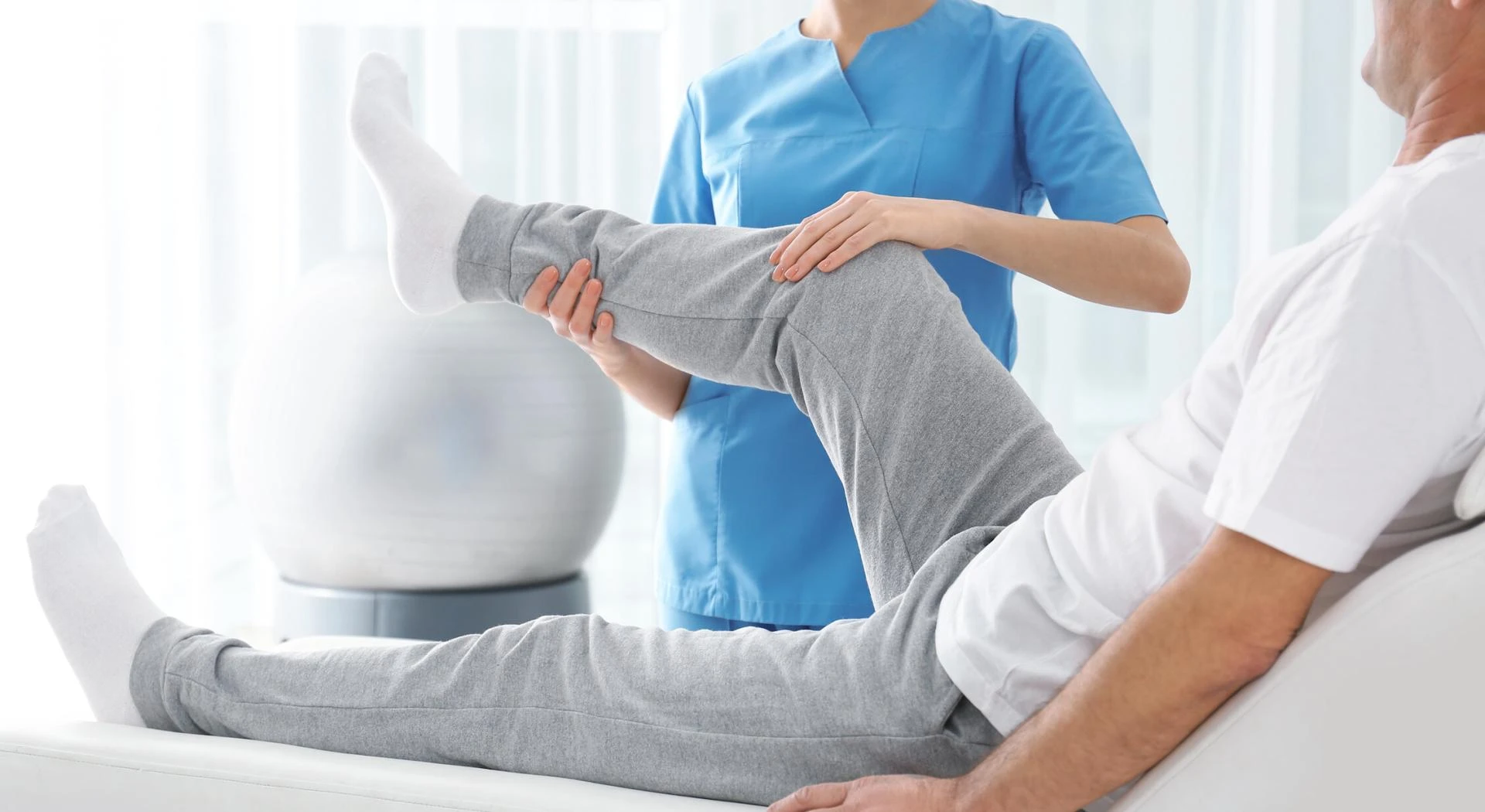
Manual Therapy: Manual therapy involves hands-on techniques to relieve pain and improve mobility:
- Spinal Manipulation: Gentle adjustments to the spine to reduce nerve compression and improve alignment.
- Massage Therapy: Techniques to relax tight muscles, improve blood flow, and reduce pain.
- Joint Mobilization: Gentle movements to improve joint function and reduce stiffness.
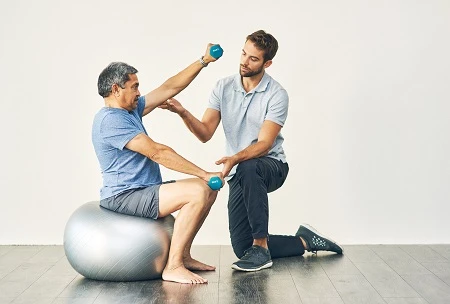
Exercise Therapy: Exercise is a critical component of physiotherapy for sciatica. It focuses on:
- Stretching Exercises: To relieve tension in the muscles surrounding the sciatic nerve. Common stretches include:
- Hamstring Stretch: Lying on your back, lift one leg and hold the back of the thigh with both hands. Gently pull the leg towards you while keeping the knee straight. Hold for 20-30 seconds and switch legs.
- Piriformis Stretch: Lie on your back with your knees bent. Cross one ankle over the opposite knee and gently pull the bottom leg towards you. Hold for 20-30 seconds, then switch sides.
- Strengthening Exercises: To support the spine and improve core stability. Examples include:
- Pelvic Tilts: Lie on your back with your knees bent. Tighten your abdominal muscles and tilt your pelvis upward, pressing your lower back into the floor. Hold for a few seconds and relax. Repeat 10-15 times.
- Bridges: Lie on your back with knees bent and feet flat on the floor. Lift your hips off the ground, squeezing your glutes at the top. Hold for a few seconds and lower back down. Repeat 10-15 times.
- Core Stabilization: Exercises to strengthen the muscles that support the spine and reduce pressure on the sciatic nerve. Common exercises include:
- Bird Dog Exercise: Start on your hands and knees. Extend one arm forward and the opposite leg backward, keeping your back straight. Hold for a few seconds, then switch sides. Repeat 10-15 times on each side.
Posture and Ergonomics: Improving posture and ergonomics can help alleviate and prevent sciatica:
- Postural Training: Techniques to maintain proper alignment while sitting, standing, and moving.
- Ergonomic Advice: Recommendations for workstation setup and lifting techniques to reduce back strain and prevent sciatic pain exacerbation.
Education and Self-Management: Education plays a key role in managing sciatica:
- Pain Management Techniques: Strategies for managing pain at home, such as heat and cold therapy.
- Lifestyle Modifications: Advice on weight management, physical activity, and avoiding activities that can aggravate sciatica.
4. Benefits of Physiotherapy for Sciatica
Pain Relief: Physiotherapy techniques can help reduce sciatica pain by addressing the underlying causes and relieving nerve irritation.
Improved Function: Exercise and manual therapy can enhance mobility and overall function, making it easier to perform daily activities.
Enhanced Quality of Life: Physiotherapy can significantly improve quality of life by effectively managing pain and improving function.
Prevention of Recurrence: Physiotherapy provides tools and strategies to prevent future episodes of sciatica, including posture correction, ergonomic adjustments, and strengthening exercises.
5. When to Seek Physiotherapy
When to Consult a Physiotherapist: Consider consulting a physiotherapist if: If you are in Seawoods seeking an effective recovery after surgery, consider post surgical physiotherapy in Seawoods at Ivory Physiotherapy Clinic. Our expert team provides tailored rehabilitation to enhance your healing process and restore mobility. Visit our clinic to start your journey to recovery today.
- Sciatica Persists: Pain lasts more than a few weeks or interferes with daily activities.
- Rehabilitation is Needed: After an injury or worsening of existing sciatica.
- Pain Management is Required: To manage chronic or severe sciatica and improve function.
Consultation Process: A physiotherapist will assess your condition, develop a personalized treatment plan, and guide you through the process to ensure effective management of your sciatica.
Conclusion
Physiotherapy offers a comprehensive approach to managing sciatica by addressing the underlying causes of nerve compression or irritation, alleviating pain, and improving overall function. Through techniques such as manual therapy, exercise therapy, posture correction, and patient education, physiotherapists help individuals achieve long-term relief and enhance their quality of life. If you\'re struggling with sciatica, consulting a physiotherapist can provide valuable support and guide you toward effective management and recovery.
























Sign in to leave a comment.