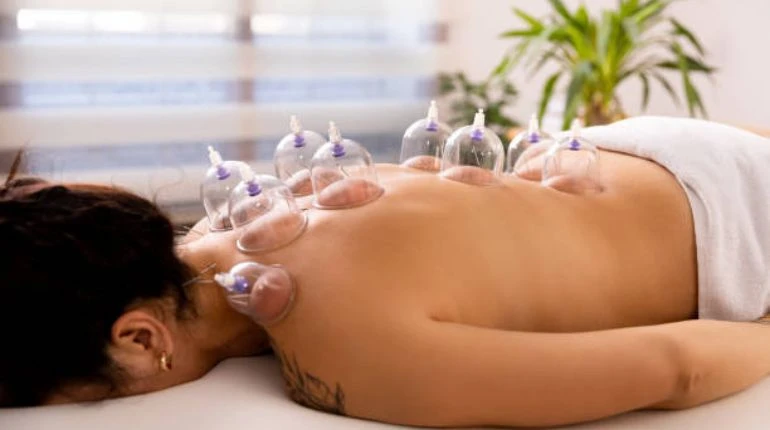

In recent years, cupping therapy has gained significant popularity as a natural and effective way to relieve pain, improve circulation, and promote overall wellness. Although it may look modern due to its growing presence in clinics and sports recovery routines, cupping therapy is actually an ancient healing technique that has been practiced for centuries.
Today, many people are exploring cupping therapy in Seawoods as a safe and non-invasive treatment option for various musculoskeletal issues. Whether you're dealing with chronic pain, muscle stiffness, or stress, understanding how cupping therapy works can help you decide if it’s the right treatment for you.
What Is Cupping Therapy?
Cupping therapy is a traditional treatment method that involves placing special cups on the skin to create suction. This suction helps to improve blood flow, reduce muscle tension, and promote healing in the targeted areas.
The therapy works by gently pulling the skin upward into the cup, which stimulates the underlying tissues, increases circulation, and encourages the body’s natural healing processes. It is widely used in physiotherapy clinics as a complementary treatment for pain management and recovery.
How Does Cupping Therapy Work?
Cupping therapy works through a combination of suction, circulation enhancement, and tissue stimulation. When the cups are placed on the skin, they create a vacuum effect. This suction:
- Increases blood flow to the affected area
- Relaxes tight muscles
- Reduces inflammation
- Promotes faster healing
- Helps remove toxins from the body
The improved circulation brings oxygen and nutrients to the tissues while removing waste products, which accelerates recovery. This is why many people seek cupping therapy in Seawoods for conditions like back pain, neck stiffness, and sports injuries.
Types of Cupping Therapy
There are several types of cupping therapy, each designed to address different health concerns. Understanding these types can help you choose the most suitable option.
1. Dry Cupping
This is the most common type of cupping therapy. It involves placing cups on the skin to create suction without any incisions. Dry cupping is primarily used for pain relief, muscle relaxation, and improving blood circulation.
2. Wet Cupping
Also known as Hijama, wet cupping involves making small incisions on the skin before applying the cups. This allows for the removal of a small amount of blood, which is believed to help detoxify the body. This method should always be performed by trained professionals.
3. Fire Cupping
In this traditional method, a flame is briefly used inside the cup to create suction before placing it on the skin. Fire cupping is known for its strong suction effect and is commonly used for deep muscle tension.
4. Moving Cupping
In this technique, oil is applied to the skin, and the cups are gently moved across the area. This combines the benefits of cupping and massage therapy, making it ideal for large muscle groups.
Benefits of Cupping Therapy
The growing popularity of cupping therapy is largely due to its wide range of health benefits. Let’s explore the key benefits of cupping therapy:
1. Pain Relief
Cupping therapy is highly effective in reducing chronic pain, especially in the back, neck, and shoulders. It helps relieve muscle tightness and improves flexibility.
2. Improved Blood Circulation
The suction created by the cups enhances blood flow, which promotes healing and reduces inflammation in affected areas.
3. Muscle Recovery
Athletes and fitness enthusiasts often use cupping therapy to speed up muscle recovery after intense workouts or injuries.
4. Stress Reduction
Cupping therapy has a calming effect on the nervous system, helping reduce stress and promote relaxation.
5. Detoxification
The therapy helps in removing toxins from the body by stimulating lymphatic drainage and improving circulation.
Who Can Benefit from Cupping Therapy?
Cupping therapy is suitable for a wide range of individuals, including:
- People with chronic pain conditions
- Individuals with muscle stiffness or tension
- Athletes recovering from injuries
- People experiencing stress or fatigue
- Individuals with poor blood circulation
If you are looking for the best cupping therapy in Seawoods, it is important to choose a qualified professional who understands your condition and tailors the treatment accordingly.
What to Expect During a Cupping Therapy Session
If you are planning to try cupping therapy for the first time, here’s what you can expect:
- Initial Consultation – The therapist will assess your condition and discuss your symptoms.
- Preparation – The treatment area will be cleaned, and oil may be applied if needed.
- Application of Cups – Cups will be placed on the skin to create suction.
- Duration – The cups are usually left in place for 5–15 minutes.
- Aftercare – You may notice circular marks on the skin, which fade within a few days.
These marks are not bruises but a sign of increased blood flow and toxin release.
Is Cupping Therapy Safe?
Cupping therapy is generally safe when performed by trained professionals. However, it is important to follow proper guidelines:
- Always consult a qualified therapist
- Avoid cupping on broken or inflamed skin
- Inform your therapist about any medical conditions
- Follow post-treatment care instructions
Choosing the best physiotherapist in Seawoods ensures that the therapy is performed safely and effectively, minimizing any risks.
Cupping Therapy and Physiotherapy: A Powerful Combination
Cupping therapy is often used alongside physiotherapy treatments to enhance results. While physiotherapy focuses on restoring movement and function, cupping therapy helps in reducing pain and muscle tightness.
This combination is particularly effective for:
- Sports injuries
- Chronic pain conditions
- Postural issues
- Muscle imbalances
Many clinics offering cupping therapy in Seawoods integrate it with physiotherapy to provide a holistic approach to healing.
How Often Should You Get Cupping Therapy?
The frequency of cupping therapy depends on your condition and treatment goals. Generally:
- Acute pain: 1–2 sessions per week
- Chronic conditions: Weekly or bi-weekly sessions
- Maintenance: Once a month
Your therapist will recommend a personalized treatment plan based on your needs.
Why Choose Professional Cupping Therapy?
While cupping kits are available for home use, professional treatment is always recommended. A trained therapist ensures:
- Proper technique
- Safe application
- Effective results
- Customized treatment plans
If you are searching for the best cupping therapy in Seawoods, choosing a reputable clinic with experienced professionals can make a significant difference in your recovery journey.
Final Thoughts
Cupping therapy is a time-tested treatment that continues to offer powerful benefits in modern healthcare. From pain relief and improved circulation to stress reduction and faster recovery, the benefits of cupping therapy make it a valuable addition to any wellness routine.
If you are dealing with persistent pain or looking for a natural healing method, exploring cupping therapy in Seawoods can be a great step toward better health. For optimal results, always consult the best physiotherapist in Seawoods who can guide you with the right treatment approach and ensure safe, effective care.
FAQs About Cupping Therapy
1. Is cupping therapy painful?
Cupping therapy is generally not painful. You may feel a mild pulling sensation, but it is usually relaxing and comfortable.
2. How long do cupping marks last?
The marks typically last between 3 to 7 days, depending on your skin type and circulation.
3. Can cupping therapy help with back pain?
Yes, cupping therapy is highly effective in relieving back pain by reducing muscle tension and improving blood flow.
4. Is cupping therapy safe for everyone?
While it is safe for most people, individuals with certain medical conditions should consult a professional before treatment.
5. Where can I get cupping therapy in Seawoods?
You can visit a trusted physiotherapy clinic offering cupping therapy in Seawoods to receive safe and effective treatment.
Source: What Is Cupping Therapy? Benefits, Types, and How It Works

























Sign in to leave a comment.