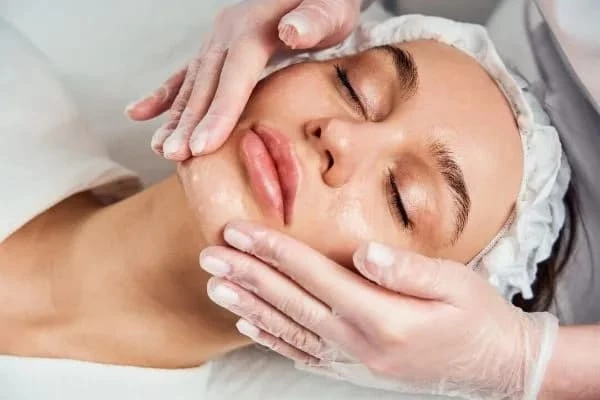

In an age where appearance often plays a pivotal role in self-esteem and confidence, skin health has become a significant concern for many individuals. Among the myriad of skin issues that plague people, pigmentation stands out as a common yet distressing problem. From sunspots to melasma, uneven skin tone can lead to feelings of insecurity and dissatisfaction. Luckily, advancements in dermatological science have produced a variety of pigmentation removal treatments that effectively restore an even, glowing complexion. This article delves deep into the causes of pigmentation, the variety of treatments available, and how they contribute to achieving that coveted radiant skin.
Understanding Pigmentation: Causes and Types
To appreciate the significance of pigmentation removal treatments, one must first understand what pigmentation actually is. Pigmentation refers to the coloring of the skin, determined largely by a pigment called melanin. Factors such as genetics, sun exposure, hormonal changes, and even certain medications can lead to an overproduction or irregular distribution of melanin, resulting in various pigmentation disorders.
One of the most common types of pigmentation is hyperpigmentation, which manifests as dark patches or spots on the skin. This condition can arise from several sources such as prolonged sun exposure, which triggers the skin to produce more melanin as a natural defense mechanism. Another common culprit is hormonal changes, often seen in women during pregnancy, resulting in what is known as the "mask of pregnancy" or melasma. Post-inflammatory hyperpigmentation can occur after acne or injuries to the skin, leaving dark spots even after the initial wound has healed.
Understanding these causes is crucial because it allows individuals to choose the most effective treatment for their specific type of pigmentation. By targeting the underlying issues, pigmentation removal treatments can provide lasting results and help restore skin health.
The Role of Pigmentation Removal Treatments
The goal of pigmentation removal treatments is not merely cosmetic; these procedures aim to restore balance and health to the skin by addressing the root causes of pigmentation. Various methods are available, each tailored to meet different skin types and pigmentation issues.
Topical Treatments
One of the most accessible forms of pigmentation removal is through topical treatments. These include creams and serums that contain active ingredients such as hydroquinone, retinoids, and vitamin C. Hydroquinone is a potent skin-lightening agent that inhibits melanin production, while retinoids promote cell turnover, helping to fade dark spots over time. Vitamin C is celebrated for its antioxidant properties and its ability to brighten the skin, making it a popular choice for those looking to achieve an even tone.
While these topical treatments can be effective, they often require consistent application over several weeks or months. Patience is key, as results may not be immediate. However, many individuals find that the gradual improvement is well worth the wait, as it allows the skin to heal naturally without the potential harsh side effects associated with more invasive procedures.
Chemical Peels
For those seeking quicker results, chemical peels offer an effective alternative. These treatments involve applying a chemical solution to the skin, which exfoliates the top layers and encourages new skin growth. Depending on the strength of the peel, patients can experience varying degrees of downtime and recovery. Superficial peels may be suitable for mild pigmentation issues, while deeper peels can address more stubborn cases.
Chemical peels work by removing damaged skin cells and stimulating the production of collagen, leading to smoother, more even-toned skin. Many patients report immediate improvement in texture and tone following a peel, although multiple sessions may be required for optimal results.
Laser Treatments
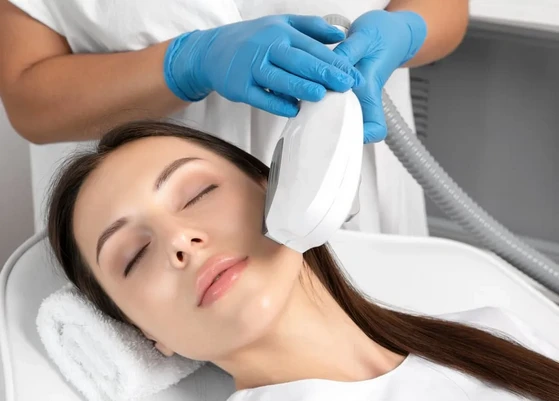
Among the most advanced options for pigmentation removal are laser treatments. These procedures utilize focused light energy to target and break down melanin deposits in the skin. Fractional laser therapy and Q-switched lasers are two popular modalities used to treat pigmentation. Fractional lasers create micro-injuries in the skin, promoting healing and collagen production, while Q-switched lasers specifically target pigment without harming surrounding tissue.
Laser treatments are highly effective and can yield significant results in just a few sessions. However, they require careful consideration and should be performed by qualified professionals to minimize risks and ensure optimal outcomes. Patients may experience temporary redness or swelling post-treatment, but these side effects typically resolve quickly.
Microneedling
Another promising approach in the realm of pigmentation removal is microneedling. This technique involves using a device with fine needles to create micro-injuries in the skin, stimulating collagen production and enhancing product absorption. When combined with topical treatments, microneedling can amplify their effectiveness, helping to fade pigmentation more rapidly.
The beauty of microneedling lies in its versatility; it can address various skin concerns beyond pigmentation, including fine lines, acne scars, and overall texture. Many individuals appreciate that this treatment encourages the skin's natural healing processes, leading to a refreshed and rejuvenated appearance.
The Importance of Aftercare and Maintenance
While pigmentation removal treatments can significantly improve the appearance of the skin, it is essential to remember that aftercare plays a crucial role in maintaining results. Protecting the skin from sun exposure is paramount, as UV rays can exacerbate pigmentation issues. Using a broad-spectrum sunscreen daily and wearing protective clothing can help prevent new spots from forming.
Moreover, individuals should consider incorporating a consistent skincare routine that includes gentle exfoliation and hydrating products. This not only supports overall skin health but also enhances the longevity of treatment results. Consulting with a skincare professional can provide personalized recommendations tailored to individual skin types and concerns.
Conclusion: Embrace Your Journey to Radiant Skin
In a world where first impressions matter, achieving an even, glowing complexion can profoundly impact one's self-esteem and confidence. The array of pigmentation removal treatments available today offers hope for those struggling with uneven skin tones. Whether through topical solutions, chemical peels, laser treatments, or microneedling, individuals can find a method that suits their unique needs and lifestyle.
For those ready to take the next step in their skincare journey, professional guidance is invaluable. Este Medical Group stands ready to assist with tailored solutions that address your pigmentation concerns and help you achieve the radiant skin you deserve. Take action today and embrace a future where your skin reflects your inner beauty!





























Sign in to leave a comment.