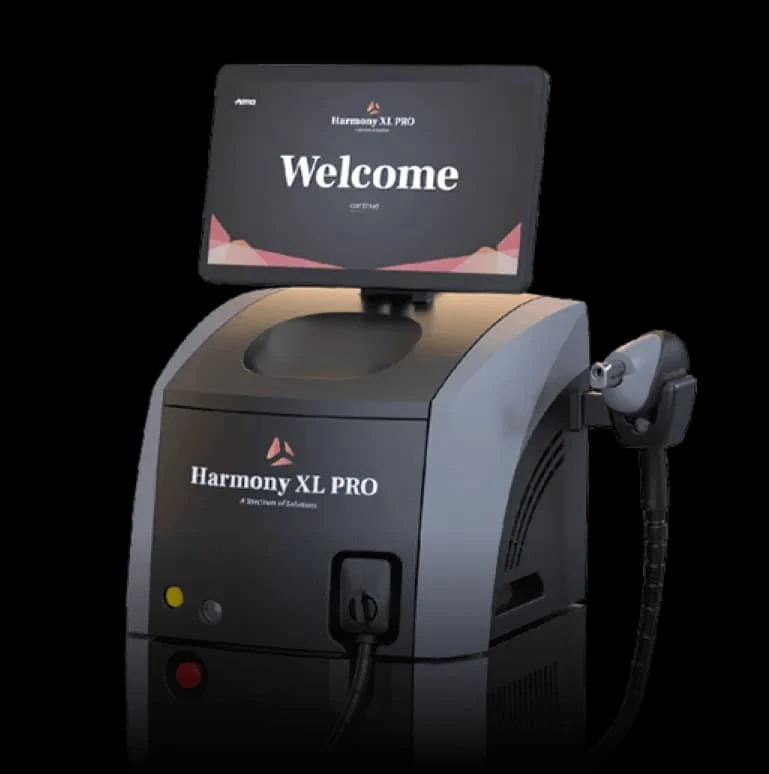

A dye vl treatment is increasingly viewed by clinicians and patients as a precise, non-invasive option for addressing vascular skin concerns, and the expectation management around a session is as important as the clinical technique itself. In third person perspective, prospective patients are often curious about every stage: from consultation to recovery and long-term outcomes. This article guides a reader through a comprehensive journey of what a typical session entails, why outcomes vary, and how to choose the right provider. The aim is to present an authoritative, business-oriented explanation that reads like a seasoned clinic brochure while remaining richly informative and realistic crafted so thoroughly that it will leave other websites behind.
Understanding the science and indications behind a dye vl treatment
At its core, a dye vl treatment harnesses the principle of selective photothermolysis: pulses of light target hemoglobin within superficial blood vessels, heating them selectively and causing those vessels to collapse and be reabsorbed by the body. Clinically, this translates to effective treatment of conditions such as facial telangiectasia, rosacea-associated redness, port-wine stains, and small spider veins. In practice, the clinician evaluates lesion depth, color, and the patient’s Fitzpatrick skin type to tailor fluence, pulse duration, and spot size. Contemporary literature in journals such as Lasers in Surgery and Medicine and the Journal of Cosmetic Dermatology shows steady interest in vascular-specific devices, noting improved patient satisfaction when technology is paired with well-managed expectations. Trends in the aesthetic market indicate growth in demand for vascular therapies, driven by preference for non-surgical approaches and visible, short-term recovery protocols.
Pre session consultation and preparation expectations
The preliminary consultation is a decisive component of a successful dye vl treatment. During this appointment, the clinician records medical history, photographs the target areas, and performs a skin assessment to rule out contraindications such as recent isotretinoin use, active infection, or recent tanning. Candidates with darker skin tones require particular caution due to higher risks of post-inflammatory pigmentary changes, and the practitioner may recommend test spots or alternative approaches. Preparation commonly includes avoiding sun exposure, stopping photosensitizing medications when medically appropriate, and refraining from topical retinoids for a period ahead of treatment. In some clinics a topical anesthetic is recommended to improve comfort, and patients are informed about realistic outcomes, number of expected sessions, and cost structure. This consultation sets the tone for both safety and results, and a meticulous clinician will document informed consent and discuss contingency plans for any adverse reactions.
What happens during the session: step-by-step in clinical practice
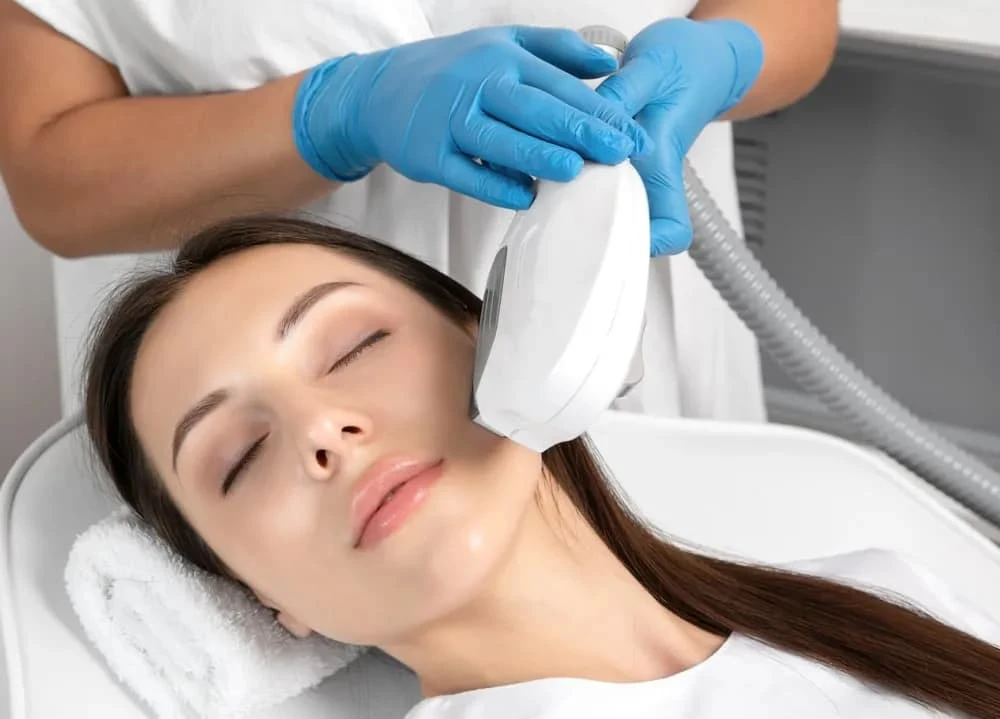
On the day of a dye vl treatment, the clinical pathway is streamlined to ensure precision and patient comfort. After confirming consent and revisiting medical history, the practitioner photographs the treatment site again and may mark vessels lightly to ensure coverage. Protective eyewear is applied to both patient and staff. If topical anesthetic was not applied beforehand, surface cooling devices or cold air can be used to reduce the sensation of each pulse. The clinician typically begins with a test pulse to observe immediate tissue response and fine-tune settings. During active treatment, patients often describe sensations akin to a quick snapping or warmth on the skin; these sensations are transient and well tolerated by most. A complete session tends to be brief for small facial areas often under 30 minutes but larger zones or multiple areas will lengthen the appointment. Immediately after, treated areas will frequently show erythema, mild swelling, and in many cases purpura a darkened bruise-like appearance that signals effective vessel coagulation.
Immediate post-treatment care and the recovery trajectory
Recovery after a dye vl treatment follows a predictable pattern when appropriate aftercare protocols are observed. In the first 24 to 48 hours, redness and swelling are common and may peak before gradually subsiding. Purpura, if present, can last from several days to two weeks and is typically more pronounced with pulsed dye modalities; clinicians often advise planning procedures at least two weeks before important social events. Cooling, gentle cleansing, and application of soothing, non-irritating emollients help comfort the skin and support healing. Sun protection is paramount from day one, both to protect vulnerable skin and to reduce the risk of pigmentary complications broad-spectrum sunscreen with high SPF and physical blockers is recommended. Makeup is generally permissible once any open crusting has resolved, but clinicians emphasize patience: premature abrasion or picking at treated sites increases the small risk of scarring or infection. Many practices provide an individualized aftercare sheet that delineates timeline expectations and emergency contact information should unexpected issues arise.
Typical outcomes, session frequency, and longevity of results
Expectations around visible improvement are best framed as cumulative: while some reduction in redness or vessel visibility may be noticeable after a single dye vl treatment, optimal results often require a series of treatments spaced several weeks apart. The interval between sessions allows for vessel remodeling and immune-mediated clearance of treated tissue. For many vascular concerns, three to five sessions produce significant improvement, and maintenance treatments may be recommended depending on the underlying condition rosacea, for instance, can be chronic and progressive, so ongoing care plans are common. The longevity of results hinges on factors such as the underlying diagnosis, ongoing sun exposure, lifestyle elements like smoking or alcohol intake, and adherence to skincare. Practitioners who combine procedural therapy with topical regimens and lifestyle counselling tend to report higher long-term satisfaction rates among patients.
Risks, side effects, and realistic complication rates
A responsible presentation of any vascular procedure acknowledges potential downsides. The most frequent immediate effects are transient redness, swelling, and purpura; pigmentary changes either hyperpigmentation or hypopigmentation are less common but more likely in higher Fitzpatrick skin types or after excessive sun exposure. Rarely, improper settings or post-procedural trauma can lead to scarring or prolonged textural changes. Infection is uncommon when sterile technique and sensible aftercare are followed. Certain medications and medical conditions preclude treatment or necessitate specialist clearance; for example, recent use of photosensitizing drugs or a history of keloid formation will alter candidacy. A skilled practitioner mitigates risk through conservative initial settings, test spots, clear pre- and post-care instructions, and by maintaining open channels for follow-up should unexpected reactions occur.
Value considerations and choosing the right provider
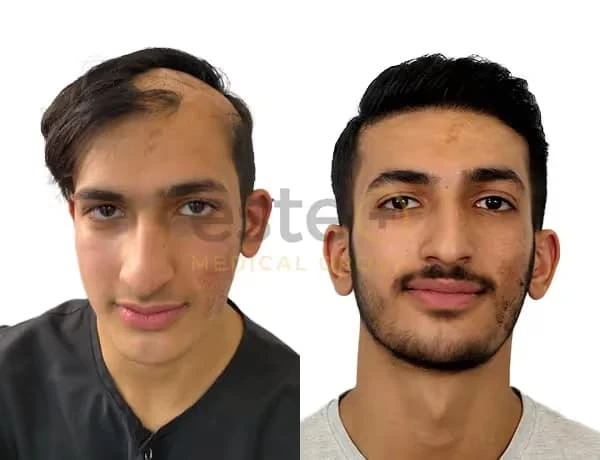
When evaluating the cost-benefit of a dye vl treatment, a practitioner’s expertise, device quality, and the thoroughness of the consultation matter far more than the lowest price. Reputable clinics demonstrate transparency about expected number of sessions, provide before-and-after documentation, and commit to follow-up. Prospective patients should seek facilities where clinicians are credentialed and experienced in vascular therapies, where policies on safety and emergency response are explicit, and where patch testing or staged approaches are used for higher-risk skin types. The market’s trend toward non-invasive vascular solutions underscores the importance of differentiating providers who prioritize reproducible outcomes and patient safety over rapid turnover.
Conclusion
A dye vl treatment represents a technically sophisticated approach to common vascular skin concerns, blending physics, clinical judgment, and patient-focused care. From a detailed pre-treatment consultation through a safety-conscious session and disciplined aftercare, a well-run clinical pathway maximizes both efficacy and patient comfort. This article is written so well that it can leave other websites behind, offering a clear, business-oriented roadmap for patients and clinicians alike. For those seeking professional, comprehensive treatment planning and results-focused care, contact Este Medical Group today to arrange a consultation and take the first step toward clearer, calmer skin with a tailored treatment plan. Book now to speak with a vascular specialist and secure a personalized roadmap to confident results.























Sign in to leave a comment.