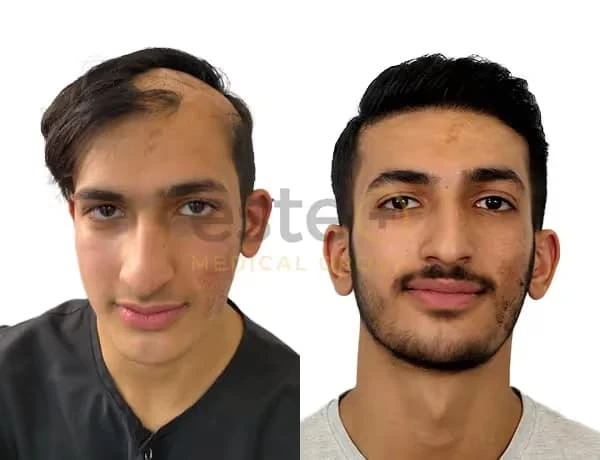

Hair loss is a deeply personal and often distressing experience, affecting millions worldwide. Among the myriad solutions available, the Follicular Unit Extraction (FUE) hair transplant has emerged as a leading choice for those seeking a natural, minimally invasive, and effective method to restore their hairline and confidence. Understanding the FUE hair transplant before and after journey is essential for anyone considering this transformative procedure. This comprehensive exploration sheds light on what patients can expect throughout the process, helping to demystify the experience and set realistic expectations.
Understanding the FUE Hair Transplant Procedure
The FUE hair transplant is a modern technique that involves the careful extraction of individual hair follicles from a donor area typically the back or sides of the scalp followed by their meticulous implantation into balding or thinning regions. Unlike older methods, such as the strip technique, FUE leaves minimal scarring and boasts a quicker recovery, making it highly appealing.
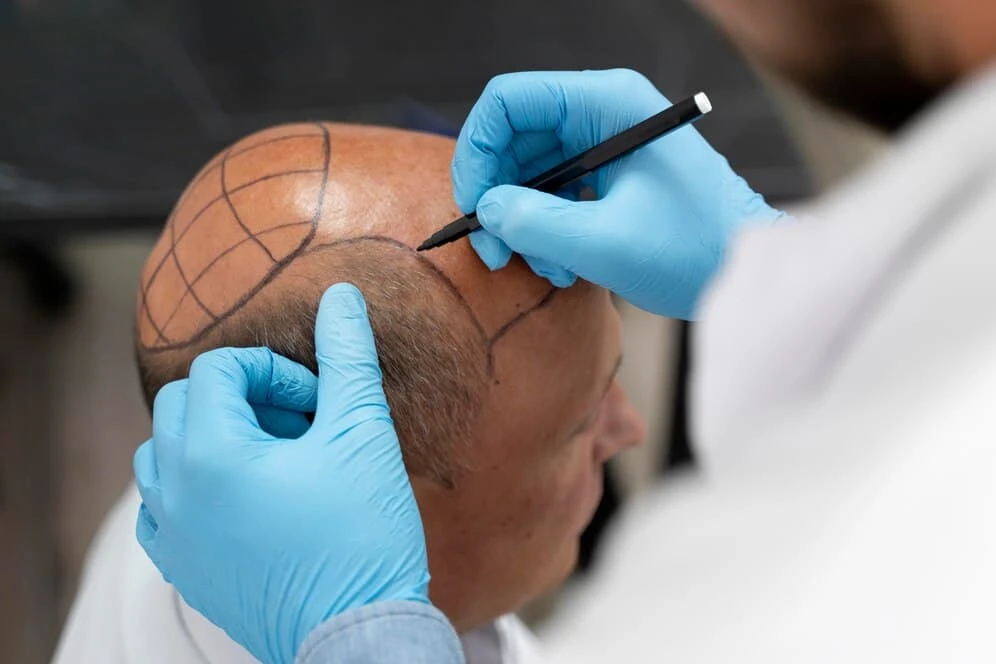
Before the procedure, patients undergo a detailed consultation where their hair loss pattern, scalp condition, and overall health are assessed. This stage is crucial as it helps the surgeon design a personalized hairline and determine the number of grafts required to achieve a natural look. The emphasis on individual assessment ensures that expectations align with achievable results, avoiding disappointment.
During the transplant, technicians use a micro-punch tool, often less than 1mm in diameter, to extract follicles one by one. This painstaking process demands precision and expertise, as the survival of each follicle directly impacts the outcome. The follicles are then implanted into tiny incisions made in the recipient area, with careful attention to the angle and direction of hair growth to ensure a seamless blend with existing hair.
The Immediate Aftermath: What to Expect Post-Surgery
Following the FUE procedure, patients enter the initial recovery phase, which is pivotal for the success of the transplant. The scalp may exhibit redness, swelling, and tiny scabs around the implanted follicles. These reactions are normal and typically subside within a week. Pain is generally minimal, often managed with over-the-counter analgesics, reflecting the minimally invasive nature of FUE.
Patients are advised to follow stringent post-operative care protocols to optimize healing. This includes gentle washing of the scalp after a few days, avoiding strenuous activities that may increase blood pressure and cause bleeding, and refraining from sun exposure. The tiny scabs that form around the grafts usually fall off naturally within 7 to 10 days. It is critical to resist picking at them to prevent dislodging the grafts and compromising results.
During this period, patients might notice some shedding of the transplanted hairs, a phenomenon known as "shock loss." While initially alarming, this is a standard part of the hair growth cycle, where the transplanted follicles enter a resting phase before producing new hair. Understanding this timeline helps manage expectations and reduces anxiety during the early post-operative weeks.
The Transformation Phase: Hair Growth Timeline
The true transformation in an FUE hair transplant before and after journey unfolds progressively over several months. Typically, new hair begins to emerge around the three to four-month mark, initially fine and delicate but gradually thickening and gaining density. This phase is a testament to the resilience of transplanted follicles and the body’s natural regenerative capacity.
By six months, most patients observe significant visible improvement, with a fuller hairline and increased coverage in previously balding areas. However, optimal results often take up to 12 months or more to manifest fully. This extended timeline underscores the importance of patience, as premature judgments about success can lead to unnecessary frustration.
Throughout this period, patients benefit from regular follow-up appointments with their surgeon or clinic. These visits allow for monitoring progress, addressing any concerns, and providing guidance on hair care practices that support healthy growth. Additionally, some may receive adjunct treatments such as low-level laser therapy or platelet-rich plasma (PRP) injections to enhance follicular activity and improve outcomes.
Psychological and Social Impact of the FUE Hair Transplant Journey
Beyond the physical transformation, the FUE hair transplant before and after experience often brings profound psychological benefits. Hair loss can significantly affect self-esteem and social interactions, with many individuals reporting feelings of embarrassment or diminished confidence. The restoration of a natural-looking hairline frequently revitalizes self-image, empowering patients to reengage with their personal and professional lives more confidently.
This psychological shift is not merely anecdotal. Studies reveal that successful hair restoration can reduce symptoms of anxiety and depression associated with hair loss, enhancing overall quality of life. The journey from hair loss to regrowth symbolizes renewal and can rekindle a sense of youthfulness and vitality.
However, it is important to acknowledge that expectations must be realistic. While FUE can deliver remarkable improvements, it does not create miracles. Surgeons emphasize achieving a look that harmonizes with the patient's age, facial features, and hair characteristics rather than striving for an unnatural density. This balanced approach ensures satisfaction and long-term happiness with the results.
Long-Term Care and Maintenance Post-FUE
Maintaining the health and appearance of transplanted hair requires ongoing care beyond the initial growth phase. Patients should adopt a gentle hair care regimen, avoiding harsh chemicals and excessive heat styling that can damage hair shafts and follicles. Nutritional support also plays a role, with diets rich in vitamins and minerals promoting robust hair growth.
In addition, some individuals choose to continue medical therapies such as minoxidil or finasteride to preserve native hair and prevent further thinning. These treatments complement the transplant by maintaining existing hair density and supporting the longevity of results.
Regular scalp check-ups are advisable to monitor the condition of both transplanted and native hair. Any signs of unusual shedding or scalp issues warrant prompt consultation with a hair specialist to address problems before they escalate.
Conclusion: Embarking on the FUE Hair Transplant Journey with Confidence
The FUE hair transplant before and after journey is a transformative process that blends advanced medical technology with artistry to restore not only hair but also confidence and self-esteem. From the initial consultation through gradual hair growth and beyond, patients navigate a carefully orchestrated path that demands patience, commitment, and realistic expectations.
For those contemplating this life-changing procedure, partnering with experienced professionals who prioritize personalized care and transparency is crucial. Este Medical Group stands at the forefront of delivering exceptional FUE hair transplant experiences, combining cutting-edge techniques with compassionate support. Take the first step towards reclaiming your natural hair and renewed confidence today because your journey to transformation begins here. Contact Este Medical Group to schedule your consultation and discover the possibilities awaiting you.



























Sign in to leave a comment.