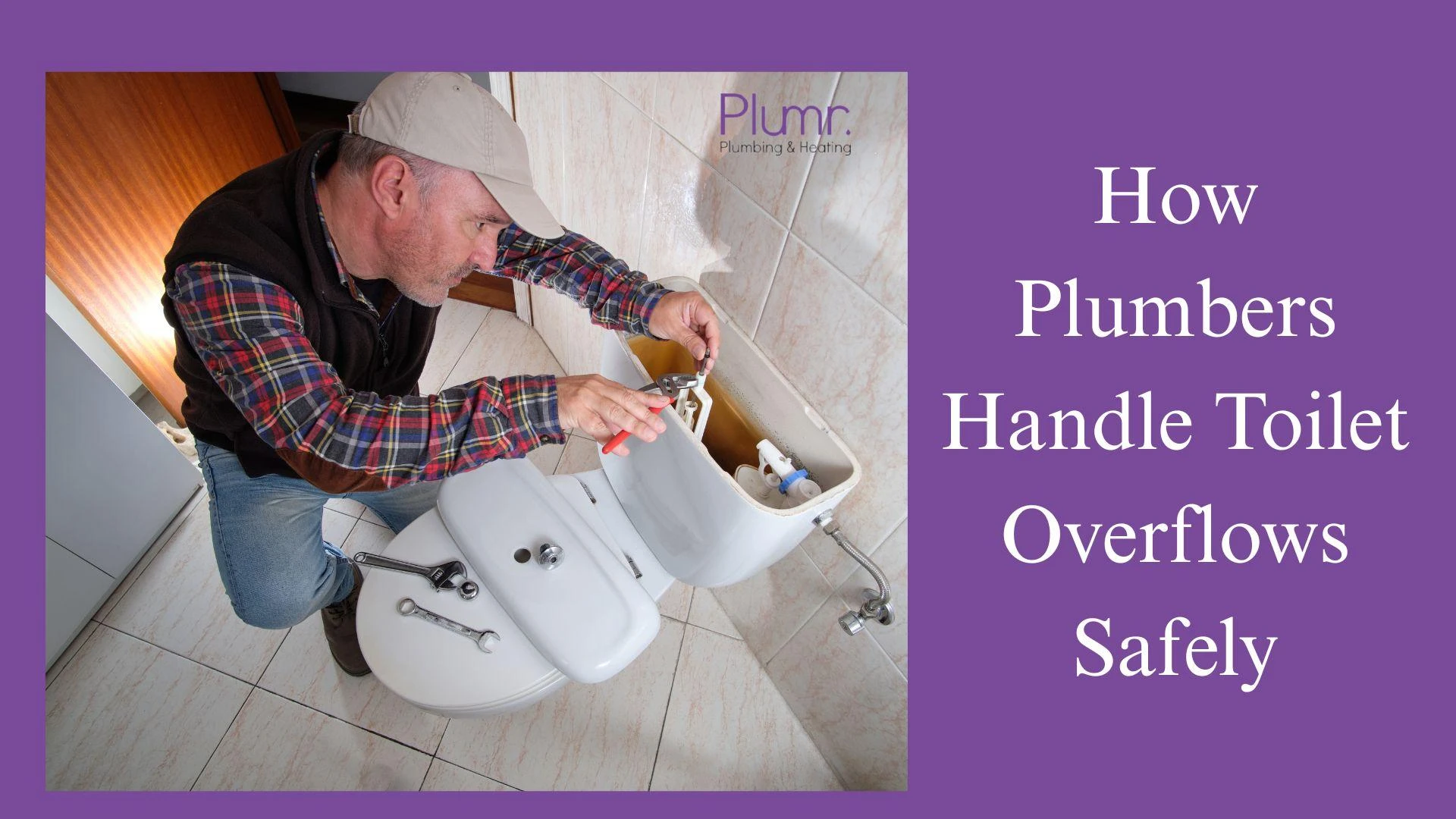

A toilet overflow can be one of the most stressful plumbing emergencies for homeowners. The situation not only disrupts daily life but can also lead to significant water damage, unpleasant odors, and potential health hazards. While some minor clogs can be managed with a plunger, more severe cases require the expertise of a toilet plumber. Trained professionals know how to handle these emergencies safely and efficiently, preventing long-term damage and ensuring your bathroom is restored to proper working order.
Common Causes of Toilet Overflows
Before looking at how plumbers address the problem, it’s important to understand the typical causes of overflows:
- Clogged drains: Accumulated waste, paper products, or foreign objects can block water flow.
- Faulty toilet components: Malfunctioning float valves, fill valves, or flapper issues can cause improper flushing.
- Sewer line problems: Tree root intrusion, collapsed pipes, or mainline blockages may trigger repeated backups.
- Excessive flushing: Flushing non-flushable items like wipes, feminine hygiene products, or paper towels can lead to overflow.
A skilled toilet plumber identifies the exact cause before implementing a safe and lasting solution.
Immediate Steps a Toilet Plumber Takes
When faced with an overflowing toilet, plumbers follow a structured process to minimize damage:
1. Stopping the Water Supply
The first step is to turn off the water at the shut-off valve located behind or near the toilet. This prevents further flooding and protects surrounding areas.
2. Assessing the Situation
The plumber inspects the toilet bowl, tank, and surrounding plumbing fixtures to identify whether the issue lies within the toilet itself or deeper in the drainage system.
3. Using Professional Tools
Unlike homeowners who may rely solely on plungers, plumbers use specialized equipment such as:
- Augers (plumber’s snake): Breaks through clogs in the toilet trap or drain line.
- High-pressure water jets: Clears blockages in sewer lines safely.
- Cameras: Allows plumbers to inspect deep inside pipes and detect hidden issues.
4. Cleaning and Disinfecting
Overflow water may contain harmful bacteria. Plumbers ensure affected areas are cleaned and sanitized to reduce health risks.
Handling Severe Cases
In situations where the problem stems from the main sewer line or septic system, a toilet plumber may take additional steps:
- Sewer line inspection: Using video equipment to locate blockages or damage.
- Root removal: Cutting through tree roots that may have invaded pipes.
- Pipe repair or replacement: In cases of collapsed or severely damaged lines.
By addressing the root cause, plumbers not only fix the overflow but also prevent recurring problems.
Safety Precautions During Overflow Emergencies
Professional plumbers are trained to follow strict safety guidelines when handling toilet overflows:
- Wearing protective gloves, boots, and sometimes masks to avoid contact with contaminated water.
- Using disinfectants to sanitize tools and the affected area.
- Ensuring that electrical outlets or devices near the flooded area are turned off to prevent accidents.
These precautions safeguard both the plumber and the household from potential hazards.
Preventing Future Toilet Overflows
Prevention is always better than dealing with an emergency. Plumbers often share the following maintenance tips with homeowners:
- Avoid flushing non-degradable items. Only toilet paper should go down the drain.
- Schedule regular inspections. Professional checks can spot small issues before they become major problems.
- Install modern toilet fixtures. Newer models are designed for efficient flushing and fewer clogs.
- Be mindful of tree roots. If you have large trees near your sewer line, periodic inspections can prevent root blockages.
Final Thoughts
A toilet overflow may seem overwhelming, but with the right help, it can be handled quickly and safely. A toilet plumber not only resolves the immediate issue but also identifies the underlying cause to prevent future problems. By relying on expert solutions and following preventative practices, homeowners can keep their bathrooms functioning smoothly and avoid costly damage.


























Sign in to leave a comment.