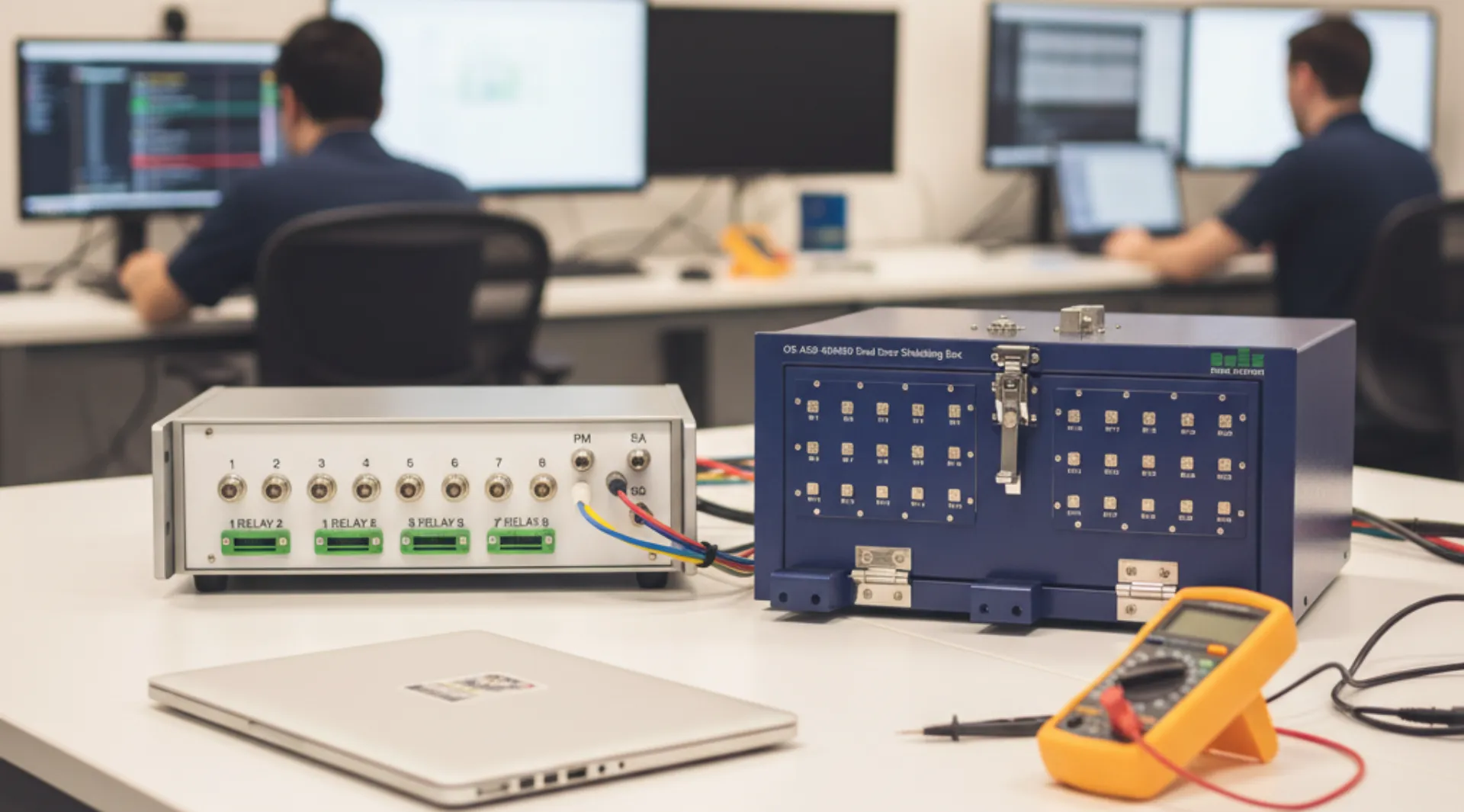

As we move deeper into 2026, data centers have become the backbone of everything—from cloud computing and AI workloads to streaming, banking, and global communications. With increasing demand for uptime, scalability, and energy efficiency, even the smallest component can have a major impact on overall performance. Among these critical components, power switches play a surprisingly vital role.
Modern data centers are no longer just storage hubs—they are dynamic, high-density environments where reliability is non-negotiable. A single power disruption can lead to downtime, data loss, and financial setbacks. This is why organizations are investing in smarter, more efficient infrastructure, where intelligent power management solutions ensure uninterrupted operations.
Key Takeaways
- Power switches are essential for maintaining uptime and operational stability in data centers
- They enable efficient power distribution, monitoring, and fault management
- Advanced features improve scalability, automation, and energy efficiency
- Choosing the right solution reduces downtime risks and operational costs
- Proper implementation enhances long-term reliability and performance
The Growing Importance of Power Infrastructure in Data Centers
With the rise of AI-driven applications, IoT ecosystems, and hyperscale computing, data centers are handling more power than ever before. This increased demand brings challenges such as heat management, energy efficiency, and system reliability.
At the core of this infrastructure lies the ability to control and distribute power effectively. This is where power switches become indispensable. They act as the control point between power sources and critical equipment, ensuring that electricity flows efficiently and safely across the entire system.
What Are Power Switches and How Do They Work?
Power switches are devices used to control the flow of electrical power within a system. In data centers, they are responsible for turning equipment on or off, managing load distribution, and protecting systems from faults or overloads.
Unlike traditional switches, modern power switches come equipped with intelligent features such as remote monitoring, automation, and real-time analytics. These capabilities allow operators to manage power systems proactively rather than reactively.
Key Challenges in Data Center Power Management
Before understanding the benefits, it's important to recognize the challenges data centers face:
1. Downtime Risks
Even a few seconds of downtime can lead to significant losses. Unplanned outages often stem from poor power management or equipment failure.
2. Increasing Energy Consumption
Data centers consume massive amounts of electricity. Inefficient power distribution can lead to energy waste and higher operational costs.
3. Complex Infrastructure
Modern data centers involve thousands of interconnected devices. Managing power across such a complex system requires precision and control.
4. Scalability Issues
As businesses grow, their data center needs expand. Power systems must be flexible enough to scale without major redesigns.
How Power Switches Solve These Challenges
Reliable Power Distribution
One of the primary roles of power switches is to ensure consistent and balanced power distribution. By preventing overloads and managing electrical flow, they help maintain system stability.
Enhanced Monitoring and Control
Advanced power switches provide real-time insights into power usage, voltage levels, and system health. This visibility allows operators to detect issues early and take corrective action before they escalate.
Improved Fault Isolation
In case of a failure, power switches can isolate the affected section without disrupting the entire system. This minimizes downtime and ensures continuous operation.
Automation and Remote Management
Automation is a game-changer in modern data centers. With intelligent power switches, administrators can remotely control systems, schedule operations, and automate responses to specific conditions.
Key Features to Look for in Power Switches
1. Intelligent Monitoring Capabilities
Look for switches that offer real-time data tracking, alerts, and analytics. This helps in proactive maintenance and performance optimization.
2. Scalability and Flexibility
Your solution should adapt to growing infrastructure needs without requiring significant changes.
3. Energy Efficiency
Energy-efficient power switches reduce operational costs and support sustainability goals.
4. High Reliability and Redundancy
Redundant systems ensure that even if one component fails, operations continue without interruption.
5. Integration with Existing Systems
Seamless integration with data center management software enhances overall efficiency and control.
Benefits of Using Power Switches in Data Centers
Minimized Downtime
By ensuring stable power flow and quick fault isolation, power switches significantly reduce the risk of outages.
Cost Optimization
Efficient power management leads to lower energy consumption and reduced operational expenses.
Enhanced Operational Efficiency
Automation and remote control capabilities streamline processes and reduce manual intervention.
Better Resource Utilization
Power switches help distribute load effectively, ensuring optimal use of available resources.
Improved Safety
By preventing overloads and electrical faults, they contribute to a safer working environment.
Best Practices for Implementing Power Switches
Conduct a Thorough Needs Assessment
Understand your current and future power requirements before selecting a solution.
Prioritize Redundancy
Always design systems with backup mechanisms to avoid single points of failure.
Invest in Smart Technology
Choose power switches with advanced monitoring and automation features for better control.
Regular Maintenance and Testing
Routine checks ensure that systems perform optimally and reduce the risk of unexpected failures.
Train Your Team
Ensure that your team understands how to operate and manage the system effectively.
Future Trends in Data Center Power Management
The future of data centers is driven by automation, AI, and sustainability. Power switches are evolving to support these trends by offering smarter analytics, predictive maintenance, and integration with AI-driven management systems.
Green data centers are also becoming a priority, with energy-efficient technologies playing a key role. As a result, power switches are being designed to optimize energy usage while maintaining high performance.
Frequently Asked Questions (FAQs)
1. Why are power switches important in data centers?
Power switches ensure reliable power distribution, prevent overloads, and help maintain uptime, which is critical for data center operations.
2. How do power switches improve energy efficiency?
They optimize power flow, reduce energy waste, and provide insights into usage patterns, helping organizations make informed decisions.
3. Can power switches be automated?
Yes, modern power switches support automation, allowing remote control, scheduling, and intelligent responses to system conditions.
4. What features should I look for in power switches?
Key features include monitoring capabilities, scalability, energy efficiency, reliability, and integration with existing systems.
5. How do power switches help prevent downtime?
They detect issues early, isolate faults, and maintain stable power flow, reducing the chances of system-wide failures.
Upgrade Your Data Center Reliability with Smart Power Solutions
As data centers continue to evolve, investing in the right power infrastructure is essential for long-term success. Advanced power switches not only ensure reliability but also enhance efficiency, scalability, and control.
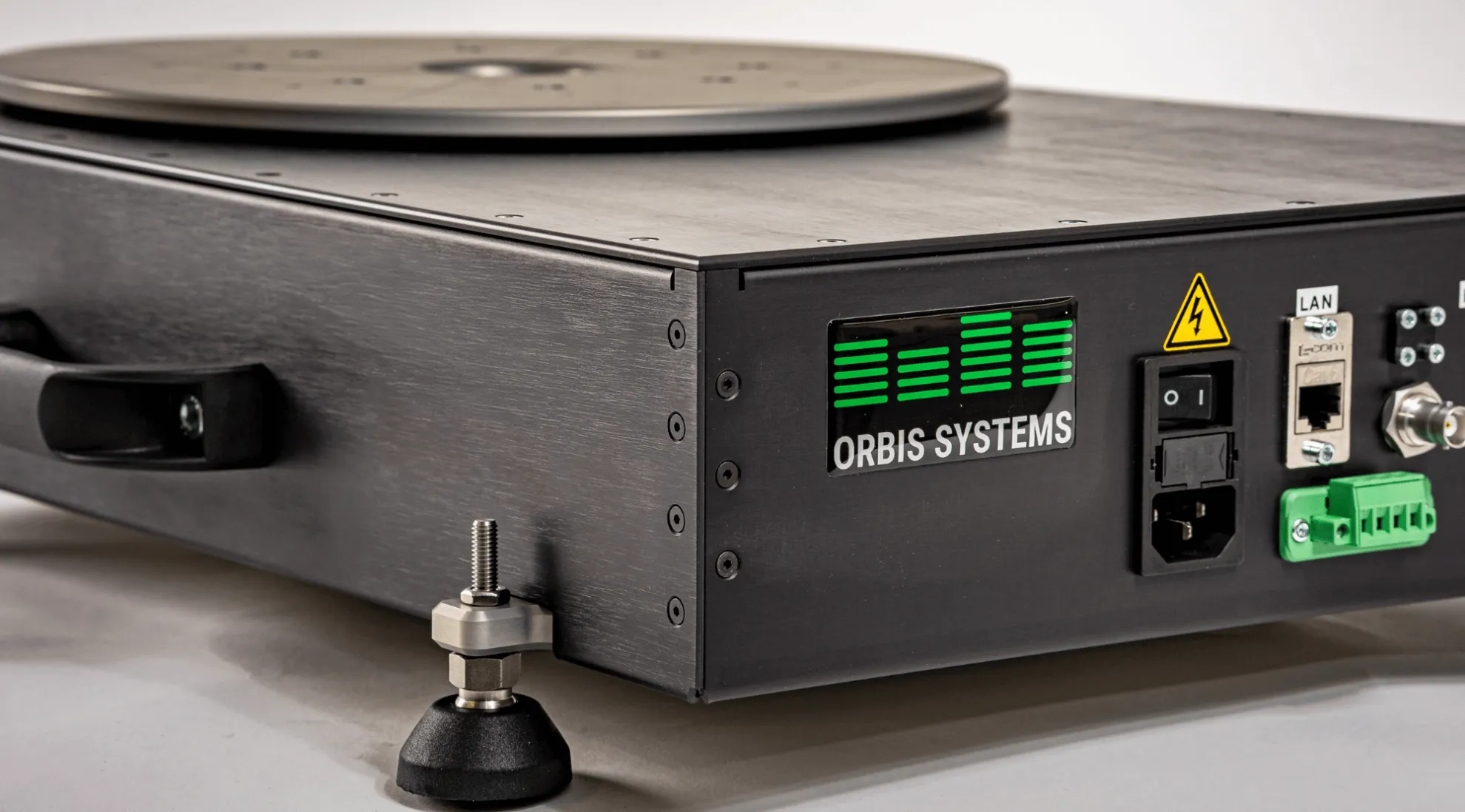
Organizations looking to stay ahead in this competitive landscape should prioritize intelligent, future-ready solutions that support growing demands. With a strong focus on innovation and performance, Orbis Systems delivers advanced testing and system solutions that empower businesses to build resilient and efficient data center operations.
























Sign in to leave a comment.