

The global rollout of 5G is no longer a future promise it’s a present-day transformation shaping how industries operate, communicate, and innovate. In 2026, telecom networks are expected to handle unprecedented data volumes, ultra-low latency applications, and billions of connected devices. From smart cities and autonomous vehicles to industrial automation and IoT ecosystems, the demand for reliable, high-performance connectivity has never been higher.
At the heart of this transformation lies a critical but often overlooked process: 5G Base Station Testing. Without rigorous testing, even the most advanced infrastructure can suffer from performance gaps, interference issues, or compliance failures. As telecom operators race to expand coverage and improve network quality, testing has become the backbone of dependable and scalable 5G infrastructure.
Key Takeaways
- 5G base station testing plays a vital role in ensuring network reliability, speed, and performance.
- It helps identify interference, coverage gaps, and hardware inefficiencies early in deployment.
- Advanced testing supports compliance with global telecom standards and regulations.
- Optimized testing strategies lead to better user experience and long-term cost savings.
- Investing in robust testing solutions future-proofs telecom infrastructure.

Understanding the Role of Testing in 5G Infrastructure
5G networks are significantly more complex than previous generations. They rely on technologies such as massive MIMO, beamforming, and millimeter-wave frequencies. These innovations enable faster speeds and lower latency but also introduce new challenges in signal propagation and network stability.
This is where 5G Base Station Testing becomes essential. It ensures that each base station performs optimally under real-world conditions. Testing validates signal strength, coverage consistency, and data throughput, ensuring that users experience seamless connectivity regardless of location.
Without proper validation, even minor issues can escalate into widespread network inefficiencies, affecting everything from mobile connectivity to mission-critical applications.
Why Telecom Infrastructure Quality Depends on Testing
The quality of telecom infrastructure directly impacts user satisfaction, operational efficiency, and business growth. Poorly tested base stations can lead to dropped calls, slow data speeds, and inconsistent coverage.
Testing helps telecom providers:
- Detect and eliminate interference issues
- Ensure consistent signal quality across different environments
- Validate hardware and software integration
- Maintain compliance with international standards
In a competitive telecom landscape, infrastructure quality is a key differentiator. Networks that undergo rigorous testing are better equipped to deliver reliable and high-speed connectivity.
Key Challenges in 5G Base Station Testing
While testing is essential, it comes with its own set of challenges. The complexity of 5G networks makes testing more demanding than ever before.
1. High-Frequency Signal Behavior
Millimeter-wave frequencies used in 5G are highly sensitive to obstacles such as buildings, weather conditions, and even human movement. Accurately testing these signals requires controlled environments and advanced tools.
2. Dense Network Deployment
5G networks rely on a dense deployment of small cells and base stations. Testing each unit individually while ensuring overall network harmony can be resource-intensive.
3. Interference and Noise
With multiple devices and frequencies operating simultaneously, interference becomes a major concern. Identifying and mitigating these issues is critical for maintaining performance.
4. Evolving Standards
Telecom standards are continuously evolving. Keeping up with compliance requirements adds another layer of complexity to testing processes.
Benefits of Effective 5G Base Station Testing
Despite the challenges, the benefits of robust testing far outweigh the effort involved.
Enhanced Network Performance
Thorough testing ensures optimal signal strength, reduced latency, and higher data speeds. This directly translates into a better user experience.
Improved Reliability
By identifying potential issues early, testing minimizes the risk of network failures and downtime.
Cost Efficiency
Detecting and resolving issues during the testing phase is far more cost-effective than fixing them after deployment.
Regulatory Compliance
Testing ensures that base stations meet all required standards, reducing the risk of penalties or operational disruptions.
Scalability
A well-tested network is easier to scale, allowing telecom providers to expand coverage without compromising quality.
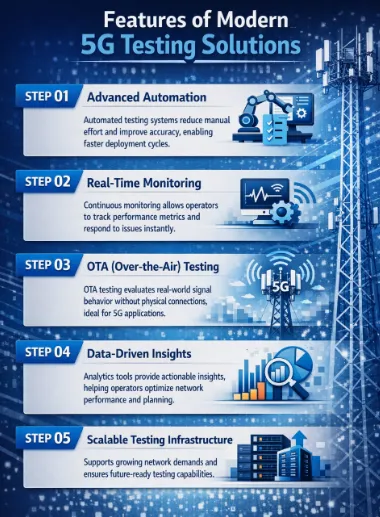
Best Practices to Optimize 5G Testing Strategies
To maximize the impact of testing, organizations need a strategic approach. Here are some actionable best practices:
Adopt a Holistic Testing Approach
Testing should cover all stages—from design and development to deployment and maintenance. This ensures comprehensive validation.
Invest in Scalable Testing Infrastructure
Choose solutions that can adapt to future network expansions and evolving technologies.
Focus on Real-World Scenarios
Simulating real-world conditions helps identify issues that may not appear in controlled environments.
Leverage Automation and AI
Automation improves efficiency, while AI-driven insights enhance decision-making and predictive maintenance.
Collaborate with Experts
Working with experienced testing solution providers ensures access to advanced tools and industry expertise.
How Testing Drives Better Decision-Making
For telecom operators, testing is not just a technical requirement it’s a strategic advantage. Data gathered during testing provides valuable insights into network performance, user behavior, and infrastructure efficiency.
These insights enable:
- Smarter investment decisions
- Optimized network planning
- Faster deployment timelines
- Improved service quality
By integrating testing into the decision-making process, organizations can build more resilient and future-ready networks.
Ready to Elevate Your 5G Network Performance?
As 5G continues to redefine connectivity, the importance of reliable and efficient testing cannot be overstated. Investing in advanced testing strategies ensures that telecom infrastructure remains robust, scalable, and future-ready.
Organizations that prioritize 5G Base Station Testing gain a competitive edge by delivering superior network quality and user experience. By adopting the right tools, practices, and expertise, telecom providers can unlock the full potential of 5G technology.
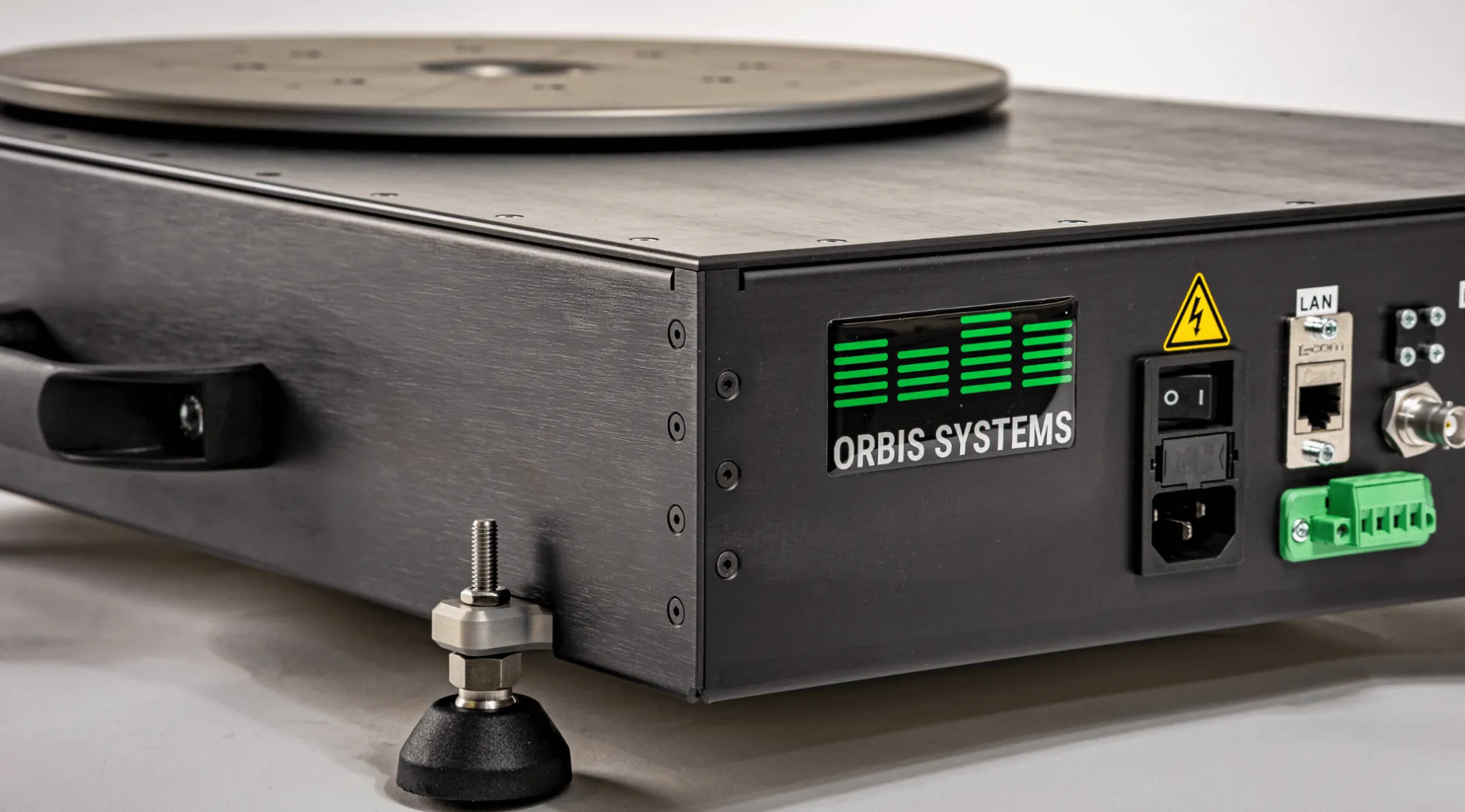
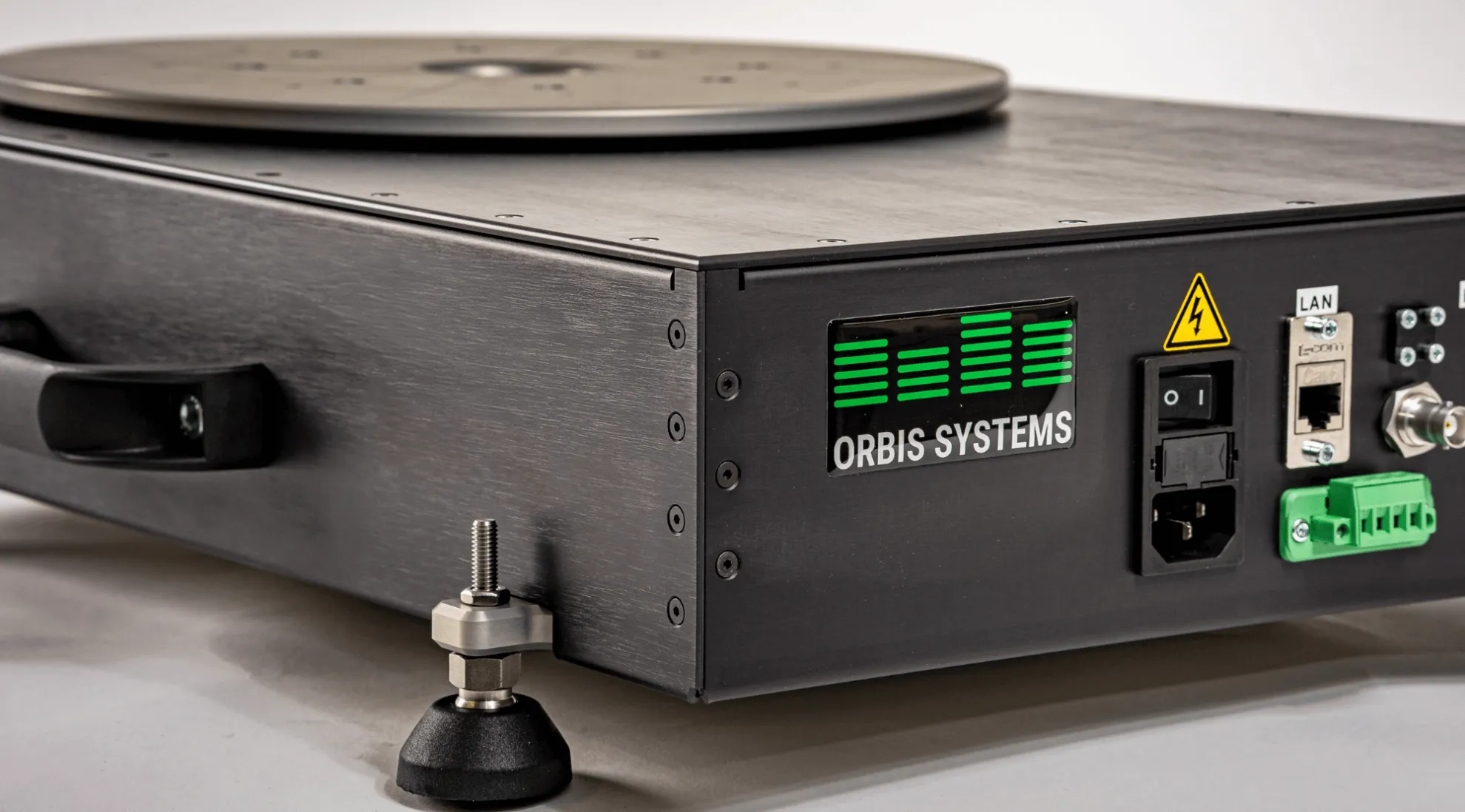
To stay ahead in this rapidly evolving landscape, partnering with experienced innovators like Orbis Systems can make all the difference bringing cutting-edge testing solutions that empower telecom networks to perform at their best.
Frequently Asked Questions
1. What is 5G base station testing?
It is the process of evaluating the performance, reliability, and compliance of 5G base stations to ensure optimal network functionality.
2. Why is 5G Base Station Testing important?
It helps identify issues such as interference, coverage gaps, and hardware inefficiencies, ensuring high-quality network performance.
3. What are the main challenges in testing 5G base stations?
Challenges include high-frequency signal behavior, dense network deployment, interference, and evolving standards.
4. How does testing improve user experience?
By ensuring consistent connectivity, faster speeds, and minimal downtime, testing directly enhances the end-user experience.
5. What technologies are used in 5G testing?
Technologies include OTA testing, automation tools, real-time monitoring systems, and advanced analytics platforms.
6. How can organizations optimize their testing strategies?
They can adopt a holistic approach, invest in scalable solutions, use automation, and collaborate with industry experts.


























Sign in to leave a comment.