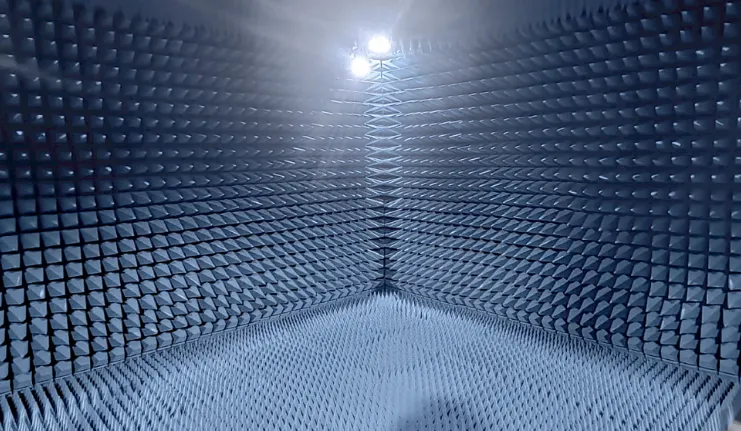

As wireless technology continues to evolve in 2026, testing environments are becoming more advanced than ever. With the rapid expansion of 5G Advanced, early 6G research, connected vehicles, IoT ecosystems, and satellite-enabled communication systems, engineers and manufacturers are under increasing pressure to validate wireless performance with exceptional precision. This is where a Wireless OTA Chamber becomes essential.
Over-the-air, or OTA, testing allows engineers to evaluate wireless devices in real-world electromagnetic conditions without direct cable connections. Whether you're testing smartphones, antennas, automotive communication systems, wearables, or industrial IoT devices, choosing the right chamber can significantly impact test accuracy, compliance success, and product reliability.
But with multiple chamber types, sizes, shielding capabilities, and automation options available, how do you know which solution fits your application?
This guide breaks down the critical factors to consider when selecting the right OTA testing environment for your RF requirements.
Key Takeaways
- Understand what makes OTA testing critical in modern RF development.
- Learn which chamber features directly impact testing accuracy.
- Discover how to match chamber specifications with your product requirements.
- Explore practical tips for long-term performance and lab efficiency.
- Find answers to common OTA chamber buying and implementation questions.
Why OTA Testing Matters More Than Ever
Wireless products today are expected to perform flawlessly in increasingly crowded RF environments. Consumers expect stronger connectivity, lower latency, and seamless device interaction—whether they’re using smart home devices, autonomous vehicles, or industrial communication systems.
Traditional conducted testing still has its place, but it often cannot replicate how devices behave in real-world wireless environments. OTA testing bridges that gap by allowing devices to transmit and receive signals naturally.
That’s why more labs and manufacturers are investing in advanced testing infrastructure designed specifically for wireless validation.
Understanding What a Wireless OTA Chamber Does
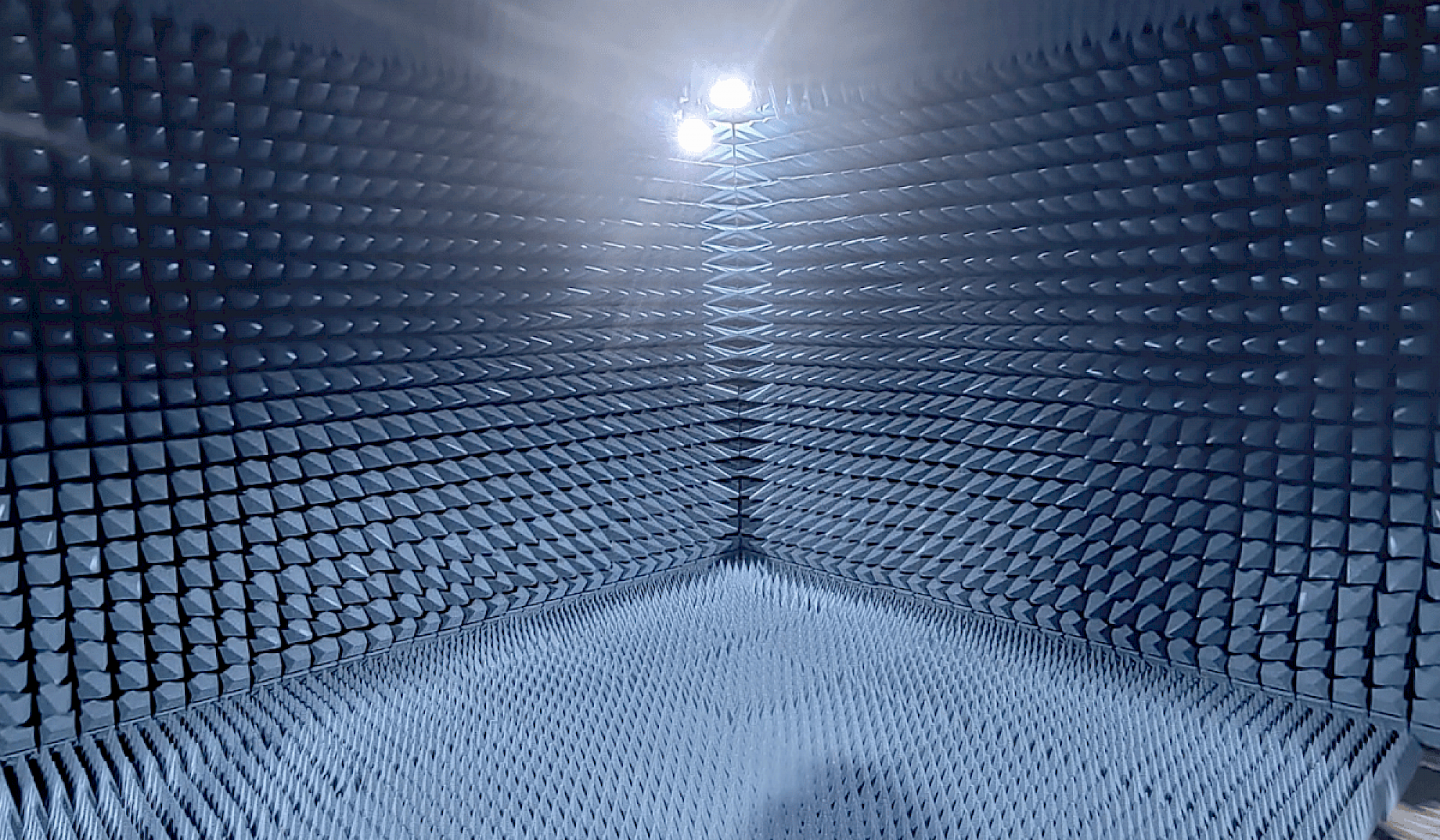
A Wireless OTA Chamber is a specialized RF test enclosure designed to simulate free-space wireless conditions while isolating devices from external interference.
Inside the chamber, devices can be tested for:
- Antenna efficiency
- Radiation patterns
- Total radiated power
- Receiver sensitivity
- Beamforming performance
- MIMO functionality
- Signal integrity
By creating a controlled environment, engineers can accurately measure how wireless products perform before they enter the market.
Start With Your Testing Application
Before comparing chamber designs, start by defining your testing goals.
Different products require different RF environments. For example:
Consumer Electronics
Smartphones, tablets, laptops, and wearables often need compact OTA setups optimized for Wi-Fi, Bluetooth, GNSS, and cellular testing.
Automotive Systems
Connected vehicles require larger chambers capable of handling radar, V2X communication, GPS modules, and multiple antenna systems.
Industrial IoT Devices
Industrial sensors and embedded communication systems often require robust shielding and repeatable testing environments.
Aerospace and Defense Applications
Mission-critical communication systems demand ultra-high isolation and strict compliance standards.
Your application directly affects chamber size, frequency range, absorber type, and automation needs.
Key Factors to Consider When Choosing an OTA Chamber
Choosing the right OTA setup involves much more than comparing dimensions. Here are the most important factors.
1. Frequency Range Compatibility
One of the first things to evaluate is operating frequency.
Modern wireless devices may operate across:
- Sub-6 GHz
- mmWave frequencies
- Wi-Fi 6E and Wi-Fi 7 bands
- Satellite communication bands
Your chamber must support both current and future testing requirements.
Investing in a chamber with broader frequency support can help future-proof your lab.
2. Shielding Performance
Shielding is critical for test accuracy.
Poor isolation can allow external RF noise to influence measurements, resulting in inaccurate data.
Look for chambers with strong shielding effectiveness to minimize:
- Ambient interference
- Signal leakage
- Cross-device contamination
High-quality shielding improves repeatability and confidence in results.
3. Chamber Size and DUT Capacity
DUT stands for Device Under Test.
The physical size of your products determines the chamber dimensions you need.
Small IoT modules may require compact systems, while automotive assemblies or antenna arrays need larger chambers with flexible positioning systems.
Choosing a chamber that’s too small may limit future test capabilities.
Choosing one that’s too large may increase unnecessary costs.
Balance is important.
4. Absorber Performance
RF absorbers help create an anechoic environment by reducing reflections.
Absorber quality directly impacts measurement consistency.
Factors to assess include:
- Reflection suppression
- Frequency performance
- Durability
- Environmental resistance
Poor absorber design can distort measurements and reduce test reliability.
5. Automation and Positioning
Manual testing can slow production and introduce human error.
Modern OTA labs increasingly rely on automated systems for:
- Device rotation
- Antenna positioning
- Test sequencing
- Data capture
Automation improves consistency while reducing operational costs.
If you plan to scale testing operations, automation should be a priority.
Common Challenges When Selecting an OTA Chamber
Many organizations make purchasing decisions based only on immediate project needs.
This can create long-term limitations.
Some common mistakes include:
Underestimating Future Technology Needs
A chamber built only for current frequencies may quickly become outdated.
Ignoring Integration Requirements
Testing systems often need integration with:
- Network analyzers
- Spectrum analyzers
- Signal generators
- Control software
Compatibility matters.
Overlooking Space Constraints
Lab floor space can affect installation and operator accessibility.
Always consider facility limitations before purchasing.
Choosing Price Over Performance
Budget matters—but low-cost chambers may compromise shielding quality, automation, or durability.
In RF testing, inaccurate data often costs more than the initial investment.
How to Evaluate Vendor Expertise
Choosing the right supplier matters as much as choosing the chamber itself.
Look for vendors who offer:
Engineering Consultation
A strong supplier should understand your testing goals before recommending equipment.
Customization Options
Every lab has unique requirements.
Custom solutions may include:
- Specialized fixtures
- Automation upgrades
- Unique antenna setups
- Multi-band support
Installation and Support
Post-installation support can save time and prevent downtime.
Ask about:
- Training
- Maintenance plans
- Calibration support
- Software updates
Long-term partnership matters.
Best Practices for Implementing OTA Testing
Once you select your chamber, implementation is equally important.
Follow these best practices.
Define Clear Testing Protocols
Standardized procedures improve repeatability.
Document:
- Device orientation
- Frequency bands
- Test distances
- Measurement thresholds
Train Your Team
Even advanced equipment needs skilled operators.
Invest in operator training to maximize system performance.
Schedule Regular Calibration
RF measurement accuracy depends on calibration consistency.
Periodic validation ensures compliance and reliable performance.
Monitor Environmental Variables
Temperature, humidity, and external vibration can affect testing outcomes.
Maintaining controlled lab conditions improves data quality.
Should You Invest in a Custom Solution?
Off-the-shelf systems work well for many applications.
But custom solutions may be better if you require:
- Multi-device testing
- Unusual frequencies
- Specialized automation
- Large DUT support
- Future expansion plans
A customized Wireless OTA Chamber often delivers better long-term ROI for growing labs.
Ready to Upgrade Your Wireless Testing Environment?
Selecting the right OTA chamber is about more than equipment—it’s about building confidence in every product you release. The right testing environment improves accuracy, reduces compliance risks, speeds development cycles, and supports future innovation.
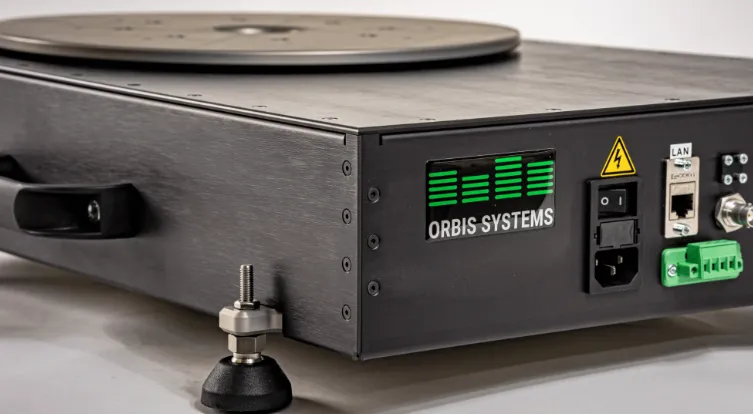
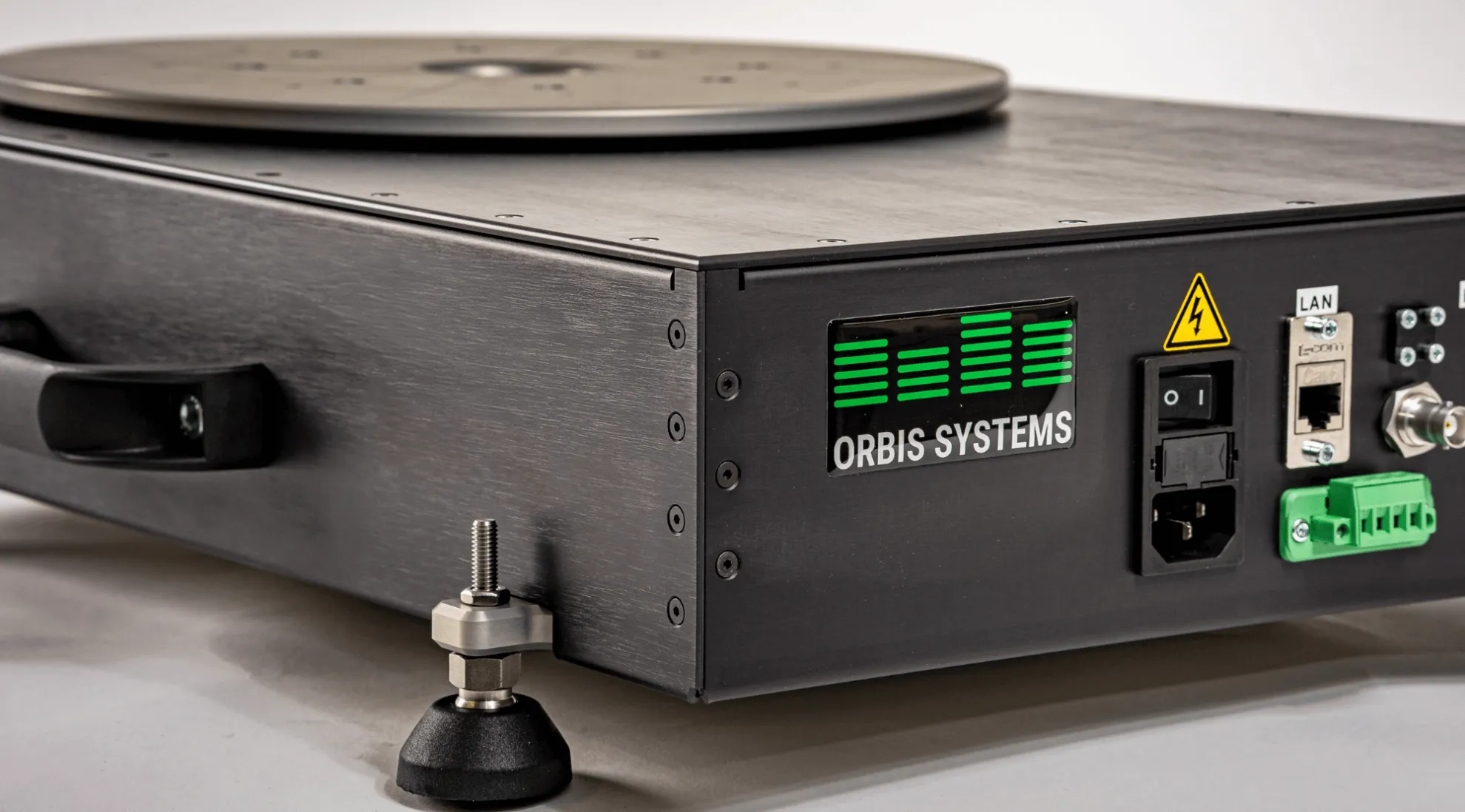
Organizations looking to strengthen their wireless validation capabilities often partner with trusted engineering experts like Orbis Systems, known for delivering innovative RF testing solutions, custom automation systems, and high-performance chamber technologies built for modern wireless challenges.
Frequently Asked Questions
What is the purpose of a Wireless OTA Chamber?
A Wireless OTA Chamber creates a controlled RF environment where wireless devices can be tested without cable connections. It helps engineers measure antenna performance, signal radiation, and real-world communication behavior with high accuracy.
How do I choose the right OTA chamber size?
Start by evaluating your device dimensions, antenna configuration, and future testing requirements. The chamber should support both current DUT sizes and potential expansion.
Can OTA chambers support 5G and mmWave testing?
Yes. Many modern OTA chambers are designed for Sub-6 GHz and mmWave applications. However, frequency compatibility should always be confirmed before purchase.
How often should an OTA chamber be calibrated?
Calibration schedules depend on usage intensity and industry standards. Many labs perform verification every 6 to 12 months to maintain measurement accuracy.
Is automation necessary in OTA testing?
Automation is not always mandatory, but it significantly improves repeatability, reduces testing time, and minimizes operator error—especially in high-volume environments.
What industries use OTA chambers most?
OTA chambers are widely used in telecommunications, automotive electronics, aerospace, defense, consumer electronics, and industrial IoT development.

























Sign in to leave a comment.