
Wireless technologies continue to evolve rapidly, from 5G Advanced and Wi-Fi 7 to satellite communications, automotive radar, and emerging 6G research. As these technologies become more complex, the need for highly accurate RF measurements has never been greater. Even the most advanced test equipment cannot deliver reliable results if the testing environment introduces unwanted reflections, interference, or measurement uncertainty.
This is where anechoic chamber design becomes essential. A properly engineered chamber creates a controlled electromagnetic environment that closely simulates free-space conditions, allowing engineers to evaluate antennas, wireless devices, and RF systems with confidence. Whether testing consumer electronics, defense equipment, IoT devices, or automotive communication systems, chamber design directly influences the accuracy, repeatability, and reliability of every measurement.
Key Takeaways
- Anechoic chamber design minimizes RF reflections and external interference for highly accurate measurements.
- Chamber geometry, absorber placement, and shielding significantly affect test reliability.
- A well-designed chamber improves repeatability across multiple testing scenarios.
- Modern RF testing requires customized chamber solutions that support evolving wireless technologies.
- Investing in optimized chamber design reduces testing errors, development time, and certification risks.
Why RF Testing Requires a Controlled Environment
Radio frequency signals behave differently depending on their surroundings. Metal surfaces, walls, electronic equipment, and even nearby wireless devices can reflect or distort signals. These reflections create multipath propagation, making it difficult to determine whether a measured result comes from the device under test or from the surrounding environment.
A professionally engineered anechoic chamber design eliminates these unwanted variables by absorbing RF energy instead of reflecting it. The result is a controlled environment where engineers can obtain precise and repeatable measurements.
This level of control is particularly important for:
- Antenna performance testing
- OTA (Over-the-Air) measurements
- EMC pre-compliance testing
- Radar validation
- Wireless device certification
- IoT and industrial communication testing
Understanding the Fundamentals of Anechoic Chamber Design
An anechoic chamber is much more than a room lined with RF absorbers. Every component contributes to measurement quality.
RF Shielding
The chamber must prevent external electromagnetic signals from entering the test environment. Effective RF shielding isolates measurements from nearby communication systems, broadcast transmissions, and industrial equipment.
RF Absorbers
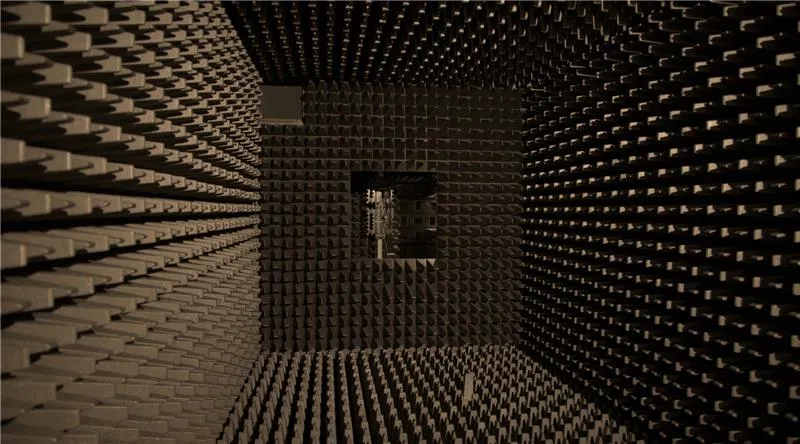
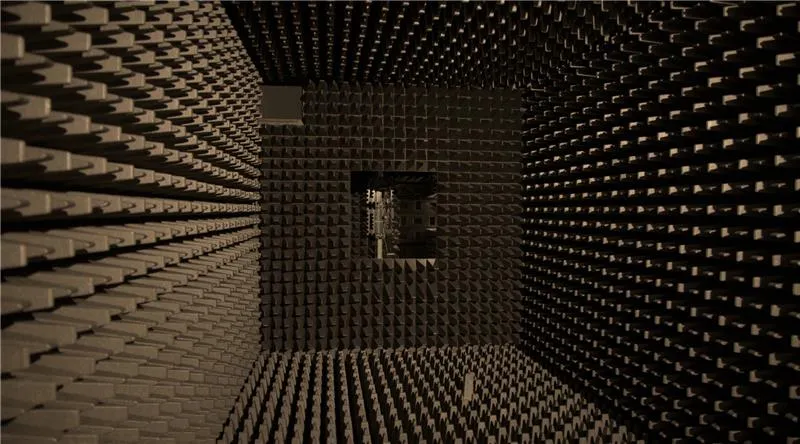
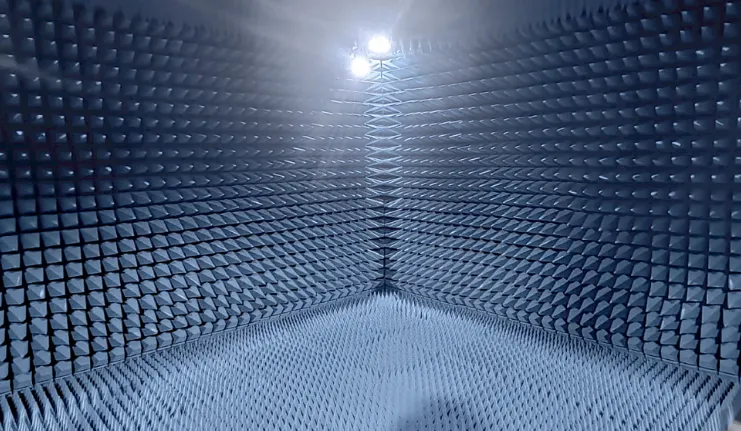
Specialized RF absorbers cover the chamber walls, ceiling, and often the floor. These absorbers convert electromagnetic energy into heat, significantly reducing signal reflections.
Different absorber types are selected depending on operating frequencies, including:
- Pyramidal absorbers
- Hybrid absorbers
- Ferrite tile absorbers
- Broadband absorbers
Choosing the correct absorber configuration is one of the most critical aspects of chamber performance.
Chamber Geometry
Room dimensions affect standing waves, reflection paths, and quiet-zone performance. Engineers carefully calculate chamber size based on:
- Test frequency range
- Antenna size
- Measurement distance
- Required quiet zone
- Equipment positioning
Even small design changes can influence overall RF accuracy.
How Chamber Design Impacts RF Measurement Accuracy
Accurate RF testing depends on eliminating environmental uncertainty.
Reduces Signal Reflections
Poorly designed chambers allow reflected signals to interfere with direct measurements. This can produce inaccurate antenna gain, radiation pattern, and efficiency results.
Proper absorber placement dramatically reduces these reflections.
Improves Repeatability
Manufacturers often repeat identical tests hundreds or thousands of times.
Consistent chamber performance ensures identical devices produce nearly identical measurement results, improving confidence during production validation and certification.
Supports Wide Frequency Ranges
Today's wireless products operate across multiple frequency bands.
A well-designed chamber accommodates technologies such as:
- 5G NR
- Wi-Fi 6E
- Wi-Fi 7
- Bluetooth
- GNSS
- Satellite communication
- Automotive radar
- Emerging 6G research
Key Elements That Define High-Performance Anechoic Chambers
Quiet Zone Optimization
The quiet zone is the area where measurements occur.
Engineers optimize this space by carefully controlling:
- Reflection levels
- Field uniformity
- Absorber placement
- Antenna positioning
A larger and more stable quiet zone improves testing flexibility.
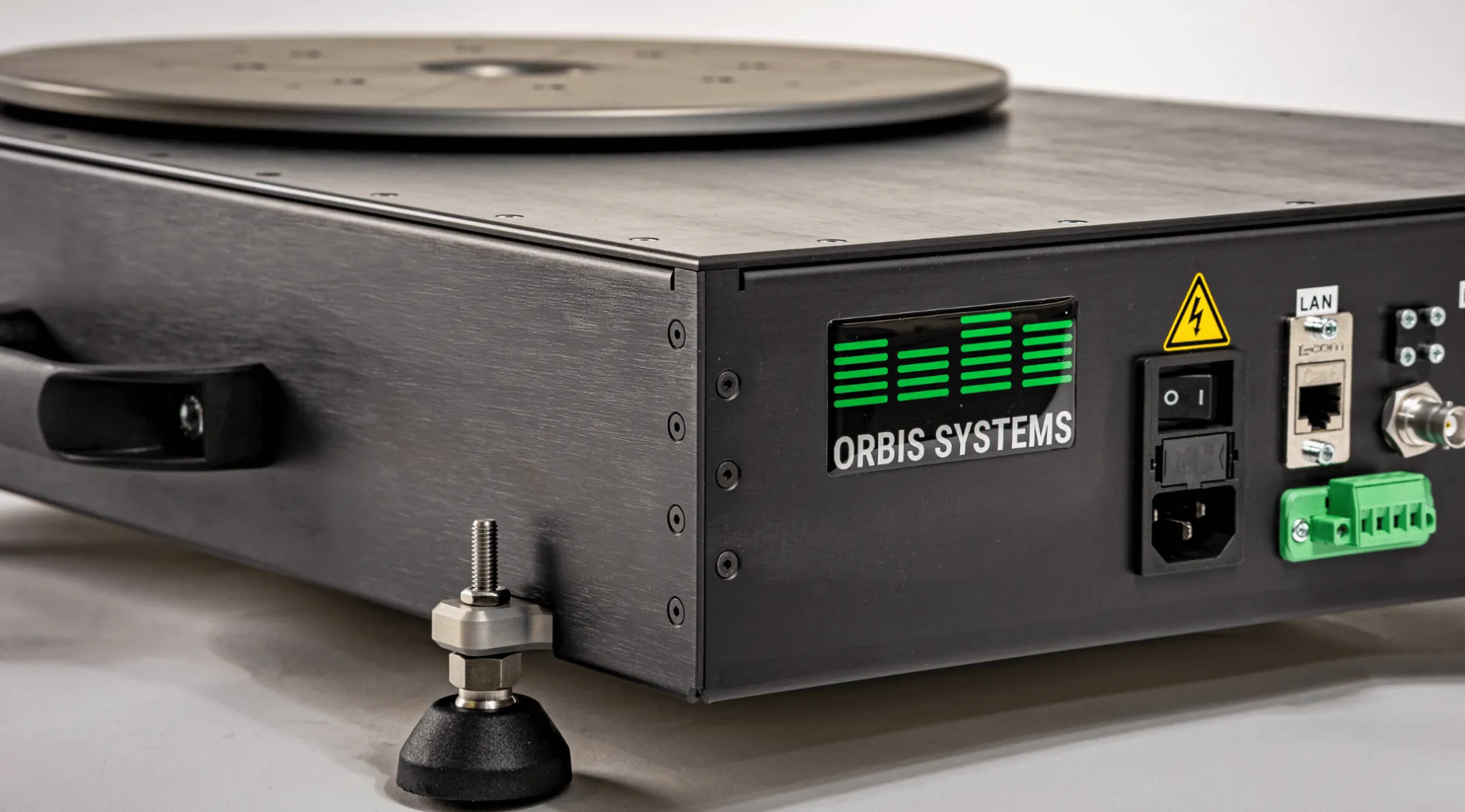
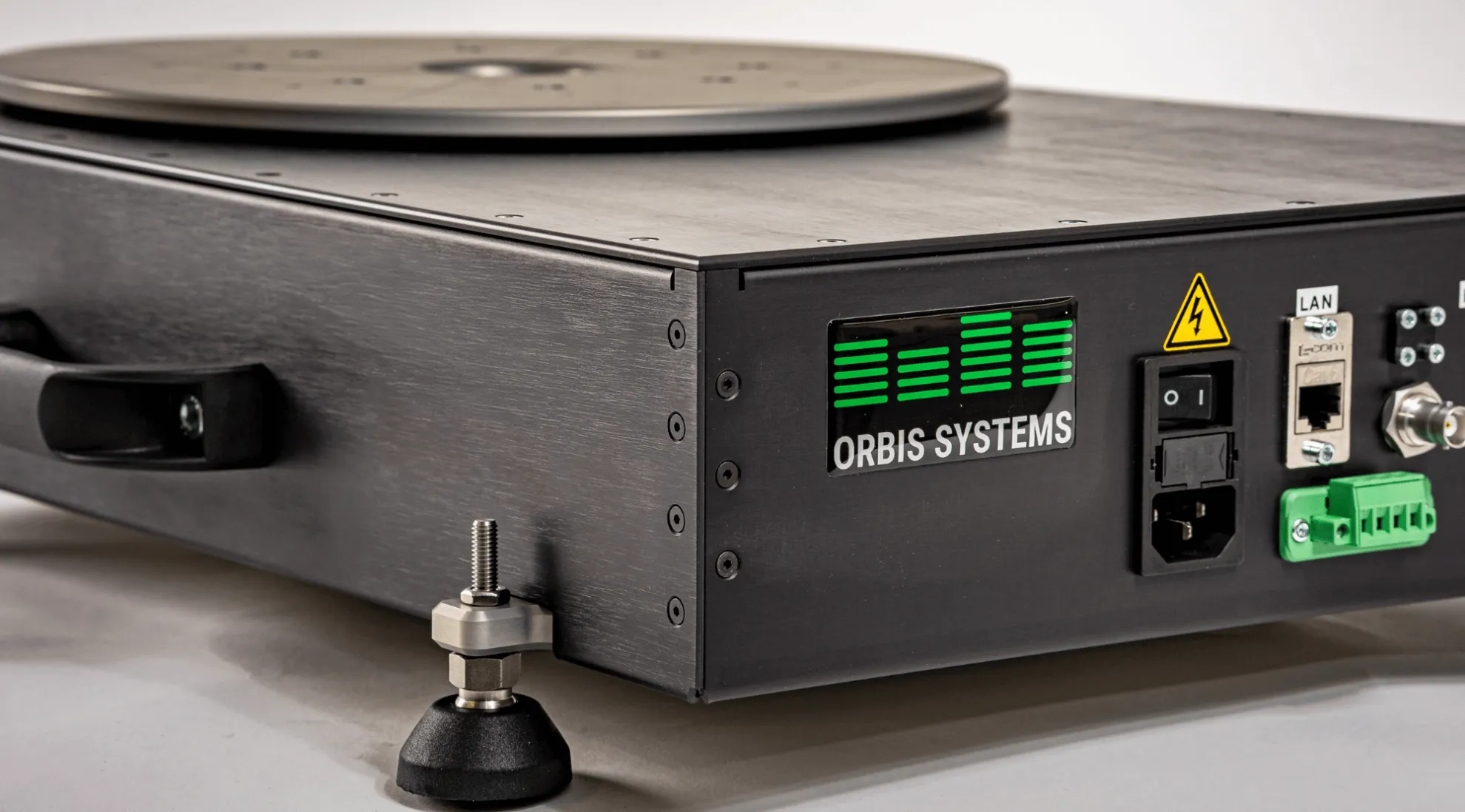
Precision Positioning Systems
Modern RF measurements often require automated antenna movement.
Positioners enable:
- 3D radiation pattern measurements
- Beamforming validation
- MIMO testing
- Polarization measurements
Accurate positioning enhances repeatability while reducing operator errors.
Cable Management
Improper cable routing introduces unwanted reflections and measurement uncertainty.
Professional chamber layouts minimize cable exposure using specialized feedthroughs and optimized routing paths.
Common Design Challenges
Even experienced RF laboratories encounter design challenges.
Selecting the Wrong Absorber Type
Not every absorber performs equally across all frequencies.
Using incorrect absorber materials can reduce chamber effectiveness, particularly at lower frequencies.
Limited Chamber Size
Small chambers restrict testing distances and antenna positioning.
This becomes increasingly problematic for large devices, base stations, and automotive applications.
Mechanical Integration
Lighting, ventilation, cable entry panels, doors, and safety systems must integrate without compromising RF performance.
Balancing functionality with electromagnetic isolation requires careful engineering.
Best Practices for Designing an Accurate RF Test Chamber
Define Testing Requirements Early
Before construction begins, determine:
- Frequency range
- Device size
- Test standards
- Future scalability
- Automation needs
Planning ahead reduces expensive modifications later.
Optimize Absorber Placement
Every wall, ceiling, and floor surface contributes to chamber performance.
Simulation software helps engineers determine the most effective absorber layout before installation.
Design for Future Technologies
Wireless standards evolve quickly.
Scalable chamber designs allow laboratories to support future technologies without complete reconstruction.
Validate Chamber Performance
Performance verification should include:
- Site attenuation measurements
- Reflectivity testing
- Quiet zone validation
- Shielding effectiveness verification
Routine validation ensures long-term accuracy.
Benefits of Investing in Better Anechoic Chamber Design
Organizations that prioritize chamber quality gain several operational advantages.
Faster Product Development
Accurate testing reduces engineering iterations, allowing products to reach market sooner.
Reduced Certification Risks
Reliable measurements improve confidence before formal regulatory testing.
Higher Product Quality
Accurate RF characterization helps engineers optimize antenna performance and wireless reliability.
Lower Long-Term Costs
Although high-quality chambers require greater initial investment, they reduce retesting, troubleshooting, and redesign expenses over time.
How Automation Is Shaping Modern RF Test Chambers
Automation has become a defining feature of advanced RF laboratories.
Modern chambers increasingly integrate:
- Robotic positioning systems
- Automated antenna scanners
- Remote monitoring
- Real-time measurement software
- AI-assisted data analysis
- Integrated test sequencing
These capabilities improve measurement consistency while reducing manual intervention and overall testing time.
As wireless technologies continue to grow in complexity, automated chamber environments are becoming the industry standard.
Choosing the Right Chamber for Your Testing Needs
Every organization has unique testing requirements.
When evaluating a chamber, consider:
- Operating frequency range
- Device dimensions
- Required measurement standards
- OTA testing capability
- Future expansion plans
- Automation compatibility
- Available laboratory space
- Long-term maintenance requirements
Working with experienced RF system designers helps ensure the chamber meets both current and future testing objectives.
Build Reliable RF Testing Environments with Orbis Systems
Accurate wireless testing begins with a well-engineered chamber environment. Orbis Systems designs advanced RF and OTA testing solutions that help organizations achieve dependable measurements, support evolving wireless technologies, and improve testing efficiency. Whether you're developing next-generation communication devices or expanding your RF laboratory, choosing the right chamber design is a critical step toward consistent and reliable results.
Frequently Asked Questions
Why is anechoic chamber design important for RF testing?
A properly designed chamber eliminates unwanted reflections and external interference, allowing engineers to perform highly accurate and repeatable RF measurements.
What industries use anechoic chambers?
Industries including telecommunications, aerospace, automotive, defense, electronics manufacturing, medical devices, and IoT product development rely on anechoic chambers for RF validation and certification.
How do RF absorbers improve measurement accuracy?
RF absorbers convert electromagnetic energy into heat, preventing signals from reflecting back into the measurement area and reducing multipath interference.
Can an anechoic chamber support multiple wireless technologies?
Yes. Modern chambers are designed to test technologies such as 5G, Wi-Fi 7, Bluetooth, GNSS, satellite communications, automotive radar, and future wireless standards within the same controlled environment.
What should be considered before building an anechoic chamber?
Key considerations include frequency range, chamber size, shielding effectiveness, absorber selection, automation requirements, applicable test standards, and future scalability.

























Sign in to leave a comment.