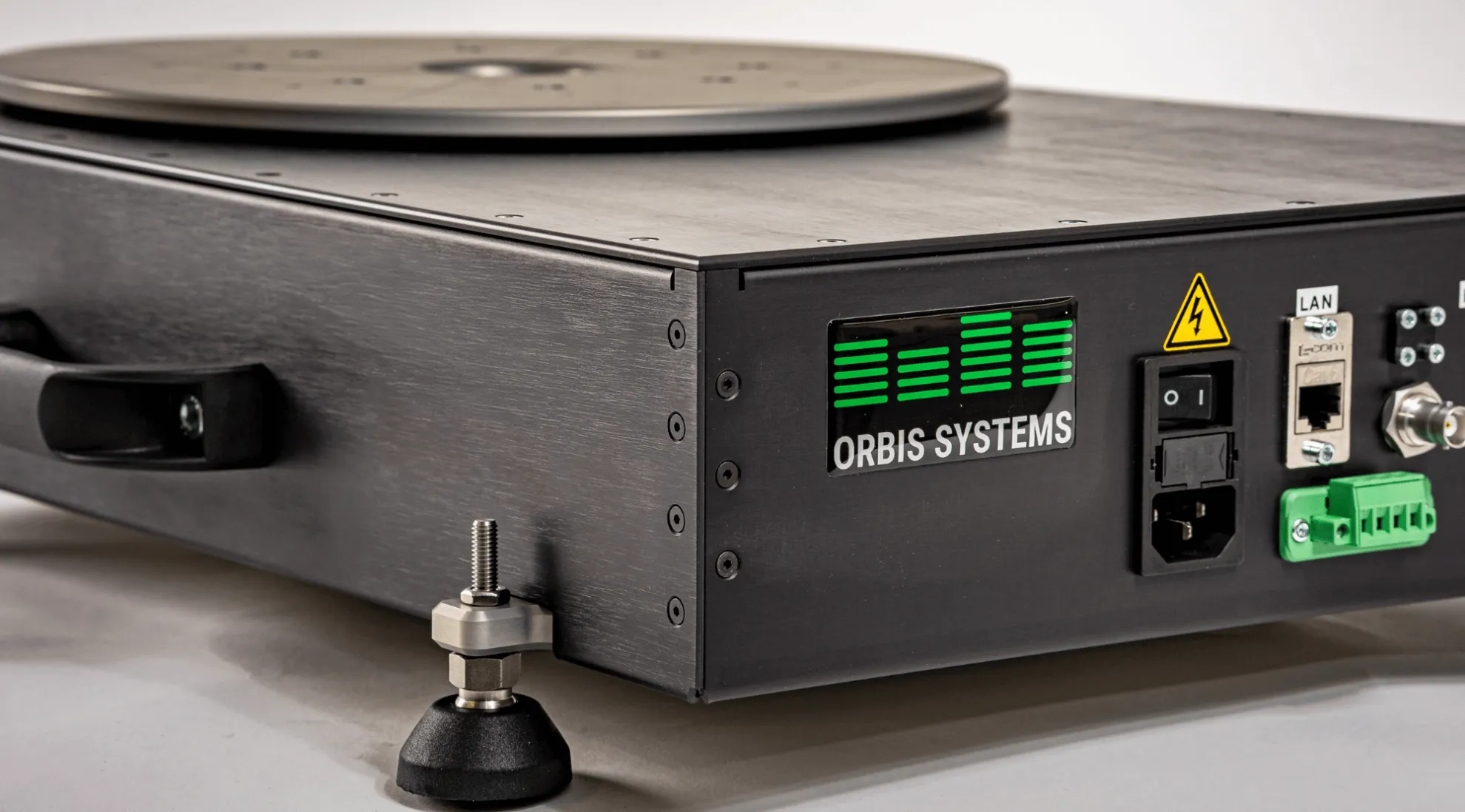

In 2026, laboratories across industries are facing a new wave of complexity. From next-generation wireless devices and autonomous systems to AI-powered electronics and connected IoT products, testing environments are evolving faster than ever. Traditional fixed infrastructures often struggle to keep pace with shifting technologies, changing compliance requirements, and increasing demand for faster validation cycles.
That’s why organizations are now investing in modular test systems flexible, scalable platforms designed to adapt as technology changes. Instead of replacing entire setups every few years, engineers and lab managers can reconfigure, expand, and optimize their test environments based on project needs.
Whether you're building a telecom validation lab, upgrading an R&D center, or preparing an educational innovation hub, modular architectures are becoming the foundation of future-ready testing.
Key Takeaways
- Learn why modular lab infrastructure is becoming essential in 2026.
- Understand the challenges of legacy test setups and how flexibility solves them.
- Discover key features that define high-performance testing environments.
- Explore best practices for selecting and implementing scalable lab systems.
- See how organizations can improve efficiency, reduce costs, and support innovation.
Why Testing Labs Need a New Approach
Technology cycles are shrinking. Products that once took years to develop are now expected in months. This shift puts enormous pressure on test labs to validate performance, reliability, compliance, and interoperability at much faster speeds.
Many traditional laboratories were designed for a specific generation of technology. While those systems may still function, they often create limitations such as:
- Difficult integration with new instruments
- Limited scalability when test demand increases
- Higher maintenance costs
- Slow reconfiguration between projects
- Reduced compatibility with automation software
As organizations expand into areas like Internet of Things, Artificial Intelligence, and advanced wireless communications, these limitations become even more visible.
Modern labs need infrastructure that evolves alongside innovation.
What Makes Modular Architecture Different?
Unlike traditional fixed systems, modular test systems are built using independent components that work together as a unified platform. These modules may include:
- RF instrumentation
- Power measurement units
- Signal generation equipment
- Switching matrices
- Automation controllers
- Data acquisition interfaces
Instead of redesigning the entire lab when requirements change, teams can simply add, replace, or upgrade individual modules.
This creates a highly adaptable ecosystem where resources can be optimized based on project demands.
For organizations managing multiple product lines, this flexibility becomes a major competitive advantage.
Challenges Facing Modern Test Environments
1. Rapid Technology Evolution
Standards continue to evolve across industries. New wireless frequencies, stricter compliance regulations, and emerging protocols require continuous upgrades.
Labs using static architectures often struggle to keep up, leading to outdated capabilities and missed opportunities.
2. Budget Constraints
Building a new lab from scratch can require significant capital investment. Fixed systems often force organizations to purchase complete setups—even when only certain components need upgrading.
A modular strategy helps reduce unnecessary spending.
3. Space Optimization
Urban campuses, university research centers, and corporate innovation labs often operate within limited space.
Compact modular configurations allow organizations to maximize test capability without expanding facility footprints.
4. Workforce Adaptability
New engineers and technicians require systems that are intuitive, automated, and easy to reconfigure.
Complex legacy setups often slow onboarding and reduce productivity.
Benefits of Investing in Modular Lab Infrastructure
Greater Scalability
As projects grow, additional modules can be integrated without disrupting existing workflows.
This means organizations can start with current needs and expand over time.
Faster Deployment
New projects can be configured more quickly by rearranging available resources instead of sourcing entirely new equipment.
This reduces time-to-market significantly.
Better Resource Utilization
Equipment can be shared across multiple applications, teams, or departments.
This improves utilization rates and reduces idle assets.
Simplified Maintenance
If one component fails, only that module needs servicing—not the entire system.
This reduces downtime and improves operational continuity.
Improved Automation Readiness
Many modern modular test systems integrate easily with automation software, remote monitoring platforms, and AI-based analytics tools.
This supports smarter testing workflows.
Features to Look for When Selecting a System
Not all modular platforms deliver the same value. Organizations should evaluate several factors before making a decision.
Open Integration Capability
Choose systems compatible with industry communication standards and third-party instruments.
Interoperability prevents vendor lock-in and protects long-term investment.
Software Compatibility
The best systems support automation platforms, analytics dashboards, and custom scripting.
Integration with environments such as LabVIEW or MATLAB can significantly improve efficiency.
Expandability
Look for architectures designed to scale over several years—not just current project demands.
Signal Integrity
High-performance labs require accurate measurements. Shielding, cabling quality, and calibration support all matter.
Remote Accessibility
Hybrid teams and global R&D operations increasingly require remote test management.
Cloud-enabled diagnostics and monitoring can improve collaboration.
Best Practices for Implementation
Building a future-ready lab requires more than purchasing equipment. Strategic planning makes the difference.
Define Current and Future Use Cases
Before selecting hardware, identify:
- What products will be tested today?
- What technologies may emerge in the next 3–5 years?
- Will teams require automation, RF testing, environmental testing, or multi-domain validation?
Planning ahead avoids costly redesigns later.
Start Small, Scale Smart
Many organizations benefit from beginning with core modules and expanding based on demand.
This minimizes risk while maintaining flexibility.
Standardize Processes
Develop repeatable testing workflows, calibration schedules, and documentation procedures.
Consistency improves quality across teams.
Train Technical Teams Early
Even the most advanced systems need skilled users.
Provide engineers with hands-on training during deployment rather than after implementation.
Prioritize Data Integration
Testing generates valuable performance data.
Make sure your architecture supports analytics, reporting, and long-term storage strategies.
Applications Across Industries
Advanced modular testing platforms are now supporting innovation across many sectors.
Telecommunications
Validation of 5G, satellite communication, beamforming, and OTA performance.
Automotive
Testing connected vehicles, EV systems, radar modules, and safety electronics.
Aerospace and Defense
Mission-critical communication and reliability testing.
Consumer Electronics
Smartphones, wearables, routers, and connected devices.
Education and Research
Universities and technical institutions can build adaptable teaching labs without constant infrastructure replacement.
Because of their flexibility, modular test systems continue to gain adoption across both commercial and academic environments.
Measuring Long-Term ROI
When evaluating investment, organizations should look beyond initial purchase costs.
Key performance indicators include:
- Reduced test cycle time
- Faster product launch schedules
- Lower maintenance expenses
- Increased equipment utilization
- Improved engineering productivity
Over several years, modular platforms often outperform traditional fixed infrastructures in both performance and cost efficiency.
Build the Lab That Grows with Your Innovation
The future belongs to organizations that can adapt faster than technology changes. Investing in intelligent lab architecture today creates the flexibility needed for tomorrow’s breakthroughs.
By embracing scalable platforms, automation-ready workflows, and data-driven testing strategies, teams can build environments that remain competitive for years to come.
For organizations seeking trusted expertise in advanced test infrastructure, Orbis Systems continues to support innovation through reliable engineering, custom solutions, and forward-thinking test technologies.
Frequently Asked Questions
What are modular test systems used for?
Modular test systems are used to create flexible testing environments where hardware components can be configured, upgraded, or expanded based on project requirements. They are commonly used in RF testing, electronics validation, automation, and research labs.
Are modular systems better than traditional lab setups?
In many cases, yes. Modular platforms offer greater scalability, easier maintenance, and better adaptability to evolving technologies compared with fixed systems.
How do modular systems support automation?
Most modern platforms integrate with software tools that allow automated measurement, data collection, reporting, and remote diagnostics. This reduces manual work and improves consistency.
Can educational institutions benefit from modular labs?
Absolutely. Universities and training centers can use modular infrastructure to support multiple courses, research programs, and emerging technologies without replacing entire lab setups.
What industries benefit most from modular testing solutions?
Telecommunications, automotive, aerospace, consumer electronics, semiconductor research, and academic institutions all benefit from modular architectures.
How do I choose the right modular platform?
Focus on scalability, software compatibility, integration support, measurement accuracy, and long-term upgrade potential.





























Sign in to leave a comment.