

You can decrease your ad budget and secure more customers by continuously refining your keyword targeting, ad copy, and landing pages. Executing consistent Google Ads optimization allows you to stop paying for irrelevant search queries and direct your budget toward ready-to-buy prospects. This direct approach fixes leaks in your sales funnel and ensures your marketing budget works harder for you.
Advertisers often watch their budgets disappear due to untargeted clicks and generic landing pages. By focusing on search intent and user experience, you can turn passive browsers into paying customers. This guide details how to refine campaigns based on real market data and proven methodologies.
Experienced digital marketing teams spend years managing budgets across multiple industries. They understand how to identify waste and scale winning campaigns. This article outlines the exact steps to trim your budget while boosting your bottom line.
Why Does PPC Optimization Decrease Your Spend?
To get more value from your paid campaigns, you must eliminate wasted spend on search terms that do not lead to sales. Market data shows that advertisers lose an average of 25% of their budgets on irrelevant search queries. By identifying these non-performing terms, you can redirect those funds toward high-performing target groups.
To execute this process, use the following steps:
- Review your search terms report weekly to identify irrelevant queries.
- Add non-converting search terms to your negative keyword list immediately.
- Use exact match and phrase match keywords to control ad triggers.
- Check search volume trends to anticipate seasonal changes in demand.
Bonus Tip: Set up automated rules to pause keywords that spend over a specific limit without generating any sales. This prevents sudden budget spikes during off-peak hours.
By actively refining these match types, you achieve a lower cost per click because your ads match what searchers actually want. This is why daily Google Ads optimization is so useful. This alignment improves your quality score, which reduces the price you pay for every single ad click.

What Metrics Directly Impact Your Advertising Budget?
Many businesses focus on vanity metrics like impressions rather than actual business results. To make your marketing more cost-effective, you must measure the connection between what you spend and what you earn. Understanding these numbers helps you make smart decisions about where to place your money.
Let us look at how typical accounts compare before and after undergoing a structured optimization process.
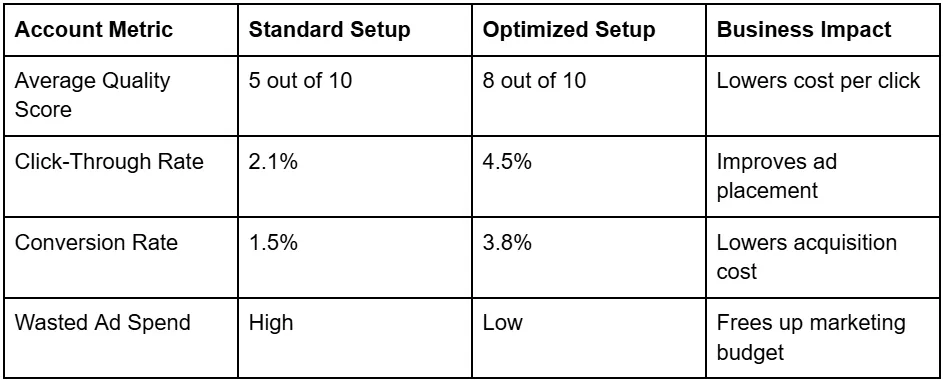
To keep these metrics moving in the correct direction, track these daily signs of account health:
- Quality scores across your top thirty high-traffic keywords.
- Search impression shares to see how many potential customers you miss.
- Bounce rates on your primary promotional landing pages.
- Device performance to see if mobile users convert as well as desktop users.
Through methodical paid search campaign management, you can identify which ad groups deserve more funding. Moving your budget to winning campaigns ensures you do not waste money on low-yield search terms. While this structured oversight keeps your client acquisition costs down, maintaining strong campaign metrics also depends heavily on what happens after the user clicks your ad.
Steps to Improve Your Search Network Results
Getting searchers to click your ad is only half the battle. To turn those clicks into paying customers, you must focus heavily on conversion rate optimization. If your landing page does not match the promise of your ad, visitors will leave immediately.
To align your ad message with your landing page experience, follow these guidelines:
- Match the headline of your landing page directly to the copy of your ad.
- Keep your lead capture forms short, asking only for essential details.
- Ensure your website loads in under three seconds on all mobile devices.
- Place your primary call to action above the fold where it is easily seen.
Bonus Tip: Run simple A/B split tests on your landing page headlines every two weeks. Small tweaks in messaging can lead to large gains in sales.
When you improve the user experience, search engines reward you with higher placements. Regular Google Ads optimization ensures your landing pages remain relevant to changing search queries.
How Location and Timing Influence Your Campaign Performance
Not all clicks carry equal value, especially when you consider where and when they happen. Adjusting your bids based on geographic data and time of day can protect your budget from unnecessary drain. Many businesses waste significant funds by showing ads in regions they cannot serve or during hours when their sales team is offline.
To target your audience more efficiently, utilize these targeting parameters:
- Exclude geographic regions that generate clicks but never produce sales.
- Increase bids during your primary business hours when phones are active.
- Reduce bids on weekends if your sales staff only works weekdays.
- Create regional ad copy that speaks to local interests and patterns.
For example, a business operating in rainy climates might adjust ad schedules to bid higher during stormy days when people stay indoors. This geographic relevance ensures your messages reach people when they are most likely to buy.
By focusing on these specific adjustments, you maintain a tighter grip on your advertising budget. This systematic approach is a core part of professional paid search campaign management that keeps your cost-per-acquisition low.
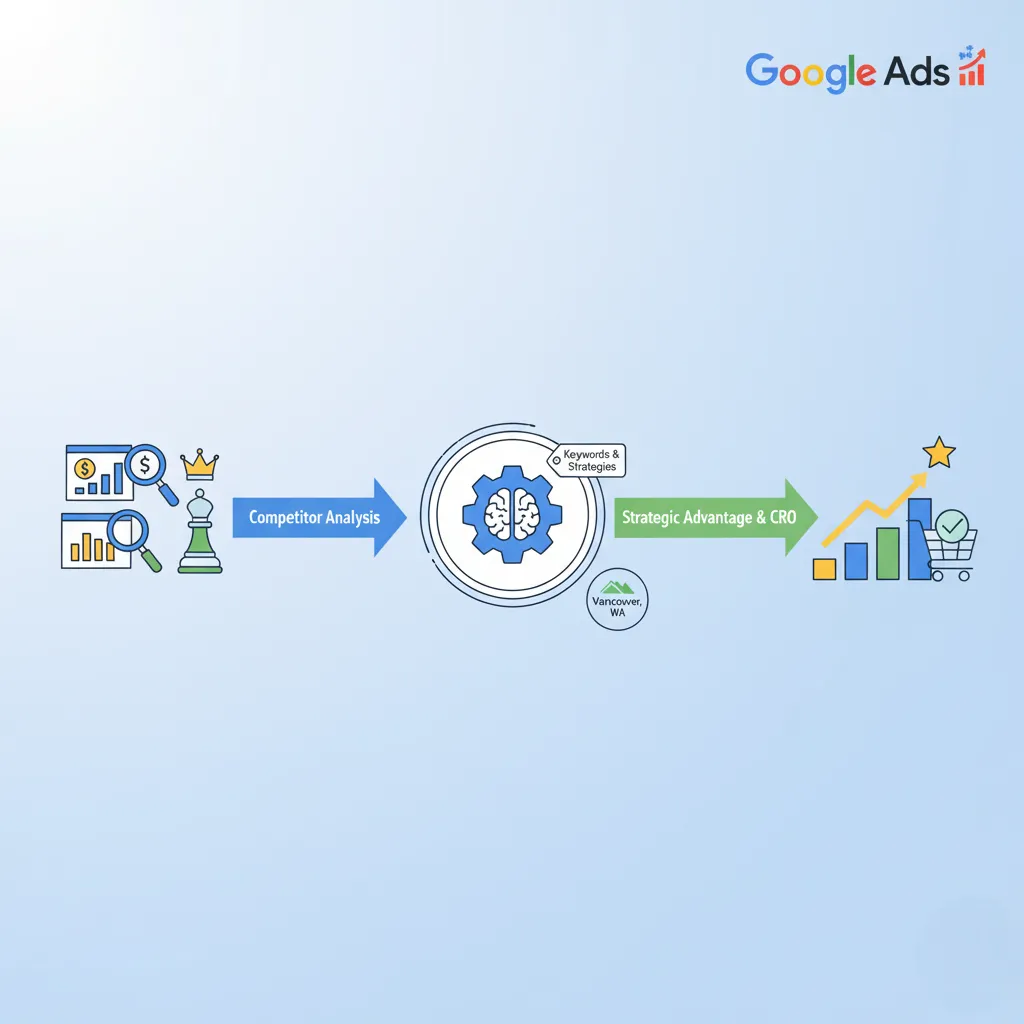
4 Factors to Evaluate Before Adjusting Your Marketing Strategy
Before changing your bidding strategies or restructuring your ad groups, you must evaluate several external and internal factors. Rushing into changes without a clear plan can disrupt your historical campaign data and hurt your current search engine visibility.
Consider these items before modifying your campaign structure:
- Your average sales cycle length, as longer cycles require longer tracking periods.
- The lifetime value of your customers, which determines how much you can spend per lead.
- Your competitor's bidding habits, which affect search engine auction prices.
- Your internal capacity to handle a sudden increase in leads or sales.
Bonus Tip: Avoid making major budget changes of more than twenty percent at one time. Large budget adjustments can push your campaigns back into the learning phase, which disrupts performance consistency.
Using consistent Google Ads optimization helps you balance these factors without losing your existing progress. Keeping a steady hand on your account prevents sudden drops in lead volume.
Summary of Strategic PPC Management
Managing paid campaigns successfully requires balancing budget control with conversion growth. By focusing on quality scores, negative keywords, and landing page usability, you can build campaigns that yield high returns. Evaluate your campaign data regularly, make small adjustments, and focus on user experience to ensure your marketing budget remains a source of steady business growth.
Let Us Help You Get More Value From Your Advertising Budget
Maximizing your advertising returns requires consistent oversight and expert attention. If you want to refine your campaigns and lower your costs, let the professionals guide you. The team at Genius Marketing can audit your accounts and find wasted ad spend. You can request a free quote today by contacting them at [email protected] or calling (360) 519-5100.
Common Questions About Search Engine Advertising
How long does it take to see results from PPC optimization?
You can often see a decrease in wasted spend within the first week of adding negative keywords. However, significant conversion improvements usually take thirty to sixty days as the account gathers data and refines bidding.
Why is my cost per click increasing despite optimization?
Increased competition in your market can drive bid prices up. If your quality scores are low, you will also pay more than competitors for the same ad placement.
Should I bid on my own brand name in search ads?
Yes, bidding on your brand name protects your traffic from competitors targeting your brand. Brand keywords are highly cost-effective and yield excellent conversion rates.
How does landing page speed affect my ad performance?
Slow landing pages increase your bounce rate, which lowers your quality score. Search networks charge more for ads that lead to poor user experiences on slow websites.
How often should I update my negative keyword list?
You should update your negative keyword list at least once a week. Frequent reviews prevent you from spending money on irrelevant searches before they become costly.





























Sign in to leave a comment.