

It can be challenging to find someone who has gone missing on purpose or by mistake. This is where skip tracing comes in. Private detectives use skip tracing to discover those who have "skipped town" or become hard to track. It's a very useful technique. Skip tracing is a skill that makes skilled detectives stand out. They use it to look for people who are missing, owe money, are witnesses, or family members they haven't seen in a long time.
In this post, we'll talk about what skip tracing services, how private investigators use it, and why it's crucial to know what you're doing.
What does skip tracing involve?
Finding someone whose current whereabouts is unclear is called skip tracing. Skip means someone who fled suddenly, and "trace" means finding them using information and investigation procedures that are already available.
Private investigators use skip tracing services for situations like these:
- Missing persons in Australia
- People that owe money and haven't paid it
- People who go to court
- People who are part of fraud or scams
- Checking people's backgrounds and obtaining back things that were lost
Skip tracing services different from random online searches since it involves legal research methods, certified data sources, and systematic analysis.
Why private investigators need to know how to skip trace
Private investigators don't guess. They can utilize skip tracing to:
- Make a record of a person's history of moving around
- Look for patterns in how people live and act.
- Make leads from bits of data that aren't connected
- Come to conclusions that can be utilized in court
Skip tracing services can occasionally include private information, thus trained private investigators must follow strict legal and moral norms when they execute their jobs.
Skip tracing professionals employ these crucial skip tracking techniques:
Looking through public records and databases
One of the first steps in skip tracing is to look at both public and private databases. Investigators look at records like these:
- Voter registration and lists of voters
- Documents that show who owns and rents property
- Court files and civil filings
- Setting up a business
- History of the address and utilities
These records can help you find out where someone used to live, who they used to hang out with, and where they could live now.
Hints concerning work and money
Most of the time, people return back because they have troubles at job or with money. Private investigators look into:
- Your current or prior employers
- Licenses or certificates for skip tracing professionals
- Connections in business
- Records of filing for bankruptcy or credit
- Employment data can quickly narrow down locales and routines.
Talking to people you work with and live near
Skip tracing still relies on a lot of human intelligence. Investigators might talk to:
- Neighbors from the past
- People you work with or do business with
These conversations typically bring up new things you notice, behaviors, or plans to move that databases can't show you.
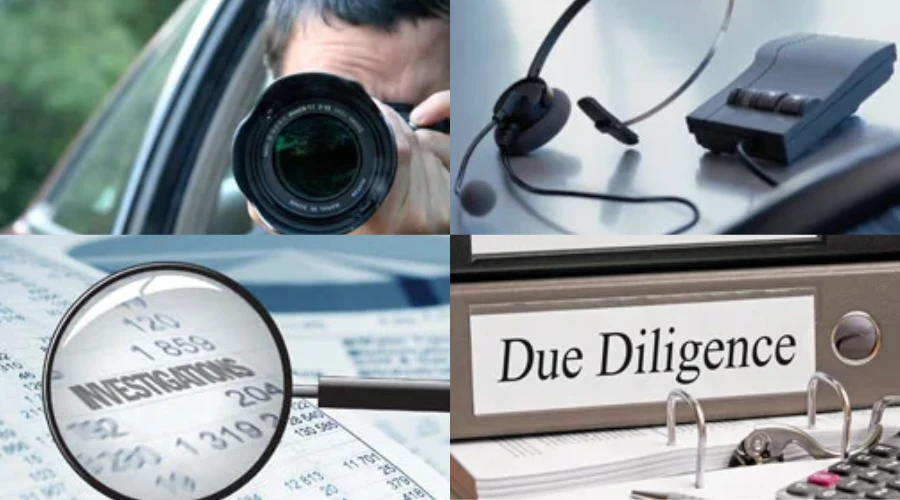
Watching and looking at items in the field
Private investigators go out into the field when digital research isn't helpful anymore. This could mean:
- Going to the last known addresses
- Keeping an eye on sites where people commonly go to
- Looking at new addresses without being spotted
- Fieldwork helps make sure that leads are still correct and up to date.
Skip tracing: Legal and ethical issues
Professionals that work as private investigators do skip tracing legally. They don't go near:
- Getting to data without permission
- Threats or harassment
- Misrepresentation
Ethical skip tracing services ensure that the results are correct and can be used responsibly in legal, civil, or personal contexts.
Why you should employ a professional investigator
You may sometimes obtain basic information online, however to do skip tracing successfully, you need:
- Access to databases that are specific to your field
- Have expertise figuring out information that isn't complete or is wrong
- Knowledge of laws about privacy
- Ways of investigating that have been proven to work
A good private investigator can identify persons faster, more accurately, and in a method that is legal, which saves time, stress, and unnecessary risk.
Last Thoughts
To discover out what really happened to those who are missing or hiding their identities, private investigators employ technology, research, human intelligence, and fieldwork. Skip tracing is still one of the most helpful things a private investigator can do, whether it's for a legal case, to recover money back, or for a personal reason.
If you need to find someone who has gone missing, hiring a private investigator will make sure the job is done lawfully, professionally, and without bringing attention to it.


























Sign in to leave a comment.