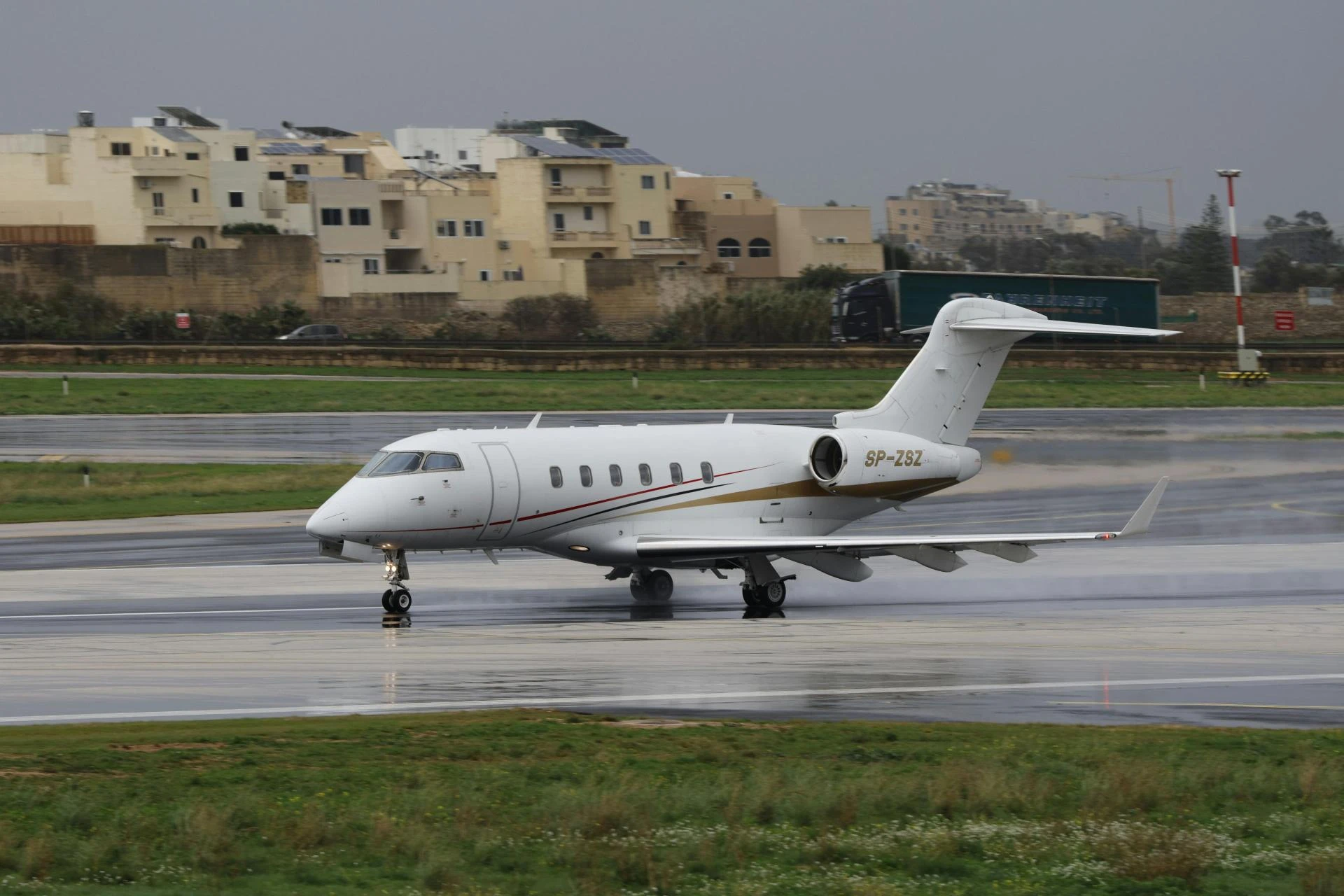

Flying private has long carried an air of luxury and exclusivity, but here's the thing: understanding how private jet pricing actually works doesn't have to feel like cracking some secret code. The truth is, charter costs vary wildly depending on a bunch of different factors, and you might be pleasantly surprised to discover that private aviation isn't quite as out of reach as you'd think. Maybe you're exploring private jet travel to squeeze more productivity out of business trips, keep family travel hassle-free, or celebrate a milestone in style. Whatever your reason, getting a solid grasp on how pricing works means you'll walk into that first booking conversation feeling confident and prepared. Let's break down what actually determines those price tags and what you need to know before your first flight.
The Core Factors That Determine Private Jet Costs
Here's what matters most: the type of aircraft you choose. Light jets, think four to seven passengers, are your most budget-friendly bet, especially for shorter hops and smaller groups. Midsize jets step things up with extra elbow room and the ability to fly cross-country comfortably, making them perfect when you need a bit more space without going overboard. Super midsize and heavy jets? They're built for transcontinental journeys, offering spacious cabins and all the bells and whistles you'd expect, which naturally means steeper hourly rates.
Flight distance and how long you're in the air play a huge role in your final bill. Most operators quote hourly rates, so longer flights naturally rack up more costs, that's straightforward enough. But distance alone doesn't paint the full picture. Wind patterns, required routing, and which airports you're using can all stretch or shrink your actual flight time in ways you might not expect.
Understanding Hourly Rates and What They Include
The hourly rate you'll see quoted isn't just one simple charge, it's actually bundling several operational pieces together. Crew salaries take up a significant chunk, covering your pilots and possibly flight attendants depending on the aircraft. Fuel costs swing dramatically based on the jet type and flying conditions, with bigger birds obviously guzzling more per hour than their smaller cousins. Maintenance reserves, insurance premiums, and the aircraft's depreciation usually get baked into that hourly figure too.
Additional Costs beyond the Base Charter Rate
Federal excise taxes hit private flights within the United States, typically calculated as both a percentage of your base cost plus a fee for each flight segment. Heading international? You'll likely face customs fees, handling charges, and aviation taxes that vary wildly depending on where you're going. Landing fees and ramp charges shift based on airport size and location, big city airports generally cost more than smaller regional fields. If you're planning a multi, day trip, overnight crew expenses come into play since operators need to cover hotel rooms and daily allowances for your flight crew. Winter travelers might see charges for de-icing, there could be hangar fees if weather protection is needed, and upgrading beyond standard catering adds to the tab. When planning your trip budget, professionals who need to evaluate flight costs for business planning often use a private jet cost estimator for beginners to understand total expenses. Always request a detailed breakdown showing all anticipated costs, it's the best way to avoid sticker shock down the road.
Membership Programs and Alternative Pricing Models
Jet card programs offer newcomers a sweet spot between buying your own plane and booking individual flights. These require upfront deposits, anywhere from twenty-five thousand to several hundred thousand dollars, in exchange for guaranteed availability and rates that won't fluctuate on you. Fractional ownership lets multiple parties' split aircraft ownership costs, giving you dedicated access to specific jet types with a set number of annual flight hours. Empty leg opportunities pop up when jets need to reposition between chartered flights, potentially saving you thirty to seventy-five percent off regular rates if your schedule's flexible enough to take advantage.
Peak Travel Times and Seasonal Price Variations
Private jet pricing isn't static, it bounces around quite a bit based on when everyone else wants to fly. Holiday periods like Thanksgiving, Christmas, and New Year's typically see prices spike as demand crushes available inventory. Major sporting events, the Super Bowl, championship games, big international tournaments, create capacity crunches in specific locations that push prices upward. Summer vacation season generally keeps pricing elevated compared to quieter months, especially for popular getaway destinations.
Making Private Jet Travel More Affordable
Smart planning can seriously trim your private jet costs without sacrificing the experience. Booking round-trips knocks out those pricey repositioning fees and often qualifies you for discounted rates from operators. Being flexible with departure times and dates opens doors to empty leg deals and off-peak windows when prices drop. Splitting flights with colleagues, family, or friends spreads costs across more people, slashing what each person pays.
Conclusion
Getting a handle on private jet pricing puts first-time flyers in the driver's seat when exploring private aviation. Sure, there's a bunch of variables that influence what you'll ultimately pay, but understanding the basics, aircraft types, hourly rates, extra fees, alternative pricing models, takes the mystery out of the whole process. Private jet travel delivers unmatched convenience, time savings, and comfort that often more than justify the premium over commercial airlines, particularly for business travelers juggling tight schedules or families managing complex itineraries. By planning thoughtfully, staying flexible where you can, and thoroughly comparing your options, you can maximize value while experiencing everything private aviation has to offer.
































Sign in to leave a comment.