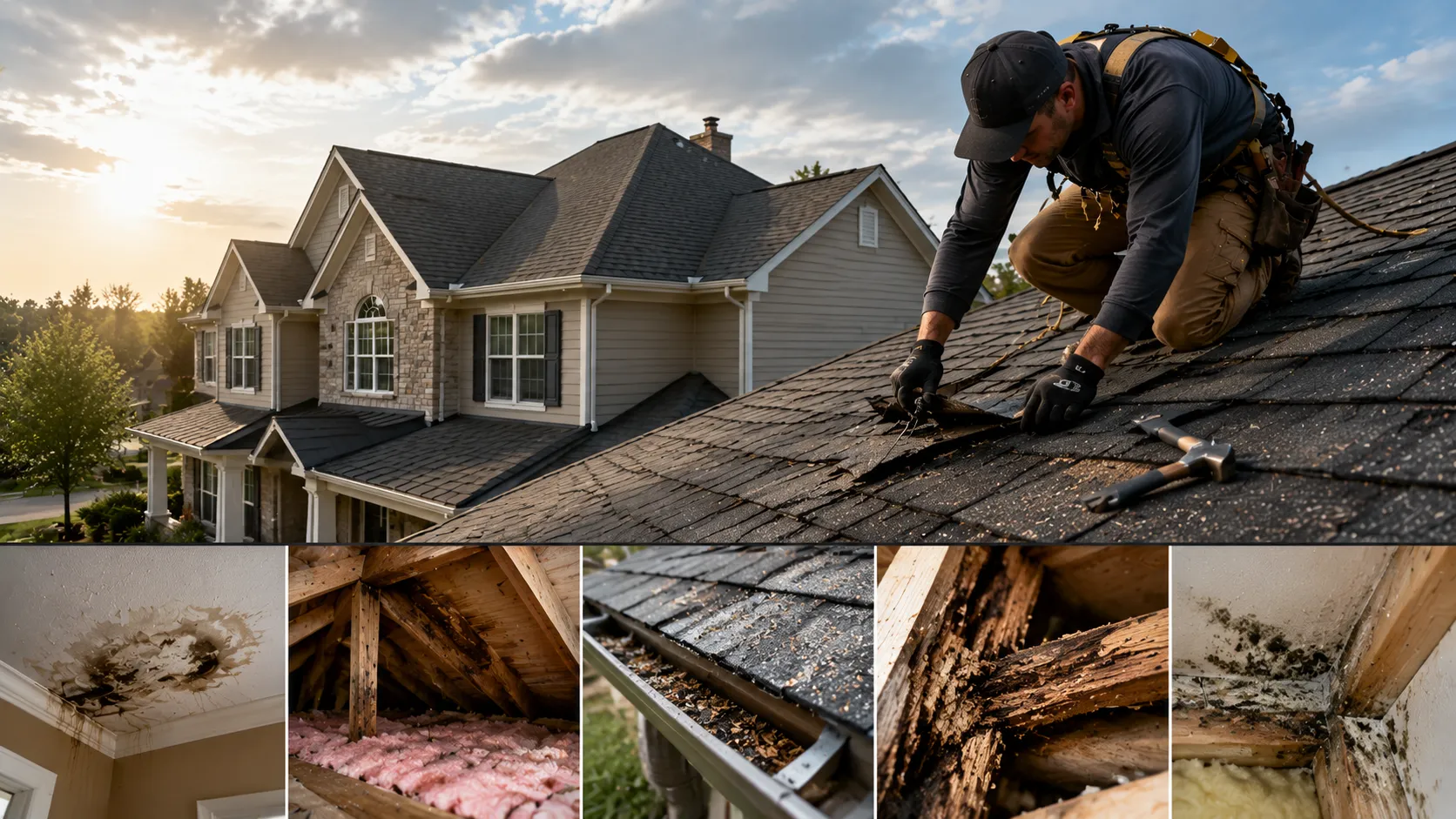

A roof does far more than keep rain and snow out of a building. It serves as the first line of defense against weather, moisture, temperature fluctuations and environmental wear. When a roof begins to deteriorate, the consequences often extend far beyond the roofing materials themselves. Small issues that seem harmless at first can gradually lead to significant structural problems affecting walls, ceilings, insulation, framing and even the foundation of a property.
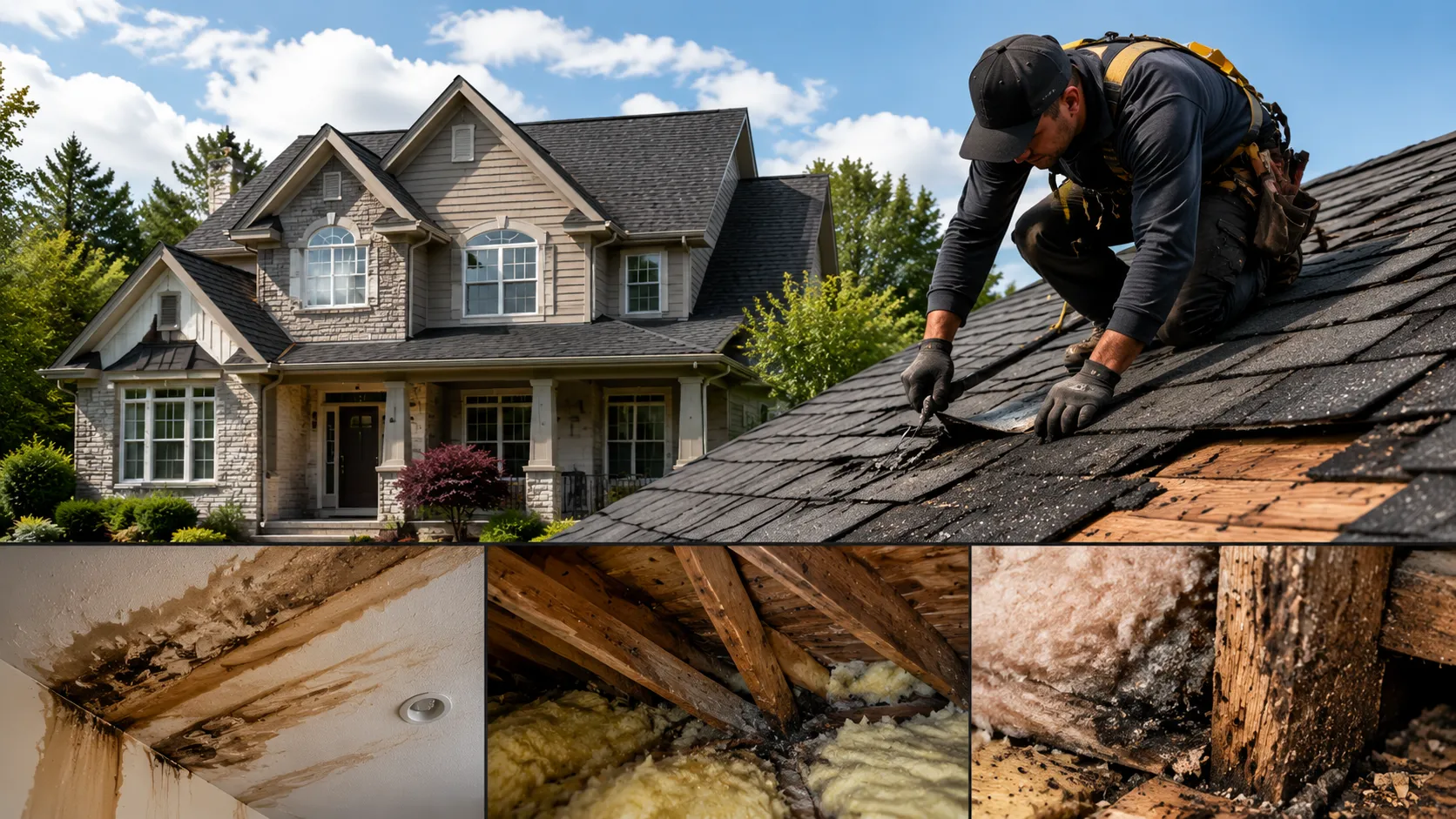
For homeowners and business owners in Richmond Hill, understanding the connection between roof maintenance and structural integrity is essential. Addressing roofing issues early can help prevent costly repairs and protect the long-term value of a property.
Why Roof Damage Should Never Be Ignored
Many property owners assume that a minor leak or a few damaged shingles are cosmetic concerns. In reality, roofing systems work as a complete protective barrier. When one section fails, water and moisture can begin infiltrating other areas of the building.
The most common roofing problems include:
- Missing or damaged shingles
- Flashing failures
- Cracked sealants
- Blocked drainage systems
- Water ponding on flat roofs
- Storm-related damage
- Aging roofing materials
While these issues may initially appear small, they often become much larger problems if left unresolved.
How Water Infiltration Causes Structural Damage
Water is one of the most destructive forces affecting residential and commercial properties. Once moisture enters through a compromised roof, it can travel throughout the building unnoticed.
Some of the most common consequences include:
Wood Rot
Roof framing, trusses, rafters and decking are often constructed using wood materials. Continuous moisture exposure causes these components to weaken over time.
As wood begins to rot, its structural strength decreases significantly, creating safety concerns and increasing repair costs.
Damaged Insulation
Roof leaks frequently affect attic insulation. Wet insulation loses much of its thermal efficiency, resulting in:
- Higher energy bills
- Poor indoor comfort
- Increased HVAC strain
- Reduced building efficiency
Replacing damaged insulation often becomes necessary when roof leaks are ignored.
Ceiling and Wall Deterioration
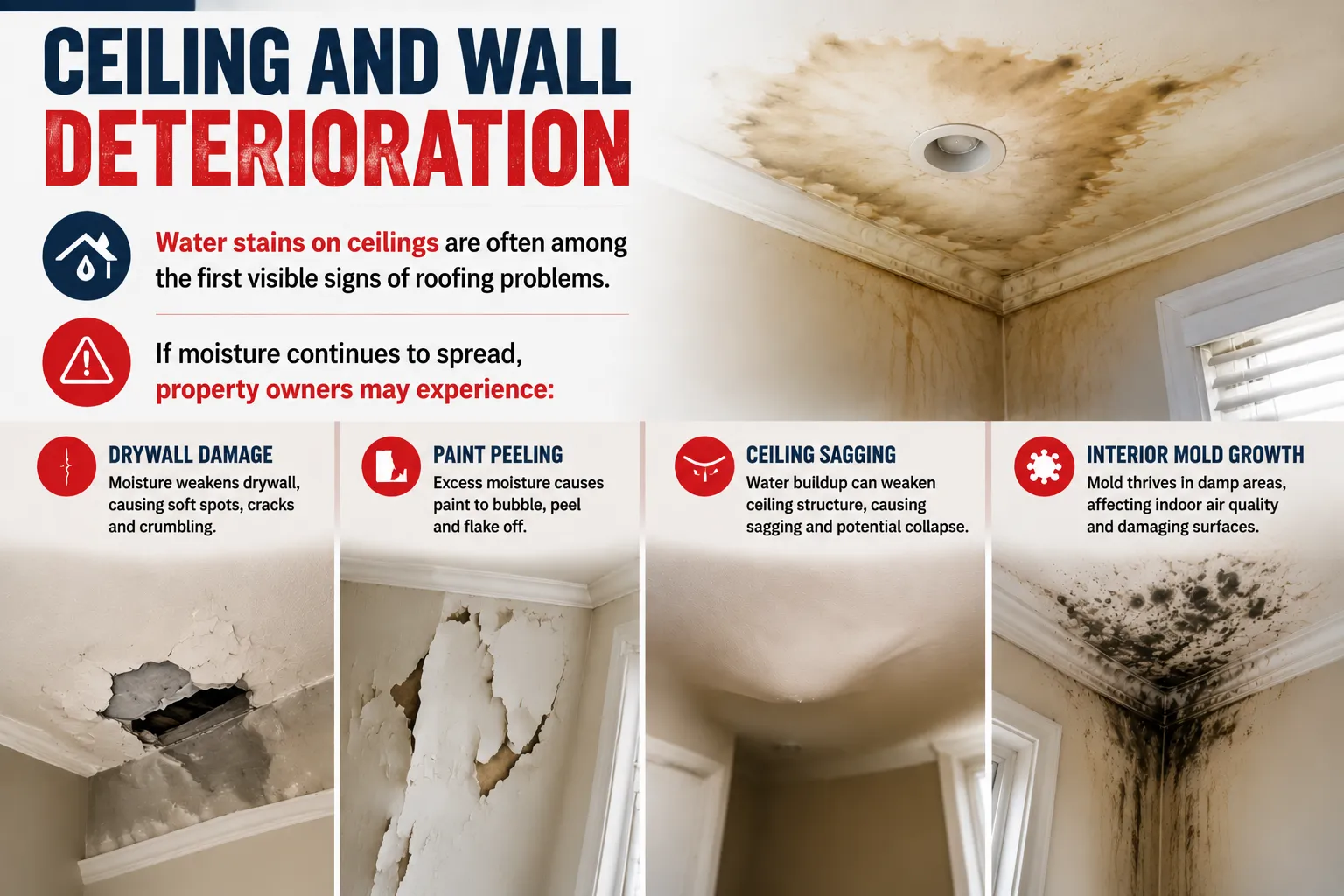
Water stains on ceilings are often among the first visible signs of roofing problems.
If moisture continues to spread, property owners may experience:
- Drywall damage
- Paint peeling
- Ceiling sagging
- Interior mold growth
Repairing these interior issues can become expensive when the root cause remains unresolved.
The Hidden Threat of Mold Growth
Moist environments create ideal conditions for mold development.
Even small roof leaks can introduce enough moisture to support mold growth inside:
- Attics
- Wall cavities
- Insulation
- Ceiling spaces
Mold not only damages building materials but can also negatively affect indoor air quality.
Many Richmond Hill property owners discover mold problems months after a roof leak first begins. Early intervention helps eliminate this risk.
How Roof Damage Impacts Structural Stability
A roofing system distributes weight and protects critical support components.
When water penetrates roofing materials over an extended period, structural members can weaken. Over time, this may result in:
- Roof deck deterioration
- Sagging roof sections
- Framing damage
- Reduced load-bearing capacity
During periods of heavy snow or severe weather, compromised structures become especially vulnerable.
This is one reason why professional inspections play such an important role in long-term property maintenance.
Storm Damage Can Create Long-Term Problems
Richmond Hill experiences a wide range of weather conditions throughout the year.
Common weather-related roofing threats include:
- High winds
- Heavy rainfall
- Snow accumulation
- Ice dams
- Freeze-thaw cycles
- Hail impacts
Storm damage is not always obvious from the ground. Roofing materials may become loosened, cracked or displaced without visible signs.
Professional assessments help identify hidden vulnerabilities before they develop into major structural concerns.
The Financial Impact of Delayed Repairs
Many property owners postpone repairs because they believe the issue is minor.
Unfortunately, roofing problems rarely improve on their own.
A small repair today can prevent:
- Interior renovations
- Structural rebuilding
- Mold remediation
- Insulation replacement
- Ceiling reconstruction
Investing in timely Roof Repair Services often saves thousands of dollars compared to addressing advanced structural damage later.
Protecting Commercial Properties from Roofing Failures
Commercial buildings face unique roofing challenges.
Flat roofing systems commonly found on commercial structures can experience:
- Ponding water
- Membrane deterioration
- Drainage issues
- Penetration leaks
Without proper maintenance, these issues may affect:
- Inventory
- Equipment
- Electrical systems
- Employee safety
- Business operations
This is why many property managers prioritize routine inspections and professional commercial roofing services to maintain building integrity and avoid operational disruptions.
Warning Signs You Should Never Ignore
Property owners should watch for early indicators of roofing problems.
Common warning signs include:
Interior Indicators
- Water stains on ceilings
- Damp walls
- Musty odors
- Visible mold growth
- Peeling paint
Exterior Indicators
- Missing shingles
- Curling shingles
- Cracked flashing
- Granules in gutters
- Sagging roof sections
If any of these signs are present, immediate action is recommended.
Searching for "roof repair near me" after damage becomes severe often leads to emergency repairs that could have been avoided through earlier maintenance.
The Value of Professional Roof Inspections
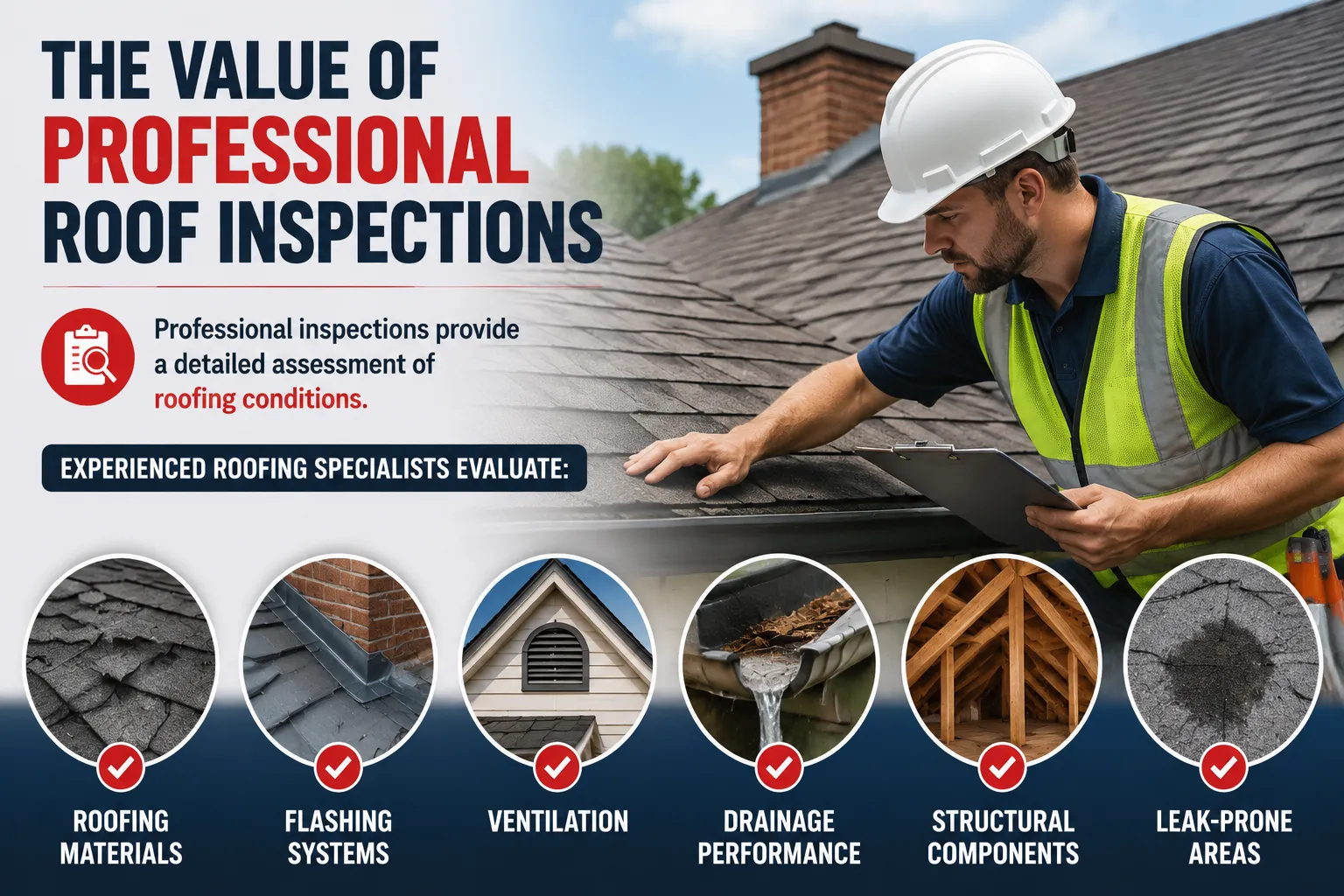
Professional inspections provide a detailed assessment of roofing conditions.
Experienced roofing specialists evaluate:
- Roofing materials
- Flashing systems
- Ventilation
- Drainage performance
- Structural components
- Leak-prone areas
These inspections help identify developing issues before they cause expensive structural damage.
Many roofing problems are invisible to untrained property owners, making professional evaluations particularly valuable.
Extending the Lifespan of Your Roof
Routine maintenance and timely repairs significantly increase roof longevity.
Benefits include:
- Reduced repair costs
- Better energy efficiency
- Improved weather resistance
- Enhanced property value
- Greater structural protection
Rather than waiting for visible leaks to appear, proactive maintenance helps maximize roofing performance throughout its service life.
Why Local Experience Matters
Richmond Hill's climate presents unique roofing challenges.
Local roofing professionals understand:
- Regional weather patterns
- Common roofing materials
- Building code requirements
- Seasonal maintenance needs
This knowledge helps ensure repairs are performed correctly and designed to withstand local environmental conditions.
Long-Term Property Protection Starts at the Roof
Every component of a property depends on a functioning roofing system.
When roofs are properly maintained, they protect:
- Structural framing
- Insulation systems
- Interior finishes
- Electrical infrastructure
- Building occupants
Ignoring roofing issues places all of these elements at risk.
Property owners who prioritize preventative maintenance typically experience fewer major repairs and lower long-term ownership costs.
Final Thoughts
Roofing problems rarely remain isolated to the roof itself. What begins as a small leak or damaged shingle can eventually affect ceilings, walls, insulation, structural framing and overall building stability. Taking a proactive approach helps prevent these issues from escalating into costly repairs.
At Spiros Aluminum & Roofing Inc., we have spent decades helping residential and commercial property owners protect their investments through quality roofing solutions, inspections, maintenance and commercial roofing services. For Richmond Hill property owners, timely Roof Repair Services remain one of the most effective ways to prevent expensive structural damage and maintain the safety, value and longevity of any property.
Frequently Asked Questions
1. How often should a roof be inspected to prevent structural damage?
Most roofing professionals recommend a comprehensive roof inspection at least once per year and after major storms. Regular inspections help identify hidden issues before they lead to structural deterioration.
2. Can a small roof leak really cause major structural problems?
Yes. Even a minor leak can allow moisture to enter roofing components, insulation and framing. Over time, this can result in mold growth, wood rot and costly structural repairs.
3. What is the biggest warning sign that roof repairs are needed?
Water stains on ceilings, missing shingles, sagging roof sections and granules accumulating in gutters are among the most common signs that immediate attention is required.
4. How do commercial roofing systems differ from residential roofs when it comes to repairs?
Commercial roofing systems often feature flat or low-slope designs that are more susceptible to drainage issues and water ponding. Specialized repair techniques are typically required to maintain performance.
5. How can homeowners find reliable roofing professionals in Richmond Hill?
Look for experienced local contractors with proven project histories, strong customer reviews, proper licensing and expertise handling Richmond Hill's climate and roofing challenges.
























Sign in to leave a comment.