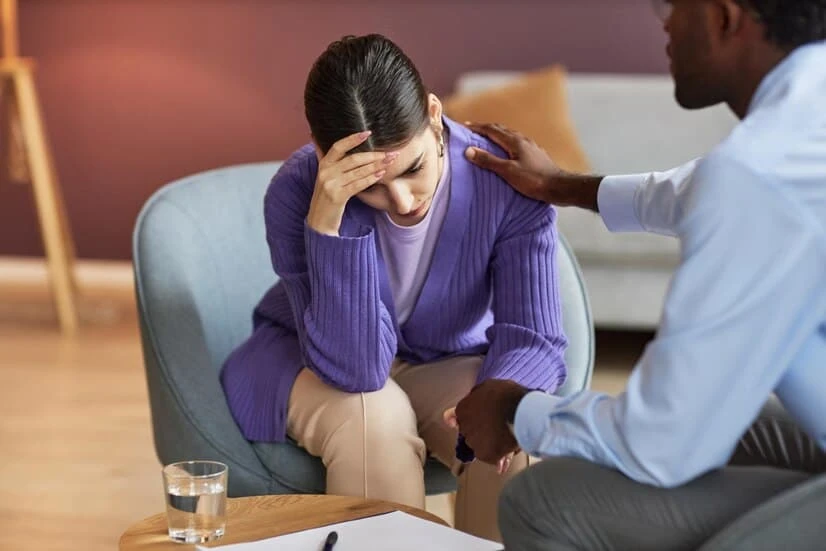

Post-Traumatic Stress Disorder (PTSD) not only affects the individual living with it, but it can also deeply impact their relationships as well. Whether it's with a partner, family member, friend, or colleague, the ripple effects of trauma can challenge even the strongest connections.
Understanding how PTSD shows up in relationships is an important first step toward managing its influence. With the right support, communication strategies, and treatment, individuals and their loved ones can rebuild trust, intimacy, and emotional connection. For those exploring PTSD treatment in Tustin, recognizing these relational dynamics can be a helpful part of the healing journey.
The Emotional Toll of PTSD on Relationships
PTSD often alters how individuals process emotions, respond to stress, and connect with others. These changes can make close relationships more difficult to navigate.
Some of the most common relational effects include:
1. Emotional Withdrawal:
Many individuals with PTSD experience emotional numbness or detachment. This can make them seem distant or disinterested, even when they care deeply. Loved ones may feel rejected or confused by the lack of emotional availability.
2. Heightened Irritability or Anger:
Irritability and anger are common symptoms of PTSD, and they may emerge unexpectedly. Triggers—whether loud noises, sudden movements, or stressful interactions—can lead to outbursts that strain relationships and make others feel unsafe or unsure of how to help.
3. Avoidance Behaviors:
Those with PTSD often avoid people, places, or conversations that remind them of their trauma. In relationships, this can look like withdrawing from intimacy, skipping important events, or refusing to discuss certain topics, which can lead to misunderstandings or feelings of neglect.
4. Trust Issues:
Trauma, especially interpersonal trauma, can shatter a person’s ability to trust. As a result, they might find it hard to believe in others’ intentions, leading to suspicion, jealousy, or difficulty committing to relationships.
5. Difficulty Communicating Needs:
When someone is constantly in a state of emotional overload, they may struggle to express their needs clearly or listen to others. This can cause breakdowns in communication and create emotional distance over time.
The Impact on Loved Ones
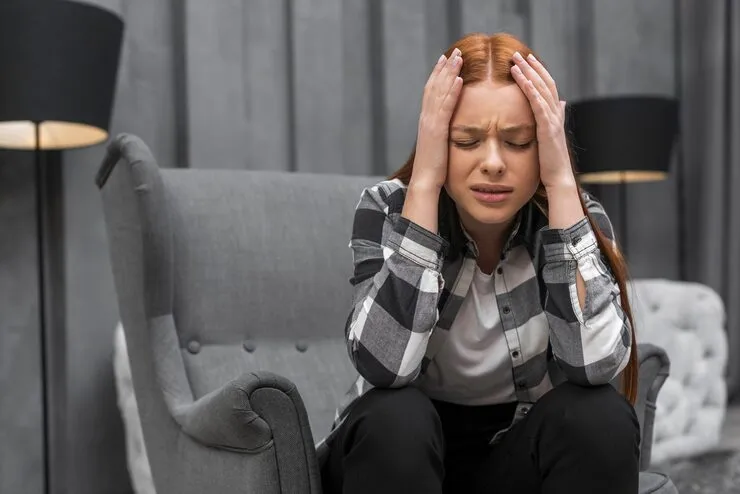
It’s not uncommon for partners, family members, or close friends to feel overwhelmed, helpless, or even resentful when someone they care about is struggling with PTSD. They may not understand what’s happening or may personalize the changes in behavior.
In some cases, loved ones might begin to adjust their own behavior to “keep the peace,” walking on eggshells to avoid triggering the individual with PTSD. Over time, this can lead to resentment, isolation, or burnout.
Supporting someone with PTSD requires patience and self-awareness. It also requires that loved ones prioritize their own mental health, creating a balance between being present and setting healthy boundaries.
Ways to Cope Together
While PTSD can challenge relationships, it doesn’t have to break them. With consistent effort, education, and support, healing together is possible. Here are some ways individuals and couples can cope with PTSD’s relational impact:
1. Learn About PTSD
Understanding that PTSD is a neurobiological condition—not a personality flaw—can foster compassion. When both partners recognize the roots of symptoms, they’re better equipped to respond with empathy rather than judgment.
2. Establish Clear Communication
Practicing open, honest communication—without blame—helps reduce misunderstandings. Phrases like “I feel,” rather than “you always,” can shift the tone of conversations and promote emotional safety.
3. Identify Triggers and Safety Plans
Recognizing common triggers and establishing strategies for navigating them can help prevent conflict or emotional shutdowns. Whether it’s taking breaks during heated conversations or having a plan for high-stress days, these tools create a sense of shared responsibility.
4. Seek Individual and/or Couples Therapy
Therapy can be a powerful space to explore personal trauma, build coping tools, and strengthen the relationship. Some individuals benefit from trauma-focused therapy on their own first, while others may benefit from couples counseling that includes trauma education.
5. Explore Treatment Options
There is no one-size-fits-all approach to PTSD treatment. Traditional methods like Cognitive Behavioral Therapy (CBT), Eye Movement Desensitization and Reprocessing (EMDR), or mindfulness-based therapies can be effective.
In recent years, ketamine therapy has emerged as a promising option for individuals who haven't responded to standard treatments. Ketamine may help disrupt cycles of emotional reactivity and reduce the intensity of traumatic memories, allowing space for healthier relationship dynamics to form.
Some providers offering PTSD treatment in Tustin have introduced ketamine as part of a broader treatment approach. Renew Ketamine Infusion, for example, is among those integrating ketamine with mental health care in a way that prioritizes both symptom relief and emotional healing.
Creating Space for Connection
Recovery from PTSD is a process, and it’s rarely linear. Good days may be followed by difficult ones. What’s important is that individuals and their loved ones don’t lose sight of the relationship’s value, even when navigating trauma feels exhausting.
Relationships affected by PTSD need room for vulnerability, boundaries, and grace. Loved ones should feel empowered to take breaks, access their own therapy, and speak openly about how they’re feeling, too.
It’s also vital to recognize progress, no matter how small. When someone opens up, tries a new therapy, or simply communicates a difficult emotion, these moments of courage can deepen connection and create hope.
For those living in the Tustin area and seeking help, a range of options exists. Clinics like Renew Ketamine Infusion are part of the broader mental health community working to support individuals and families dealing with trauma.
Final Thoughts
PTSD can complicate relationships, but it doesn’t mean love, trust, or connection are out of reach. With awareness, communication, and thoughtful treatment, it is possible to repair emotional bonds and build healthier patterns moving forward.
If you or someone you care about is struggling in the aftermath of trauma, exploring PTSD treatment in Tustin may be a helpful step toward healing, both individually and together.

























Sign in to leave a comment.