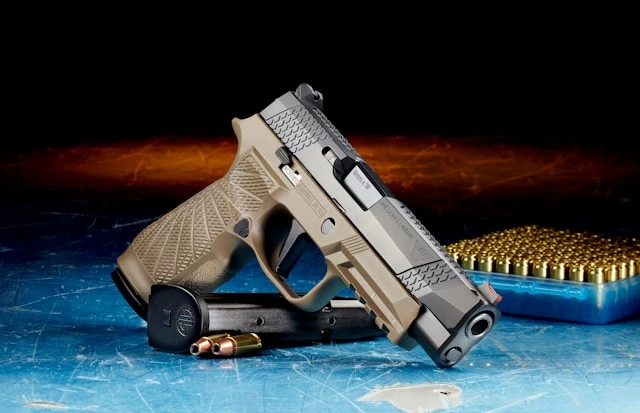

A loose grip. A cheap holster that collapses after a few months. A sight that shifts ever so slightly after repeated use. Small issues, easy to overlook, yet they tend to show up at the worst possible moment. Anyone who has spent time around firearms knows this uncomfortable truth: the details matter, sometimes more than the firearm itself.
Quality gun accessories sit at the intersection of safety and performance. They are not flashy add-ons or status symbols. They are functional tools that quietly shape how a firearm behaves, how it is handled, and how predictable it remains under pressure.
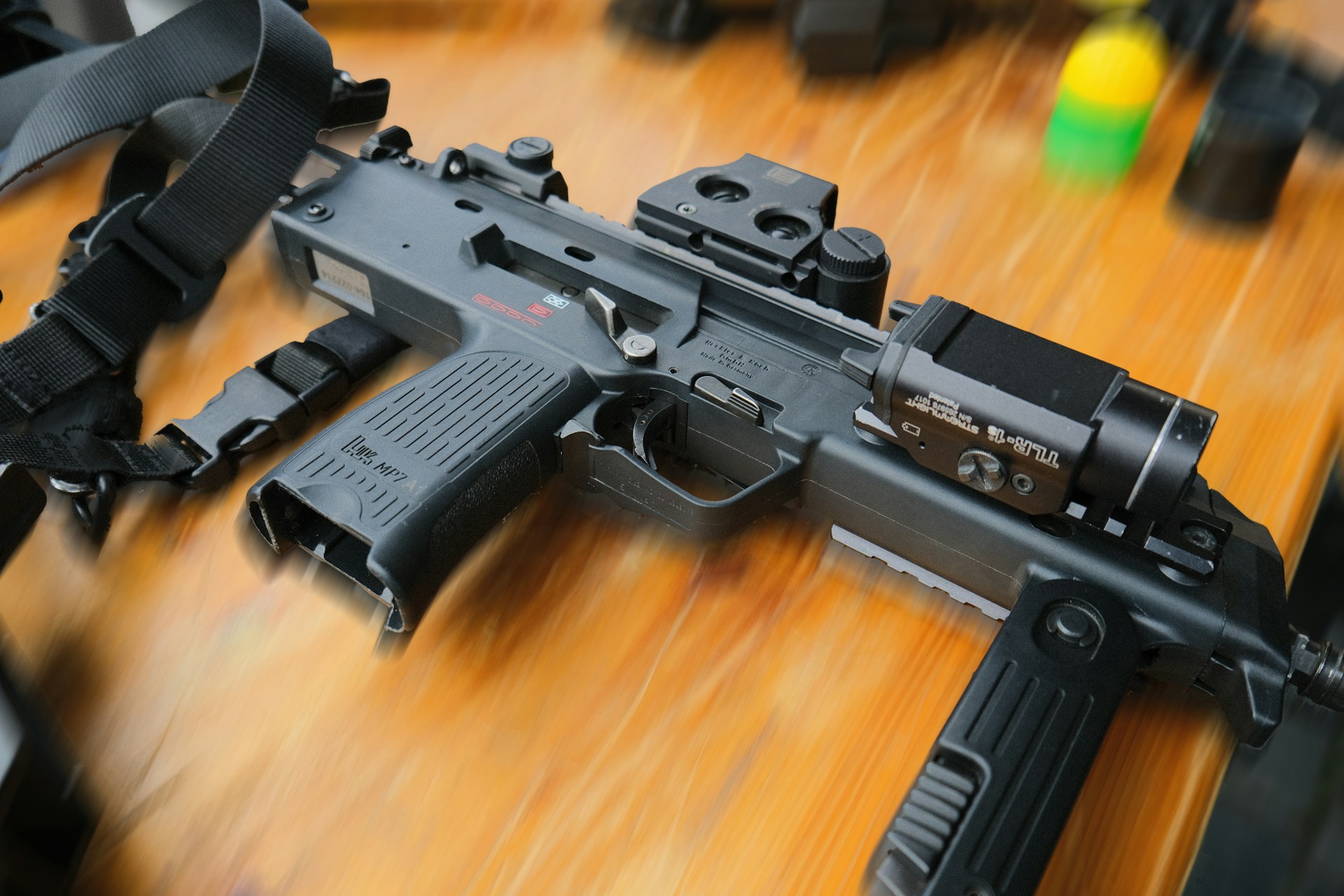
Early on, most owners focus on the firearm and ammunition. Accessories come later, often as an afterthought. Still, seasoned shooters tend to reach the same conclusion with time: reliable Gun Accessory Supply choices reduce risk, improve control, and build confidence in ways that are difficult to appreciate until something goes wrong.
Safety Starts Where the Hand Meets the Firearm
Ever noticed how a firearm feels different when the grip fits properly? That sensation is not psychological. Grip texture, angle, and material directly affect recoil control and trigger discipline.
A poorly designed grip encourages subtle adjustments mid-use. Fingers shift. Wrists compensate. Those micro-movements increase the chance of slipping or unintended trigger contact. Quality grips, by contrast, lock the hand into a natural position. The firearm feels planted. Calm replaces tension.
The same logic applies to stocks, foregrips, and recoil pads. When a firearm sits correctly against the body, stability improves. Less movement means fewer surprises. Strange, but true—comfort often translates into safety.
Holsters: Quiet Guardians of Trigger Safety
Holsters rarely receive praise, yet they might be among the most critical accessories in any setup. A rigid, well-molded holster protects the trigger guard completely. No gaps. No flex. No guesswork.
Cheap holsters tend to soften over time. Edges bend inward. Retention weakens. That is where accidents begin—not during use, but during everyday handling.
A quality holster maintains its shape regardless of temperature or wear. Draws feel consistent. Reholstering does not require awkward angles or second attempts. Predictability reduces mistakes. Still, rules exist for a reason.
Sights and Optics: Accuracy Is a Safety Feature
Accuracy often gets framed as a performance metric. Tight groupings. Better scores. Cleaner hits. Yet accuracy also plays a role in safety, especially in high-stress scenarios.
Poor-quality sights lose zero. Optics fog, flicker, or fail under recoil. When that happens, shooters compensate instinctively, sometimes rushing shots or forcing alignment. Not ideal.
Reliable sights do the opposite. They remove uncertainty. Target acquisition becomes faster, calmer, almost automatic. When shots land where expected, decision-making improves. Confidence grows. Hesitation fades.
Ever noticed how fewer corrections lead to fewer errors? Same principle.
Magazine Quality and Feeding Reliability
Malfunctions disrupt rhythm and raise stress levels. A jam during practice is frustrating. During a defensive situation, it is something else entirely.
Magazines are often the weak link. Springs wear out. Feed lips deform. Cheap materials crack under repeated use. None of this is dramatic—until it is.
High-quality magazines feed smoothly and consistently. Rounds sit at the correct angle. Springs provide even pressure. The firearm cycles as designed, without surprises. Reliability, in this context, becomes a form of safety through predictability.
Maintenance Tools That Prevent Long-Term Risk
Cleaning kits and maintenance accessories rarely get attention in performance discussions. Yet neglect leads to corrosion, buildup, and eventually failure.
Quality cleaning tools fit properly. Brushes reach where needed. Rods do not scratch or bend. Over time, this preserves internal components and ensures consistent function.
A well-maintained firearm behaves as expected. No stiff triggers. No sluggish cycling. Less chance of misfires or mechanical surprises. Maintenance may be quiet work, but it pays dividends.
Performance Is Often About Reducing Fatigue
Fatigue changes behavior. Grip pressure weakens. Posture collapses. Focus drifts. Accessories that reduce fatigue indirectly improve safety.
Recoil management systems, ergonomic grips, and balanced stocks reduce strain during extended use. When the body is not fighting the firearm, attention stays on fundamentals. Smooth breathing. Clean trigger pulls. Controlled follow-through.
Quality accessories work with the shooter, not against them.
The Tactical Conversation—Without the Hype
The phrase best tactical gear gets thrown around casually, usually paired with aesthetics rather than function. In reality, tactical accessories earn their reputation through durability, reliability, and consistent performance under stress.
These products are built to endure drops, weather changes, and repeated use without degradation. The benefit is not bravado. It is trust. When accessories behave the same way every time, mental bandwidth stays focused on decisions, not equipment.
Small Choices, Lasting Impact
Gun accessories shape behavior more than most realize. They influence how firearms are handled, how confidently they are used, and how safely they integrate into daily routines.
The difference between budget gear and quality accessories rarely appears immediately. It emerges slowly—through fewer malfunctions, steadier hands, and a sense that nothing feels rushed or uncertain.
In the end, quality accessories do not seek attention. They simply work. And in the world of firearms, quiet reliability is often the highest standard of all.







Sign in to leave a comment.