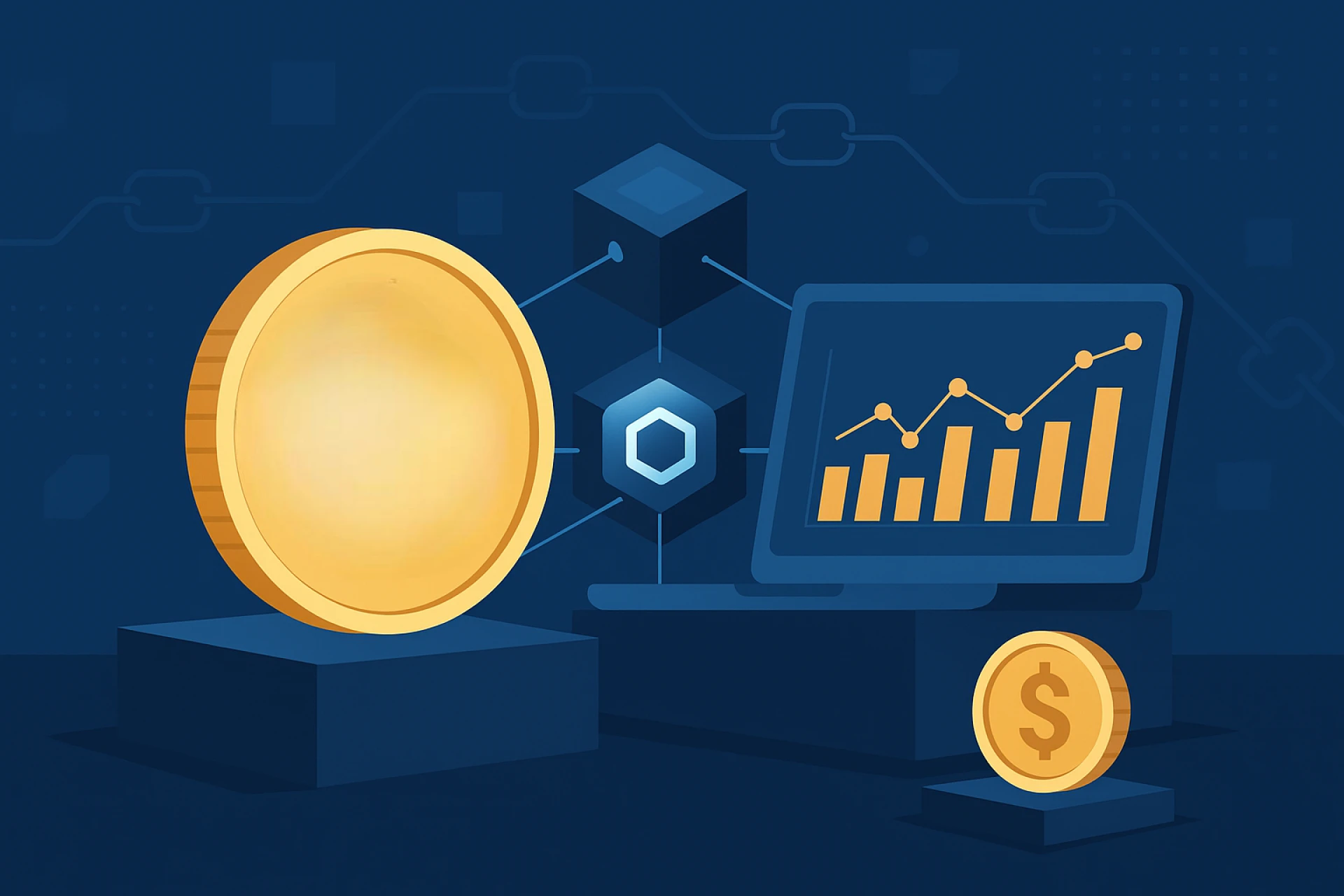

In 2025, the world is witnessing a pivotal shift in how value is stored, transferred, and accessed. Traditional financial systems, once defined by centralized intermediaries and geographical limitations, are being reimagined through the lens of blockchain technology. At the center of this transformation lies real-world asset (RWA) tokenization a breakthrough that is redefining ownership, democratizing investment, and enhancing liquidity across markets.
RWA tokenization enables tangible assets such as real estate, commodities, fine art, and equities to be represented as digital tokens on a blockchain. This innovation is paving the way for a new generation of digital markets ones that are more inclusive, efficient, and interoperable than their traditional counterparts. This blog explores the mechanics behind RWA tokenization, the sectors being disrupted, and how this model is powering the evolution of finance in the digital age.
What Is Real-World Asset Tokenization?
Real-world asset tokenization is the process of converting ownership rights in physical assets into digital tokens on a blockchain. These tokens can represent fractional or full ownership and are powered by smart contracts to automate actions like payments, transfers, and revenue sharing.
Anchored on decentralized networks, these tokens offer transparency, immutability, and verifiability. Legally, each token reflects a real-world right, validated through custodians or regulatory structures. Unlike traditional asset transfers, which involve intermediaries and paperwork, tokenization enables global, real-time trading and broadens access to high-value assets through fractional ownership.
How Tokenization Works
The process of tokenizing a real-world asset typically involves the following stages:
Asset Identification and Valuation
A real-world asset such as real estate, artwork, or a commodity is first identified and evaluated for its market worth. Third-party appraisals and audits are often conducted to establish a baseline valuation.
Legal Structuring and Compliance
Legal frameworks are created to bind the digital tokens to enforceable rights. This may include issuing shares through a special purpose vehicle (SPV) or using trusts to hold the underlying assets on behalf of token holders.
Custody and Escrow
The asset is placed under secure custody either physical or legal ensuring that it remains accessible and transferable according to the digital representation. Custodians may be licensed entities that safeguard the actual asset.
Token Creation and Smart Contracts
Smart contracts are developed on blockchain platforms like Ethereum, Polygon, or Solana. These contracts define token behaviors, including transferability, compliance checks, dividend payouts, or voting rights.
Token Issuance and Distribution
Once created, the tokens are issued through a platform, either via private sale, public offering, or integration into secondary markets. Investors can purchase these tokens and hold or trade them as needed.
Why RWA Tokenization Is Gaining Global Momentum in 2025
Institutional Embrace and Mainstream Recognition
Major financial institutions such as BlackRock, Citi, JPMorgan, and HSBC are now actively experimenting with or deploying tokenized assets. Tokenized U.S. Treasuries and tokenized money market funds are becoming common, and private equity firms are beginning to offer token-based fund shares.
Tokenization enables these institutions to unlock new operational efficiencies, tap into digital liquidity pools, and expand their global investor base. With regulators slowly warming to the concept, institutional participation is accelerating the mainstreaming of tokenized RWAs.
Unlocking Liquidity in Illiquid Markets
Real estate, fine art, private equity, and infrastructure projects are notoriously illiquid. Tokenization enables fractional ownership and seamless 24/7 trading, effectively turning these slow-moving assets into liquid financial instruments.
An apartment complex in Dubai or a wind farm in Chile can now be accessed and traded by investors in New York or Singapore through tokenized shares. This capability opens up global capital flows like never before, allowing capital to find opportunity regardless of geography.
Enabling Global Accessibility and Financial Inclusion
Traditionally, many high-value assets were only accessible to wealthy investors, accredited buyers, or institutional firms. Tokenization changes that. Now, investors with just a few hundred dollars can gain exposure to premium asset classes like luxury real estate or rare paintings.
Additionally, in underbanked regions, blockchain-based wallets and tokenized products offer access to global financial markets without relying on local banking infrastructure. This democratization of finance is particularly impactful for emerging economies.
Enhanced Efficiency and Transparency
Settlement times in traditional markets can take days. In contrast, blockchain-powered transactions settle in minutes or even seconds. Smart contracts remove many manual processes, reducing costs and human error.
Additionally, every transaction is immutably recorded on-chain, providing a permanent and auditable record of ownership, compliance, and transfers. This significantly enhances investor trust and reduces risks associated with fraud and opacity.
Key Benefits of RWA Tokenization
Liquidity Unlocking for Illiquid Assets
Assets such as commercial real estate, infrastructure, and collectibles have traditionally been illiquid. Tokenization enables fractional ownership and peer-to-peer trading, effectively unlocking trillions in previously idle value and enhancing global financial flexibility, speed, and accessibility across broader capital markets.
Fractional Ownership
Investors no longer need to buy an entire building or painting. With fractional ownership, they can hold as little as 0.01% of an asset, diversifying their portfolios across asset types, regions, sectors, and risk levels with unprecedented efficiency, flexibility, and cost-effectiveness.
Democratization of Investment
Tokenization levels the playing field. Investors from developing nations can now access premium asset classes like U.S. real estate, European government bonds, or African commodity reserves using just a digital wallet and a few dollars without relying on traditional financial gatekeepers or institutions.
Programmability and Transparency
Smart contracts automate distributions, royalties, and compliance. Blockchain’s transparent ledger ensures that investors can track ownership, transaction history, and performance in real-time without relying on intermediaries, boosting trust, reducing fraud, and minimizing costly administrative overhead.
Industries Being Transformed by RWA Tokenization
Real Estate
From tokenized residential apartments to commercial office buildings and hospitality projects, real estate is one of the most active sectors in the RWA space. Platforms now offer rental income distribution, automated governance, real-time reporting, and simplified cross-border transactions. Investors can buy into global properties with a few clicks and receive yield directly through smart contracts.
Commodities and Natural Resources
Precious metals like gold and silver, agricultural goods like soybeans, and energy resources like crude oil are being tokenized. These tokens serve as effective hedging tools, collateral within DeFi protocols, and instruments for global trade settlement. Increasingly, they are also integrated into sustainable investment strategies and ESG-aligned portfolios.
Private Equity and Venture Capital
Startups and private funds are now offering tokenized equity, enabling early investors to exit via secondary markets. This reduces the risk of capital lock-in and encourages wider participation in early-stage funding. Tokenization brings liquidity to an otherwise illiquid market, allowing for transparent cap tables and automated investor rights management.
Fine Art and Collectibles
With tokenization, a rare Picasso or Banksy can be fractionalized and distributed to thousands of investors. Token holders may receive a share of resale proceeds, exhibition royalties, or licensing revenue turning fine art into an income-generating, tradable asset. Tokenization also enhances provenance verification and protection against forgery.
Carbon Credits and ESG Assets
Tokenization enhances the transparency, traceability, and tradeability of carbon credits. This helps companies meet ESG compliance goals while creating a new class of green investment products for impact-conscious investors. With blockchain, each credit is trackable from issuance to retirement, ensuring environmental claims are verifiable and tamper-proof.
How DeFi Platforms Are Leveraging RWAs
Decentralized finance (DeFi) protocols are rapidly incorporating real-world asset (RWA) tokens to back loans, liquidity pools, and investment vaults creating a powerful fusion of traditional finance and blockchain innovation. Projects like Centrifuge, Goldfinch, Maple Finance, and Ondo Finance are at the forefront of this shift, building robust infrastructure to bridge on-chain liquidity with off-chain asset value.
These platforms are pioneering the integration by:
- Accepting tokenized invoices, receivables, real estate, or property as collateral
- Offering stablecoin loans and credit facilities backed by tangible, real-world assets
- Allowing users to stake RWA tokens in liquidity protocols to earn predictable, real-world yield
This convergence of RWAs and DeFi is commonly known as RealFi a term that reflects the evolution of decentralized platforms into engines of real-world financial services. Unlike traditional financial institutions, RealFi solutions operate with increased transparency, real-time settlement, automated compliance, and global accessibility.
Security, Standards, and Infrastructure
For tokenized asset markets to thrive, they must be built on robust, secure, and interoperable infrastructure. As the volume of tokenized real-world assets grows, ensuring safety, transparency, and compliance is essential to attract institutional capital and scale adoption.
Compliant Token Standards
Token standards such as ERC-1400 and ERC-3643 (formerly known as T-REX) enable issuers to embed complex compliance rules directly into the smart contract layer. These standards support features like transfer restrictions, investor whitelisting, KYC/AML enforcement, and real-time identity checks. By integrating regulatory logic into tokens, they ensure automated enforcement of jurisdictional laws while preserving programmability.
Institutional Custody
Licensed custodians such as Anchorage Digital, BitGo, or Fireblocks are critical to managing the safekeeping of off-chain physical assets or legally binding claims that back the token. They often provide additional services like multi-signature controls, insurance coverage, regulatory reporting, and third-party audits. Institutional custody adds a layer of trust, compliance, and operational security necessary for mainstream investors.
Cross-Chain Interoperability
As tokenized assets span multiple chains, the need for secure and scalable interoperability is growing. Blockchain bridges and messaging protocols like Wormhole, LayerZero, or Chainlink CCIP enable tokens to move seamlessly across Ethereum, Solana, Avalanche, and various layer-2 solutions like Arbitrum or Optimism. This connectivity ensures liquidity is not fragmented and allows for efficient asset composability across ecosystems.
Oracles and Registries
Reliable data feeds and asset verification are crucial. Oracles like Chainlink or Pyth Network deliver real-time market data such as interest rates, asset valuations, or inflation indices. These feeds inform smart contract logic, automate financial instruments, and reduce reliance on centralized data sources. On-chain token registries, meanwhile, authenticate asset provenance, validate legal ownership, and ensure that only legitimate tokens are recognized across DeFi protocols and exchanges.
Regulatory Landscape and Global Developments
Governments and financial watchdogs around the world are increasingly recognizing the transformative potential of tokenized real-world assets. As adoption surges, regulatory frameworks are evolving to support secure, compliant market growth while mitigating systemic risks.
European Union
The EU is leading with regulatory clarity. The Markets in Crypto-Assets (MiCA) framework and the DLT Pilot Regime are laying down the groundwork for legally compliant trading of tokenized securities. These initiatives provide a sandbox environment for innovation while ensuring investor protection, capital controls, and clear legal backing for on-chain financial products.
Singapore and UAE
Singapore’s Monetary Authority (MAS) and the UAE’s Virtual Assets Regulatory Authority (VARA) have created forward-looking digital asset regulations. These regimes define rules for token issuance, custody, secondary market trading, and exchange operations. Both regions are quickly becoming hubs for tokenization startups, institutional pilots, and real-world deployment of blockchain infrastructure.
United States
Although the U.S. regulatory landscape remains fragmented, progress is being made. Agencies like the SEC, CFTC, and FINRA are adjusting their stances to accommodate security tokens and digital assets backed by tangible real-world value. The emergence of digital asset legislation in Congress like the FIT21 Act is likely to bring greater clarity and investor confidence to RWA markets in the coming years.
Global Standardization
The International Token Standardization Association (ITSA) and other working groups are driving efforts to harmonize definitions, compliance requirements, and taxonomy for tokenized assets. These global standards help bridge the gap between jurisdictions and make tokenized instruments easier to onboard across multiple regulatory zones.
Conclusion
Real-world asset tokenization is no longer just a trend it marks a fundamental shift in how we approach ownership, investment, and global finance. By bridging traditional asset stability with blockchain innovation, tokenized RWAs unlock new asset classes, enhance capital efficiency, and promote financial inclusion. As tokenization, regulation, and institutional interest converge in 2025, those who embrace this transformation now whether by investing, building, or adopting tokenized solutions will be at the forefront of shaping the future of digital markets.


























Sign in to leave a comment.