

Regular septic tank maintenance in Hernando can help prevent common problems such as slow drains, bad odors, sewage backups, and drain field damage. Septic systems handle wastewater every day, so regular care is important for keeping the tank working properly. Routine pumping, cleaning, and inspections can also help catch small issues before they become expensive repairs.
Why Septic Tank Maintenance Matters
A septic tank collects wastewater and allows solids to settle at the bottom while liquids move toward the drain field. Over time, sludge and scum build up inside the tank. Without regular pumping, the tank can become too full and stop working as it should.
When waste builds up too much, solids can move toward the drain field. This can clog the soil and make it harder for wastewater to drain properly. Regular maintenance helps keep these solids under control and gives the septic system enough space to work normally.
How Septic Pumping Helps Prevent Problems
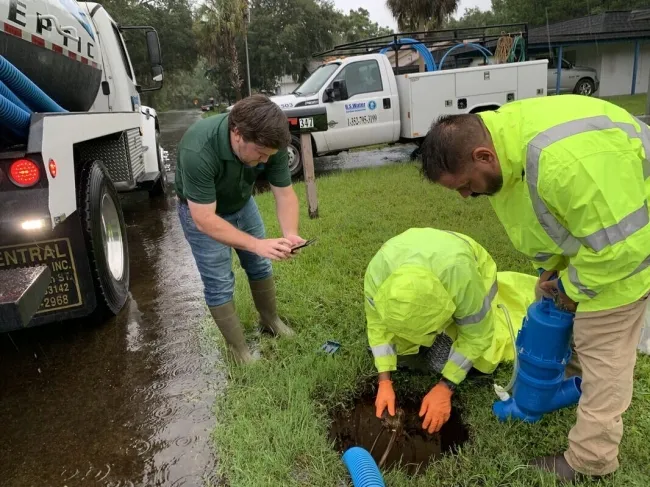
Septic pumping in Hernando is one of the most important parts of routine septic care. Pumping removes the waste that collects inside the tank before it reaches a level that can cause problems.
Most residential septic tanks need pumping every three to five years, although the right schedule depends on household size, water usage, tank size, and other factors. A larger household may need more frequent pumping because the tank fills faster.
Waiting until a problem appears is not always a good idea. Slow drains, gurgling pipes, bad smells, and wet areas near the drain field can be signs that the system needs attention.
Regular Cleaning Can Help Keep the Tank Working Properly
Pumping and cleaning are not exactly the same. Pumping removes the liquid and accumulated waste from the tank, while cleaning can remove buildup that sticks to the tank walls and internal parts.
Over time, hardened sludge and other buildup can reduce the usable space inside the tank. Proper cleaning helps remove this buildup and gives the tank more room to handle wastewater.
Regular cleaning can be especially useful when there has been heavy buildup or when the tank has not received service for a long time.
Watch for Early Warning Signs
Small warning signs should not be ignored. Common signs of a septic problem include:
- Slow drains throughout the property
- Gurgling sounds from toilets or pipes
- Sewage odors inside or outside
- Water or soggy areas near the drain field
- Sewage backing up into sinks, showers, or toilets
- Unusually green or wet grass around the drain field
These signs can point to a full tank, drainage problem, or another septic issue. Taking action early can help prevent a small problem from becoming a major repair.
Protecting the Drain Field
The drain field plays an important role in the septic system. It receives wastewater from the tank and allows it to move through the soil for further treatment.
When too many solids leave the tank, the drain field can become clogged. Once the soil becomes overloaded, wastewater may not drain properly. This can lead to standing water, odors, and damage to the system.
Regular pumping helps keep solids inside the tank instead of allowing them to move into the drain field. Good maintenance can therefore help extend the useful life of the septic system.
Simple Habits That Support Septic Maintenance
Regular professional service is important, but everyday habits also matter. A few simple steps can reduce unnecessary stress on a septic system:
- Fix leaking faucets and toilets as soon as possible.
- Spread laundry loads throughout the week instead of doing many loads at once.
- Avoid flushing wipes, grease, feminine hygiene products, and other items that can cause clogs.
- Avoid putting harsh chemicals down drains whenever possible.
- Keep heavy vehicles and equipment away from the drain field.
- Keep records of previous pumping and cleaning dates.
Using less water at one time also gives the septic system more time to handle wastewater properly.
When Should Septic Pumping Be Scheduled?
There is no single schedule that works for every property. Household size, tank capacity, water usage, and system conditions all affect pumping frequency.
For many homes, pumping every three to five years is a common starting point. A shorter interval may be needed for larger households or properties with higher water use. If the last pumping date is unknown, a septic inspection can help determine the current condition of the tank.
A regular maintenance schedule is better than waiting for a backup or overflow. Planned service can help reduce the chance of an emergency and make septic care easier to manage.
Keep Septic Problems From Becoming Bigger Problems
Septic maintenance is easier and less stressful when problems are handled before they become emergencies. Regular pumping removes accumulated waste, cleaning helps deal with buildup, and inspections can identify issues that may otherwise go unnoticed.
For local septic pumping in Hernando, routine service can help protect the tank, drain field, and surrounding property. Advanced Septic provides septic pumping, cleaning, maintenance, inspections, and other septic services throughout the area.
Need help with septic tank maintenance or pumping? Contact our team to schedule septic service with Advanced Septic.



























Sign in to leave a comment.