

Restorative dentistry focuses on repairing or replacing teeth that have been affected by decay, damage, injury, or normal wear. While dental treatment is often associated with improving the appearance of a smile, restoration has an important functional purpose as well. A damaged or weakened tooth can affect everyday activities such as chewing, biting, and speaking. Depending on the condition of the tooth, restorative treatment can help address these concerns while also improving its overall appearance.
There are several types of restorative procedures, and the appropriate option depends on the condition of the individual tooth. A filling may be suitable when a cavity has affected a manageable portion of the tooth. When a tooth has lost more structure or requires additional protection, a crown may be considered. Bridges and dental implants can be used in appropriate cases to replace missing teeth, while dentures can provide another option for people who have lost multiple teeth. Each treatment has different purposes, benefits, limitations, and maintenance requirements.
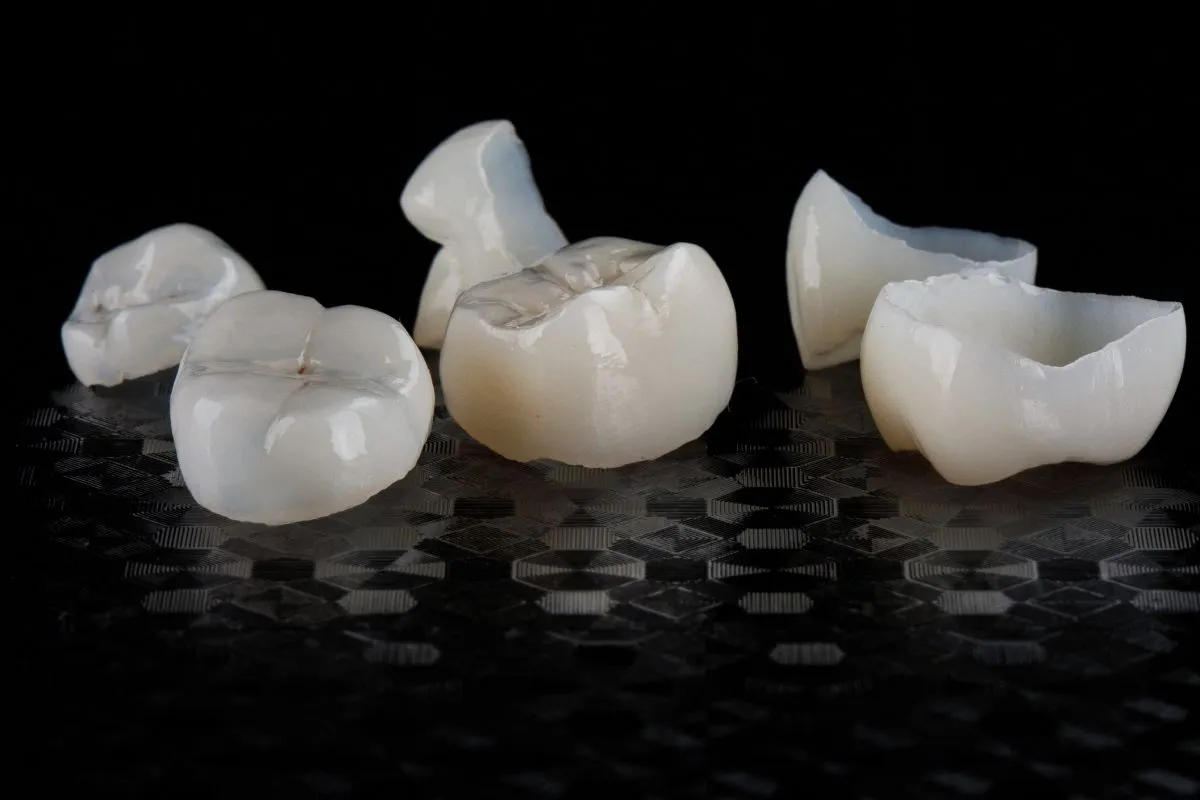
Dental crowns are commonly associated with both function and appearance. A crown covers a tooth and can restore its general shape and size. According to the American Dental Association, crowns may be used to strengthen a tooth with a large filling, protect a weak tooth, restore a broken tooth, or address certain concerns involving tooth shape or discoloration. The material selected for a crown can vary depending on factors such as the location of the tooth, functional requirements, and aesthetic considerations.
The appearance of a restoration can be particularly relevant when treatment involves teeth that are visible while smiling or speaking. Tooth-colored materials, ceramics, and certain resin-based materials can provide options that are designed to blend with surrounding teeth. However, appearance is only one consideration when selecting a restorative material. Durability, strength, location, remaining tooth structure, and the patient's overall oral health are also relevant factors. An experienced dentist can evaluate these considerations before recommending a treatment approach.
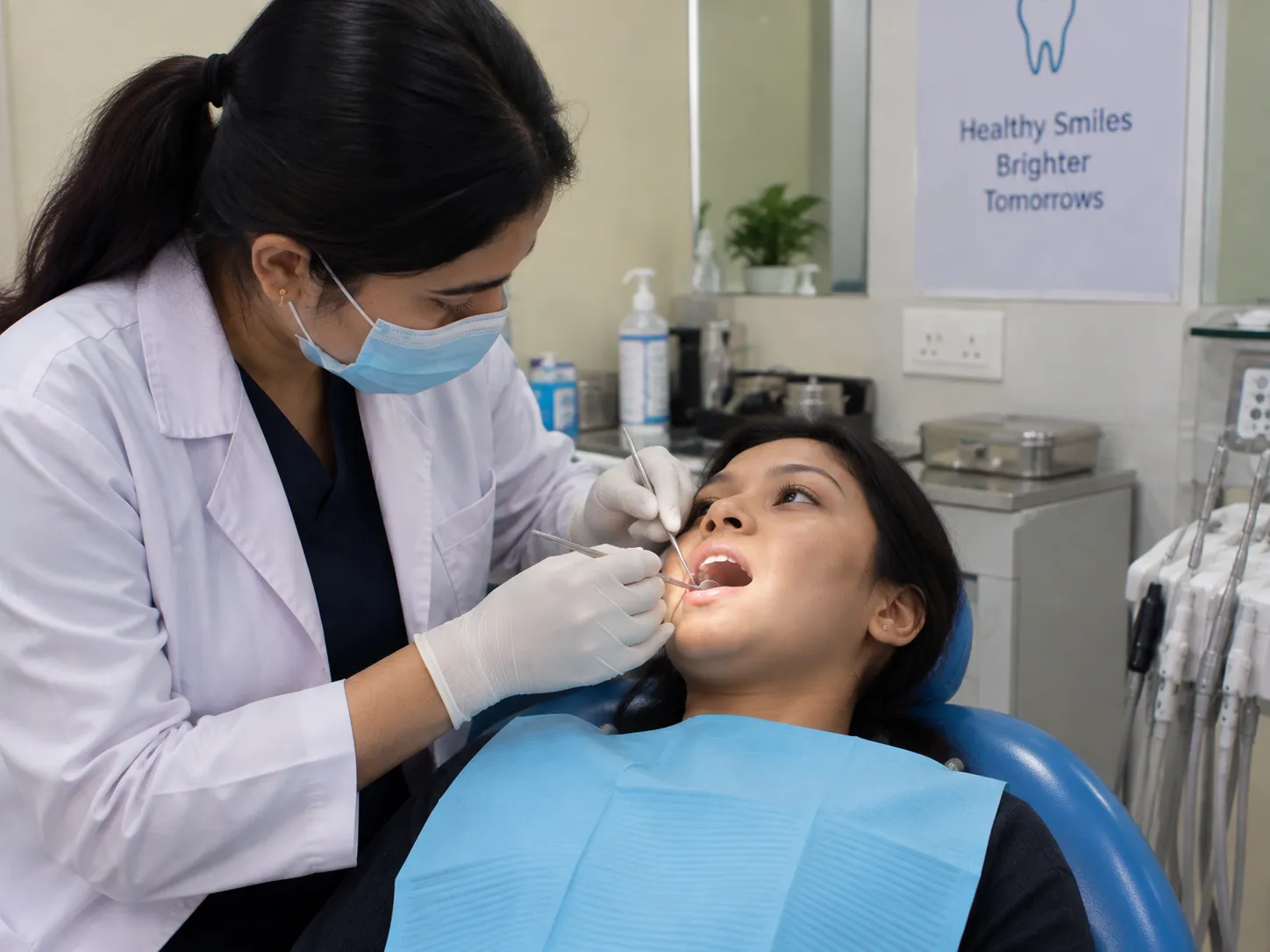
Dr. James Skahen, an experienced dentist, emphasizes individualized dental care when discussing restorative needs. A dental examination allows a dentist to assess the condition of a tooth and determine what type of treatment, if any, may be appropriate. In some situations, a conservative restoration may be sufficient, while a more extensively damaged tooth may require additional protection or replacement. Treatment should be based on the actual condition of the tooth rather than appearance alone.
Restorative dentistry can also have an impact on how a person maintains their oral health. A properly restored tooth can be incorporated into a normal oral hygiene routine, although patients may receive specific instructions depending on the procedure. Brushing twice a day with fluoride toothpaste and cleaning between teeth are commonly recommended components of daily oral care. Regular professional examinations can also help monitor restored teeth and identify new concerns.
It is important to understand that restorative treatment does not eliminate the need for preventive care. A filling does not make a tooth immune to future decay, and a crown does not prevent problems from developing around the tooth or at the gumline. Likewise, replacing a missing tooth does not remove the need to care for the remaining natural teeth. Good oral hygiene and routine dental visits remain important after restorative treatment has been completed.
Restorative care can also be part of a broader plan when several dental concerns are present. For example, a person may have worn teeth, old restorations, missing teeth, and areas of decay at the same time. In such circumstances, a dentist may evaluate the overall condition of the mouth before determining the sequence of treatment. Addressing one issue at a time may be appropriate in some cases, while other situations may require a more comprehensive plan.
Patients can also benefit from asking questions before beginning restorative treatment. Understanding why a procedure is being recommended, what alternatives may exist, how long the restoration is expected to function, and what maintenance will be required can help patients participate in decisions about their dental care. Treatment recommendations can vary because every mouth and every tooth presents different circumstances.
Ultimately, restorative dentistry is concerned with more than creating a visually appealing smile. Its purpose can include repairing damaged tooth structure, supporting normal oral function, replacing missing teeth, and maintaining the health of the surrounding tissues. When appropriate treatment is combined with consistent preventive care, patients can take practical steps toward maintaining their teeth and oral health over time.

























Sign in to leave a comment.