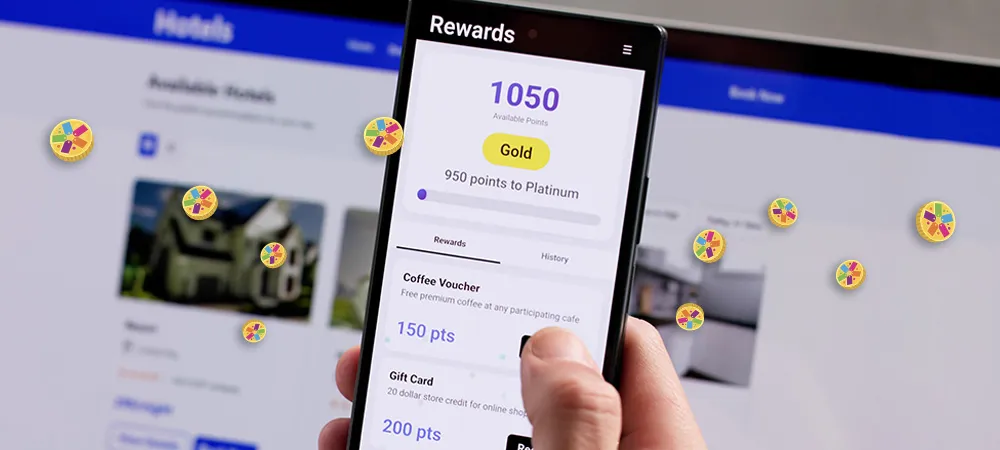

In today’s fast-paced, technology-driven market, customers have endless options and few reasons to stick with a single brand. With online shopping and instant price comparisons at their fingertips, businesses need more than discounts to keep customers coming back.
That’s where loyalty programs shine—and among them, reward points have proven to be the most effective tool for encouraging repeat purchases and fostering long-term customer loyalty.
In this blog post, we’ll explore how reward points work, why they drive repeat purchases, and strategies brands can use to turn occasional shoppers into loyal customers.
Understanding Reward Points in Loyalty Programs
Reward points form the backbone of many successful loyalty programs, helping businesses incentivize repeat purchases while strengthening customer relationships. They offer a simple, value-driven way to encourage continued engagement without relying solely on price cuts.
What are reward points, and how do they work?
Reward points are loyalty credits customers earn for specific actions such as purchases, referrals, or app engagement. These gift card reward points accumulate in the customer’s account and can later be redeemed for rewards like discounts, gift cards, or exclusive offers.
Common reward point structure
Several loyalty programs follow a straightforward cycle: customers earn points with every transaction, accumulate them over time, and redeem them once a certain threshold is reached. This structure motivates ongoing interaction and repeated purchases.
Reward points vs. instant discounts
Instant discounts offer immediate savings but are only available during the transaction. Reward points, on the other hand, create a sense of future value, encouraging customers to return and engage again to unlock rewards.
Why are point-based systems easy for customers to understand?
Points mirror familiar concepts like scores or credits, making them intuitive and transparent. Customers can easily track progress, understand value, and feel motivated to continue shopping to reach the next reward milestone.
The Psychology Behind Reward Points and Repeat Purchases
Reward points tap into basic human motivations. By showing progress and promising future rewards, they give customers a reason to come back again and again.
- Sense of Progress and Achievement: Earning points gives customers a feeling of moving closer to a goal. Each purchase adds to their progress, creating a sense of achievement. This motivates them to keep buying from the brand and reach the next reward milestone.
- Perceived Value Over Time: Points accumulate gradually, making rewards feel more valuable than one-time discounts. Customers perceive long-term benefits compared to short-term savings. This perception strengthens emotional attachment to the brand.
- Habit Formation Through Incentives: Regular rewards encourage repeat behavior, turning occasional purchases into habits. Over time, customers associate the brand with consistent benefits. This reinforcement makes repeat purchases feel natural and rewarding.
How Reward Points Drive Repeat Purchases
Reward points tap into basic human motivations. By showing progress and promising future rewards, they give customers a reason to come back again and again.
- Encouraging Return Visits: Reward points give customers a reason to return and complete their next purchase. Knowing they have loyalty points waiting to be redeemed encourages customers to make repeated visits instead of switching to other competitors.
- Increasing Purchase Frequency: Customers are more likely to shop more often when each purchase adds to their rewards balance. The ultimate desire to collect points faster naturally increases buying frequency.
- Increasing Average Order Value (AOV): Points-based incentives encourage customers to spend more per order to earn extra rewards with their purchases. Several customers add items to reach point thresholds or benefit from high-value redemptions.
Reward Points as a Customer Retention Tool
Reward points help brands in retaining customers by creating ongoing value beyond individual purchases. They encourage long-term customer engagement by providing customers with a strong reason to return and stay connected to the brand. This consistent reward cycle strengthens customer loyalty and reduces the likelihood of switching to competitors.
- Switching Costs: Customers invest their time in making purchases to earn loyalty points. It creates a psychological barrier to switching brands and losing the value that has been accrued value.
- Strengthens Brand Loyalty: By showing appreciation, it creates an emotional connection with customers, making them feel valued rather than just part of a transaction. Data from loyalty points and redemption allows for tailored offers, which makes customers feel special and valued.
- Encourages Long-Term Engagement: Giving small and frequent rewards for regular actions to build routines. Early product access, member-only events, or special discounts keep customers connected and anticipating brand interactions.
Types of Reward Point Strategies That Improve Retention
These strategies effectively improve customer retention by focusing on building emotional connections and offering tailored value that goes beyond simple discounts.
Let’s discuss the reward point strategies below that improve customer retention:
Transaction-Based Points: Customers earn points based on the value or frequency of their purchases. This straightforward approach directly rewards spending and encourages repeat buying behavior.
Behavior-Based Points: Points are awarded for actions beyond purchases, such as referrals, reviews, app usage, or social engagement. This strategy deepens customer interaction and strengthens brand relationships.
- Tiered Reward Point Systems: Customers progress through different loyalty tiers based on points earned or activity levels. Higher tiers unlock exclusive benefits, motivating long-term engagement and sustained loyalty.
Digital Channels that Amplify Reward Point Engagement
Digital channels play a major role in making gift cards rewards points more visible, accessible, and engaging for customers. When integrated seamlessly, they help brands maximize customer participation and long-term loyalty.
Mobile Apps and Digital Wallets
Several mobile apps and digital wallets enable customers to track, earn, and redeem points in real-time. Instant access increases engagement and keeps rewards top-of-mind during every purchase decision.POS and Omnichannel Integration: Integrating reward points across point-of-sale (POS) systems and online channels ensures a consistent experience everywhere customers shop. This unified approach builds trust and encourages repeat purchases across multiple touchpoints.
- Gamification Elements: Gamification features such as challenges, milestones, and bonus rewards make earning points more engaging and interactive. These elements motivate participation while transforming routine transactions into engaging experiences.
Conclusion
Reward points do more than drive purchases—they build lasting relationships. By showing progress and future value, they encourage repeat visits, higher spending, and ongoing engagement. Done right, they make customers feel valued, strengthen loyalty, and keep shoppers coming back in a competitive market.



























Sign in to leave a comment.