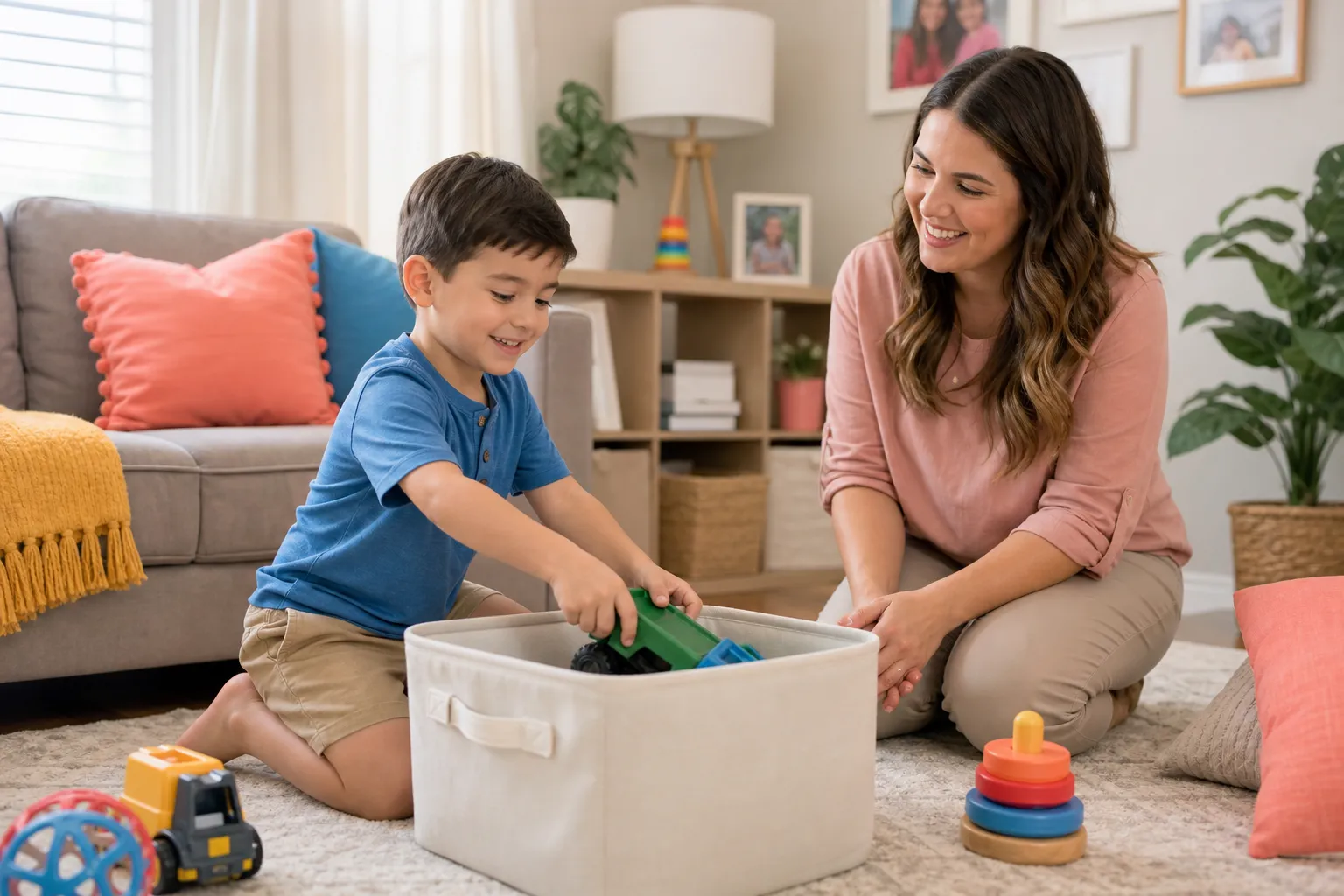

One of the most meaningful goals of applied behavior analysis is helping children become more independent in their daily lives. While progress made during therapy sessions matters, the real measure of success often comes in how well a child applies those skills at home, in the community, and in other settings outside of the clinic. Programs that focus on this transfer of learning from the start tend to produce stronger, more lasting results.
Independence skills are not a single category but a broad collection of abilities that touch on nearly every aspect of a child's daily routine. Getting dressed, preparing simple meals, following a morning schedule, managing personal hygiene, and completing chores are all examples of independence targets that ABA programs regularly address. These may seem like small tasks, but each one represents a meaningful step toward greater self-sufficiency and confidence.
Teaching Daily Living Skills Through ABA
The process of teaching independence skills in ABA typically begins with a task analysis. A BCBA breaks the target skill, such as washing hands or packing a backpack, into a sequence of small, teachable steps. Each step is then taught individually using a structured prompting hierarchy, which means the therapist starts with as much support as necessary and systematically reduces that support as the child demonstrates reliability.
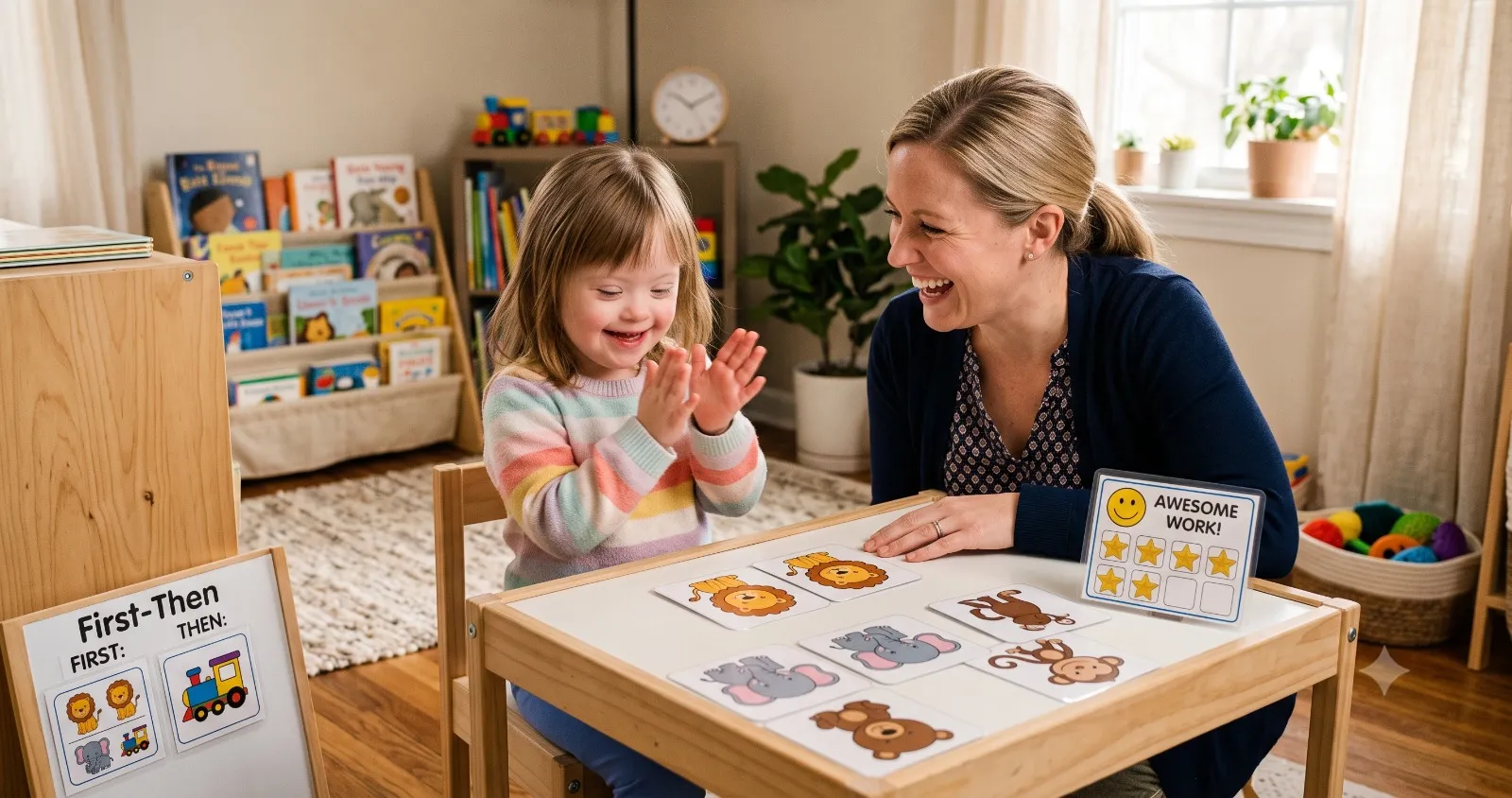
Reinforcement is central to this process. When a child successfully completes a step, they receive a reward that is meaningful to them, whether that is verbal praise, a preferred activity, or a tangible item. Over time, the external reinforcement is faded and the natural outcome of completing the task, such as having a clean face or a ready backpack, becomes its own motivator.
Sessions focused on independence skills may take place in a clinic, but many programs also conduct them in the home itself. In-home sessions give therapists a direct view of the actual environment where the skill will be used, which helps them tailor instruction to the specific layout, materials, and routines of that household.
How Home-Based Practice Reinforces Progress
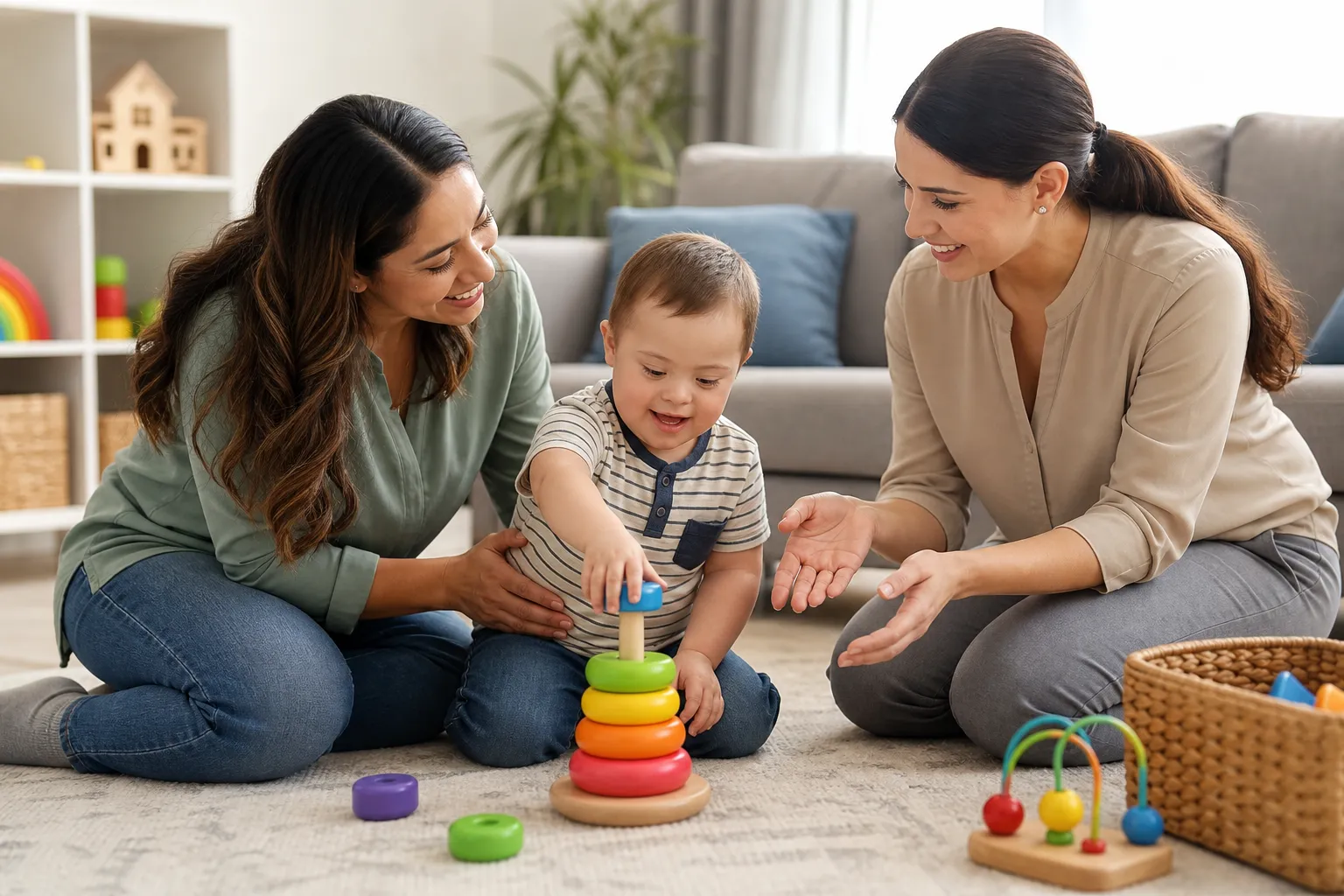
Caregivers play a critical role in independence-building. When parents and guardians understand the teaching approach being used and apply it consistently during everyday routines, children tend to reach their goals faster and maintain them more reliably over time. This is why parent training is built into well-structured ABA programs, not as an afterthought but as a core component of the clinical model.
Families who work with programs that emphasize applied behavior analysis ma principles and prioritize parent coaching alongside direct therapy tend to see stronger generalization of skills into daily home life. Generalization, meaning the ability to use a skill across different settings and with different people, is the true endpoint of effective independence training.
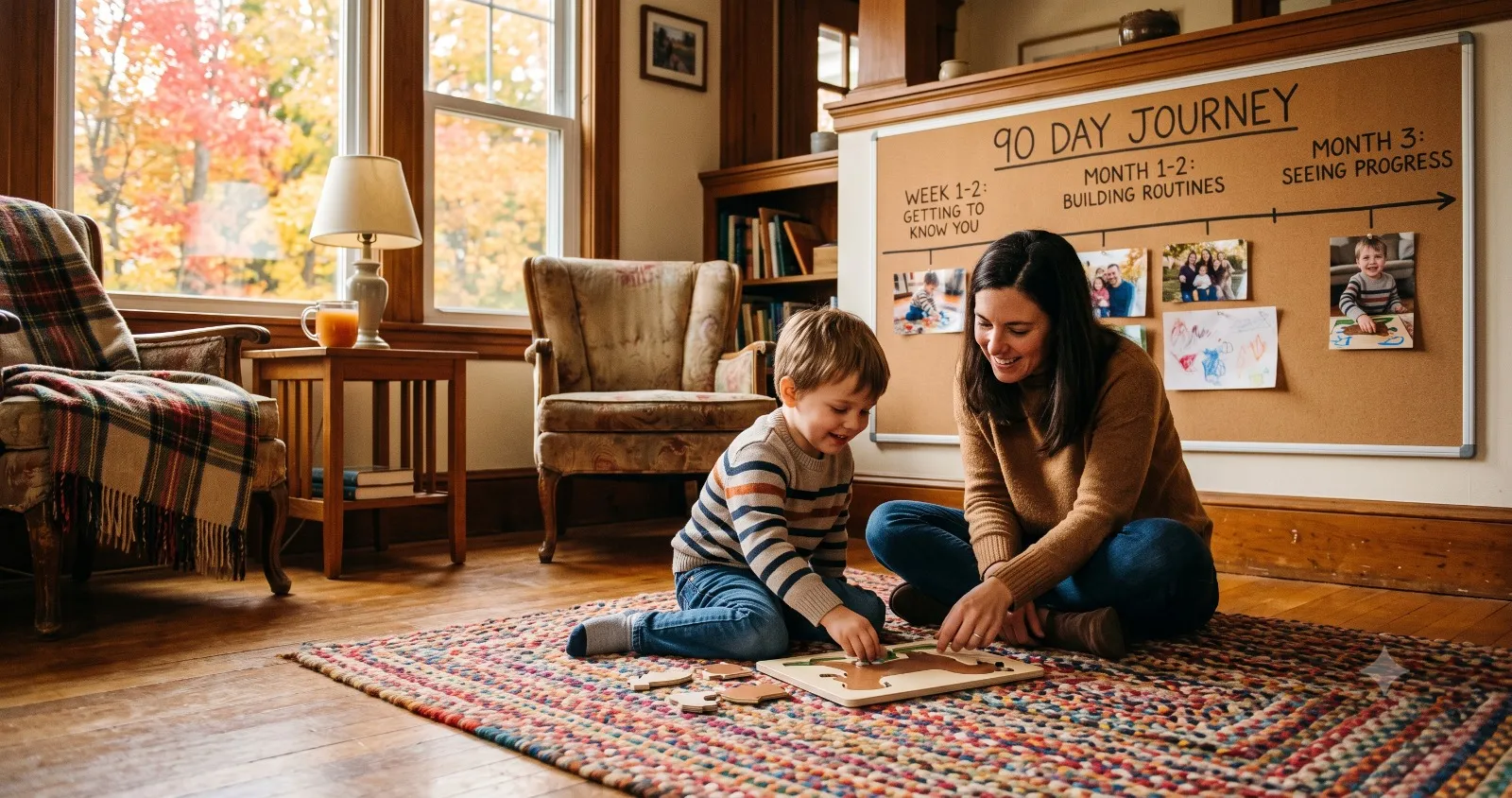
Carrying skills from a structured session into a busy morning routine requires intentional practice. Therapists and parents work together to identify the best times to embed skill practice into natural routines, ensuring that the child is getting multiple opportunities to use and strengthen each target skill throughout the week. Over time, what began as a prompted, step-by-step process becomes something the child does automatically and with pride.
The long-term aim of independence training in ABA is not to teach a list of tasks but to build the underlying capacity to learn and adapt. Children who develop strong foundational independence skills are better equipped to take on new challenges as they grow.



























Sign in to leave a comment.