Roof coatings serve as a critical line of defense against the damaging effects of weather on buildings. By forming a continuous, protective layer over roofing materials, these coatings prevent water infiltration, reduce ultraviolet (UV) damage, and help manage temperature extremes. They protect the roof from deterioration caused by rain, wind, hail, and sun exposure, extending the roof’s life and maintaining the building’s structural integrity.
This article delivers an in-depth explanation of how roof coatings safeguard buildings from weather damage. It covers the types of coatings, their protective mechanisms, technical data, key selection factors, and application processes. The goal is to provide clear, practical knowledge for anyone considering roof coatings as a solution to enhance weather resistance.
How Roof Coatings Protect Buildings from Weather Damage
Roof coatings protect buildings primarily by creating a seamless, weatherproof membrane that addresses multiple threats simultaneously. The first and most important function is water resistance. Roof coatings fill cracks, pores, and imperfections in the roofing surface, sealing the roof against water intrusion. This prevents leaks that can cause structural damage, mold growth, and interior deterioration.
Next, many roof coatings are designed to reflect solar radiation. UV rays accelerate roofing material breakdown by causing brittleness and fading. Reflective coatings reduce heat absorption, lowering roof temperatures. This thermal management slows material degradation and can also decrease cooling energy consumption inside the building.
Coatings also provide flexibility, which allows the roof to handle temperature-related expansion and contraction without cracking. This elasticity reduces the likelihood of structural failures caused by thermal stress. Some coatings improve impact resistance against hail or debris blown by strong winds, adding a physical barrier to mechanical damage.
Together, these protective functions help maintain the roof’s performance over time, minimizing repair costs and improving building durability in harsh weather conditions.
Types of Roof Coatings and Their Protective Qualities
Different roof coating types offer distinct advantages depending on the weather challenges and roofing materials involved. Understanding these types helps to match coatings to specific building needs.
Coating Type
Composition
Key Weather Protection
Strengths
Limitations
Acrylic
Water-based acrylic resin
High UV reflectivity, moderate water resistance
Affordable, easy application
Susceptible to ponding water
Silicone
Silicone polymer
Superior water repellency, UV stable
Long-lasting, resists ponding water
Higher cost, slippery surface
Polyurethane
Polyurethane resin
Excellent abrasion and impact resistance
Durable, chemical resistant
Can yellow and degrade under UV
Asphalt-Based
Asphalt emulsion
Moderate water barrier and UV protection
Low-cost, simple application
Rigid, prone to cracking
Elastomeric
Synthetic rubber polymers
Flexibility to handle temperature shifts
Good thermal movement resistance
May require multiple coats
Acrylic Coatings
Acrylic coatings provide strong UV reflection and moderate waterproofing. They perform best in hot, dry climates where solar radiation is the main concern. However, acrylics do not handle standing water well and may degrade under prolonged wet conditions.
Silicone Coatings
Silicone excels at repelling water and tolerating ponding, making it suitable for rainy or humid environments. Its UV resistance keeps it stable over many years. Despite the higher upfront cost, silicone’s longevity often results in better long-term value.
Polyurethane Coatings
Polyurethane offers high durability against physical damage such as hail impact and abrasion. Its chemical resistance suits industrial environments. However, exposure to sunlight can cause yellowing and reduced reflectivity.
Asphalt-Based Coatings
These provide a basic waterproof barrier and some UV protection at a low price point. They work best for short-term fixes or low-budget projects, but are less flexible and prone to cracking.
Elastomeric Coatings
Elastomers are rubber-like and highly flexible, allowing the roof to handle expansion and contraction without damage. They are effective where temperature swings are severe.
Technical Specifications to Evaluate Roof Coatings
Technical data defines how well a coating will perform against weather damage. Key specifications include:
Specification
Description
Weather Protection Impact
Solar Reflectance
Percentage of solar energy reflected by the coating
Reduces roof temperature and UV damage
Emissivity
Ability to release absorbed heat
Enhances cooling and slows material aging
Water Vapor Permeability
Rate of moisture vapor passing through the coating
Low permeability prevents moisture buildup
Elongation
The percentage coating can stretch before failing
Indicates flexibility to handle thermal stress
Adhesion Strength
Bond strength to roofing substrate
Prevents peeling and blistering
Service Life
Estimated lifespan under normal conditions
Long life means sustained weather resistance
For example, high solar reflectance and emissivity values are crucial in hot climates to reduce heat buildup. Low water vapor permeability keeps moisture out, protecting the roof deck. High elongation ensures the coating can move with the roof without cracking, and strong adhesion prevents coating failure during storms.
Application Process and Best Practices
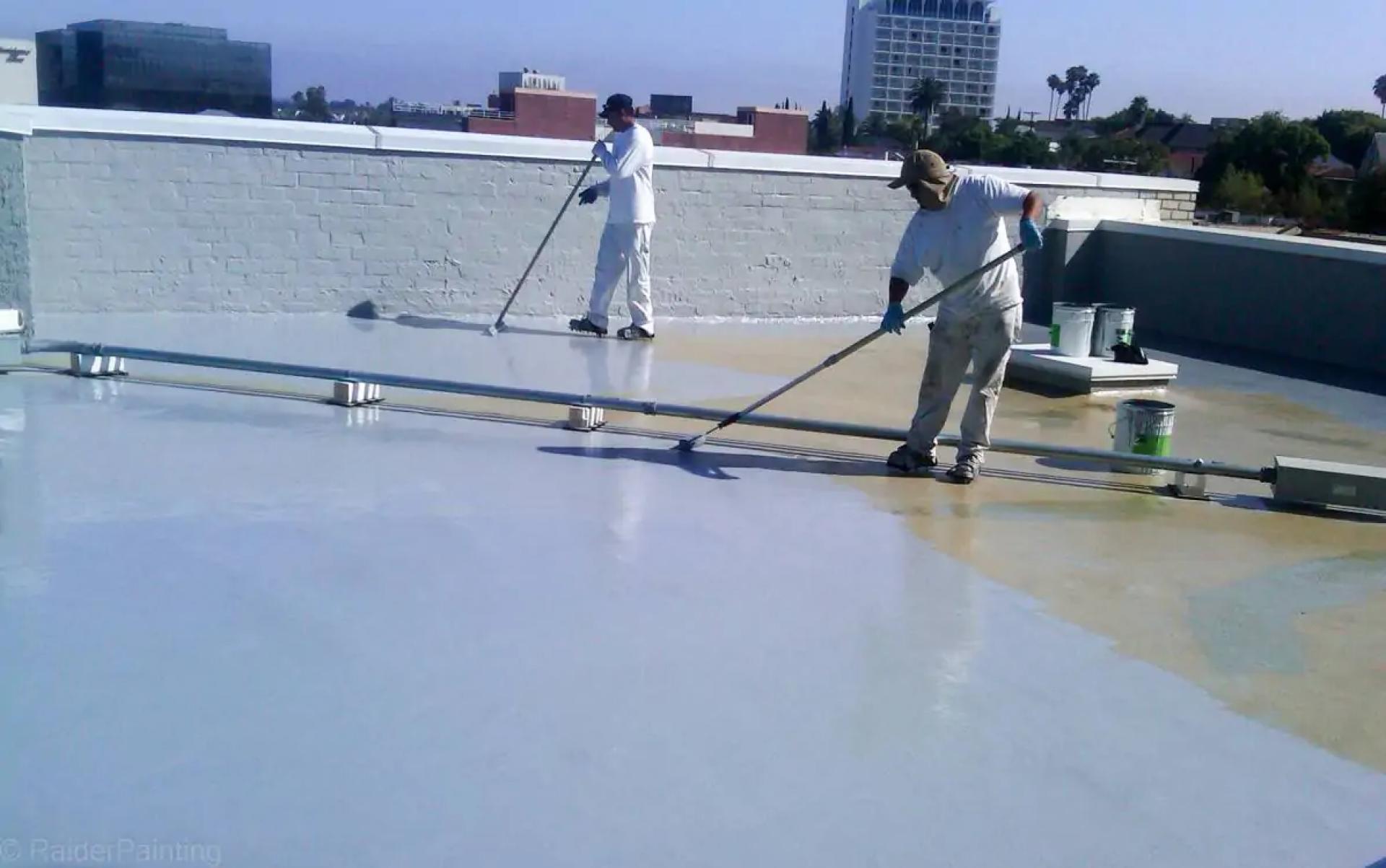
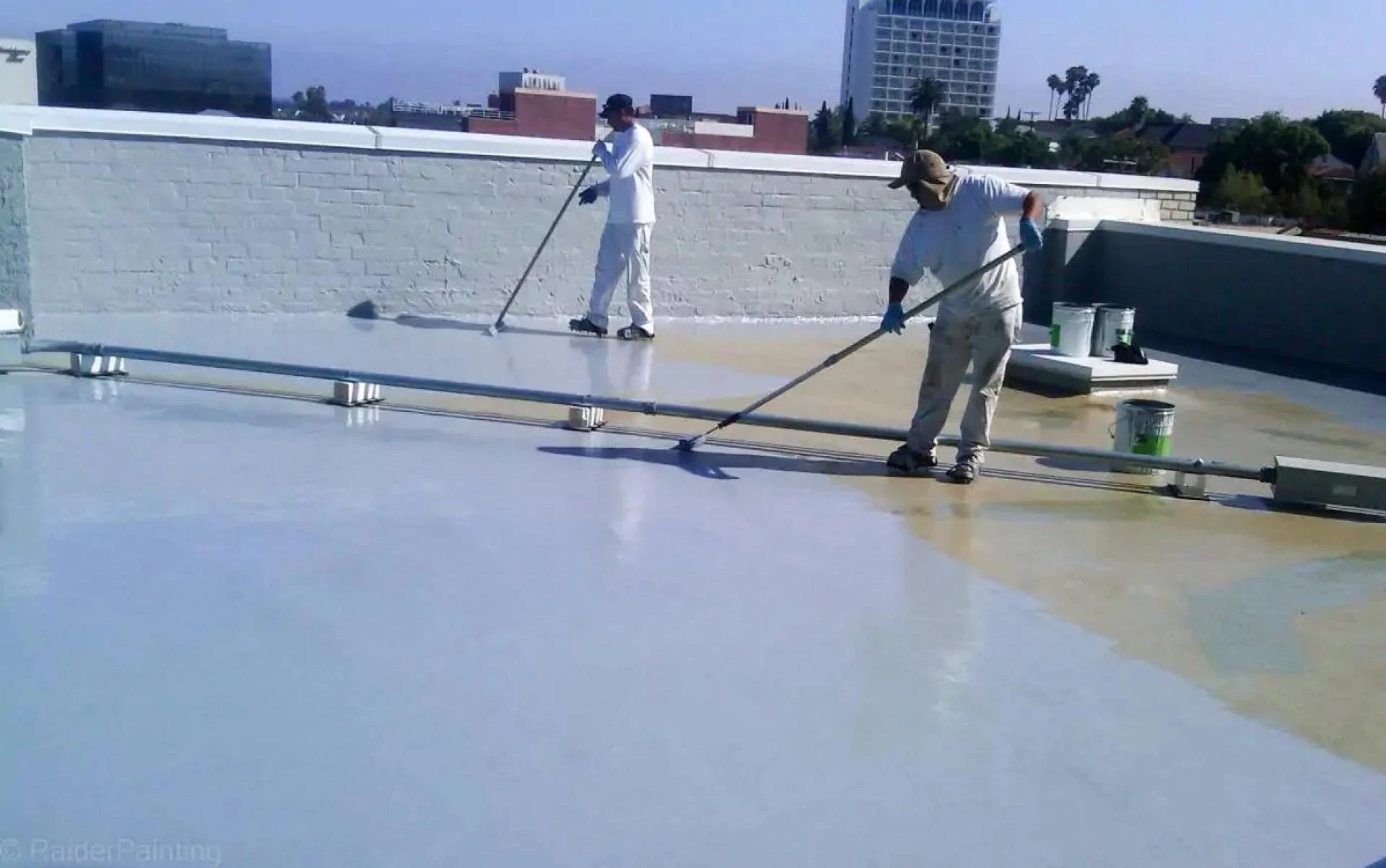
The effectiveness of roof coatings depends heavily on proper application. Preparation is the foundation. The roof surface must be cleaned thoroughly to remove dirt, debris, and loose material. Existing damage, such as cracks, splits, or blisters, should be repaired before coating.
Priming the surface improves adhesion for some coating types, especially silicone and polyurethane. Following manufacturer's specifications for primer use is critical.
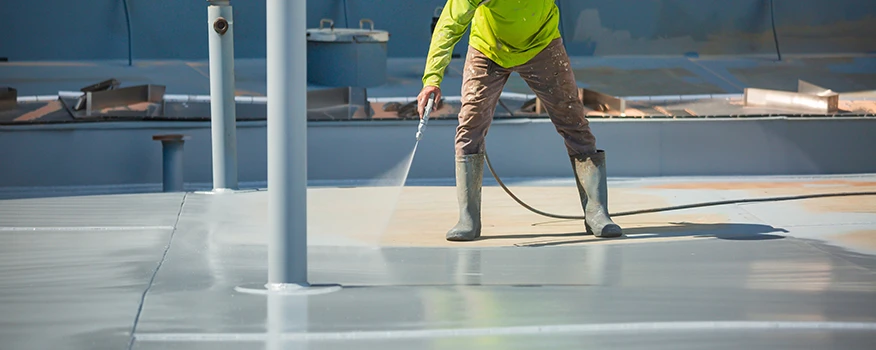
Applying the coating requires even coverage, typically achieved with brushes, rollers, or spray equipment. The thickness and number of coats must meet technical guidelines to ensure full protection. Allow each coat to cure fully before applying the next or exposing the roof to weather.
Inspection after application confirms there are no missed spots, thin areas, or defects. Proper curing ensures the coating forms a continuous, resilient membrane.
Bonus Tip: Application conditions matter. Most coatings require certain temperature and humidity ranges for optimal curing. Applying in extreme weather can compromise performance.
Things to Consider Before Choosing a Roof Coating
Selecting the right roof coating is a complex decision. Consider these critical factors:
- Local Climate: High rainfall or ponding requires coatings with superior water resistance like silicone. Hot, sunny regions benefit from highly reflective acrylics or elastomerics.
- Roof Material: Ensure the coating adheres well to the substrate — metal, asphalt, concrete, or modified bitumen may need specific formulations.
- Expected Lifespan: Balancing upfront costs with durability affects overall value. Long-lasting coatings may cost more initially but reduce maintenance expenses.
- Maintenance Capability: Some coatings require reapplication every few years, while others last longer. Factor in access and maintenance budgets.
- Environmental Impact: Water-based coatings typically emit fewer volatile organic compounds (VOCs), minimizing environmental and health concerns.
- Warranty and Compliance: Some coatings impact roof warranties or must comply with local building codes. Verify before selection.
Comparison of Weather Protection by Roof Coating Types
Feature
Acrylic
Silicone
Polyurethane
Asphalt-Based
Elastomeric
Water Resistance
Moderate
Excellent
Good
Moderate
Moderate
UV Resistance
High
Very High
Moderate
Moderate
High
Flexibility
Moderate
High
Moderate
Low
High
Durability (Years)
5–10
10–20
10–15
5–7
10–15
Cost
Low
High
Moderate
Low
Moderate
Ease of Application
Easy
Moderate
Moderate
Easy
Moderate
Market Trends and Facts
The roof coatings market continues to grow, driven by increasing demand for energy-efficient and weatherproof building materials. In 2025, the global market value reached approximately $5.8 billion with a compound annual growth rate (CAGR) of 6.3%. The shift toward sustainable, long-lasting roofing solutions is a key factor behind this growth.
Acrylic coatings dominate in regions with hot, dry climates due to affordability and high reflectivity. Silicone coatings gain preference in humid or rainy zones because of their water resistance and durability. Polyurethane finds use in industrial and high-impact environments.
Common Questions about Roof Coatings
Do roof coatings fix existing leaks? Roof coatings can seal small cracks and prevent minor leaks, but will not repair significant structural damage. Major roof repairs must precede coating.
How long do roof coatings last? Service life varies widely from 5 to 20 years, depending on coating type, climate, and maintenance. Silicone coatings tend to last the longest under wet conditions.
Can coatings lower energy costs? Reflective coatings reduce heat absorption, lowering roof temperatures and easing cooling loads inside the building.
Are coatings suitable for flat roofs? Yes, especially silicone and polyurethane coatings that resist ponding water and provide flexibility against expansion.
Is professional installation necessary? Professional application ensures correct surface preparation, coating thickness, and curing, maximizing weather protection and warranty compliance.
Roof Coating FAQ
Q1: What happens if a coating peels or blisters? Peeling or blistering indicates poor adhesion or trapped moisture, often from improper preparation or application. It compromises protection and requires repair.
Q2: Can roof coatings handle extreme cold? Elastomeric coatings offer flexibility to withstand freeze-thaw cycles without cracking.
Q3: Are roof coatings flammable? Most modern coatings meet fire safety standards, but verify product fire ratings for compliance.
Q4: How soon after application can the roof be exposed to weather? Coatings typically require 24–72 hours to cure, depending on type and environmental conditions.
Q5: Will roof coatings affect my building’s warranty? Some coatings may void existing roofing warranties unless installed by certified experts and approved products are used.
Make the Right Decision
Roof coatings offer a proven cost-effective method to protect buildings from the damaging effects of weather. Selecting the appropriate coating depends on matching product properties with climate, roof material, and maintenance plans. Proper surface preparation and application ensure the coating performs as intended, providing durable defense against water, UV rays, temperature extremes, and physical damage. Assess your building’s specific needs carefully to invest in a solution that maximizes protection and long-term value.
Reviewer: Maria Lopez offered detailed feedback after reviewing this post. Her 10 years of experience in spray foam work helped guide the tone and suggestions toward realistic strategies.








Sign in to leave a comment.