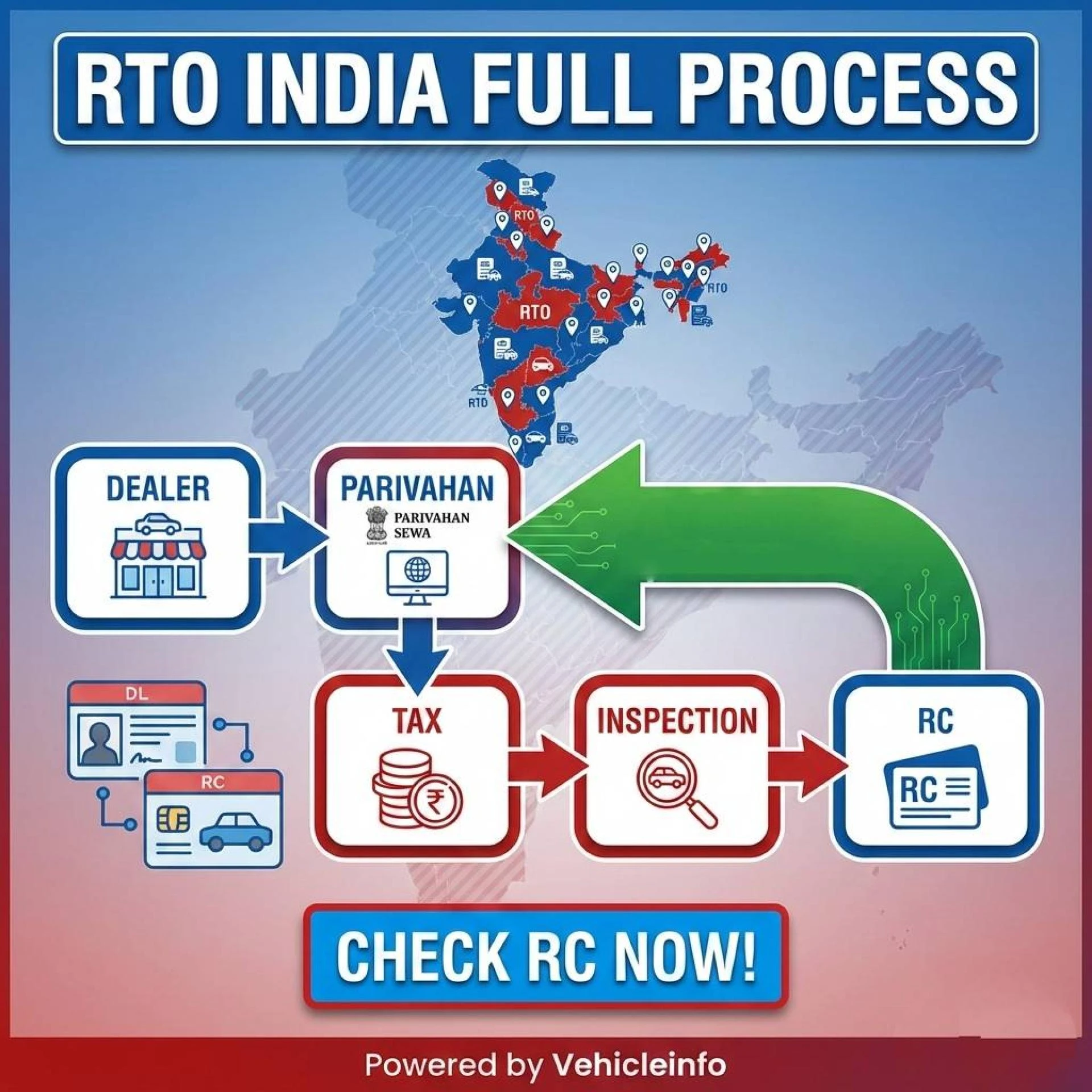
Most people visit an RTO only when buying a vehicle or applying for a driving license. But how do RTO offices actually work behind the scenes?
This post breaks down the real RTO workflow, digital systems, and how you can avoid delays using online services.
🚦 What Is the Role of an RTO in India?
RTOs function under the Ministry of Road Transport & Highways (MoRTH) and are responsible for:
✔ Vehicle registration & identity verification
✔ Driving license approvals
✔ Road tax & compliance enforcement
✔ Centralized transport data management
Every RC, DL, challan, or permit passes through an RTO system.
🚘 How Vehicle Registration Works (Inside an RTO)
Step-by-step process:
1️⃣ Dealer uploads vehicle details on Parivahan
2️⃣ Temporary Registration (TR) generated
3️⃣ Road tax payment verified
4️⃣ Chassis & engine number validation
5️⃣ RTO officer approval
6️⃣ RC issued digitally (DigiLocker / mParivahan)
📌 Most private vehicle owners don’t need to visit the RTO anymore.
💻 RTO Office vs Online Services
Services available online:
- RC & DL download
- Challan payment
- Appointment booking
- Application status tracking
Physical visit required for:
- Driving license test
- Vehicle inspection
- Commercial vehicle fitness
- Biometric verification
🔍 How Vehicleinfo Makes RTO Work Easier
Vehicleinfo helps users handle RTO tasks smarter by allowing them to:
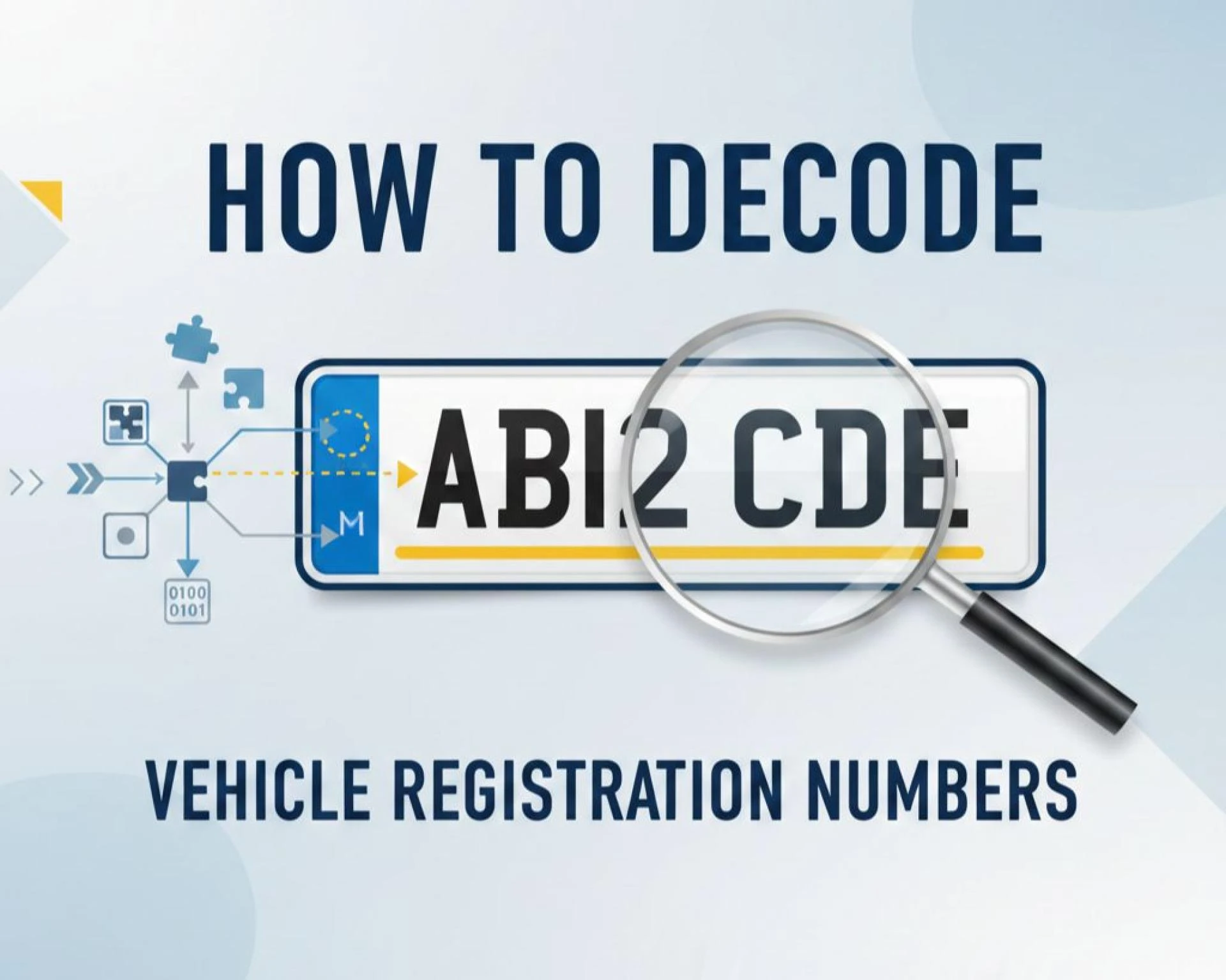
✔ Identify issuing RTO from vehicle number
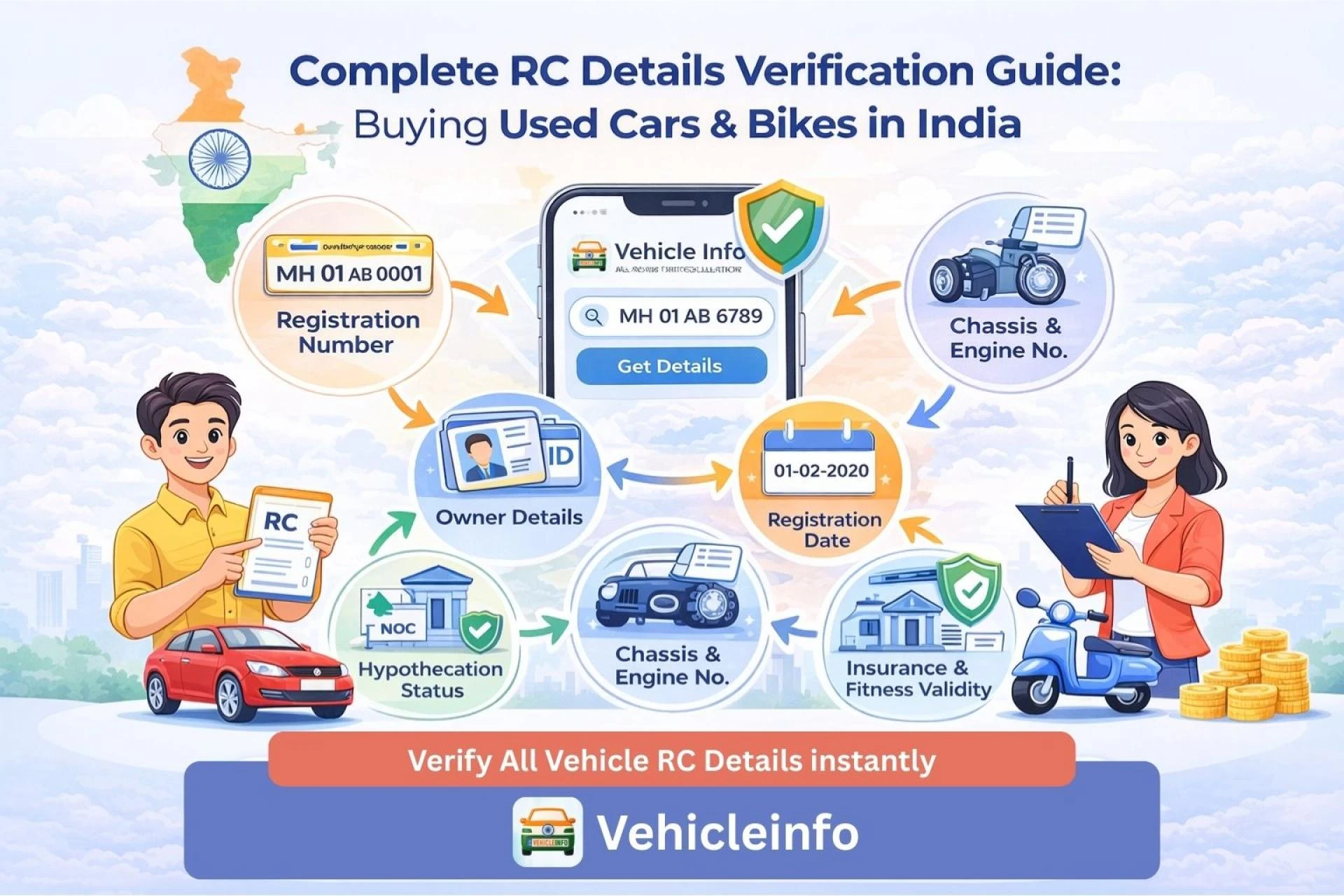
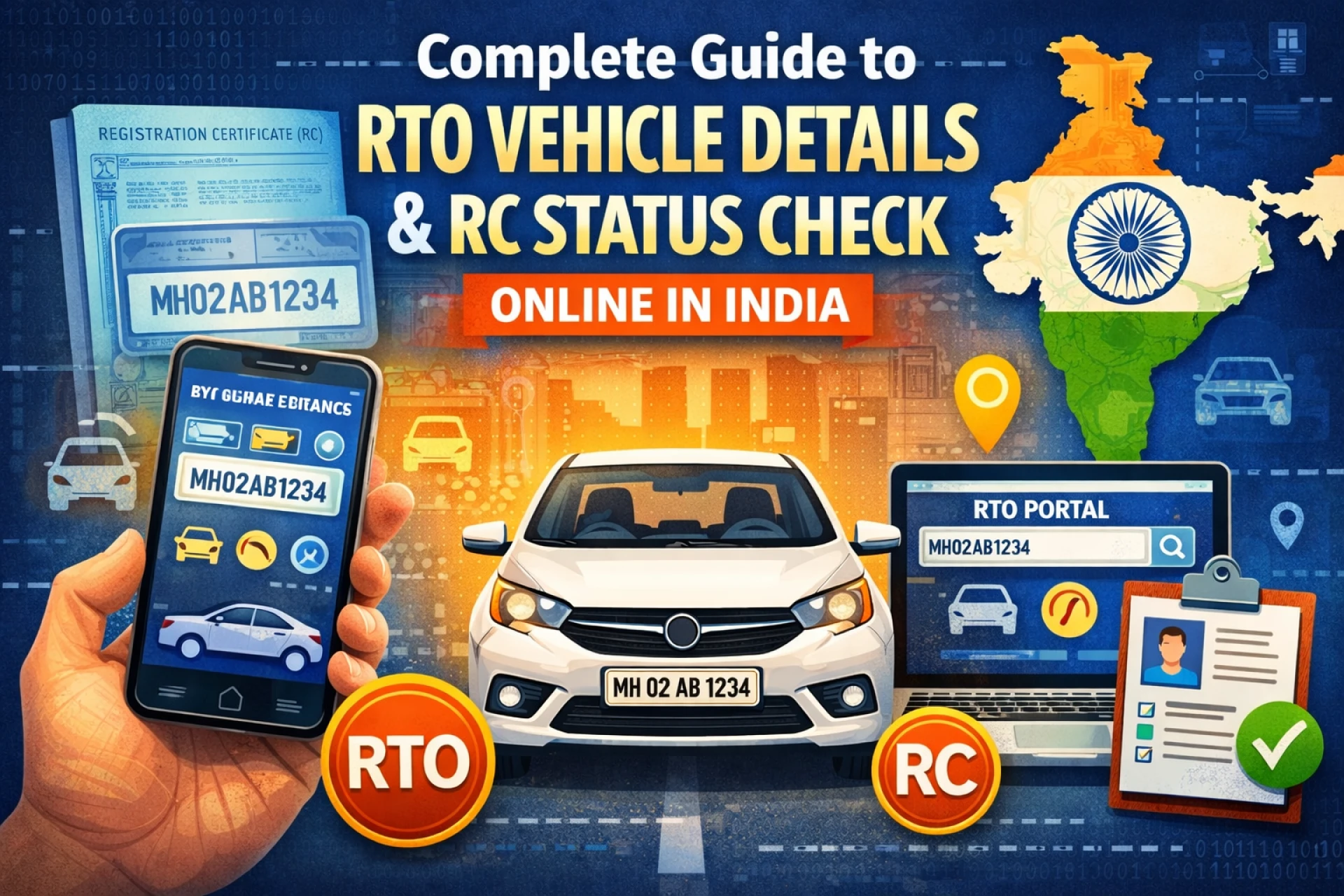
✔ Check RC & registration status
✔ Verify RTO jurisdiction
✔ Find nearest RTO office
✔ Validate vehicle details before visiting
🚀 Fewer mistakes. Fewer visits. Faster results.
🚀 Future of RTO Offices in India
RTOs are moving toward a fully digital future, including:
🤖 AI-based vehicle inspections
📄 Paperless RTO offices
🧠 Facial recognition for DL tests
🌐 Centralized national RC & DL database
🎯 Goal: Zero-visit RTO services for private vehicle owners

























Sign in to leave a comment.