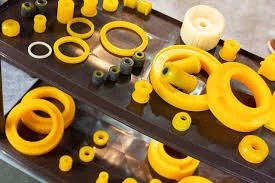
Industrial operations rely on countless moving parts literally. Behind the machines, tools, and equipment that power industries, there are materials working quietly to make sure everything runs smoothly. Among these, rubber and polyurethane stand out as the unsung heroes. Strong, flexible, and reliable, they show up in more places than most people realize.
Rubber: A Flexible Workhorse
Rubber has been essential to industry for decades. Its ability to stretch, resist wear, and seal tight spaces makes it incredibly versatile. Some common examples include:
- Seals and gaskets – Preventing leaks in pipelines, engines, and pumps.
- Hoses – Carrying fluids in automotive, chemical, and construction applications.
- Vibration pads – Reducing noise and wear in heavy machinery.
Because of its natural resilience, rubber often steps in wherever durability and flexibility need to work hand in hand.
Polyurethane: Built for Tough Environments
Polyurethane, or PU, brings toughness to the table. While rubber is great at absorbing shock, polyurethane is often chosen for abrasion resistance and long service life. You’ll find it in:
- Mining and construction – Conveyor belts, rollers, and screens.
- Manufacturing plants – Protective linings and wheels that withstand constant wear.
- Sports and lifestyle – Skate wheels, floor coatings, and protective padding.
Its ability to handle heavy loads without breaking down quickly makes polyurethane a must-have in demanding industries.
Where Rubber and Polyurethane Work Together
In many cases, industries don’t choose between rubber and polyurethane they use both. For example:
- Automotive factories may use rubber seals alongside polyurethane-coated rollers.
- Marine operations rely on rubber fenders to absorb impact, while polyurethane parts resist corrosion and wear from saltwater.
- Oil and gas facilities often need a mix of both for sealing, insulation, and heavy-duty wear protection.
By combining the strengths of each, industries get the best of both worlds.
Everyday Examples You Might Overlook
It’s easy to think of rubber and polyurethane as “industrial-only” materials, but you interact with them more than you think.
- The protective mats in a gym? Rubber.
- The durable wheels on a cart or trolley? Polyurethane.
- The gasket keeping your washing machine watertight? Rubber again.
- The coating on certain machine parts in a workshop? Likely polyurethane.
They quietly make daily life smoother and safer.
A Glimpse at the UAE’s Growing Demand
In places where industries are expanding quickly, like the UAE, the demand for high-quality rubber and polyurethane products is on the rise. From construction to marine operations, these materials help ensure equipment works efficiently and safely. For instance, companies sourcing HRC in UAE often pair it with reliable rubber and polyurethane components to handle high-performance requirements in their operations.
Final Thoughts
Rubber and polyurethane may not be glamorous, but they’re essential. They support heavy industry, improve safety, and keep machines running day after day. As industries continue to grow and innovate, these materials will remain critical, adapting to new challenges and shaping the future of industrial operations.
So the next time you see a conveyor belt, a protective seal, or even a pair of durable wheels, remember: behind that strength is the quiet power of rubber and polyurethane.


























Sign in to leave a comment.