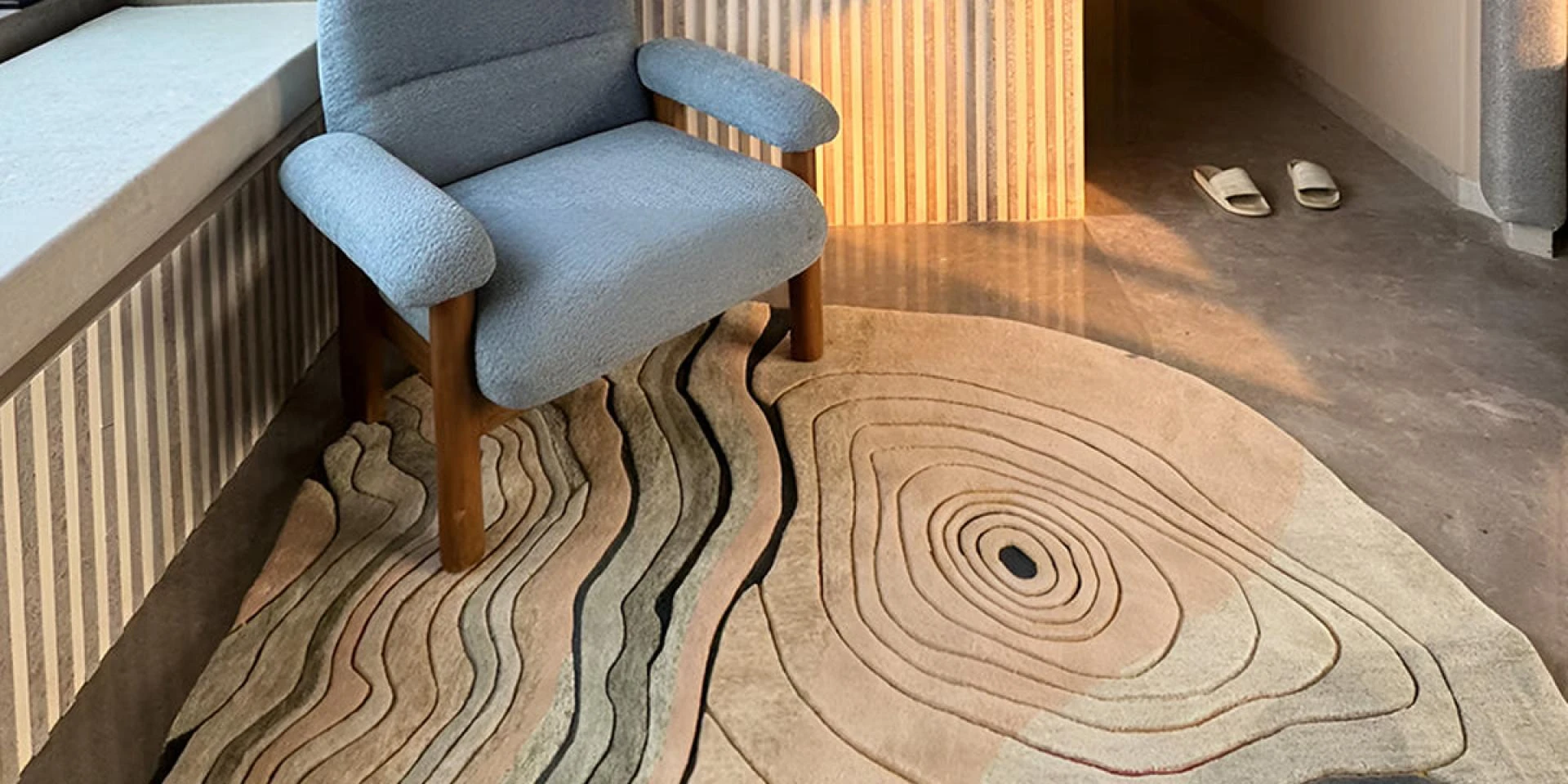

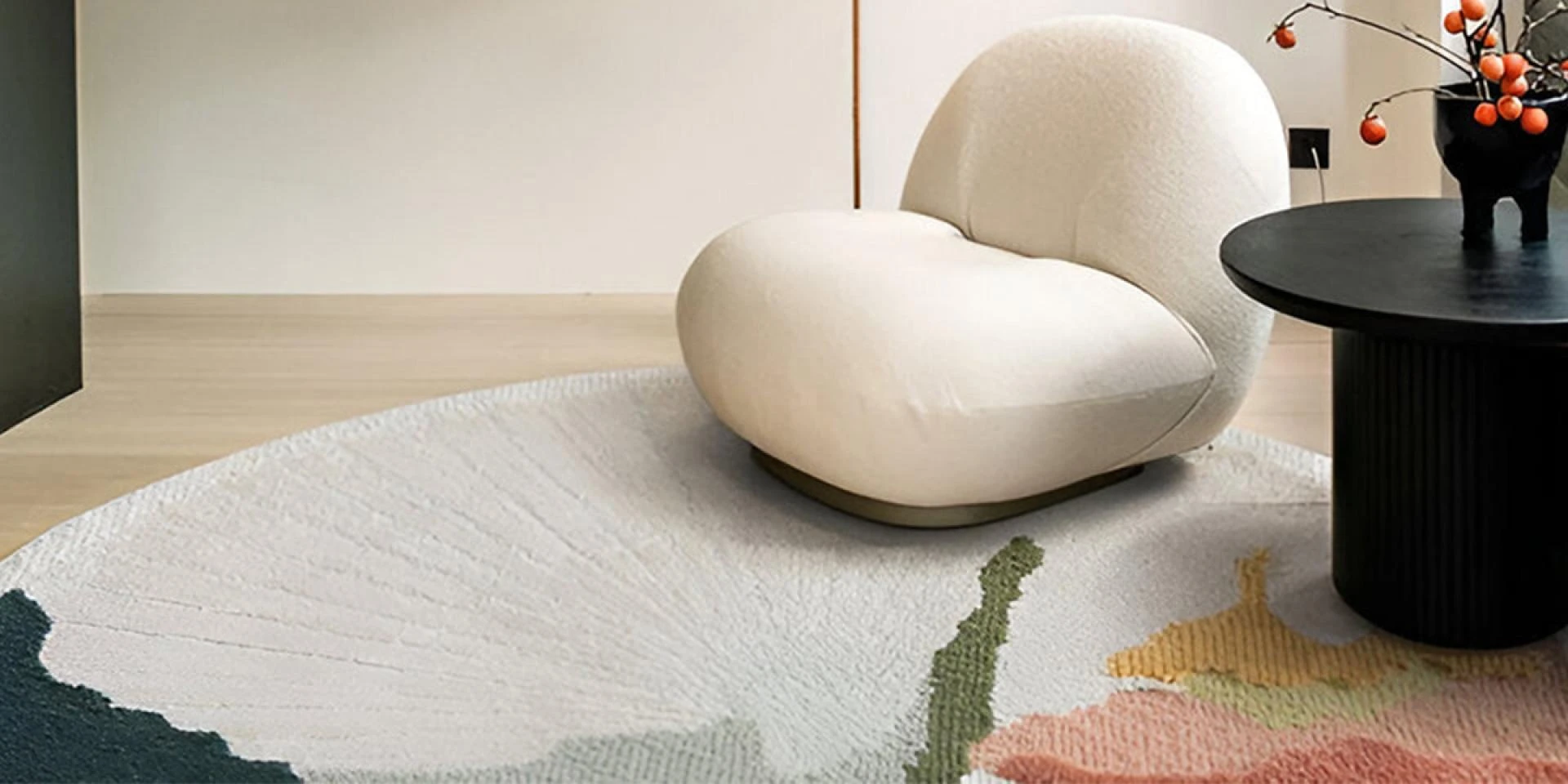
Rugs and carpets for living room spaces play a key role in defining how a room feels and functions. Beyond visual appeal, they help organize furniture, improve comfort underfoot, and bring balance to high-use areas. A thoughtfully chosen rug can transform a living room from feeling open and undefined to cohesive and welcoming.
Why Living Rooms Need Rugs or Carpets?
Living rooms are among the most frequently used spaces in a home, making flooring comfort essential. Rugs and carpets help soften hard surfaces, reduce echo, and create a warmer environment. They also act as visual anchors, ensuring seating arrangements feel intentional rather than scattered.
In larger rooms, rugs prevent furniture from floating without connection, while in smaller rooms, they help define usable zones without adding clutter.
Choosing the Right Size for Living Room Rugs
Size is one of the most important factors when selecting rugs and carpets for living room layouts. A rug that is too small can disrupt the visual flow, while an oversized rug may overpower the space.
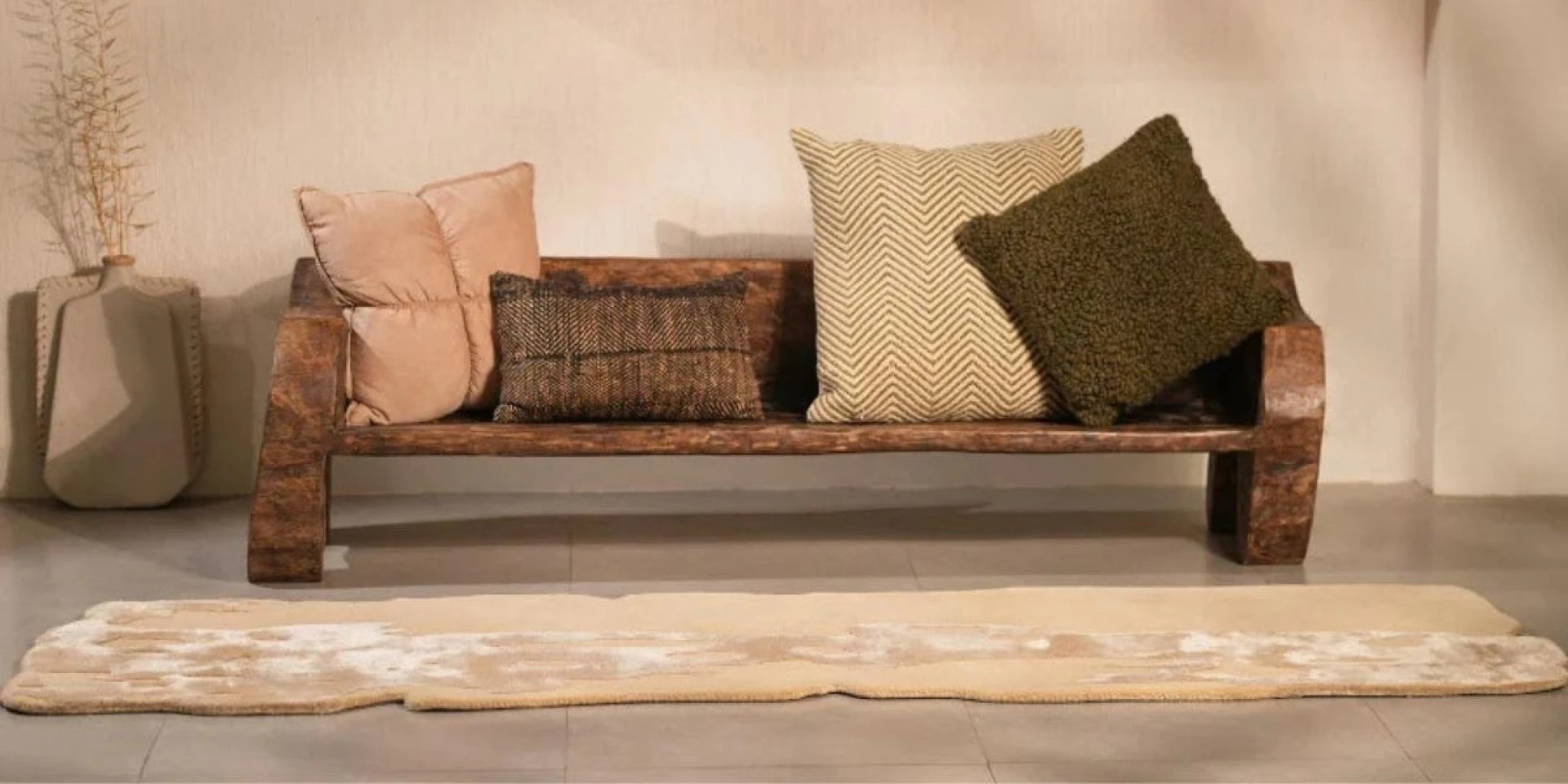
A common guideline is to place the rug so the front legs of sofas and chairs rest on it. This creates a unified seating area and enhances spatial balance. Leaving consistent space between the rug edges and walls also helps maintain proportion.
Material and Construction Considerations
Material choice affects both comfort and longevity. Dense weaves tend to hold up better in high-traffic living rooms, while softer textures enhance relaxation. The construction of a rug determines how well it maintains shape, resists wear, and supports everyday use.
Living rooms benefit from rugs that balance durability with comfort, especially in homes where the space serves multiple purposes such as entertaining, relaxing, or family gatherings.
How Rugs Influence Living Room Design
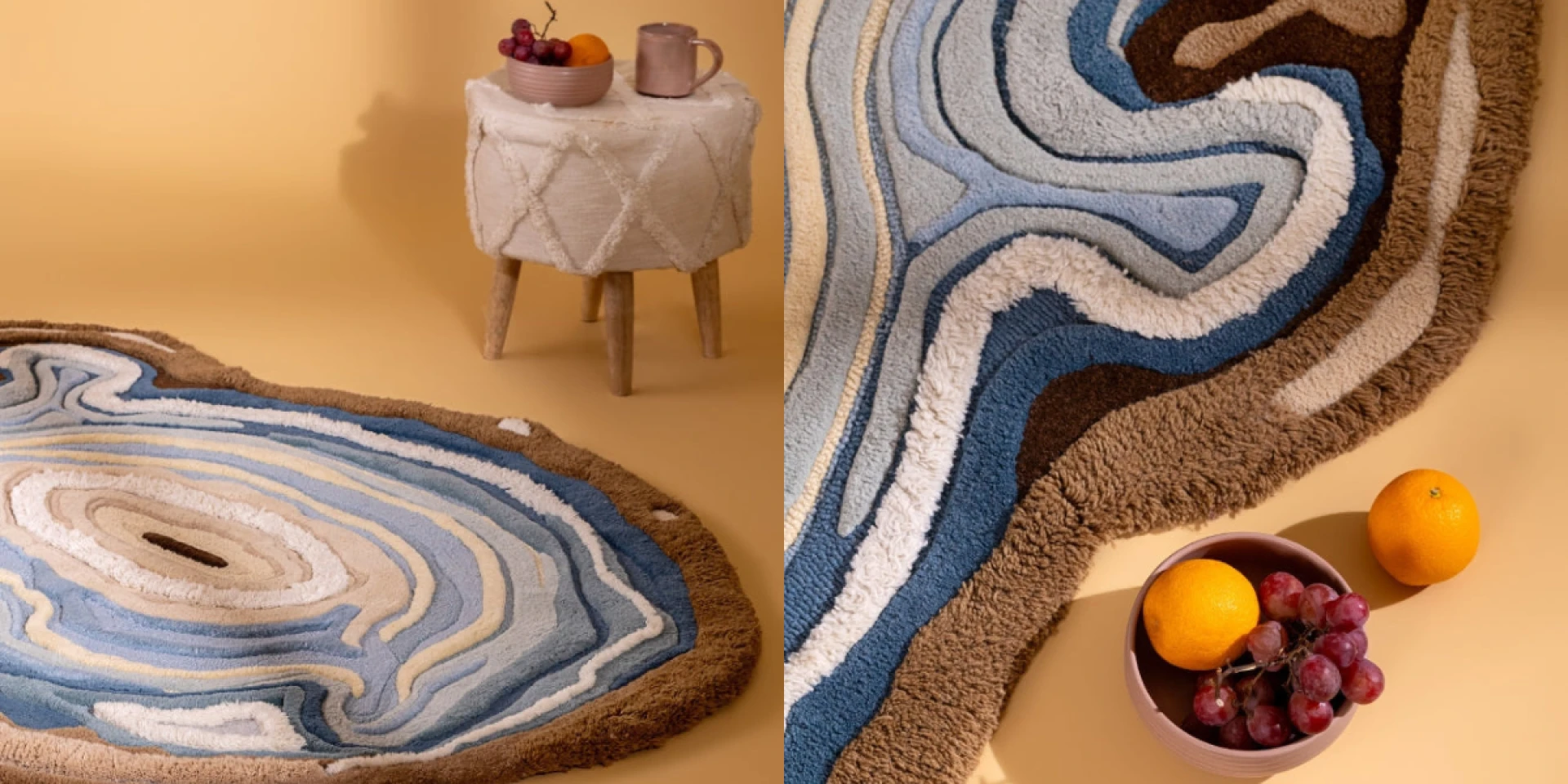
Rugs and carpets for living room interiors contribute more than warmth—they influence how the entire space is perceived. Neutral rugs support minimalist designs, while textured or patterned rugs add depth without overwhelming the room.
Used correctly, rugs can subtly guide movement through the space, highlight furniture arrangements, and bring harmony to diverse décor elements.
When to Use Rugs Instead of Wall-to-Wall Carpets
Area rugs offer flexibility that fixed carpeting does not. They can be repositioned, layered, or replaced as room layouts evolve. This makes rugs a practical choice for modern living rooms where adaptability matters.
Direct Answers:
Do living rooms need rugs or carpets?
Yes, they improve comfort, layout definition, and acoustics.
What size rug works best in a living room?
A rug should support at least the front legs of seating furniture.
Are rugs better than carpets for living rooms?
Rugs offer more flexibility while still providing comfort.
Design-led brands like Loops by LJ emphasize the importance of selecting functional, well-proportioned rugs for everyday living spaces. Explore curated rugs and carpets for living room interiors.






















Sign in to leave a comment.