Foot injuries are among the most common yet overlooked workplace hazards. Whether it’s a busy warehouse, a construction site, or a healthcare facility, workers are constantly on their feet, exposed to risks like slips, impacts, punctures, and fatigue. Fortunately, safety runners—a type of lightweight, protective footwear designed for both comfort and safety—are becoming an increasingly popular solution to help prevent these injuries while maintaining productivity and mobility.
Understanding Workplace Foot Injuries
Before we dive into prevention, it’s important to understand the types of foot injuries most commonly seen in workplaces:
- Slips, Trips, and Falls – Slippery surfaces, spilled liquids, or uneven floors can cause workers to lose balance, leading to ankle sprains or fractures.
- Crush and Impact Injuries – Dropped tools, rolling equipment, or heavy materials can cause serious bruising or broken bones.
- Puncture Wounds – Sharp objects such as nails, glass shards, or metal scraps can penetrate regular shoes and injure the foot.
- Cuts and Lacerations – Working with machinery or tools increases the risk of cuts, especially when the feet are inadequately protected.
- Repetitive Strain and Fatigue – Standing or walking for long hours without ergonomic footwear can lead to joint pain, plantar fasciitis, and chronic fatigue.
Each of these risks can lead to lost workdays, reduced efficiency, and even long-term disability. The right safety footwear—specifically safety runners—can dramatically reduce these risks.
What Are Safety Runners?
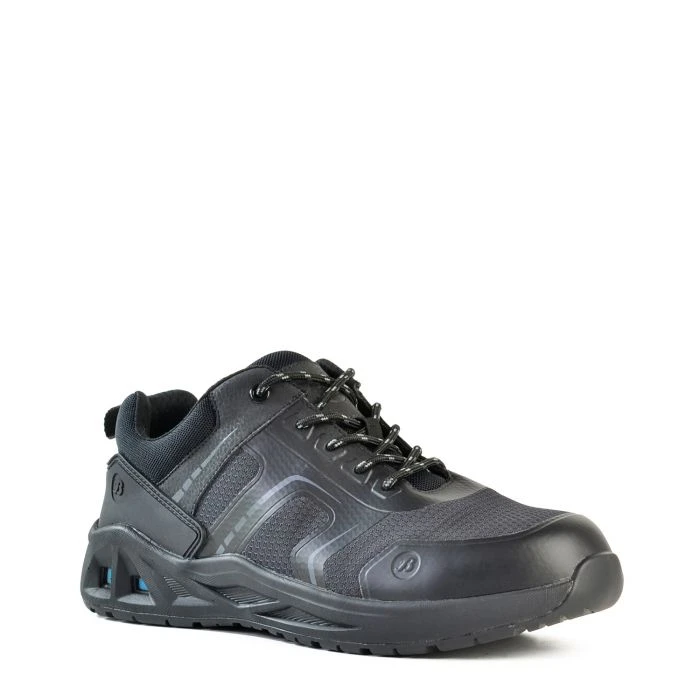
Safety runners combine the protective elements of traditional work boots with the lightweight comfort of athletic shoes. They are designed for workers who need mobility, breathability, and protection in equal measure.
Key features include:
- Slip-resistant soles for secure footing on wet or oily floors.
- Reinforced toe caps (often composite or steel) to protect from impact or compression.
- Shock-absorbing midsoles to reduce fatigue and joint strain.
- Breathable mesh uppers to keep feet cool and dry during long shifts.
- Anti-static and puncture-resistant materials for extra safety in industrial settings.
These shoes are particularly popular in industries like logistics, warehousing, light manufacturing, healthcare, and hospitality—where workers are on the move all day but still need reliable protection.
How Safety Runners Prevent Common Workplace Foot Injuries
1. Slip Resistance to Prevent Falls
One of the biggest hazards in any workplace is slipping on wet or uneven surfaces. Safety runners are designed with specialised slip-resistant soles that provide superior traction on a variety of surfaces—concrete, tiles, or metal flooring.
The tread pattern and rubber compounds used in these soles channel liquids away, improving grip and reducing the chance of slips and falls. This feature alone can prevent many common workplace injuries, such as sprains, twisted ankles, and even head injuries caused by falling.
2. Toe Protection Against Impact and Compression
Workplace environments often involve moving equipment, falling tools, or heavy objects. Safety runners typically include steel or composite toe caps that meet Australian Standards (like AS/NZS 2210.3).
These toe caps protect the wearer from impact injuries and compression, absorbing the force from dropped items or rolling machinery. Composite toe caps are especially useful in environments where metal detectors are used, as they are non-metallic yet equally strong.
3. Puncture and Cut Resistance
In workshops or construction sites, the floor may contain sharp materials that can easily pierce standard sneakers. Safety runners feature puncture-resistant midsoles, often made from Kevlar or steel plates, which act as a barrier between the foot and any sharp object.
Additionally, the outer materials are often abrasion- and cut-resistant, preventing tears and lacerations caused by sharp edges or tools. This ensures workers stay protected even in demanding environments.
4. Shock Absorption and Arch Support to Reduce Fatigue
Foot fatigue may not sound serious, but over time, it can lead to chronic musculoskeletal disorders. Standing or walking all day on hard surfaces puts strain on the feet, knees, and lower back.
Safety runners address this with ergonomic cushioning and shock-absorbing midsoles that distribute pressure evenly and reduce the impact on joints. Many models also include arch support and heel stability features that enhance comfort during long shifts.
By reducing fatigue, workers are less prone to accidents caused by tiredness or loss of balance—making this an important safety benefit.
5. Breathability and Moisture Control
Sweaty, uncomfortable feet can lead to blisters, bacterial infections, and distraction—all of which can increase accident risks. Safety runners often use breathable mesh linings and moisture-wicking materials to regulate temperature and keep feet dry throughout the day.
This not only enhances comfort but also maintains hygiene, reducing the risk of skin-related issues that can affect work performance.
6. Lightweight Design for Better Mobility
Traditional work boots can be heavy, restricting movement and causing fatigue. In contrast, safety runners are lightweight and flexible, allowing for natural movement and agility.
This is particularly beneficial for workers who need to move quickly or change direction frequently, such as warehouse staff or technicians. The enhanced mobility helps prevent missteps, stumbles, or awkward movements that can result in sprains and strains.
Additional Benefits of Safety Runners
Beyond injury prevention, safety runners offer several other advantages:
- Compliance with safety regulations: Many models meet industry standards, helping employers stay compliant with workplace safety requirements.
- Improved productivity: Comfortable workers are more focused and efficient.
- Reduced absenteeism: Preventing injuries means fewer sick days and medical claims.
- Stylish appearance: Modern safety runners often look like athletic shoes, which encourages employees to wear them consistently.
Choosing the Right Pair of Safety Runners
When selecting safety runners, consider the following factors:
- Work environment: Identify specific hazards such as wet floors, heavy machinery, or electrical risks.
- Safety standards: Ensure the shoes comply with Australian or international standards for impact, slip resistance, and puncture protection.
- Fit and comfort: Ill-fitting shoes can cause blisters and discomfort, negating their benefits.
- Material quality: Look for durable materials that can withstand daily wear and tear.
- Maintenance: Opt for shoes that are easy to clean and maintain.
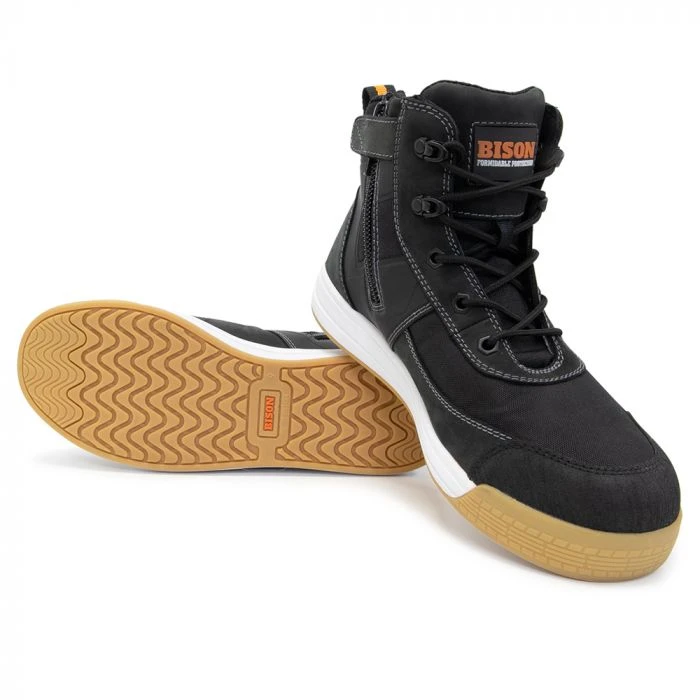
Brands such as Magnum, Bata, and Bison offer reliable safety runners designed for different industries, combining protection, comfort, and modern style.
Final Thoughts
Workplace foot injuries can have long-lasting physical and financial consequences. Fortunately, with advancements in design and materials, safety runners now offer an excellent balance of protection, comfort, and mobility—making them a smart investment for both workers and employers.
By choosing the right pair, workers can stay safe and comfortable throughout their shifts, while businesses can foster a safer, more productive work environment. In short, safety runners aren’t just shoes—they’re a vital part of your workplace safety strategy.
























Sign in to leave a comment.