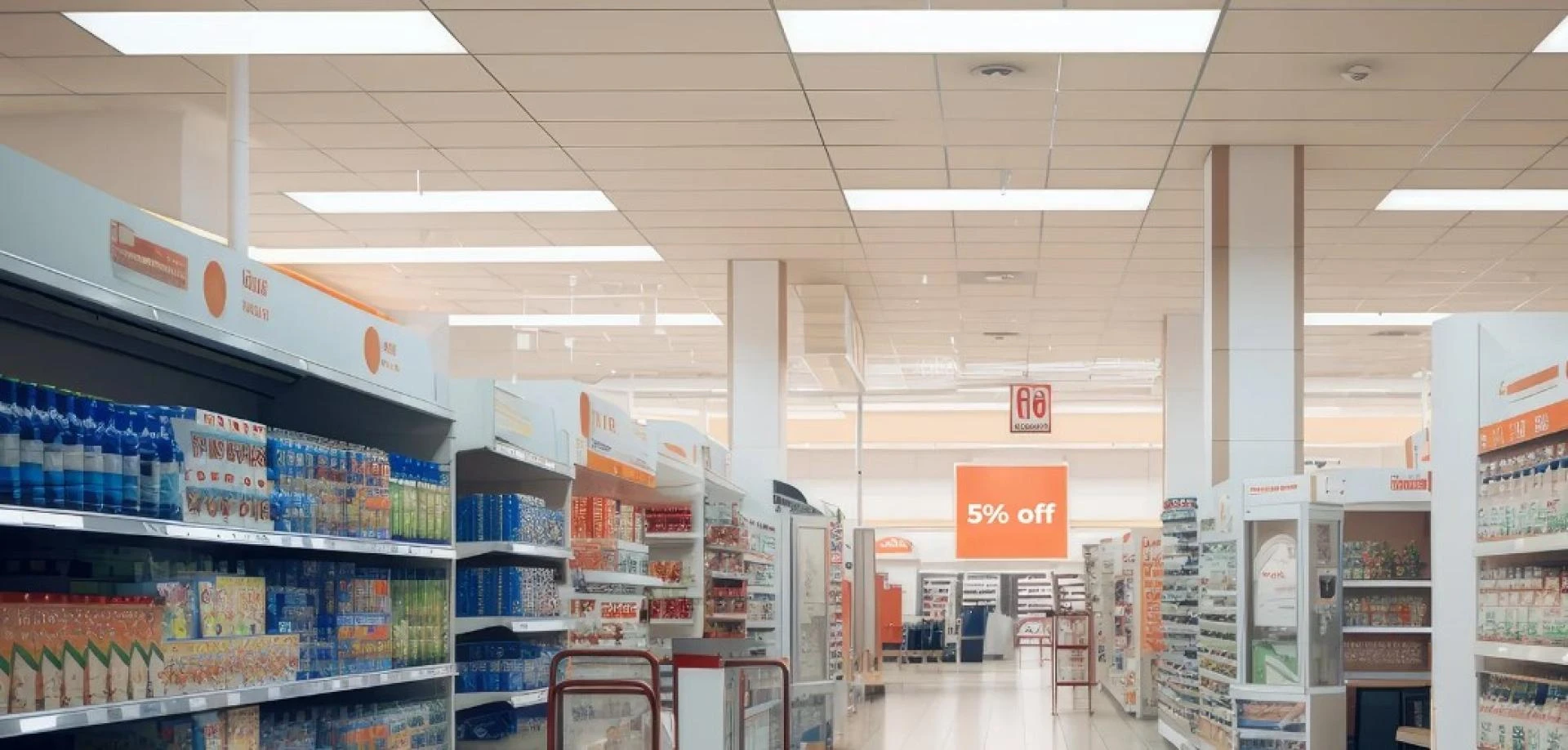

In modern education, lighting is no longer just about visibility—it’s about creating an environment that promotes focus, comfort, and well-being. As schools across the globe face rising utility costs and increasing pressure to improve sustainability, many administrators are turning to wholesale LED lighting as a solution that benefits both the budget and the learning experience.
This article explores how wholesale LED lighting is reshaping classrooms, libraries, and campuses. From financial savings to cognitive benefits for students, we’ll cover why now is the right time for schools to make the switch.
The Impact of Lighting on Learning
Research shows that lighting directly affects students' alertness, concentration, and academic performance. Poor lighting can lead to eye strain, fatigue, and reduced attention spans. In contrast, well-designed LED lighting systems can:
- Mimic natural daylight to regulate circadian rhythms
- Reduce glare and flicker, improving comfort
- Enhance color clarity for art, science, and reading materials
- Improve mood and engagement in the classroom
Traditional fluorescent bulbs, which still dominate many educational institutions, fall short in these areas. They degrade quickly, flicker noticeably, and contain toxic materials like mercury. LEDs offer a cleaner, smarter alternative.
Why Wholesale LED Is the Smart Choice for Schools
When considering a campus-wide lighting upgrade, cost efficiency is critical. This is where wholesale LED lighting truly shines—offering budget-conscious institutions the ability to purchase in bulk and maximize long-term returns.
Key Advantages of Wholesale LED for Schools:
✔ Lower Total Cost of Ownership
Though the upfront cost of LEDs may seem higher than fluorescent tubes, they last significantly longer—often 10–15 years with minimal maintenance. This longevity drastically reduces replacement costs and labor hours.
✔ Immediate Energy Savings
LEDs consume 50–70% less electricity than traditional bulbs. When applied across classrooms, gyms, cafeterias, and outdoor areas, this results in substantial annual savings on utility bills.
✔ Improved Learning Environments
LEDs provide consistent, flicker-free light with adjustable brightness and color temperature. Studies show students perform better in environments with cool-white (4000K–5000K) lighting during active learning and warmer tones during quiet or creative periods.
✔ Safer and Eco-Friendly
Wholesale LED products are mercury-free, shatter-resistant, and generate less heat—important safety features in schools with children of all ages. Additionally, they support district-wide green initiatives and LEED certification.
Where to Upgrade: Top School Zones for LED Implementation
1. Classrooms
This is where lighting matters most. Tunable LEDs let teachers adjust light levels based on the time of day or activity. For instance, brighter, cooler light supports focus during tests, while warmer tones are ideal for reading or group discussions.
2. Libraries and Labs
Libraries require even, low-glare lighting to support prolonged reading and research. Science labs need higher CRI (Color Rendering Index) to accurately distinguish between chemicals, specimens, and diagrams.
3. Gymnasiums and Auditoriums
High ceilings and multipurpose use demand bright, durable fixtures. LED high bay lights offer even coverage and are impact-resistant—ideal for areas prone to ball strikes or vibrations from sound systems.
4. Corridors and Restrooms
Occupancy sensors paired with LEDs provide automatic lighting only when needed—reducing energy waste during off-hours.
5. Outdoor Spaces and Parking Lots
LED floodlights enhance student and staff safety with better visibility during early mornings, evenings, or emergency situations. Many wholesale LED products are IP65-rated for weather resistance.
Choosing the Right Wholesale LED Products for Education
Not all LED lights are created equal. When sourcing through a wholesale supplier, focus on these specifications:
- CRI ≥ 80 for accurate color reproduction
- Color temperatures ranging from 3500K to 5000K for optimal learning conditions
- Dimming compatibility for flexible control
- Smart controls for automated lighting schedules and energy reporting
- UL and DLC certifications for quality assurance and rebate eligibility
Additionally, many wholesale LED suppliers now offer pre-configured education packages that match lighting layouts common in schools—streamlining planning and installation.
Working with a Wholesale Partner: What Schools Should Expect
The best wholesale LED suppliers don’t just ship boxes—they guide you through the process, from product selection to delivery coordination. Look for suppliers that offer:
- Photometric studies to plan brightness and coverage by room type
- Installation guidance or electrician referrals
- Bulk order discounts and shipping consolidation
- Warranty coverage (5–10 years)
- Support with utility rebate applications
With the right partner, a school district can roll out LED upgrades across dozens of buildings in phases—without disrupting classes.
Funding Opportunities for LED Upgrades
One of the best aspects of transitioning to LEDs is that it often qualifies for financial assistance. School districts may be eligible for:
- Local or state energy-efficiency rebates
- Federal infrastructure grants
- Green campus funding programs
- Performance contracts with shared savings vendors
The upfront investment in wholesale LED lighting pays for itself over time through lower energy bills, reduced maintenance costs, and improved facility ratings.
Case Study: Elementary School District in California
A five-campus school district in California replaced all interior lighting with LEDs sourced from a wholesale provider. The result:
- A 63% drop in lighting-related energy costs
- Lighting maintenance requests fell by 80% within 12 months
- Improved feedback from students and teachers on classroom comfort
- $150,000 in energy rebates applied toward additional tech upgrades
This is just one example of how educational institutions can turn energy savings into better learning tools and infrastructure improvements.
Conclusion: A Brighter Future Starts with Better Lighting
In an age where student outcomes, budget constraints, and sustainability targets are all top priorities, lighting can no longer be an afterthought. By switching to wholesale LED lighting, schools gain an affordable, future-ready solution that supports better learning, lowers operational costs, and strengthens environmental responsibility.
If your school is ready to modernize its lighting infrastructure, start by consulting with an experienced wholesale LED provider. The right lighting can quite literally change how students see the world—and how well they learn in it.




























Sign in to leave a comment.