
Introduction
Achieving long-lasting, high-quality paint adhesion on metalware requires precise and thorough surface preparation. One of the most effective and widely used methods is shot blasting, a process that eliminates contaminants, creates an ideal surface profile, and significantly improves coating adhesion. Industries that rely on durable finishes—household metalware, automotive parts, construction hardware, and industrial tools—use shot blasting as an essential pre-coating step. This article explains how shot blasting enhances paint adhesion and why it is a vital part of metal finishing.
Why Paint Adhesion Matters in Metalware
Paint does more than provide color—it safeguards metal from corrosion, abrasion, and environmental degradation. Strong paint adhesion ensures:
- Better resistance to moisture
- Longer lifespan of metal components
- Improved aesthetic appeal
- Reduced chipping, peeling, and blistering
Without proper adhesion, even premium coatings fail prematurely, leading to rework and higher production costs.
Common Causes of Poor Paint Adhesion
Metal surfaces often have contaminants that prevent paint from bonding effectively:
- Oils and grease from machining
- Mill scale from manufacturing
- Rust and oxidation
- Surface smoothness preventing mechanical bonding
Shot blasting eliminates these issues to produce a receptive surface.
Also Check - Shot Blasing Machine Manufacturers
What Shot Blasting Does to Metal Surfaces
Shot blasting uses abrasive materials propelled at high speed to mechanically clean and texture metal surfaces. This preparation process is essential for strong and durable paint adhesion.
Mechanical Cleaning Action
Abrasives strike the metal surface with force, removing rust, scale, paint residues, and oil films. This creates a perfectly clean base for coatings to adhere.
Surface Profile Formation (Anchor Pattern)
Shot blasting produces controlled micro-indentations—an “anchor profile”—which allows the paint to grip the metal rather than merely sit on the surface.
Micro-Level Roughness for Strong Mechanical Bonding
The microscopic peaks and valleys formed during blasting increase the surface area, ensuring deeper paint penetration and stronger bonding.
Key Ways Shot Blasting Enhances Paint Adhesion
Shot blasting is not just a cleaning method—it transforms the metal surface to optimize paint adhesion.
Removing Rust, Scale, and Impurities
By clearing away all foreign matter, shot blasting ensures no barrier exists between the metal and the paint.
Increasing Surface Energy for Better Wetting of Paint
Higher surface energy means the paint spreads more evenly across the surface, filling micro-gaps and adhering uniformly.
Creating an Ideal Anchor Profile for Coatings
Paint must interlock with the metal. Shot blasting creates the required anchor pattern for epoxy, powder coatings, and liquid paints.
Ensuring Uniform Paint Thickness
Because shot blasting creates a consistent roughness, painters achieve even coating distribution with fewer defects.
Also Check - Shot Blasing Machine Price in India
Types of Shot Blasting Machines Used for Metalware
Metalware manufacturing involves various shapes and sizes. Different shot blasting machines help achieve precise results.
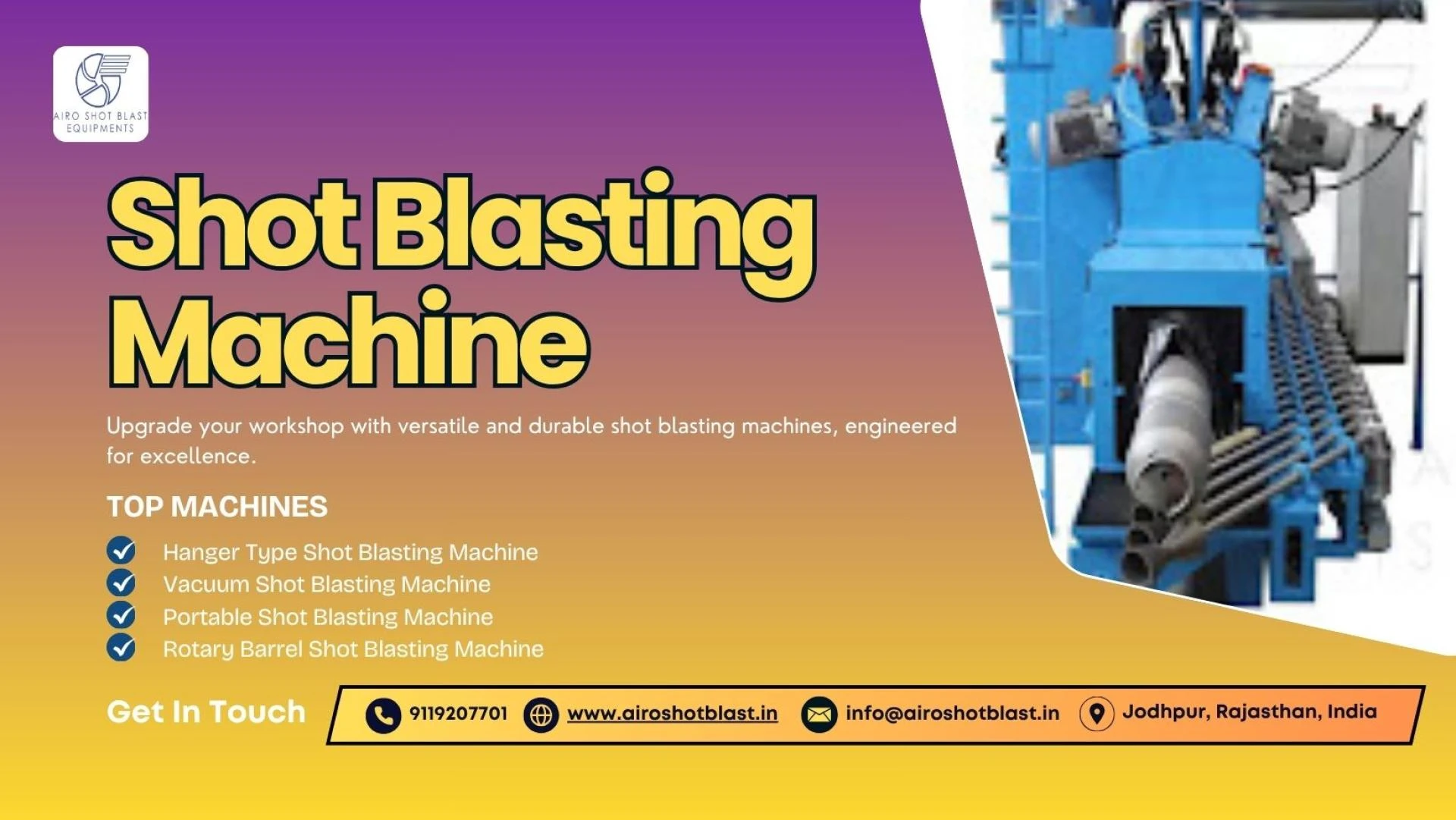
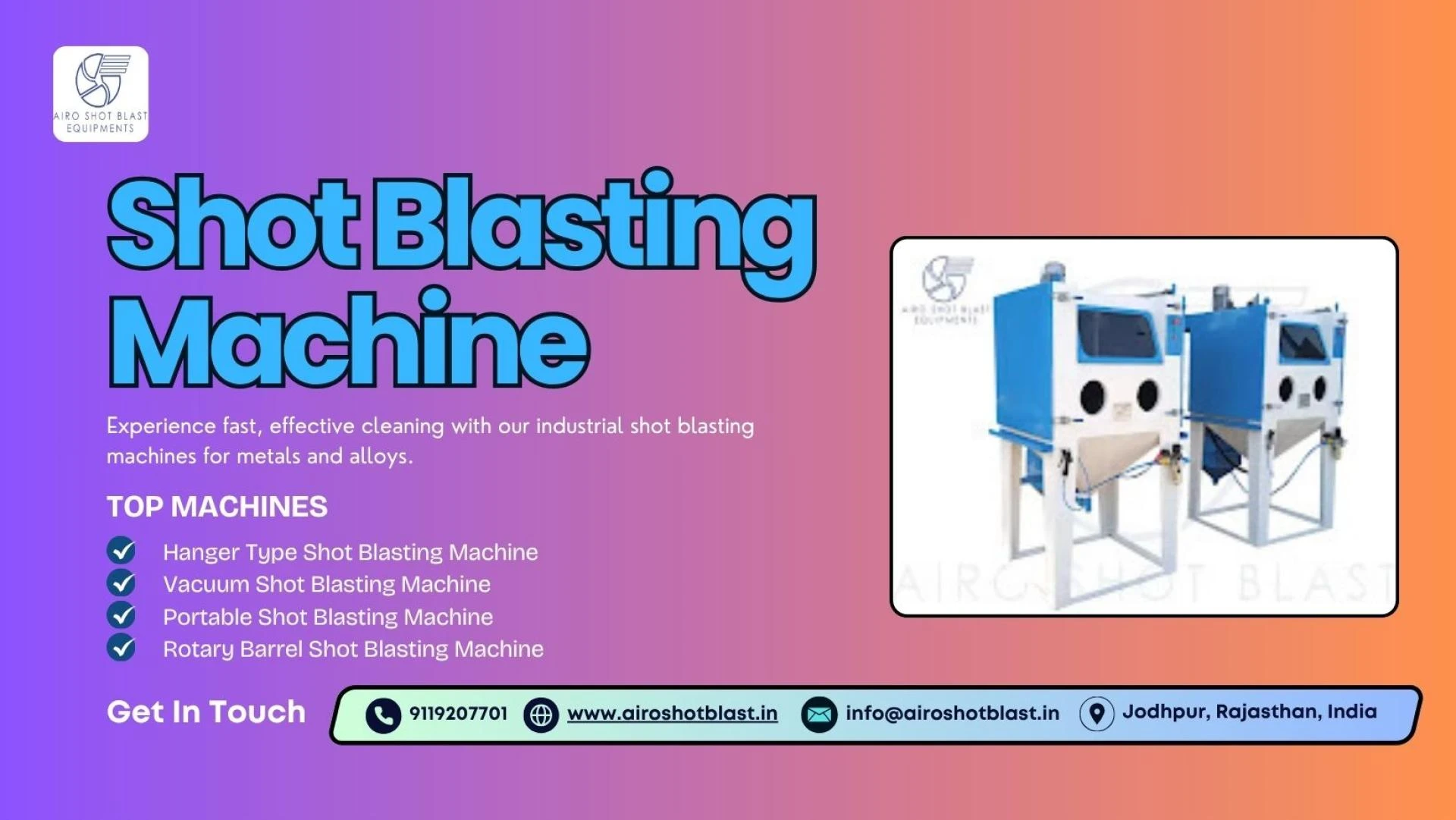
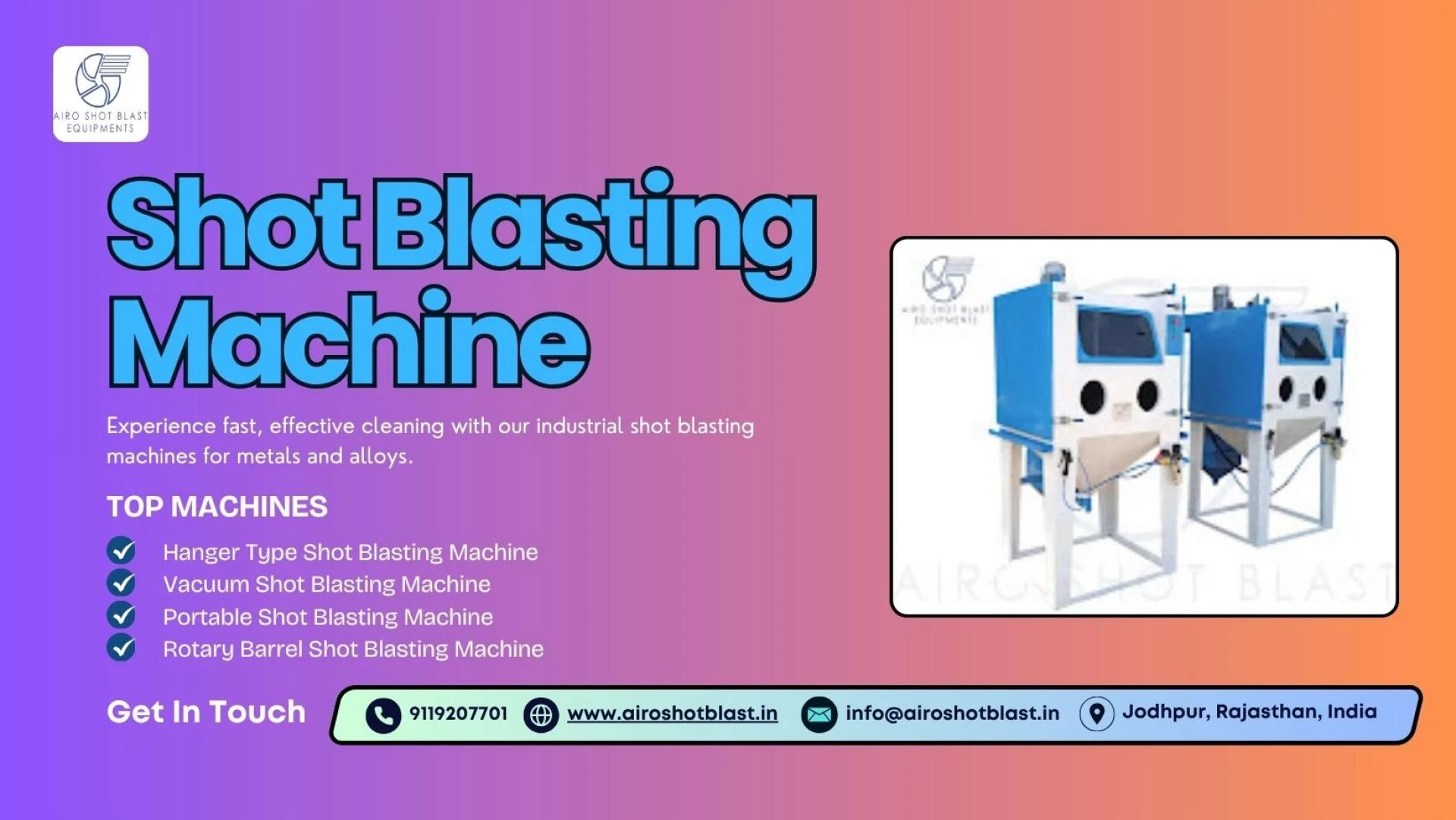
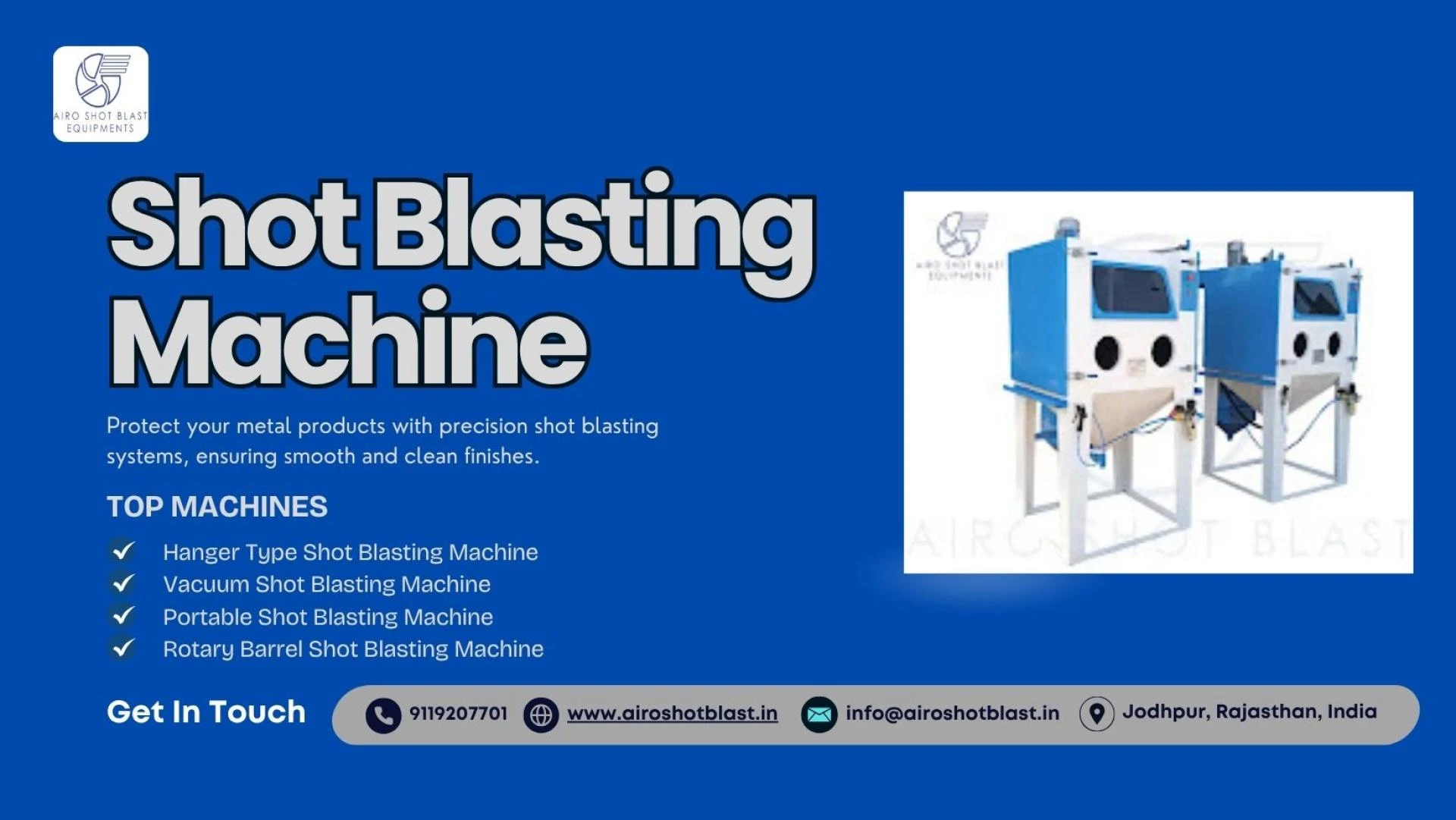
Cabinet Type Shot Blasting Machines
Ideal for small or medium metalware components, offering controlled blasting and fine detailing.
Pressure Blasting Machines for Precision
Pressure blast systems deliver high-speed abrasive flow, ideal for intricate surfaces and hard-to-reach areas.
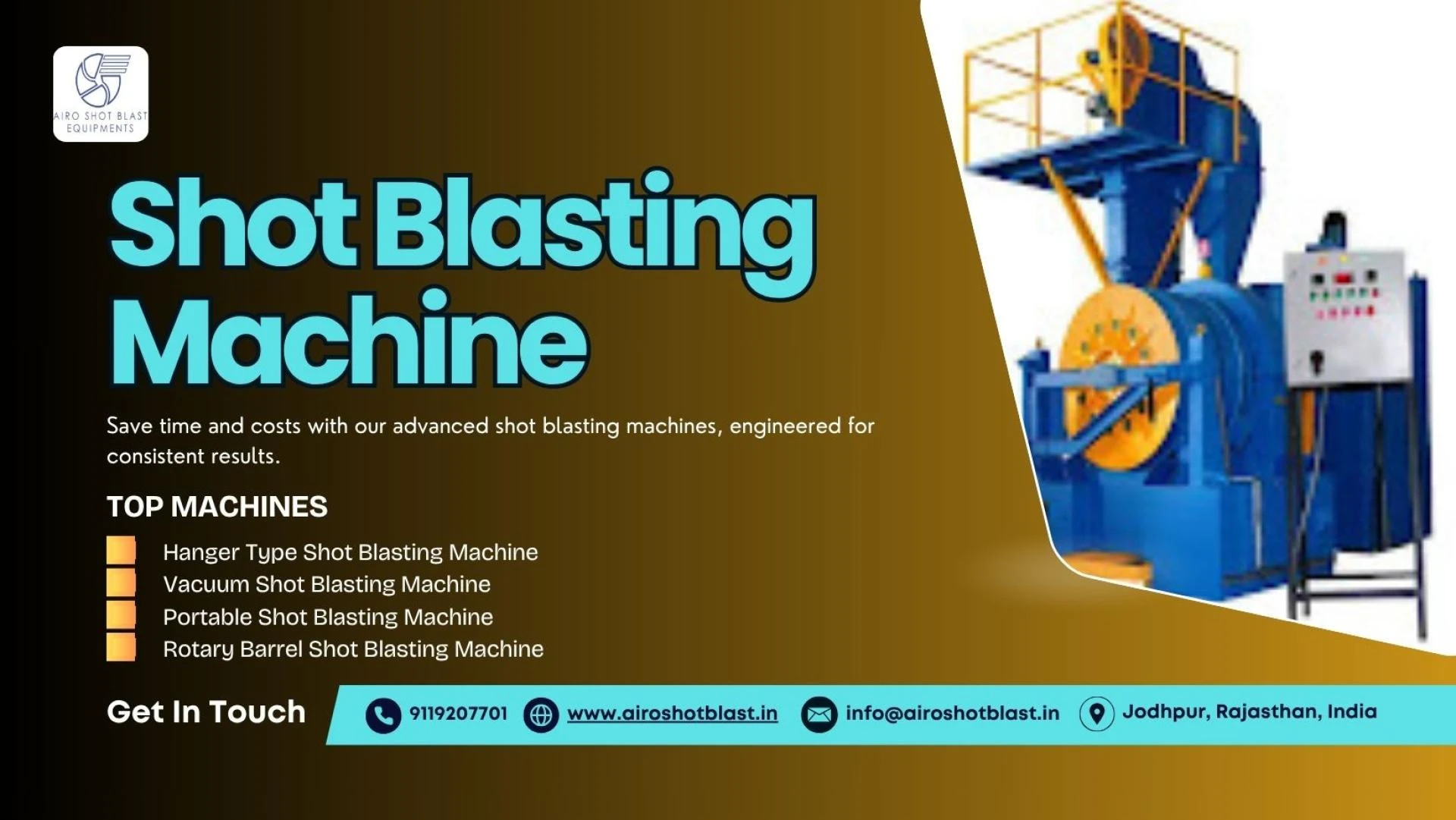
Wheel Blasting Machines for High-Volume Metalware Production
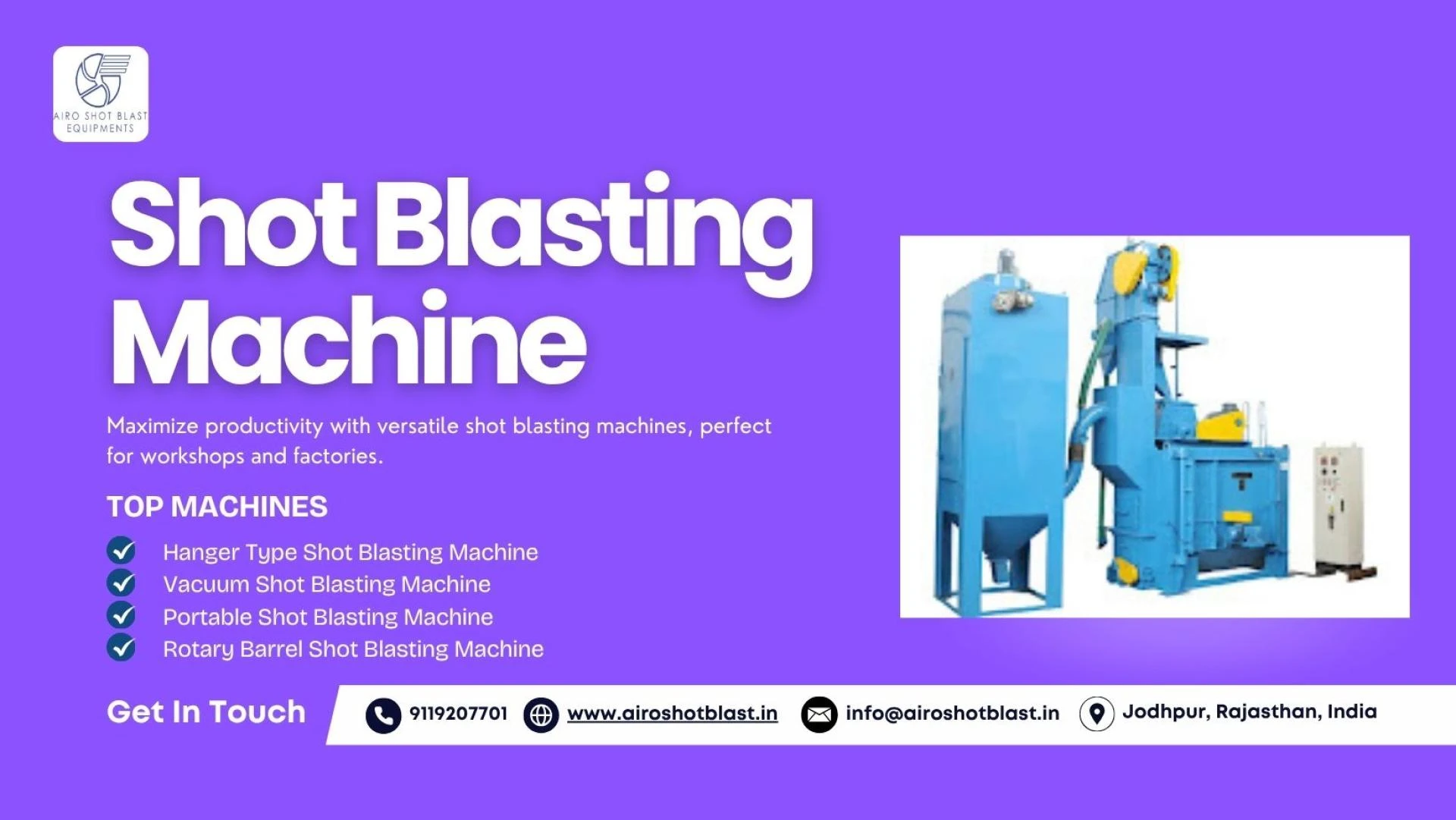
These machines handle bulk metalware processing, delivering high-speed cleaning and surface texturing.
Read More - https://site-5xdfaai0i.godaddysites.com/f/why-defense-manufacturing-needs-advanced-shot-blasting
Step-by-Step Process: Improving Paint Adhesion with Shot Blasting
Below are the key execution steps, each with a concise explanation.
Step 1: Inspect the Metal Surface
Check for uneven rust, deep pitting, or contaminants. Inspection defines the required blasting grade and abrasive selection.
Step 2: Choose the Right Abrasive Media
Select steel shots, grit, or garnet depending on the desired surface finish.
- Steel grit creates a sharper profile
- Steel shots offer smoother peening
- Garnet delivers a clean, low-dust finish
Step 3: Set Proper Blasting Pressure and Speed
Proper air pressure or wheel speed determines how aggressive the blasting will be. Higher pressure creates a deeper anchor profile.
Step 4: Achieve Uniform Coverage
Move the nozzle or workpiece in overlapping passes. Uniform coverage ensures consistent roughness across the entire part.
Step 5: Verify Surface Profile Before Painting
Check the surface with profile gauges or visual inspection standards (SA 2.5 or SA 3). Ensure no contaminants remain.
Step 6: Apply Paint Immediately After Blasting
Blasted surfaces can quickly oxidize. Applying paint immediately ensures strong bonding and prevents flash rusting.
Why Airo Shot Blast Equipments Is Trusted for Metalware Preparation
Airo Shot Blast Equipments designs robust, efficient, and customizable blasting solutions that deliver:
- Consistent surface profiles
- Energy-efficient blasting cycles
- Reduced abrasive consumption
- Superior machine durability
- Reliable after-sales service
Their systems help metalware manufacturers achieve perfect paint adhesion, reduced rework, and better product finish quality.
Wrap Up
Shot blasting plays a vital role in paint adhesion by cleaning, roughening, and energizing the metal surface. It ensures coatings bond deeply and withstand long-term use. With advanced blasting solutions from Airo Shot Blast Equipments, metalware producers can achieve a flawless finish, improved durability, and superior corrosion protection. Investing in the right shot blasting process guarantees long-lasting coating performance and enhanced product value.

























Sign in to leave a comment.