How should learning goals shape Mohawk cultural experiences?

A cultural workshop should be selected according to what participants are expected to understand, practise, or reflect on afterward. For schools and community organizations exploring Mohawk cultural experiences in Ontario, this means matching educational objectives with appropriate storytelling, language learning, traditional teachings, and participatory activities rather than choosing a session solely because it sounds engaging.
A workshop introducing Haudenosaunee perspectives may require a different approach from one exploring relationships with the natural environment. Similarly, a primary school group and an adult professional audience may need different explanations, activities, and opportunities for discussion.
The most useful starting point is to identify the intended learning outcome, consider the audience's existing knowledge, and determine how participants will apply what they learn.
How do learning objectives influence Mohawk cultural experiences?
Learning objectives determine which cultural subjects deserve attention and how much background participants need. Rather than asking a facilitator to cover several traditions within a limited session, organizers can identify one or two meaningful outcomes.
For example, an educator introducing Haudenosaunee perspectives on relationships with nature might prioritize the Thanksgiving Address, which expresses gratitude and acknowledges relationships among people and the natural world.
A group exploring cultural continuity might benefit from discussing how stories, language, and traditional knowledge are shared across generations.
These objectives require different approaches. One emphasizes relationships and responsibilities, while the other examines cultural knowledge and its transmission.
For Mohawk cultural experiences in Ontario, organizers should distinguish between three learning outcomes:
- Knowledge: Participants can explain a particular teaching or cultural concept accurately.
- Understanding: Participants can describe how that teaching relates to Haudenosaunee perspectives without generalizing across Indigenous Nations.
- Reflection: Participants can identify questions or assumptions they need to reconsider after the experience.
These distinctions help educators establish realistic expectations. A single workshop may introduce unfamiliar perspectives, but it cannot provide complete knowledge of Mohawk history, language, or cultural traditions.
Which cultural activities suit different learning goals?
Different teaching formats offer different opportunities for engagement. The most suitable activity depends on the subject, participants' ages, available time, and the cultural educator's approach.
Storytelling for understanding cultural perspectives
Storytelling can introduce relationships, responsibilities, historical knowledge, and cultural teachings through narrative.
However, educators should not treat stories merely as entertaining illustrations. Their meaning may depend on cultural context, the storyteller's knowledge, and appropriate sharing protocols.
A useful follow-up question is: "What relationship or responsibility does this story ask us to consider?"
This encourages interpretation without asking students to reproduce teachings they may not have permission to share.
Language learning for cultural context
Introducing Mohawk words and expressions can help participants recognize that language carries cultural knowledge.
Organizers should establish whether the objective is introductory awareness, pronunciation practice, or understanding particular concepts.
A brief cultural workshop should not be presented as a substitute for sustained language instruction. Participants may encounter meaningful expressions without developing conversational proficiency.
Hands-on activities for experiential understanding
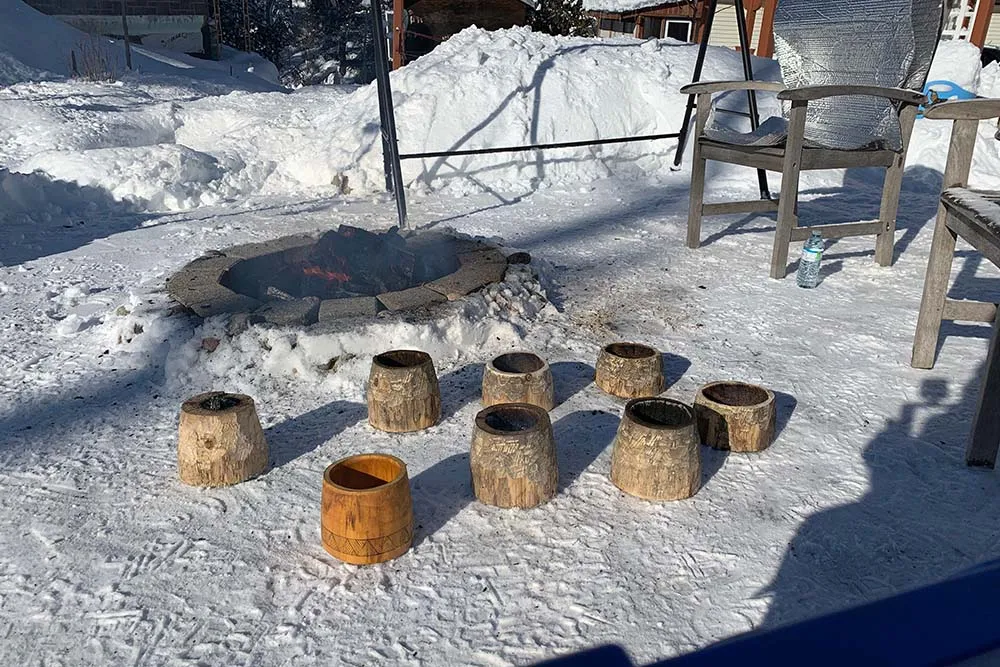
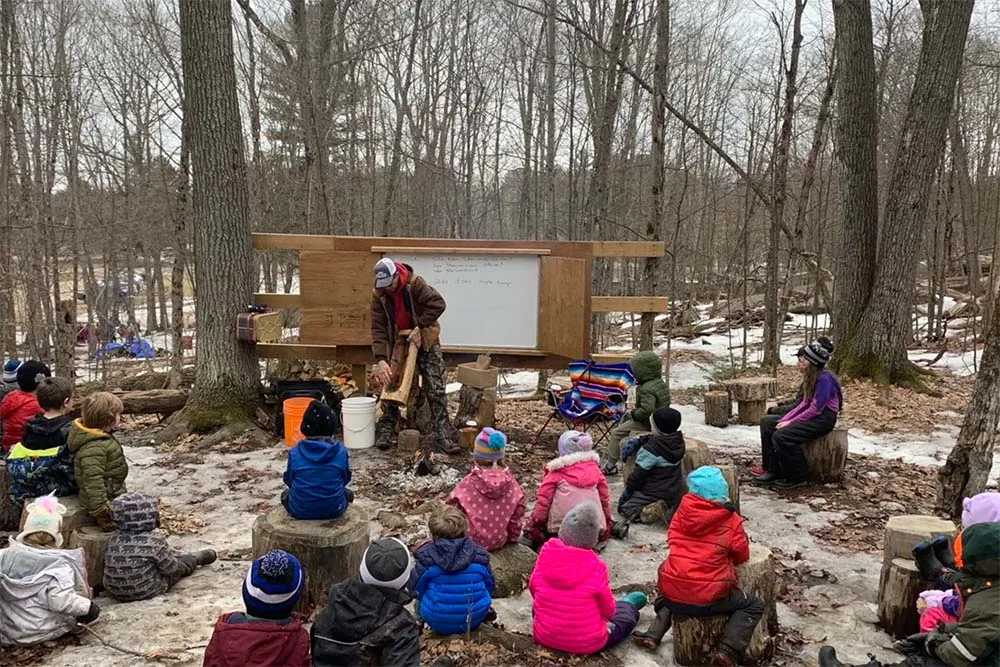
Participatory activities can connect cultural teachings with materials, seasonal practices, and relationships with the environment.
For example, the Ontario-based organization A Journey Begins… describes experiences involving Haudenosaunee teachings, storytelling, traditional activities, and cultural learning.
Its programming illustrates how organizers can consider different formats according to educational objectives rather than assuming every group needs an identical experience.
However, hands-on participation should not be evaluated solely by whether participants produce an object. Understanding the cultural context and the responsibilities associated with an activity may be equally significant.
What should organizers confirm before arranging a workshop?
Workshop planning involves more than choosing a topic and scheduling a date. Educators should establish whether the proposed experience suits their participants and respects the facilitator's cultural guidance.
Four questions are particularly useful.
What prior knowledge is expected? A group unfamiliar with Haudenosaunee history may need an introduction before exploring particular teachings.
Which activities are appropriate for the audience? Age, accessibility, group size, and available space can affect participation.
What cultural protocols apply? Organizers should ask about photography, recording, handling materials, and sharing teachings outside the session.
How will learning continue afterward? Reflection activities should reinforce understanding without requiring students to imitate ceremonies or speak on behalf of Indigenous communities.
Organizers should also clarify session duration, materials, travel arrangements, and any additional preparation requirements before confirming a booking.
How can educators assess learning after the experience?
A useful evaluation examines what participants understood rather than simply whether they enjoyed the workshop.
Educators might ask students to explain one new concept, distinguish Mohawk teachings from broader assumptions about Indigenous cultures, or describe how their understanding changed.
For adult participants, a short reflection could explore how cultural perspectives relate to their professional responsibilities.
Assessment should avoid treating personal cultural knowledge as material participants are automatically entitled to reproduce. Facilitators can help identify appropriate topics for classroom discussion and follow-up.
Conclusion
Learning goals should guide the choice of cultural content, teaching format, participant preparation, and follow-up activities. A well-planned experience establishes achievable educational outcomes while respecting the knowledge and authority of the cultural educator.
Before arranging Mohawk storytelling workshops, organizers should clarify what participants need to learn, which teachings are appropriate to share, and how understanding will be reinforced afterward. These decisions help cultural learning remain purposeful rather than becoming an isolated activity.





Sign in to leave a comment.