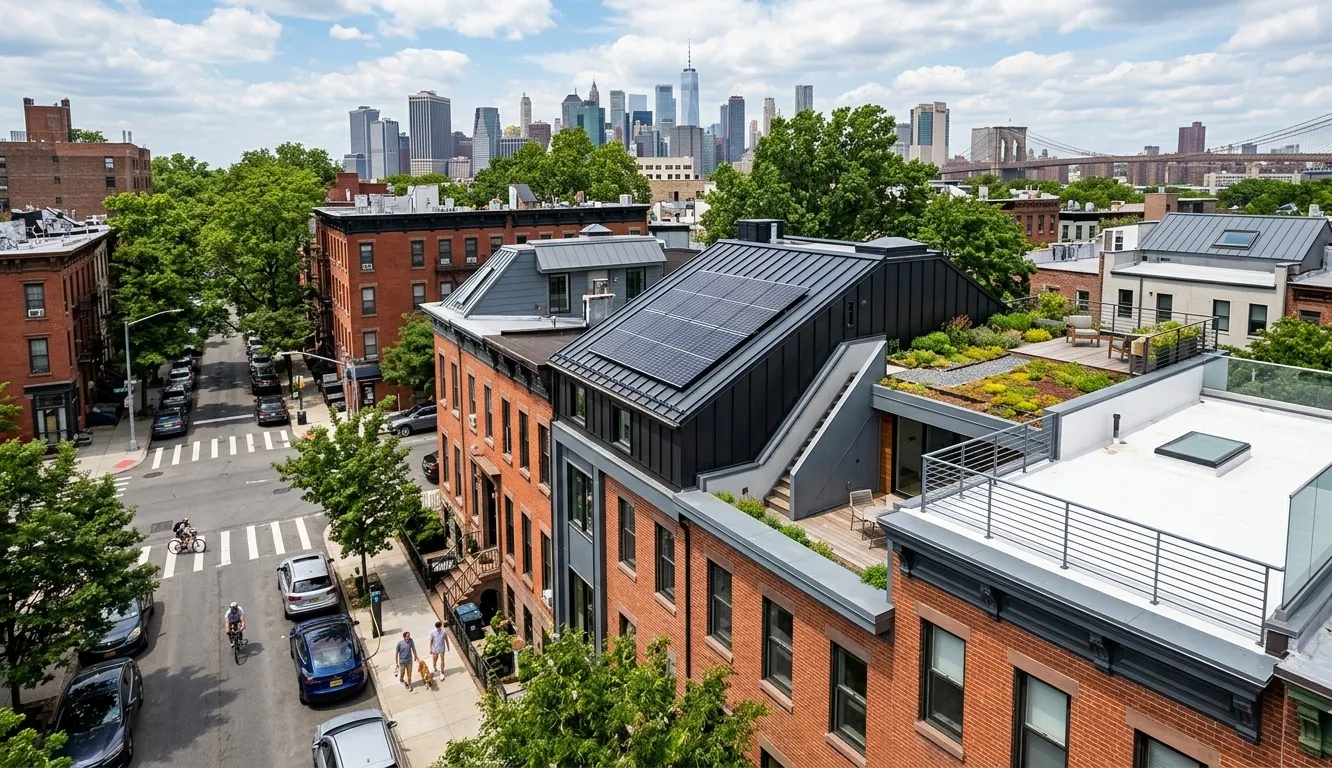
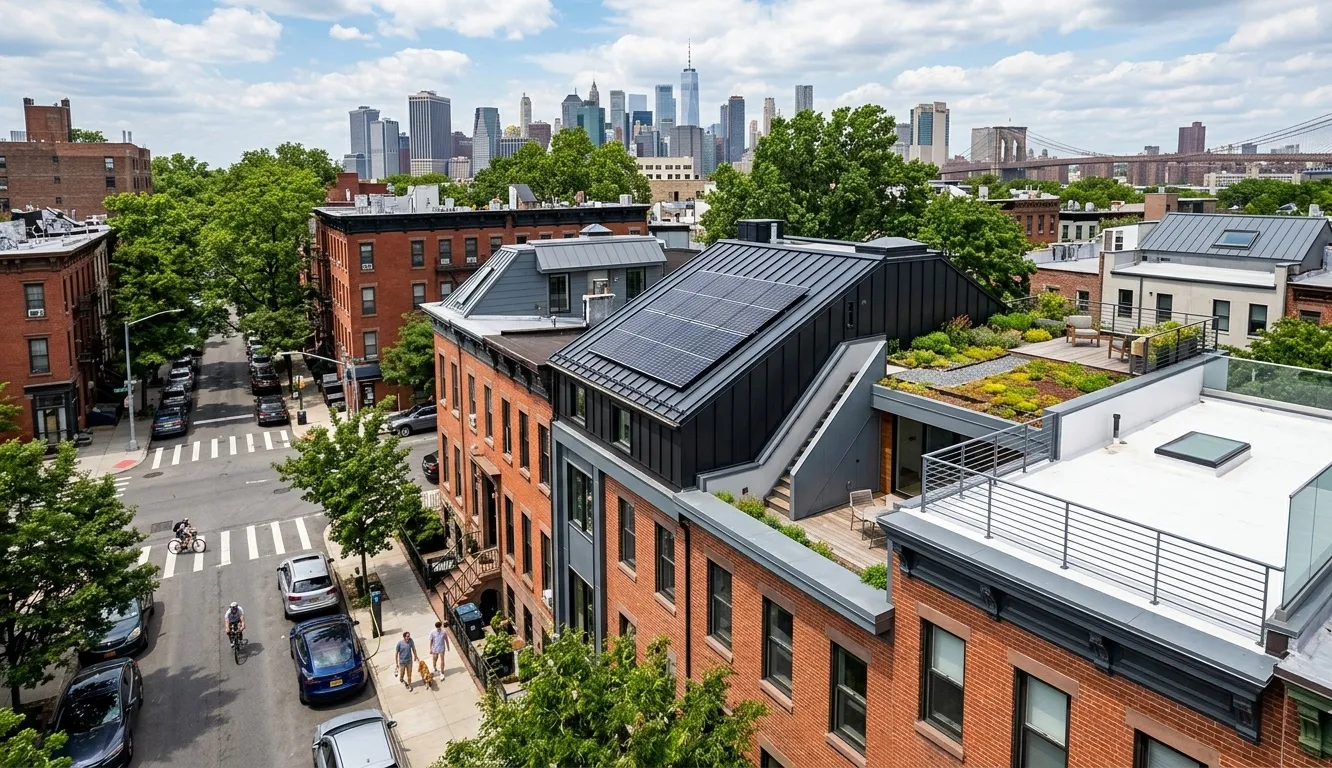
A home’s exterior is more than just a visual statement—it’s a carefully integrated system designed to shield everything inside from the elements. While homeowners often think about roofing and siding as separate components, they actually function as a unified defense structure. When both are installed and maintained properly, they create a seamless barrier against rain, wind, temperature fluctuations, and long-term structural damage. In neighborhoods like Bushwick, Brooklyn, where weather patterns can be unpredictable and buildings vary in age and style, understanding how siding and roofing work together becomes essential for protecting your investment.
The Relationship Between Roofing and Siding
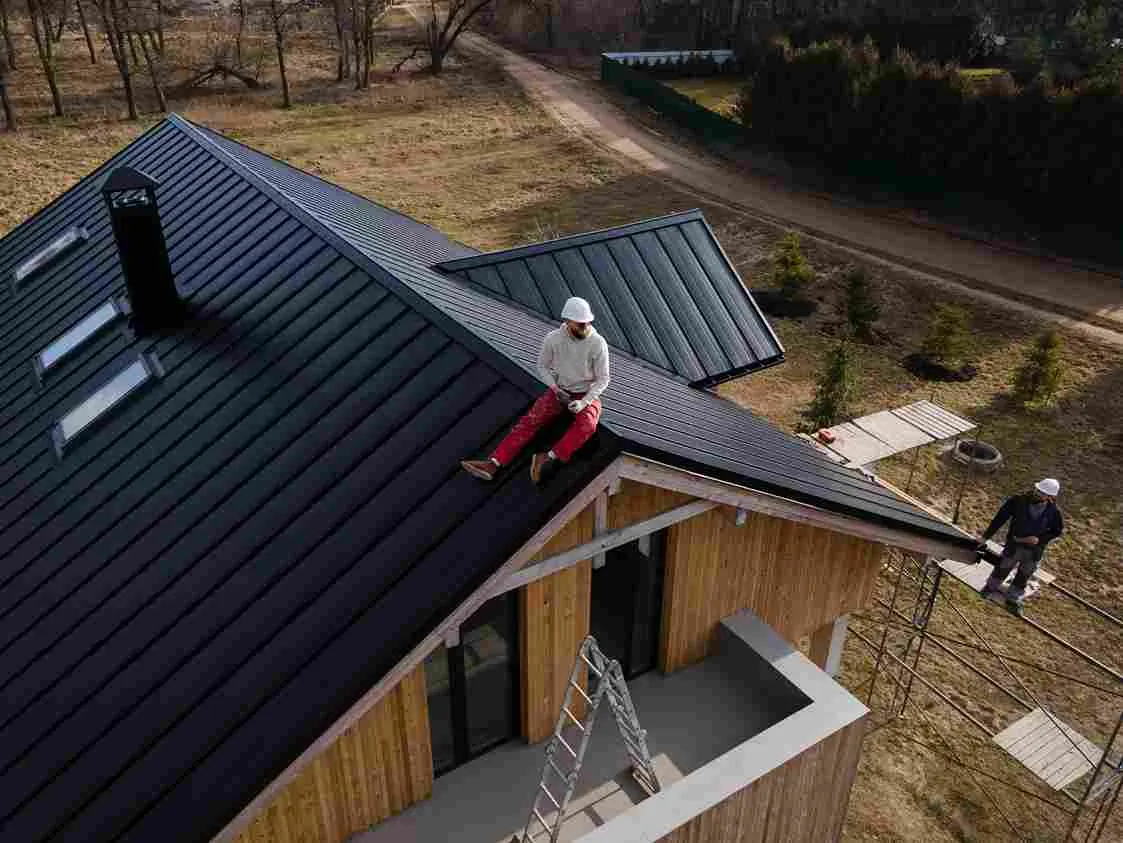
Roofing and siding meet at critical junctions around the home, particularly along the roofline, edges, and corners. These transition areas are where water intrusion is most likely to occur if the system is not properly designed or maintained. Roofing materials are responsible for directing water away from the top of the structure, while siding ensures that any moisture running down the exterior walls is safely diverted toward the ground without penetrating the inner framework.
When these systems are aligned correctly, water flows efficiently from the roof into the gutters and downspouts, and then away from the foundation. However, if there’s a gap in coordination—such as improper flashing or poorly installed trim—water can seep behind the siding, leading to mold growth, wood rot, and insulation damage.
Why Proper Installation Matters
Even the highest quality materials can fail if installation is not handled with precision. Roofing components like shingles, tiles, or flat roofing membranes must align with siding panels, soffits, and fascia boards to create a continuous protective layer. Flashing, which is typically installed at the joints where the roof meets vertical surfaces, plays a crucial role in preventing leaks.
Experienced contractors understand how these materials interact under different weather conditions. Expansion and contraction caused by temperature changes can create stress points, especially where roofing and siding connect. Without proper allowances and installation techniques, these stress points can lead to cracks or separations over time.
This is why homeowners in Bushwick often rely on professionals who specialize in both roofing and exterior work. A team that understands the full scope of exterior systems can ensure that every component—from shingles to vinyl siding—works together rather than against each other.
The Role of Siding in Exterior Protection
Siding does more than enhance curb appeal. It acts as the first line of defense for your home’s walls, protecting them from moisture, wind, and debris. Vinyl siding, in particular, is a popular choice because of its durability and low maintenance requirements. When paired with properly installed roofing, it helps create a weather-resistant envelope around the home.
Soffits and fascia, which are often considered part of the siding system, also contribute to this protection. Soffits allow for proper attic ventilation, reducing the risk of moisture buildup and heat accumulation. Fascia boards support the lower edge of the roof and provide a mounting point for gutters, ensuring that water is directed away efficiently.
If any of these components are compromised, the entire system becomes vulnerable. For example, damaged fascia can lead to loose gutters, which in turn can cause water to overflow and damage both the roof and siding simultaneously.
How Roofing Complements Siding
Roofing systems are designed to handle direct exposure to the elements. Whether it’s asphalt shingles, slate stone, clay tiles, or flat roofing systems, each material plays a role in directing water and resisting environmental stress. However, the roof alone cannot provide complete protection—it relies on siding to handle what happens after water leaves the roof surface.
When rainwater flows off the roof, it should enter a properly installed gutter system. From there, it is channeled through downspouts and away from the home. Siding ensures that any residual moisture does not penetrate the walls. Together, these systems create a controlled path for water, minimizing the risk of damage.
In urban areas like Brooklyn, where buildings are often closely spaced, proper drainage becomes even more important. Poor coordination between roofing and siding can lead to water spilling onto neighboring structures or pooling near the foundation, increasing the likelihood of structural issues.
Common Issues When Systems Are Not Aligned
When siding and roofing fail to work together, the signs often appear gradually but can escalate quickly. Homeowners might notice peeling paint, warped siding panels, or water stains along interior walls. These symptoms usually indicate that moisture has found its way behind the exterior layers.
Another common issue is improper flashing. Without correctly installed flashing at roof-to-wall intersections, water can easily seep into vulnerable areas. Similarly, gaps in siding installation can allow wind-driven rain to penetrate, especially during storms.
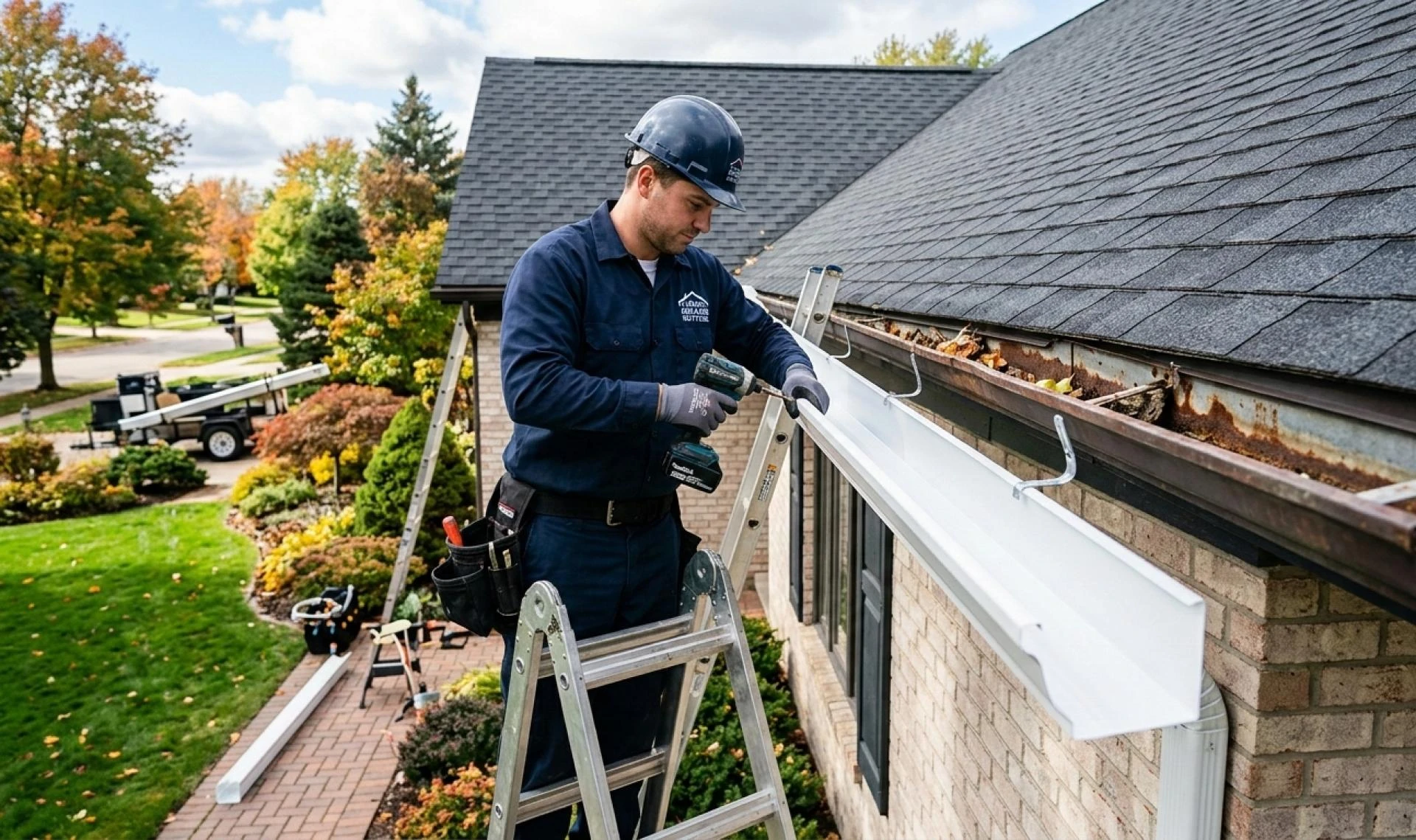
Gutter problems also play a significant role. If gutters are clogged, misaligned, or damaged, water can overflow and run down the siding, leading to staining, mold growth, and eventual deterioration of materials.
The Importance of Regular Maintenance
Maintaining both roofing and siding is key to ensuring they continue to function as a unified system. Regular inspections can help identify minor issues before they turn into costly repairs. Checking for loose shingles, cracked tiles, or damaged siding panels should be part of seasonal home maintenance.
Cleaning gutters and ensuring downspouts are clear is equally important. Water management is at the heart of exterior protection, and even small obstructions can disrupt the entire system. Homeowners should also pay attention to caulking and sealants around windows, doors, and roof edges, as these areas are prone to wear over time.
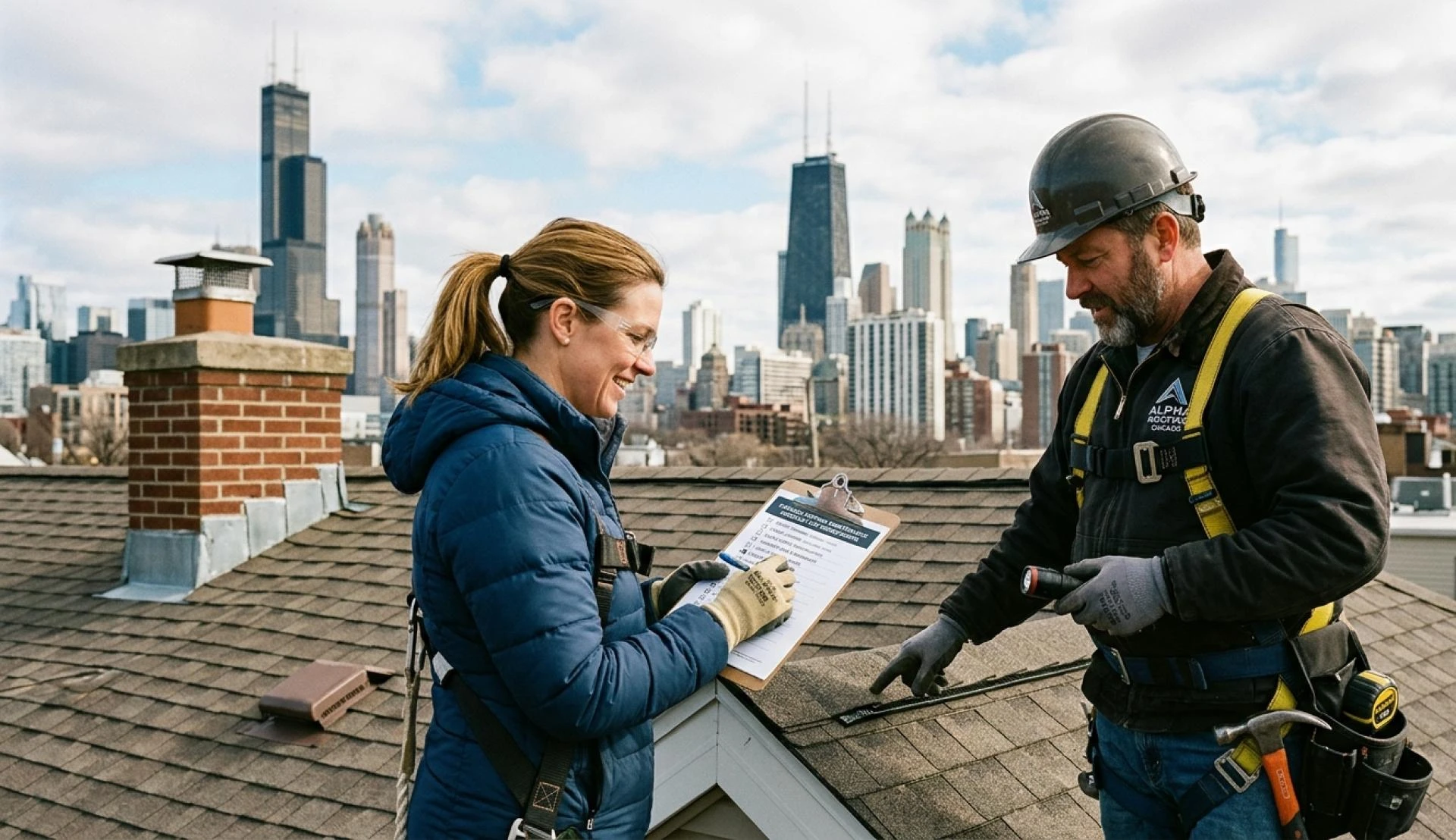
Professional inspections provide an added layer of assurance. Experts can spot hidden problems, such as moisture buildup behind siding or subtle roof damage that might not be visible from the ground.
Enhancing Durability Through Integrated Solutions
Modern exterior solutions focus on integration rather than treating roofing and siding as separate projects. When both systems are upgraded together, the results are more durable and visually cohesive. For example, replacing an old roof while also updating siding ensures that all components are compatible and installed with the same level of precision.
Materials like seamless aluminum or copper gutters further enhance this integration. They not only improve water flow but also add a polished look to the home’s exterior. When combined with well-installed siding and roofing, they contribute to a comprehensive protection system that stands up to both time and weather.
Choosing the Right Professionals
Selecting a contractor who understands the relationship between roofing and siding is essential. Homeowners should look for teams with experience in handling complete exterior projects, rather than those who specialize in just one aspect. This ensures that every detail, from flashing to trim work, is addressed with a holistic approach.
For those in Bushwick, working with a trusted provider like expert roofing and siding services in Bushwick Brooklyn ensures that your home’s exterior is handled with care and expertise. A reliable team will not only address immediate concerns but also provide long-term solutions that enhance the durability and performance of your home.
Long-Term Benefits of a Unified Exterior System
When roofing and siding work together effectively, the benefits extend beyond protection. Energy efficiency improves as the home becomes better insulated against temperature changes. Maintenance costs decrease because the system is less prone to damage. Most importantly, the overall lifespan of the home’s exterior increases, preserving its value over time.
A well-coordinated exterior also enhances the home’s appearance. Clean lines, properly aligned materials, and consistent finishes create a polished look that reflects quality craftsmanship. In neighborhoods like Bushwick, where property aesthetics contribute to community character, this can make a noticeable difference.
Understanding the connection between siding and roofing allows homeowners to make informed decisions about maintenance, repairs, and upgrades. By treating these components as parts of a single system, rather than separate elements, it becomes easier to ensure long-lasting protection and performance for your home.























Sign in to leave a comment.