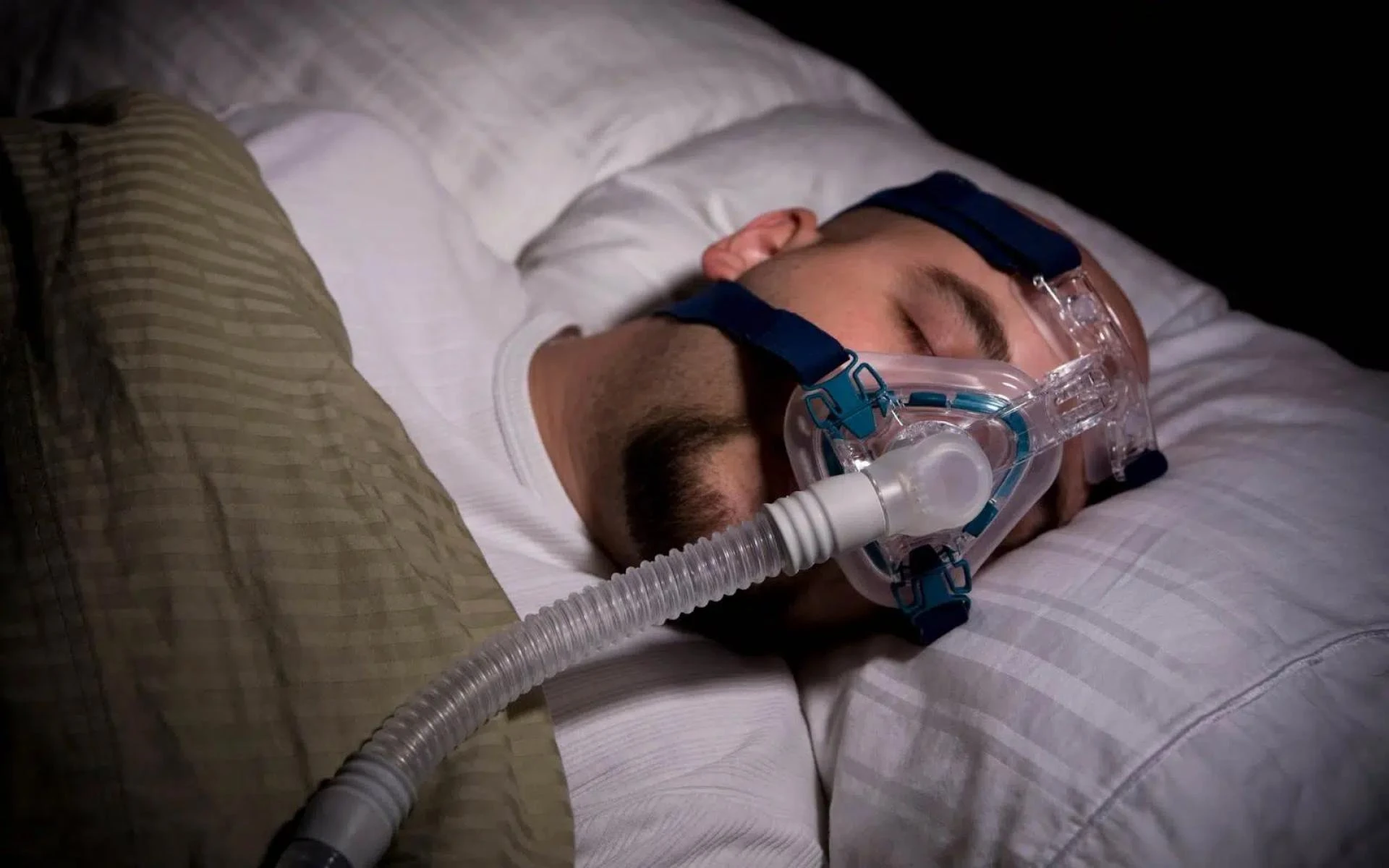

Sleep apnea is a condition that interrupts breathing during sleep without obvious awareness. People with this disorder often experience repeated pauses in breathing, shallow breaths, or snoring. Over time, these disruptions can affect heart health, cognitive function, and daytime energy. Early recognition and professional Sleep Apnea Care services in Rego Park are essential to prevent long-term complications.
This article explores how sleep apnea silently impacts the body, identifies key signs, and outlines evidence-based approaches for treatment. Readers will gain actionable knowledge about managing the condition and improving overall sleep health.
How Sleep Apnea Affects Breathing
Even mild episodes can lower oxygen levels, increase blood pressure, and strain the cardiovascular system.
Obstructive and Central Types
Sleep apnea primarily occurs in two forms:
- Obstructive Sleep Apnea (OSA): The airway becomes blocked by soft tissue collapse, causing repeated breathing pauses.
- Central Sleep Apnea (CSA): The brain fails to signal the muscles that control breathing, resulting in shallow or missed breaths.
Silent Symptoms
Because sleep apnea happens during sleep, many remain unaware of the condition. Common signs include:
- Loud or frequent snoring
- Morning headaches or dry mouth
- Daytime sleepiness or irritability
- Concentration difficulties
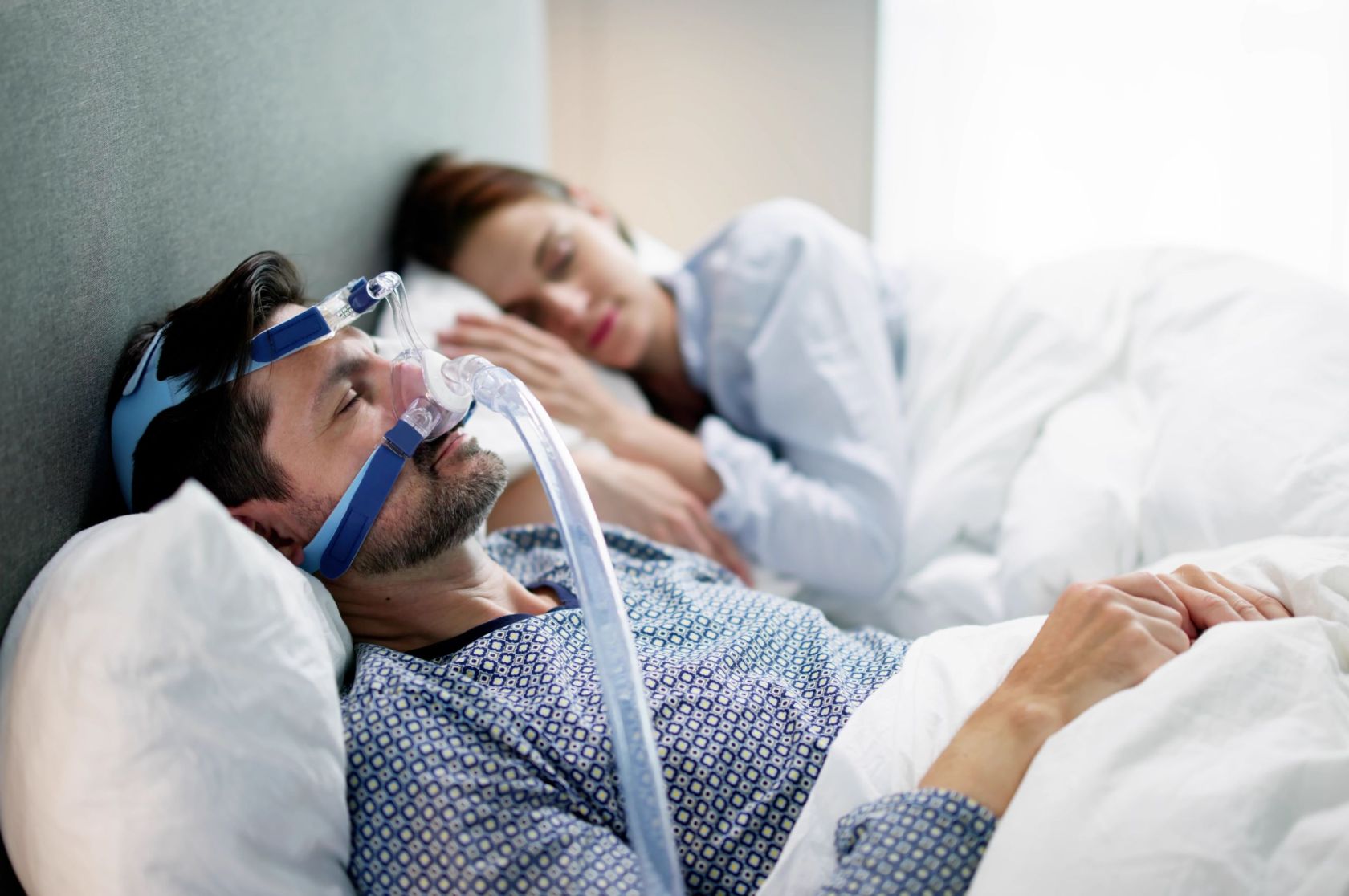
These subtle symptoms often lead to underdiagnosis until complications appear.
The Health Impact of Untreated Sleep Apnea
Untreated sleep apnea can lead to serious health concerns:
- Cardiovascular issues like hypertension, arrhythmias, and heart attacks
- Stroke risk due to oxygen deprivation
- Insulin resistance and metabolic disorders
- Mood disorders and cognitive impairment
Early intervention with Sleep Apnea Care Therapy significantly reduces these risks.
Approaches to Sleep Apnea Care in Rego Park
Treatment varies based on severity and type. Providers often combine lifestyle, mechanical, and therapeutic approaches.
| Approach | Description | Benefits |
|---|---|---|
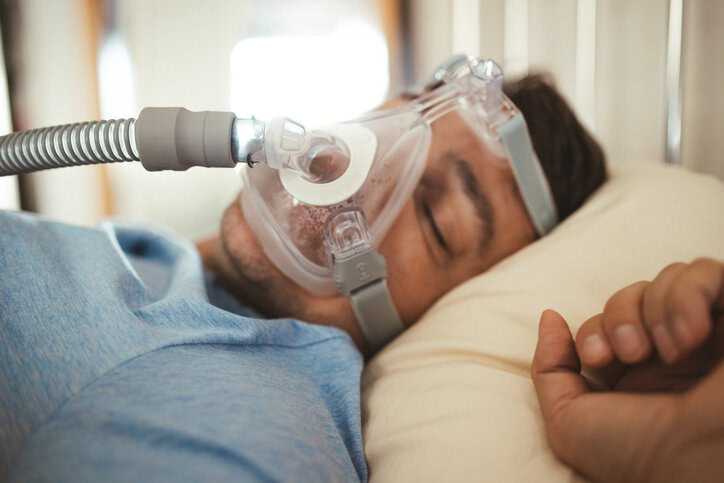
| Continuous Positive Airway Pressure (CPAP) | Device maintains airway pressure | Reduces breathing interruptions, improves oxygenation |
| Oral Appliances | Custom mouthpieces to reposition jaw or tongue | Non-invasive alternative for mild to moderate OSA |
| Lifestyle Adjustments | Weight management, sleep position, avoiding alcohol | Supports therapy effectiveness and long-term health |
| Sleep Apnea Care Clinic Programs | Comprehensive assessments and tailored therapy | Addresses both physical obstruction and behavioral factors |
Bonus Tips
- Sleep on your side instead of your back to reduce airway collapse
- Limit alcohol and sedatives in the evening
- Maintain a consistent sleep schedule to regulate breathing patterns
Things to Consider Before Making a Decision
When choosing a treatment approach, consider:
- Expertise and credentials of the provider
- Range of Sleep Apnea Care Treatment options available
- Access to Sleep Apnea Care Consultation and Education for informed decisions
- Follow-up support for therapy adherence
- Equipment costs and insurance coverage
Evaluating these factors ensures a treatment plan that fits individual health needs and lifestyle.
Regional and Environmental Guidance
Sleep apnea can be influenced by Rego Park’s climate and environment. Dry air or high pollen levels can worsen airway irritation. Using a humidifier in dry regions and minimizing allergens in the bedroom helps maintain clear airways and supports therapy.
Questions People Ask About Sleep Apnea
Can sleep apnea go away without treatment?
Mild cases may improve with lifestyle changes, but moderate to severe apnea typically requires professional intervention.
How does CPAP help?
CPAP devices maintain consistent airway pressure, preventing pauses in breathing and improving oxygen levels.
Is snoring always a sign of sleep apnea?
Not always. While common, snoring alone does not confirm sleep apnea; a proper evaluation is necessary.
Can children have sleep apnea?
Yes, children can experience sleep apnea, often due to enlarged tonsils or adenoids. Early assessment is important.
How do I find a reputable sleep apnea clinic?
Look for clinics offering comprehensive assessments, personalized therapy plans, and recognized Sleep Apnea Care Health Care expertise.
Summary
Sleep apnea can disrupt breathing silently, leading to serious health complications. Recognizing symptoms, understanding treatment options, and consulting experienced professionals ensures better outcomes. Choosing a provider carefully and following recommended therapy is essential for lasting results.
Next Steps for Managing Sleep Apnea
Individuals suspecting sleep apnea should seek professional guidance. Vector Sleep Diagnostic Center provides specialized Sleep Apnea Care Services, including evaluation, therapy, and ongoing support. For more information, contact them at [email protected] or call (718) 830-2800 to arrange an assessment and improve sleep quality.

























Sign in to leave a comment.