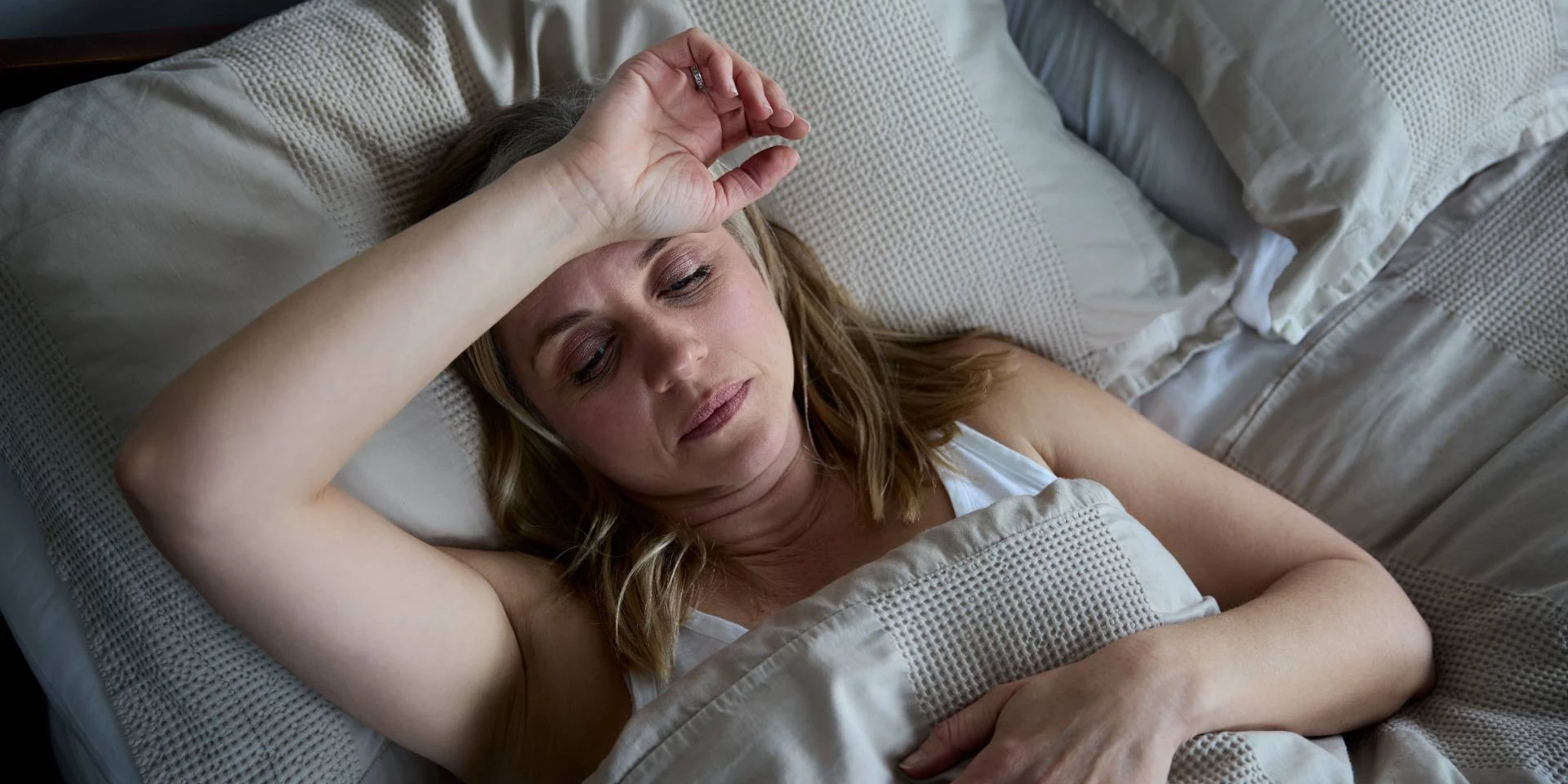

Sleep acts as the body's primary mechanism for systemic repair, memory consolidation, and hormonal regulation. It is a biological necessity rather than a passive state of rest. During sleep, the brain clears out toxins accumulated during waking hours, and the body repairs damaged cells while strengthening the immune system. Without adequate rest, these essential maintenance processes fail, leading to immediate cognitive decline and increasing the risk of chronic conditions such as heart disease, diabetes, and hypertension—making professional care for sleep disorders essential for long-term health.
This article examines the specific physiological roles sleep plays in maintaining long-term health. It details how rest affects cardiovascular function, metabolic balance, and mental acuity. The content also addresses environmental factors specific to Rego Park that may hinder sleep quality and provides actionable criteria for determining when professional medical evaluation is necessary.
The Biological Foundation of Recovery
Human biology operates on a circadian rhythm, a 24-hour internal clock that cycles between sleepiness and alertness. When this rhythm functions correctly, the body moves through multiple sleep cycles, each consisting of Rapid Eye Movement (REM) and non-REM stages. Deep non-REM sleep is the period when physical recovery occurs. The pituitary gland releases growth hormones to repair tissues and build muscle.
REM sleep, conversely, supports cognitive functions. The brain processes information from the day, cementing memories and learning new skills. Disrupting this architecture does more than cause grogginess; it prevents the brain from organizing neural connections. Over time, this lack of organization impairs problem-solving skills and emotional regulation.
Cardiovascular System Protection
Heart health relies heavily on the nightly drop in blood pressure that occurs during sleep. This phenomenon, known as "dipping," allows the cardiovascular system to rest and recover from the strain of the day. When sleep is fragmented or too short, blood pressure remains elevated, forcing the heart to work overtime.
Market data indicates that individuals who sleep less than six hours per night face a 20% higher risk of experiencing a heart attack compared to those getting seven to eight hours. Chronic sleep deprivation triggers a persistent release of stress hormones like cortisol and adrenaline. These chemicals constrict blood vessels and increase the heart rate, creating a perfect storm for hypertension and stroke.

Blood Sugar and Metabolic Control
Sleep creates the foundation for how the body manages energy. It regulates the hormones that control hunger and fullness: ghrelin and leptin. Ghrelin signals hunger, while leptin signals satiety. When a person is sleep-deprived, ghrelin levels spike and leptin levels plummet. This hormonal imbalance leads to intense cravings for high-calorie, sugary foods, explaining why late-night snacking is a common habit among shift workers.
Furthermore, rest impacts how the body reacts to insulin. Just a few nights of poor sleep can cause healthy adults to exhibit pre-diabetic blood sugar levels. The cells become less responsive to insulin, leaving glucose in the bloodstream rather than using it for energy. This resistance is a direct precursor to Type 2 diabetes.
Cognitive Performance and Safety
The brain requires sleep to maintain attention and reaction times. Drowsiness slows down thought processes, making complex tasks difficult and dangerous activities lethal. The impairment from being awake for 18 hours is comparable to having a blood alcohol concentration of 0.05%.
For residents in busy urban environments like Rego Park, alertness is a safety requirement. Navigating dense traffic on Queens Boulevard or crossing busy intersections requires split-second decision-making. Sleep deprivation dulls these reflexes, significantly increasing the likelihood of accidents.
Bonus Tip: The Power Nap Rule
If daytime fatigue becomes overwhelming, a short nap can reset alertness. The ideal duration is 20 minutes. Sleeping longer than this allows the brain to enter deep sleep, which leads to sleep inertia—that groggy, disoriented feeling upon waking.
Immune System Functionality
A robust immune system depends on sleep to produce protective cytokines and infection-fighting antibodies. During rest, the immune system releases these proteins to combat inflammation and stress. Without sufficient sleep, the production of these protective agents decreases.
This reduction leaves the body vulnerable to common pathogens. People who consistently get poor sleep are more likely to catch the common cold or flu after exposure to a virus. Additionally, their recovery time is longer because the body lacks the resources to fight off the infection efficiently.
Local Sleep Challenges in Queens
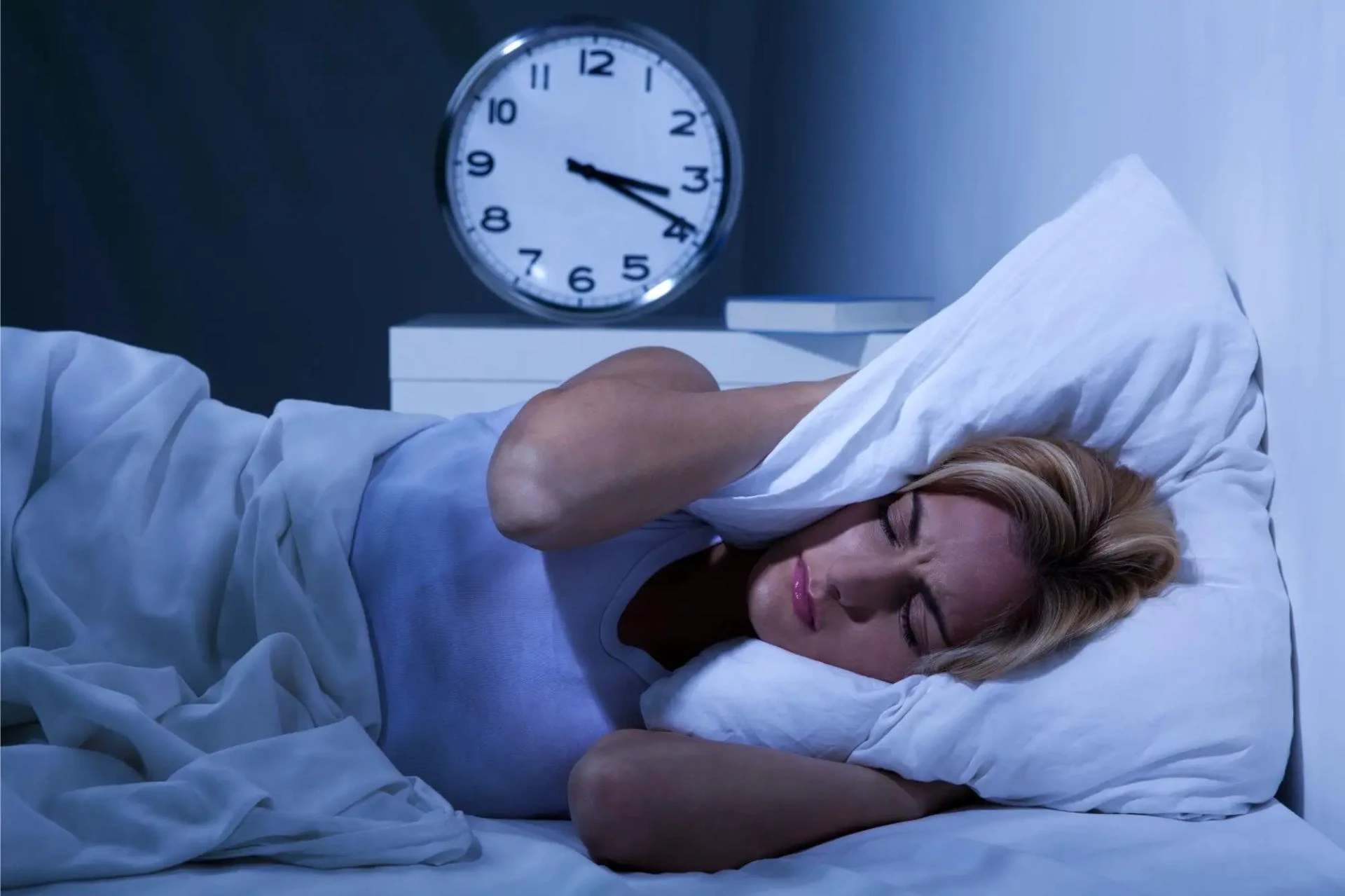
The environment in Rego Park presents specific hurdles to achieving high-quality rest. The area is a mix of high-density residential buildings and commercial zones, creating a unique soundscape. Noise pollution from the Long Island Expressway and the subway lines runs 24 hours a day, potentially causing micro-awakenings that disrupt deep sleep cycles without the sleeper realizing it.
The Dry Air Factor
Many apartment buildings in this region rely on steam heating systems. While these radiators provide excellent warmth during New York winters, they also strip moisture from the air. Extremely dry air irritates the nasal passages and throat, leading to congestion and mouth breathing. This increases the likelihood of snoring and reduces oxygen intake.
H4: Mitigating Environmental Factors
- Humidifiers: adding moisture back into the bedroom air prevents mucosal irritation.
- Soundproofing: Heavy curtains and rugs dampen vibrations and noise from the street.
- Temperature Control: Cracking a window slightly can regulate the overheating common in older buildings.

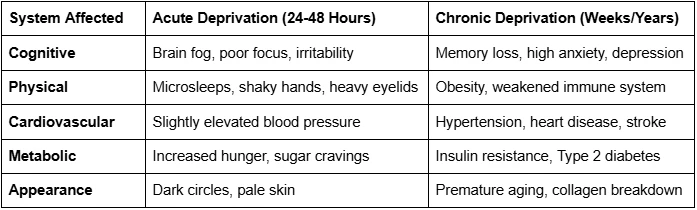
Comparison of Sleep Deprivation Effects
Understanding the difference between immediate and chronic effects helps prioritize sleep health.
Things to Consider Before Making a Decision
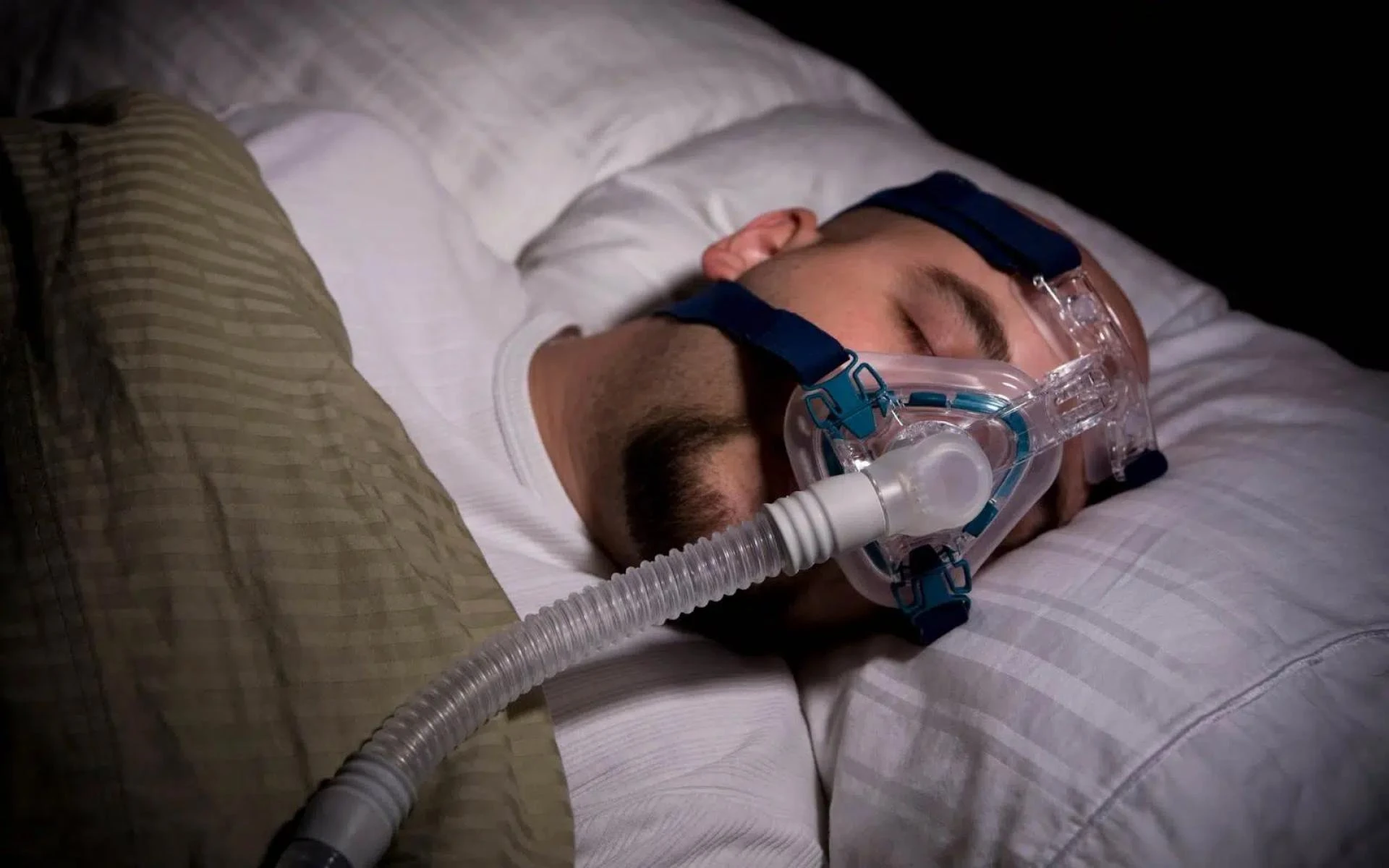
Recognizing when poor sleep is a medical issue rather than a lifestyle choice is the first step toward better health. If a person spends eight hours in bed but wakes up exhausted, the quality of sleep is likely compromised. This often points to an underlying disorder such as sleep apnea, where breathing stops intermittently.
Residents should also evaluate their caffeine and alcohol intake. While alcohol may help induce sleep, it severely fragments the sleep cycle later in the night. Similarly, caffeine consumed after 2:00 PM can remain in the system long enough to delay sleep onset. Tracking these habits for a week provides a clear picture of what might need to change.
Questions People Ask About Sleep Health
How many hours of sleep do adults really need?
Most adults require between seven and nine hours of sleep per night to function optimally. Genetics play a role, but consistently falling below seven hours leads to cumulative health deficits.
Can I catch up on sleep during the weekend?
"Sleep debt" is difficult to repay fully. While sleeping in on weekends can help with immediate fatigue, it does not reverse the metabolic or cardiovascular strain caused by a week of deprivation. Consistency is far more effective.
Does snoring always mean sleep apnea?
Not always, but loud, chronic snoring is the most common symptom. If snoring is accompanied by gasping or pauses in breathing, it is a strong indicator of obstructive sleep apnea and requires medical attention.
Why do I wake up with a headache?
Morning headaches are often a sign of oxygen deprivation or high carbon dioxide levels during sleep. This is a classic symptom of sleep apnea, as the brain struggles to get enough air throughout the night.
Is napping good for you?
Short naps can boost alertness and performance. However, frequent long naps during the day may indicate that nighttime sleep is of poor quality and can interfere with the ability to fall asleep at night.
Final Thoughts on Prioritizing Rest
Sleep is the pillar upon which health stands. It supports every major biological system, from the heart to the brain. Neglecting it weakens the body's defenses and accelerates the aging process. Recognizing the value of sleep is the first step; taking action to protect it is the second.
Residents in Rego Park face specific environmental challenges, but these can be managed with the right adjustments. When lifestyle changes fail to resolve fatigue, professional diagnostics provide the necessary insight to identify and treat underlying conditions. Investing in sleep is an investment in a longer, healthier life.
Taking Action for Better Rest
For individuals in Queens who struggle with persistent fatigue, snoring, or unrefreshing sleep, professional guidance is available locally. Vector Sleep Diagnostic Center specializes in identifying the root causes of sleep disorders. They utilize advanced monitoring technology to track physiological data, determining exactly why a patient is not getting the rest they need.
The center helps patients navigate the path from diagnosis to effective treatment, whether that involves CPAP therapy, oral appliances, or lifestyle modification. To learn more about their services or to schedule a consultation, residents can contact them at (718) 830-2800 or send an inquiry to [email protected].

























Sign in to leave a comment.