

Objective knowledge of sleep patterns allows individuals to make evidence-based lifestyle adjustments that improve heart health, metabolic function, and cognitive performance. By identifying specific physiological needs during the night, people can shift from reactive health management to proactive prevention. This data-driven approach ensures that daily habits align with the body's actual recovery requirements.
Many people ignore the data provided by their bodies during rest, viewing sleep as a passive block of time. This article provides a detailed look at how tracking and analyzing rest leads to more informed medical and personal decisions. Understanding these biological markers is the foundation of a healthy and productive life.
Diagnostic professionals rely on precise metrics to determine how sleep quality affects overall physical stability. Their expertise shows that subjective feelings of tiredness often miss underlying issues like oxygen drops or heart rate spikes. Relying on expert analysis provides a clear path toward sustainable health improvements.
The Connection Between Rest Data and Daily Habits
When individuals understand their sleep architecture, they can tailor their diet and exercise for maximum effect. Knowing exactly when deep sleep occurs helps in timing evening meals to avoid disrupting the body's repair cycles. This level of awareness changes the way people approach their entire daily routine.
Data from sleep studies often reveals how late-night activities impact the heart's ability to rest. People who see the physical evidence of sleep fragmentation are more likely to reduce caffeine or alcohol intake. These choices are no longer based on general advice but on specific personal biological evidence.
Many healthcare providers prioritize Consultation and Education to help patients interpret their diagnostic reports accurately. This specialized support ensures that sleepers understand the link between their nighttime behavior and daytime energy. With this information, making better health choices becomes a logical and straightforward process.
Biological Markers and Disease Prevention
Sleep monitoring identifies early warning signs of chronic conditions like hypertension and type 2 diabetes. By tracking heart rate variability and oxygen saturation, specialists can spot trends before they become serious problems. This early detection is a major advantage for long-term physical wellness.

Blood Pressure and Cardiovascular Health
The heart needs a period of reduced activity during the night to maintain its strength. Monitoring reveals if the blood pressure stays high, a condition that puts massive strain on the arteries. Knowing this allows for medical interventions that protect the heart from future damage.
Bonus Tips for Evening Heart Health
Avoid high-intensity workouts within three hours of your planned sleep time to keep the heart rate low. Instead, focus on light stretching or reading to signal the nervous system to settle down. This small change supports the natural dip in blood pressure required for restorative rest.
Technical Note on Sleep Sensors
High-quality diagnostic sensors provide much more accurate data than consumer-grade wearable devices. These professional tools measure brain waves and respiratory effort to provide a complete health profile.
Comparing Sleep Metrics and Health Outcomes
| Sleep Metric | Healthy Target | Health Choice Influence |
|---|---|---|
| Sleep Latency | 15 to 20 minutes | Adjust evening stimulation or blue light exposure |
| Deep Sleep % | 15% to 25% of night | Timing of heavy meals and evening exercise |
| Oxygen Saturation | Above 95% | Evaluation of airway health or sleeping position |
| Wake After Onset | Less than 20 minutes | Management of room temperature and noise levels |
| Heart Rate | 40 to 60 BPM | Assessment of stress levels and fitness recovery |
Things to Consider Before Making a Decision
Before choosing a path for sleep improvement, individuals should evaluate their current environment and habits. Identifying external disruptors is often the first step before looking at internal physiological issues. These factors help determine if a professional study is the next logical step.
- Assess the consistency of the current wake-up time and bedtime routine.
- Monitor the level of ambient noise and light in the sleeping area.
- Check for physical symptoms like morning headaches or a dry throat.
- Evaluate how often daytime sleepiness interferes with professional responsibilities.
- Consider the impact of the current local climate on room temperature.
Regional Guidance for Urban Sleepers
People living in noisy urban areas like New York face unique challenges regarding sleep quality. Constant light and sound pollution can keep the brain in a state of high alert even during sleep. Specialists in these regions often suggest using soundproofing or blackout shades to protect the sleep environment.
In humid or variable climates, managing the core body temperature is necessary for reaching deep sleep stages. High humidity prevents the body from cooling down effectively, which can lead to frequent nighttime awakenings. Using cooling bedding or fans helps the body maintain the right temperature for uninterrupted rest.

Mental Performance and Decision Making
The brain uses sleep to clear out waste products and organize the information gathered during the day. When this process is interrupted, the prefrontal cortex struggles to function, leading to poor judgment and slow reactions. Better rest directly translates to sharper thinking and more effective problem-solving skills.
Emotional Stability and Stress Management
Sleep is the primary time for the brain to process emotions and reset the nervous system. Lack of rest makes the brain more reactive to stress, leading to irritability and mood swings. Choosing to prioritize sleep is a choice to maintain emotional balance in a fast-paced world.
Bonus Tips for Mental Clarity
Keep a sleep diary for two weeks to see if mood changes correlate with specific sleep patterns. This data helps identify if emotional stress is a cause or a result of poor sleep. Sharing these findings with a professional provides a better starting point for improvement.
Detailed Analysis of Brain Waves
Professional studies use electroencephalography to track the exact stages of sleep throughout the entire night. This data reveals if the brain is spending enough time in the REM stage for emotional recovery.
Summary of Informed Health Actions
Understanding sleep is a major factor in making choices that lead to a longer and healthier life. Objective data replaces guesswork, allowing individuals to target the specific areas where their health needs support. Prioritizing rest ensures that the body and mind have the resources needed to perform at their best.
People should look at their sleep not just as rest, but as a window into their overall health. By paying attention to nighttime signals, they can make adjustments that prevent future medical complications. Seeking professional help when needed is a sign of a proactive and informed approach to wellness.
Professional Guidance for Sleep Health
If fatigue remains a problem despite lifestyle changes, seeking expert data is a necessary step. The Vector Sleep Diagnostic Center provides detailed evaluations to help individuals understand their specific sleep needs. They offer professional support to identify hidden issues that may be impacting daytime energy and long-term health. To learn more or to discuss a particular situation, contact them at [email protected] or call (718) 830-2800 to speak with a specialist. Their team focuses on giving people the information they need to make the best choices for their sleep and health.
Questions People Ask About Sleep Choices
How does understanding sleep help with weight loss?
Sleep regulates the hormones that control hunger and fullness, known as ghrelin and leptin. When people sleep better, their bodies are better at signaling when they are actually full. This makes it much easier to make healthy food choices throughout the day.
Can I fix my sleep just by changing my environment?
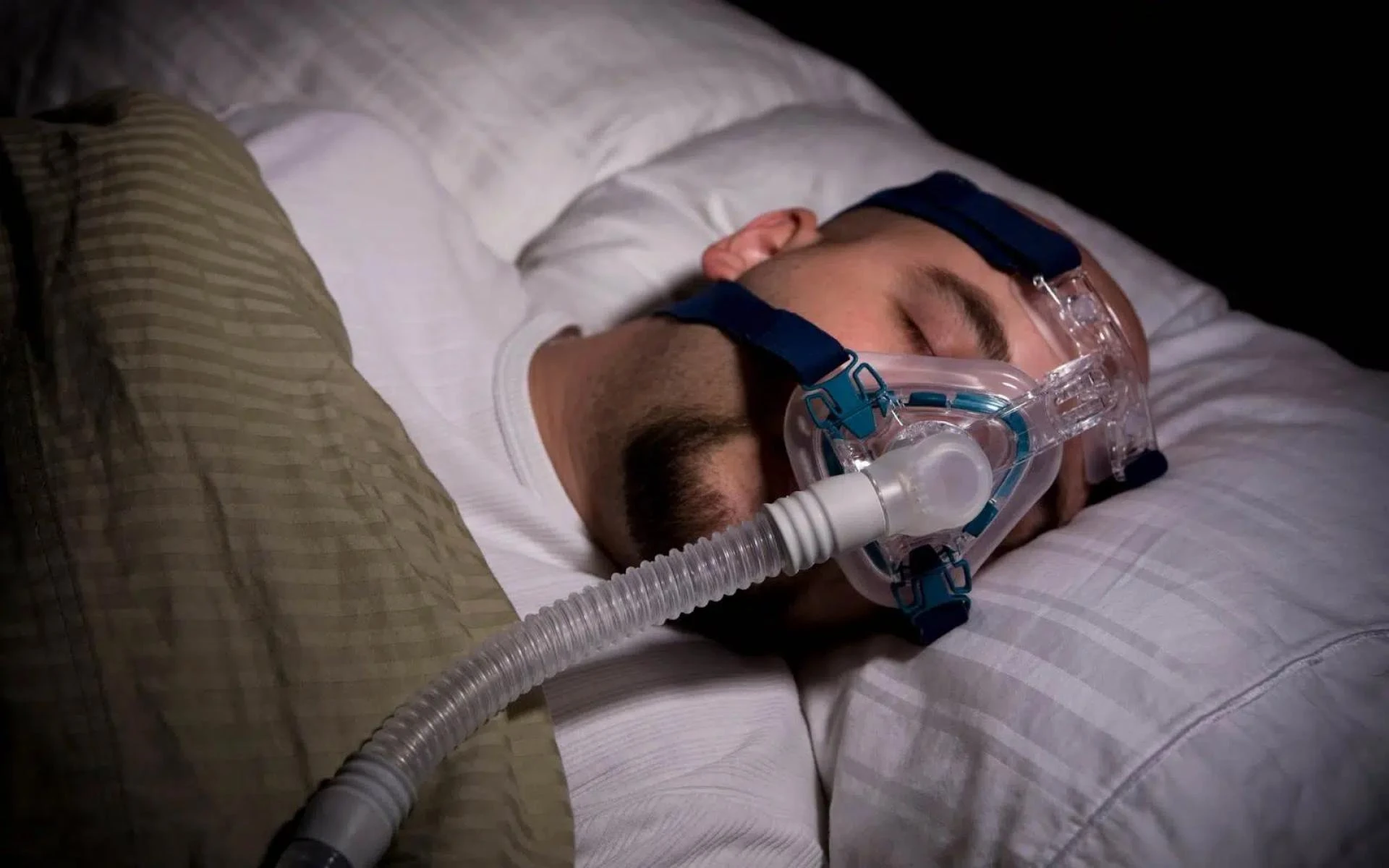
While environmental changes help, they cannot fix internal issues like sleep apnea or restless leg syndrome. A professional study is needed to see if the problem is physical or environmental. Combining both approaches usually leads to the best results for the sleeper.
Why is a consistent wake time so important?
Setting a regular wake time helps the body's internal clock stay in sync with the natural light cycle. This consistency makes it easier to fall asleep at night and wake up feeling alert. It is the most effective way to manage the body's energy levels.
Does alcohol help or hurt sleep quality?
Alcohol may help some people fall asleep faster, but it significantly reduces the quality of that sleep. It prevents the brain from entering deep REM stages and causes frequent awakenings later in the night. Seeing this impact on a sleep report often leads to better choices.
Is a sleep study necessary for everyone?
A study is not needed for everyone, but it is highly beneficial for those with persistent fatigue. If simple habit changes do not improve energy levels, professional data is needed to find the cause. It provides the evidence required for a more targeted health plan.





























Sign in to leave a comment.