Usually, this is triggered the first time by what seems like a small thing : a tooth that is a bit out of line, a bite that is a little off, a gap that has always been there. Most people think these small imperfections are only cosmetic, something you live with rather than fix. However, when
It is about tooth alignment: a small change, even though it is very minor, can trigger a series of events that will impact your oral health, jaw function, and even your general well-being if left untreated.
Learning about the progression of untreated dental alignment problems and the right time to consult an experienced orthodontist in Edmonton will help you greatly avoid complications by recognizing problems early.
Understanding About Alignment Problems and Working on Them
The complete range of alignment issues, which doctors refer to as malocclusions, lies between two extreme points. The milder end of this condition shows a single tooth that turns slightly and displays a small overbite, together with lower teeth that slightly touch upper teeth. People often ignore this medical condition because it begins with painless symptoms.
The following alignment problems show a mild level of severity:
- Crowding , teeth that lack room and shift against one another
- Spacing gaps between certain teeth
- A mild overbite or underbite
- Crossbite, where upper and lower teeth don't meet correctly
- A slightly open bite where front teeth don't close fully
Medical professionals must treat these conditions because they can progress to more serious problems.
The Domino Effect on Oral Health
Dental experts frequently observe a domino effect as one of the most common patterns in their practice. Normally, the problems caused by crooked teeth do not remain in just one place. Below is an explanation of how a minor misalignment of teeth may affect the rest of the mouth:
1.Uneven Wear on Tooth Enamel
If the teeth do not fit perfectly, some parts will experience more pressure during chewing and talking than others. Eventually, this will lead to a quicker wearing out of only those teeth. Since enamel once lost cannot be replaced, these teeth will be more prone to sensitivity, cracking, and decay.
2.Greater Risk of Cavities and Gum Disease
Teeth that are crowded or overlap form very tight spaces where it is almost impossible to clean thoroughly, even with careful brushing and flossing. In these spots, there is a higher risk of food debris and plaque buildup, which can lead to early tooth decay and gum disease. According to the Canadian Dental Association, gum disease plays a major role in tooth loss among adults, and improper oral care due to structural problems is a common cause.
3. Jaw Strain and Discomfort
Bite misalignment forces the jaw muscles and joints to compensate with every chew. Over months and years, this compensation can contribute to jaw soreness, clicking sounds, frequent headaches, and in some cases, temporomandibular joint (TMJ) dysfunction. TMJ disorders can be challenging to manage once established, which is why addressing the underlying bite concern earlier tends to support better long-term comfort.
4. Speech Patterns
Even slight misalignments of the teeth, such as an open bite or spaces between the front teeth, can affect sound production. Some individuals might notice a lisp or have trouble producing certain consonants. While it's not the case for everyone, the impact on speech is a very real one and often surprises patients who hadn't associated their speech with their teeth.
When Is the Right Time to Seek a Consultation?
The brief response: the sooner the better. According to the Canadian Association of Orthodontists, children should have their first orthodontic checkup at about age seven. During this time, a child's facial bones are still growing, making it easier to achieve changes. Nevertheless, orthodontic treatment is used at any stage of life, as many mature people have their long-standing unresolved misalignment issues addressed.
If any of these apply to you, a visit to a professional might be a good idea:
- Trouble biting or chewing certain types of food
- Ear or jaw area clicking or pain.
- Biting inner cheeks due to misaligned back teeth
- Recurrent cavities or gum trouble in the same areas
- Prominent crowding or spacing problems
Licensed orthodontist in Edmonton Take Good Care of Your Teeth
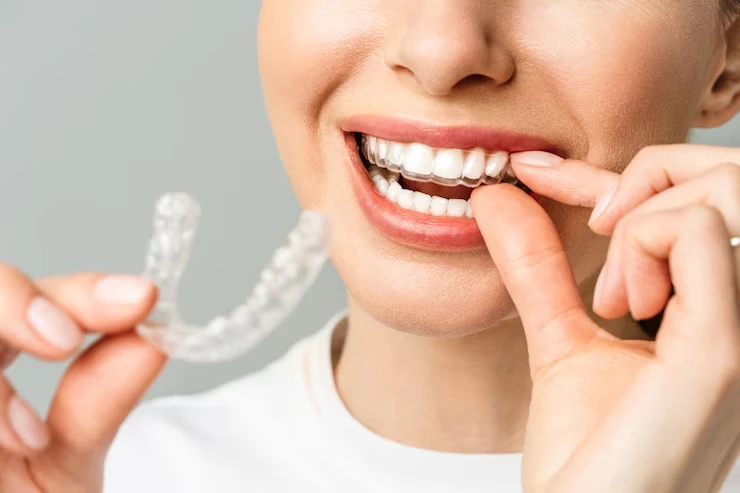
Countless individuals defer orthodontic treatment because they imagine the only option is wearing metal braces for years. Though traditional metal braces are still a very effective and popular method, nowadays there are also alternatives like Invisalign in Edmonton that can address a range of different conditions.
Invisalign consists of a set of tailor-made, removable clear aligners that progressively move the teeth to new positions. These aligners may be especially attractive to grown-ups who want a hardly visible method. Treatment duration and a patient's suitability for the method vary among individuals, so an evaluation by a licensed orthodontist is the right way to begin.
As for metal braces, they still deliver promising results even in difficult-to-correct cases. Besides, they remain a major option for people of all ages.
A Minimal Effort That Could Really Change Your Life
Teeth alignment is not just about making them look good. The way your teeth are positioned affects their cleanability, the amount of strain your jaw can handle, and how well your enamel stays intact over time. A slight misalignment can, if left untreated, silently evolve into something that will require much more work to fix.
Fortunately, identifying an alignment issue early provides patients with the most treatment options and the easiest ways to resolve their issues.
You Can Make A Difference In Your Oral Health
If you have noticed any signs of dental misalignment or just want to be sure, a check-up would be beneficial, consider contacting City Orthodontics & Pediatric Dentistry. With several locations in Edmonton and nearby areas, the team of registered orthodontists can evaluate your case and explain the best options to you.
Go to www.cityorthopeds.com to check out more information about orthodontic treatment, Invisalign in Edmonton, and pediatric dental care, or schedule a consultation at a location that is most convenient for you.
Frequently Asked Questions
Q1: Is it really possible for mild crowding to cause gum disease?
It is a factor to consider. Teeth crowding results in overlapping areas that are most difficult to clean with a toothbrush or floss. Plaque and bacteria accumulate in these spaces, which can, after a certain period, induce and inflame the gum tissues. Daily oral hygiene is more effective when the teeth are properly aligned.
Q2: Are braces only logical for kids and teens?
Absolutely not. It is common for adults to have braces and get great results. Although less work can be done on adult bones, which are "stiffer," the problem of the teeth being out of line can be fixed at almost any age. One reason adults get braces is that they believe it not only improves their oral health but also makes it easier for them to live their daily lives.
Q3: How can a bite misalignment cause headaches?
If the teeth aren't properly aligned, the jaw muscles have to work harder to compensate. This continuous muscle strain can spread to other parts of the head and neck, such as the temples and the back of the eyes, and can cause frequent headaches. Fixing the abnormality in the bite may lessen these headaches over time.
Q4: Can Invisalign fix complex alignment issues?
Invisalign can correct a range of alignment issues, from slight crowding to moderate bite problems. If the situation is difficult and requires a different approach, it may not be suitable for Invisalign. The best course of action would be to schedule a consultation with an experienced orthodontist to determine which treatment is best for you.
Q5: How long after seeing a problem should I go to the orthodontist?
There is no one-size-fits-all answer, but it's generally better to consult early, as it gives you more treatment options and can help avoid problems. If you've noticed an alignment problem in your mouth or if your dentist has pointed out something during your regular check-up, arranging an orthodontic assessment would be a good idea.


























Sign in to leave a comment.