
Understanding Social Emotional Learning and Its Impact
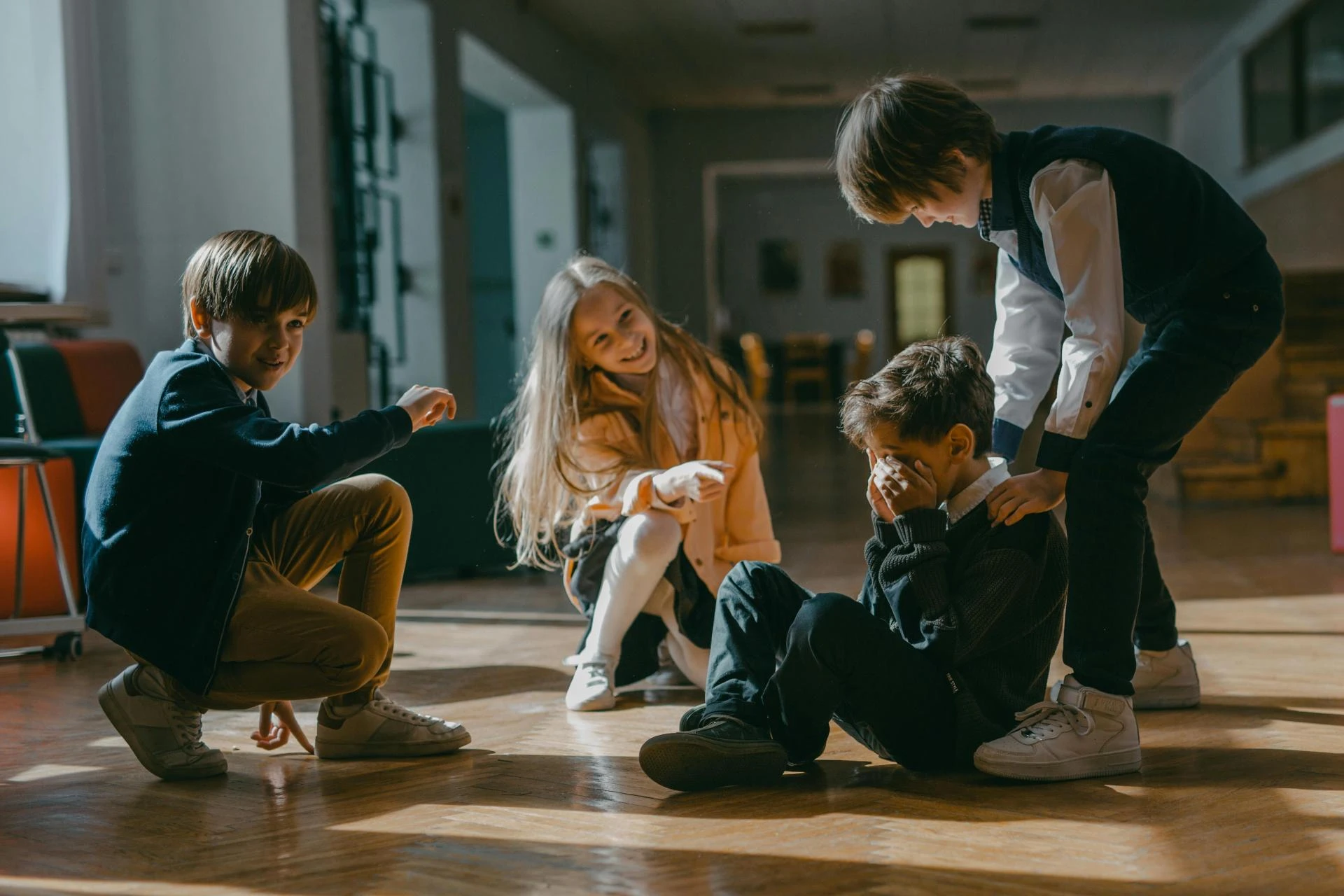
Let's explore how Social Emotional Learning (SEL) transforms the way children develop essential life skills. Going far beyond traditional academics, SEL creates a robust framework that nurtures self-awareness, relationship skills, and decision-making abilities in young minds. When children engage with SEL tools at school and home, they discover structured ways to understand and handle their emotions more effectively. These valuable tools offer practical strategies that help kids identify feelings, process complex emotions, and express themselves in healthy ways.
Key Components of Effective SEL Tools
What makes social-emotional learning tools truly effective? The answer lies in their multi-faceted approach to emotional development. Interactive activities, engaging role-play sessions, and thoughtfully guided discussions create a strong foundation where children can safely practice crucial emotional skills. Many educators and parents turn to social emotional learning tools for structured, evidence-based activities that support emotional growth. Visual elements like colorful emotion charts and interactive behavior tracking systems make it easier for children to recognize and understand various emotional states. Through captivating stories and real-world scenarios, children learn to tackle problems and relate to different situations they might encounter. These comprehensive tools typically include detailed guides for parents and teachers, ensuring consistent emotional support across different environments.
Building Self-Awareness Through SEL Activities
How do children develop a deeper understanding of themselves? Self-awareness stands as the foundation of emotional intelligence, and SEL tools offer numerous creative ways to build this essential skill. Through engaging activities, children learn to identify their emotions, understand what triggers them, and recognize how different feelings affect their bodies. Daily emotional check-ins, creative mood journals, and interactive body awareness exercises help kids map their internal emotional landscape. These guided reflection activities enable children to express their feelings more clearly and understand the crucial connection between their emotions and actions, leading to better self-regulation and more thoughtful responses to challenges.
Developing Social Skills and Relationship Management
Building strong relationships doesn't always come naturally; that's where SEL tools make a remarkable difference. Through carefully designed group activities and team-based exercises, children practice vital social skills like listening attentively, sharing fairly, and solving conflicts peacefully. Imaginative role-playing scenarios create safe spaces where kids can try different approaches to social situations, while constructive feedback helps them understand how their actions affect others. These tools cleverly incorporate peer learning opportunities, allowing children to naturally develop empathy and understanding through meaningful interactions with their friends and classmates.
Enhancing Emotional Regulation Capabilities
Helping children manage their emotions effectively, SEL tools shine particularly bright. These resources introduce age-appropriate coping strategies and calming techniques that children can easily apply in their daily lives. From simple breathing exercises to engaging mindfulness activities, kids learn practical ways to handle stress and strong emotions. The tools often include fun visualization exercises, gentle muscle relaxation techniques, and creative emotion-scaling activities that make emotional regulation feel more manageable. With regular practice, children build emotional resilience and develop a rich toolkit of healthy responses to life's challenges.
Measuring Progress and Celebrating Growth
Tracking emotional growth should feel encouraging rather than overwhelming. Modern SEL tools include thoughtful assessment features that help parents, teachers, and children monitor development in a positive way. From friendly behavioral checklists to engaging emotion diaries, these measurement tools capture improvements in various aspects of emotional intelligence. Regular check-ins and joyful growth celebrations help reinforce positive changes and keep children motivated on their emotional learning journey. These assessment tools also help identify areas where kids might benefit from extra support or different approaches to continue growing emotionally.
Integrating SEL Tools Across Different Environments
Success with social-emotional learning tools grows exponentially when they're woven seamlessly into every aspect of a child's life. Schools, homes, and after-school activities work best when they share a unified approach to emotional learning, creating a strong support network for each child's development. Practical resources for parent-teacher collaboration, engaging home activities, and community involvement help ensure children receive consistent guidance in their emotional growth. This comprehensive approach helps children naturally incorporate emotional intelligence skills into their daily lives across all settings.
Conclusion
The journey of emotional intelligence development becomes infinitely more meaningful with the right social-emotional learning tools. These valuable resources create lasting impact by offering structured activities, regular practice opportunities, and integrated support systems that help children master self-awareness, emotional regulation, and social interaction. The versatility and comprehensive nature of modern SEL tools make them indispensable for anyone invested in nurturing emotionally intelligent children. As research continues to reveal new insights about emotional intelligence, these tools will keep evolving, offering even more effective ways to support children's emotional development and set them up for lifelong success.
































Sign in to leave a comment.