

Clean floors in a prayer facility should not depend on constant mopping. They should begin with smarter infrastructure. Wudu naturally involves water, but when performed at facilities not designed for the process, splashing can quickly spread beyond the washing area. Purpose-built, splash-resistant wudu stations offer a more effective approach by controlling water at the source while creating a safer, cleaner, and more dignified environment for users.
Modern wudu basins in the UK can combine splash-resistant designs, integrated seating, easy-to-clean materials, and configurations suited to commercial and religious environments. These characteristics help address the practical challenges associated with performing ablution in conventional washrooms.
Keeping Water Where It Belongs
One of the primary advantages of a splash-resistant wudu station is better water containment. Traditional sinks are generally intended for washing hands and faces rather than feet. When users attempt to perform ablution at conventional sinks, water can more easily reach surrounding floors.
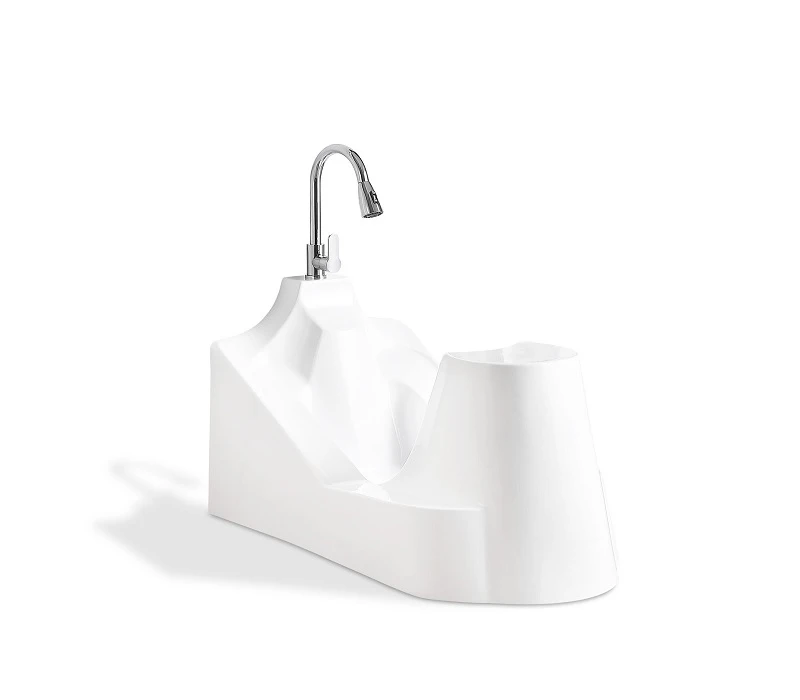
Purpose-built wudu basins in the UK account for the movements involved in ablution. Features such as raised edges, appropriately positioned taps, dedicated washing areas, and carefully shaped basins can help minimise splashback. Certain modern wudu units incorporate higher edges or front-trough designs to reduce water reaching the floor.
Reducing uncontrolled water does more than improve appearance. It can also reduce standing water and support safer movement through busy prayer and washing areas.
Supporting Cleaner and More Hygienic Spaces
Floor cleanliness is closely connected with the overall hygiene of an ablution facility. Persistent water around conventional sinks can leave facilities looking untidy and create additional cleaning demands. Splash-resistant wudu stations help direct water towards the basin and drainage system rather than surrounding surfaces. Smooth, non-porous materials can further simplify routine cleaning because they resist water absorption and provide surfaces that are easier to maintain.
The WuduWash Flow, for example, uses a non-porous solid-surface material and a seamless structure designed with hygiene and maintenance in mind. For mosques, schools, workplaces, hospitals, airports, hotels, and other shared facilities, these design considerations can make everyday maintenance more manageable.
Reducing the Burden on Facility Teams
A well-designed ablution area can also support more efficient facility management. When less water escapes onto the floor, staff may spend less time repeatedly addressing puddles, splash marks, and wet surrounding surfaces.
This becomes particularly important in high-traffic environments where several people may perform wudu within a short period. Instead of treating wet floors as an unavoidable consequence of ablution, facility planners can address the underlying issue through appropriate water management and purpose-built infrastructure.
Tailored to the Space and Its Users
Effective wudu infrastructure should complement the building rather than force the building to accommodate an unsuitable standard solution. Customisable ablution solutions can be tailored according to available space, preferences, practical requirements, size, and finish.
This flexibility can help architects, employers, educational institutions, hospitality providers, and mosque committees create facilities that work naturally within their environments. It also provides opportunities to consider accessibility, user comfort, cleaning requirements, anticipated traffic, and visual design during planning.
Creating Prayer Friendly Infrastructure
The value of a modern wudu station extends beyond cleaner flooring. Thoughtful ablution facilities demonstrate that religious requirements have been considered as an integral part of the environment.
Prayer-friendly wudu basins in the UK provides individuals with an appropriate place to prepare for prayer without improvising with facilities never designed for ablution. Purpose-built stations can support users of different ages and physical requirements while promoting comfort, hygiene, and dignity.
Providing these facilities is therefore both a practical investment and an important step towards creating genuinely inclusive spaces where people feel acknowledged and accommodated in practising their faith.
Make Wudu Facilities Work Better
Cleaner floors begin with better water control and thoughtful facility design. Explore splash-resistant, customisable wudu solutions tailored to your space, users, and requirements, and create an ablution area that supports cleanliness, comfort, and confident daily worship.




















Sign in to leave a comment.