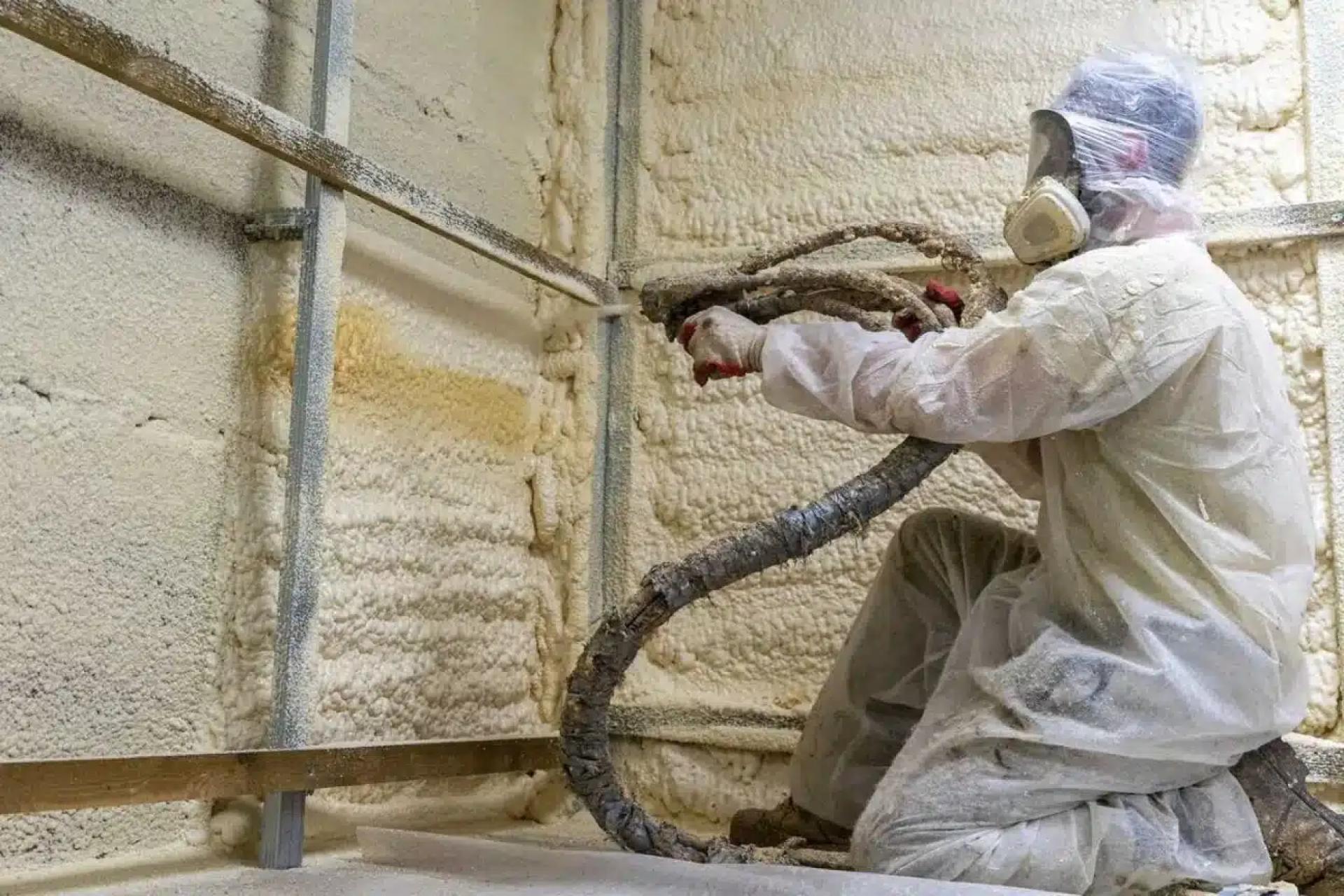
Spray foam insulation experts improve living space by creating an airtight seal and providing high thermal resistance in a single application. This material expands to fill every small gap in a building, which stops cold drafts and keeps conditioned air from leaking out of the house. By using this technology, property owners achieve more stable indoor temperatures and reduce their monthly utility expenses by nearly forty percent in many cases.
A home functions as a complete system, and the insulation choice dictates how well the heating and cooling equipment operates. Standard materials like fiberglass often leave voids that allow wind and humidity to pass through the walls. Spray foam remains in place for decades, ensuring that the living environment stays quiet, dry, and comfortable regardless of the weather conditions outside the structure.
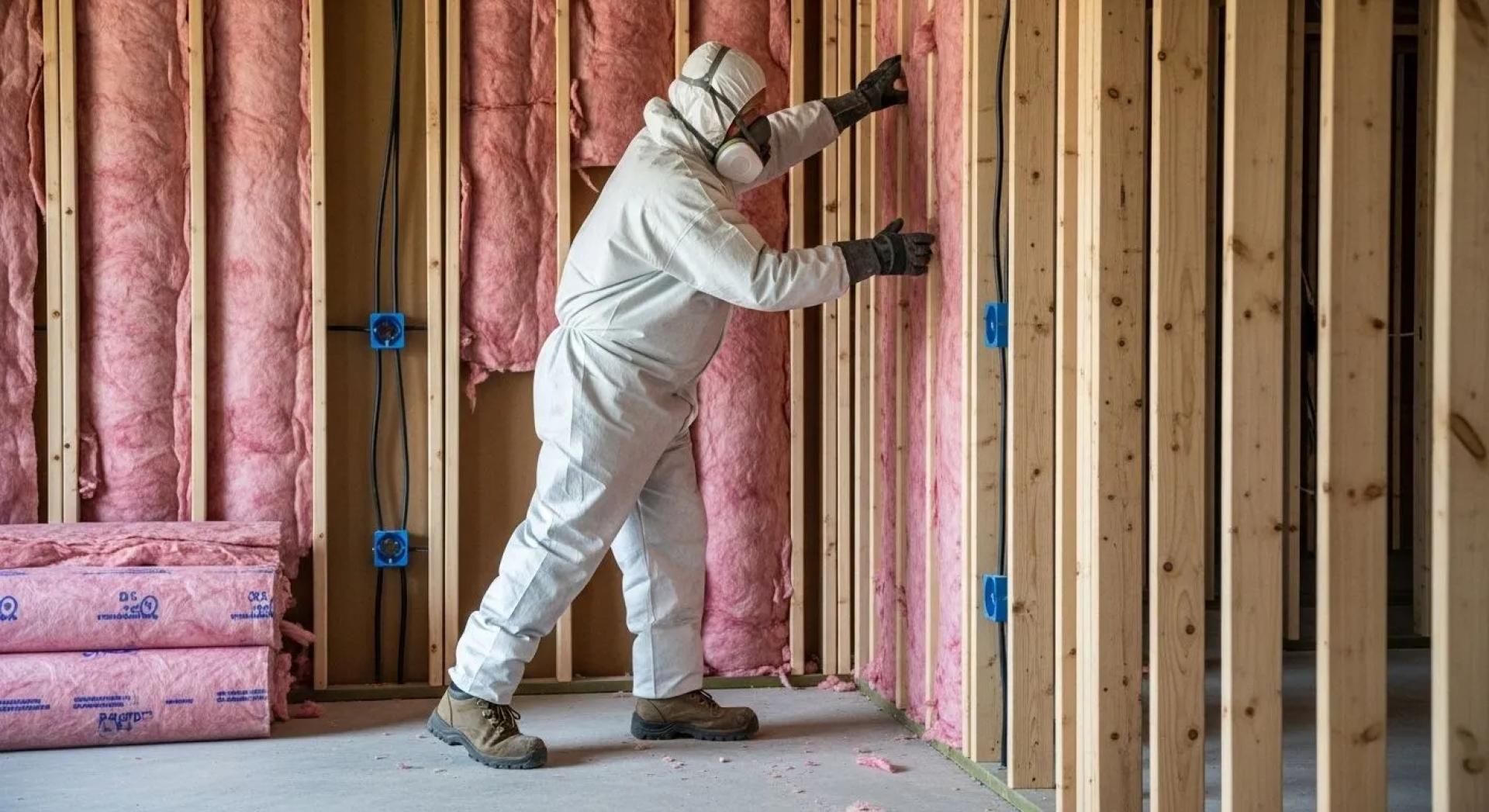
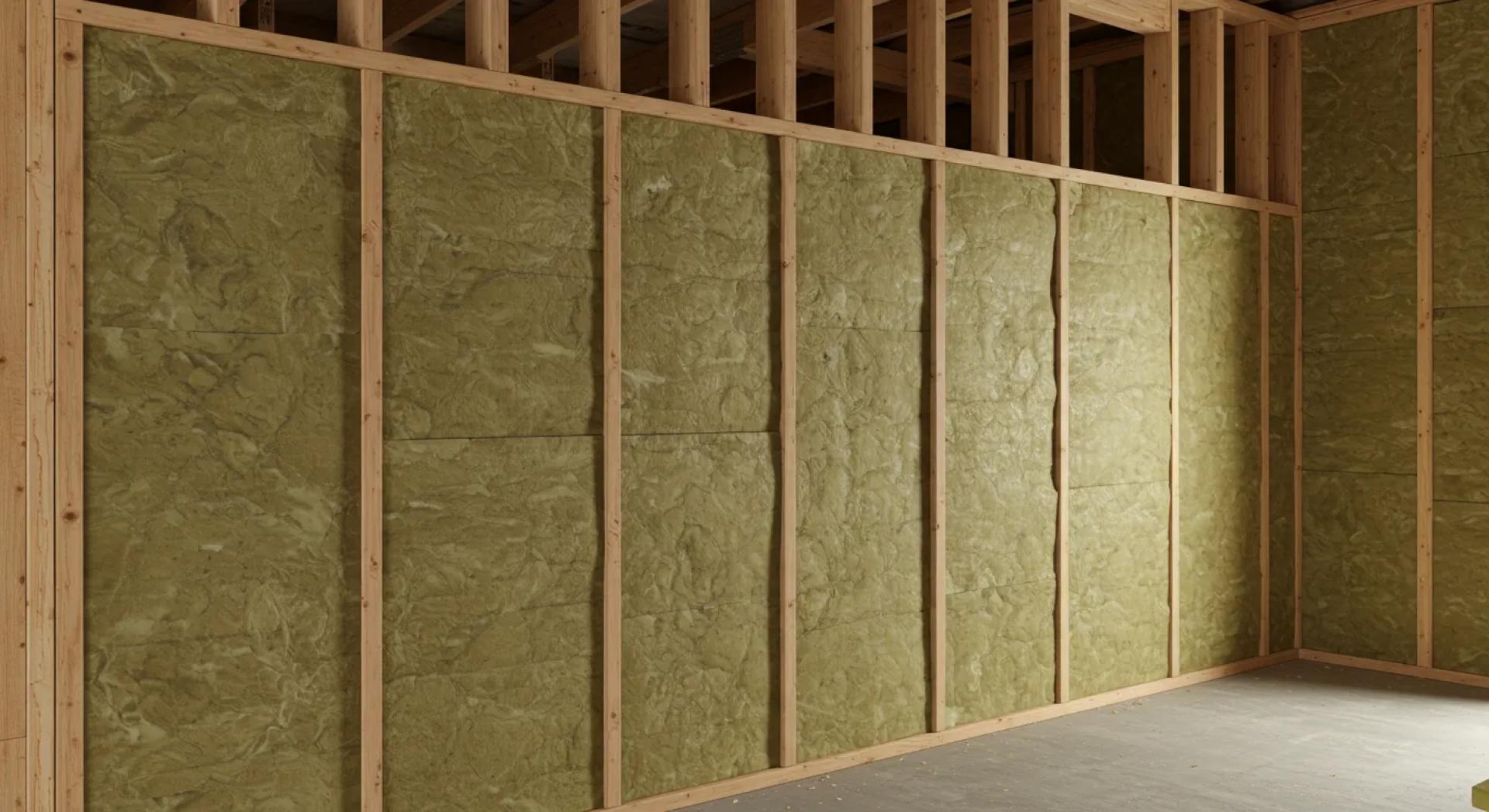
Professional contractors with years of field experience understand that air leakage is the primary cause of high energy bills and indoor discomfort. Experts who have completed specialized training recognize that traditional batts often sag or settle, creating empty pockets that waste heat. This guide provides a detailed look at how modern spray foam solves these issues while adding long term value to a property.
Maximizing Thermal Comfort with Air Sealing
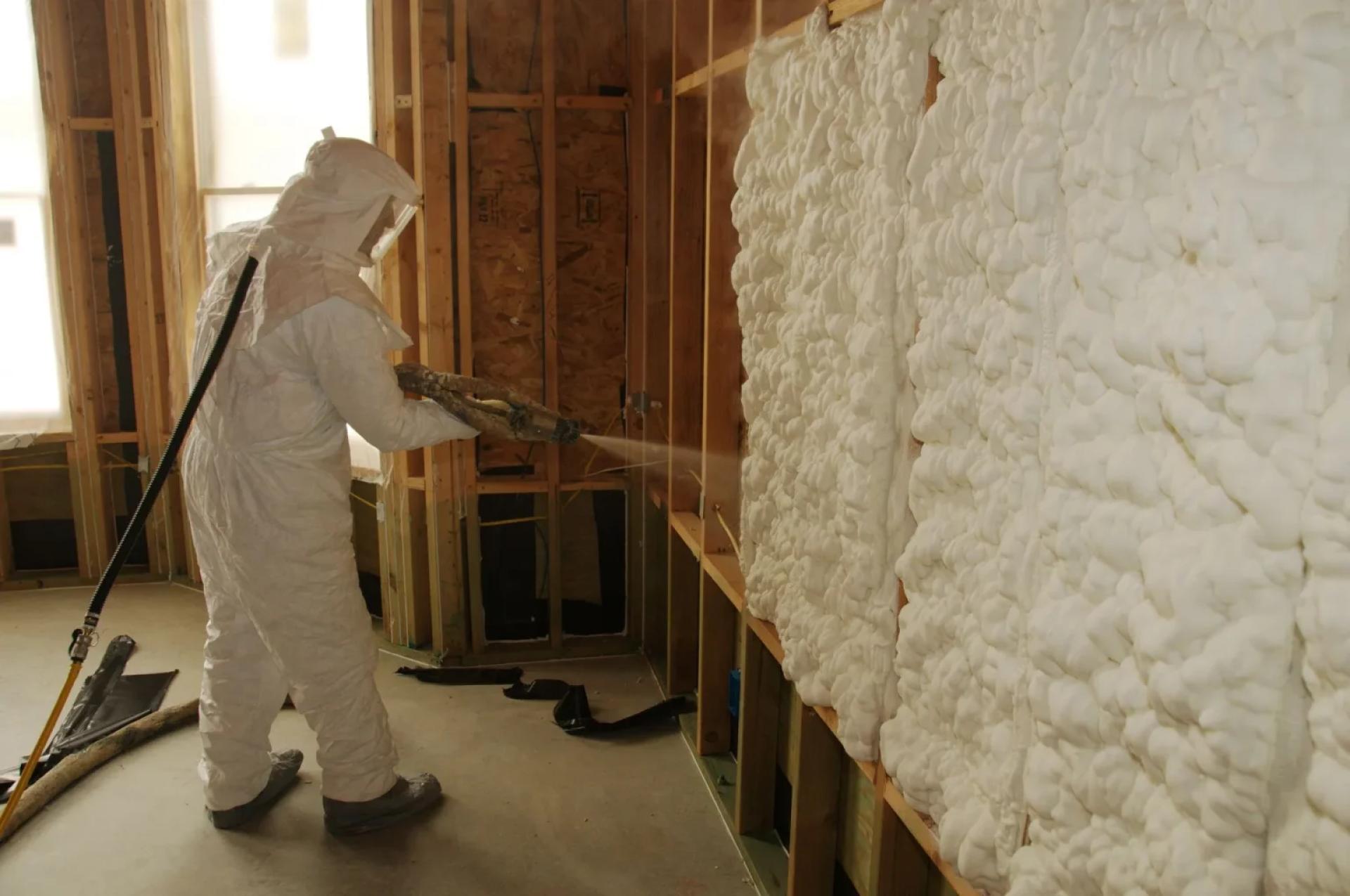
Property owners often find that certain rooms feel colder than others during the winter months. This imbalance usually stems from air leaks that allow heat to escape through the attic or the foundation. Spray foam expands to over thirty times its liquid volume upon application, which ensures that even the smallest cracks are sealed shut permanently.
- The material serves as both a thermal barrier and an air barrier, eliminating the need for separate house wraps or plastic sheeting.
- By stopping the movement of air, the foam prevents the "stack effect" where cold air is sucked into the home through the basement.
- Conditioned living spaces stay warmer in the winter and cooler in the summer without the furnace running constantly.
- The airtight seal blocks outdoor dust and pollutants from entering the home, which leads to much better indoor air quality.
Achieving a total air seal is a standard requirement for high performance homes in modern construction. Traditional materials simply cannot reach behind electrical boxes or around irregular plumbing pipes like a liquid applied foam. This level of precision is what sets premium insulation apart from basic options used in older buildings.
Stopping Invisible Drafts
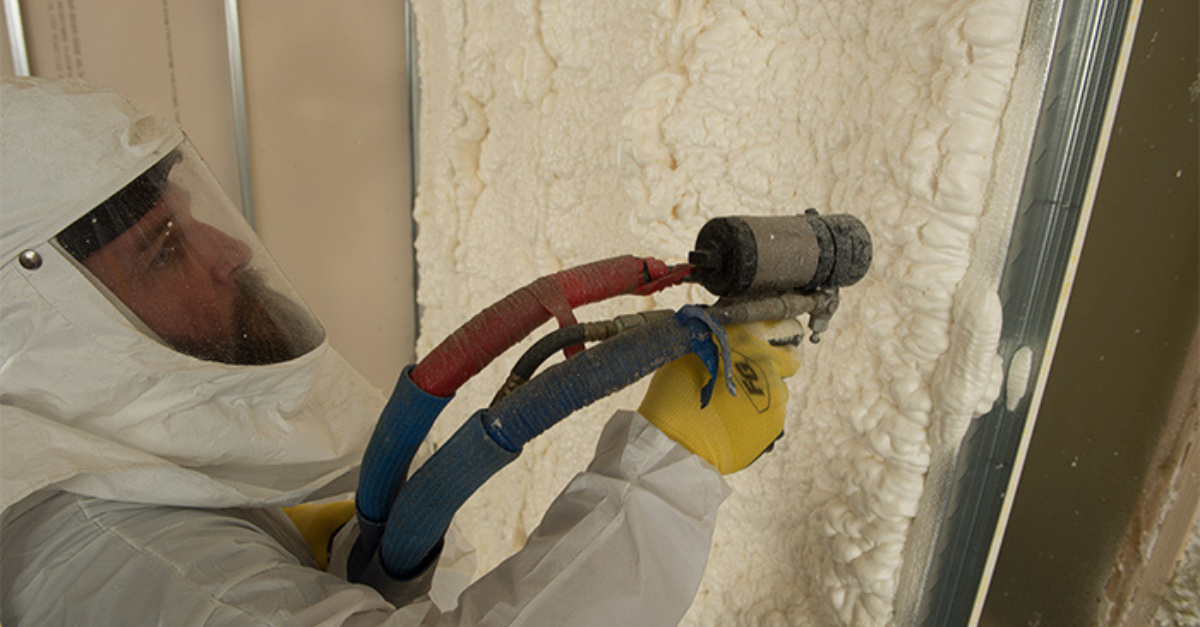
Invisible drafts are a major source of frustration for people living in windy regions or areas with extreme temperature shifts. These drafts often enter through the wall plates or where the home meets the foundation. Spray foam bonds directly to the wood and metal framing, creating a seamless shield that air cannot penetrate.
Expansion Properties of Liquid Foam
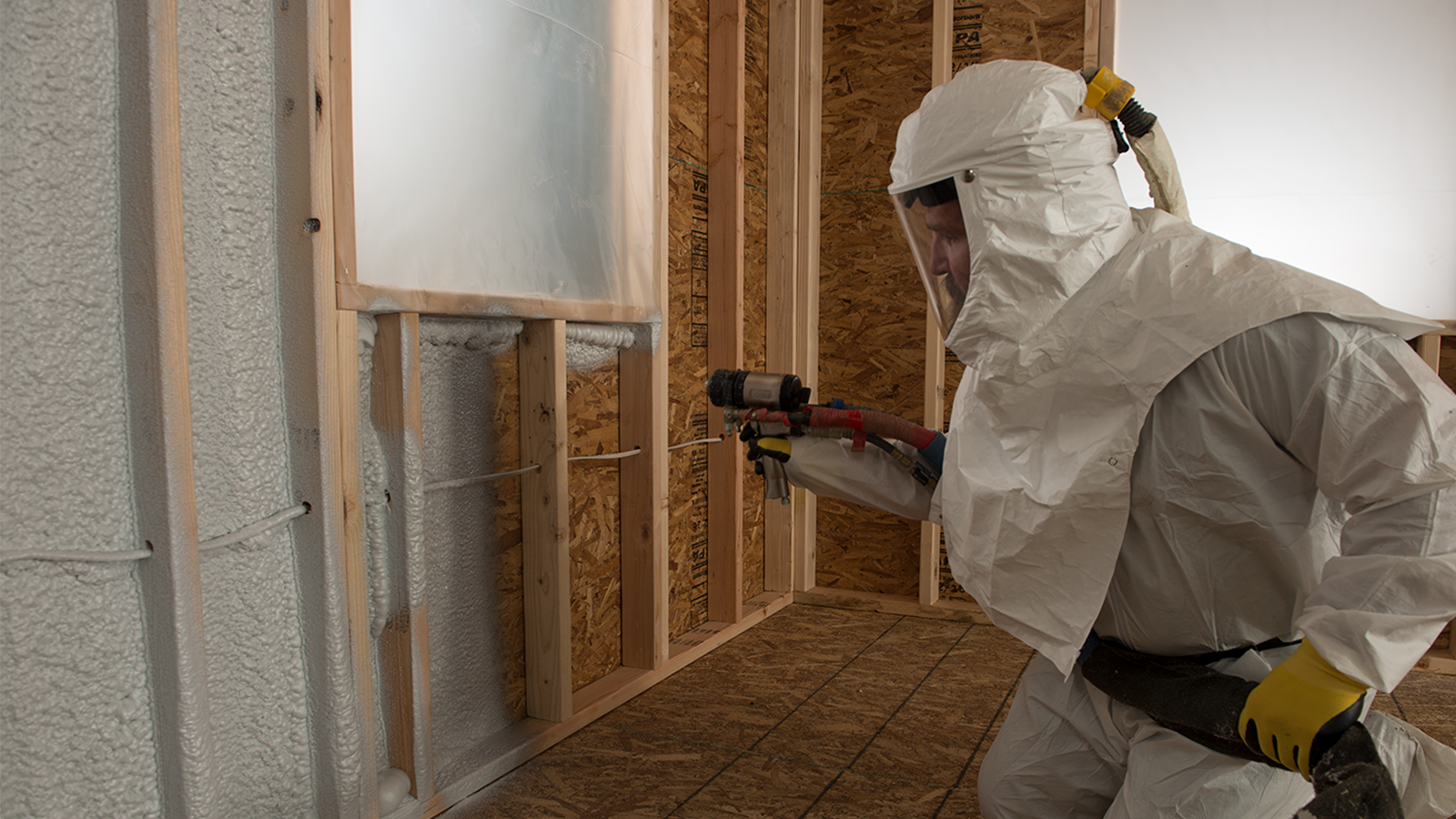
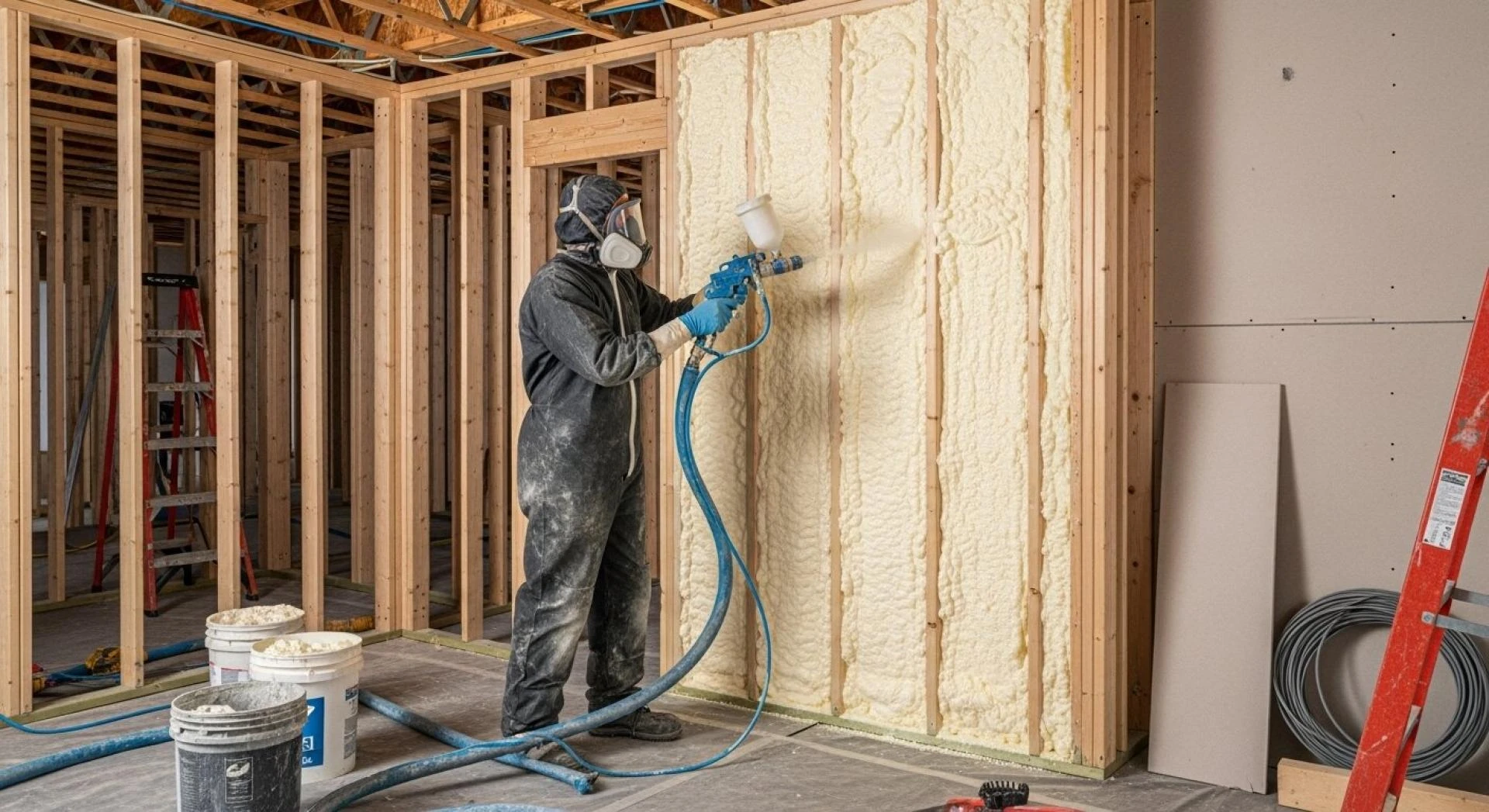
When the two parts of the foam mix at the tip of the spray gun, a chemical reaction occurs that causes the material to grow rapidly. This expansion allows the foam to fill deep crevices and corners that are impossible to reach with manual batts or loose fill insulation. The result is a custom fit insulation layer that matches the exact shape of the building.
Bonus Tip for Temperature Stability
Insulating the rim joists in a basement or crawl space is one of the most effective ways to stop cold floors. Since this area is often the leakiest part of a house, applying closed cell foam here provides an immediate improvement in foot comfort on the first floor.
Material Selection for Climate Needs
In colder regions, closed cell foam is often preferred because it offers a higher R-value per inch. This density is necessary for meeting energy codes in areas where winters are long and severe. Choosing the right material for the specific climate ensures the home remains efficient and comfortable all year round.
Structural Strength and Moisture Control
Spray foam does more than just regulate temperature; it also protects the structural integrity of the home. Closed cell foam is very dense and rigid, which means it adds racking strength to the walls and roof decks. Market data shows that buildings with closed cell foam can be up to three times more resistant to high wind pressures than those with standard insulation.
- Closed cell foam acts as a vapor barrier, preventing moisture from condensing on the inside of the wall studs.
- The material is hydrophobic, meaning it does not absorb water or act like a sponge if a minor leak occurs.
- By keeping the building materials dry, the foam prevents the growth of mold and the rot of wooden framing.
- The added rigidity of the foam can help reduce the vibration and noise caused by heavy wind or nearby traffic.
Managing moisture is a key factor in the longevity of any residential or commercial structure. When warm indoor air hits a cold surface, it turns into water, which leads to hidden mold problems over time. Spray foam prevents this by keeping the interior surfaces of the walls warm and dry, protecting the health of the occupants.
Improving Acoustic Performance
Sound travels through air gaps, and by sealing those gaps, spray foam makes a home much quieter. Open cell foam is particularly effective at absorbing sound waves, making it an excellent choice for interior walls or media rooms. Property owners often notice a significant decrease in the sound of sirens, neighbors, and lawnmowers after upgrading their insulation.
Sound Absorption in Open Cell Foam
The soft, sponge-like structure of open cell foam is designed to catch sound frequencies as they move through the walls. This creates a peaceful environment, which is especially important for people who work from home or live in busy neighborhoods. It allows for better privacy between bedrooms and bathrooms within the same house.
Bonus Tip for Attic Storage
By applying foam directly to the underside of the roof deck, a homeowner can create a conditioned attic. This move keeps the attic temperature within ten degrees of the rest of the house, making it a safe and comfortable place to store sensitive items or seasonal decorations.
Evaluating Technical Performance and Savings
When comparing different insulation types, it is helpful to look at how they perform over the life of the building. While the initial cost of spray foam is higher than fiberglass, the long term benefits often outweigh the upfront price. Properties with premium insulation generally have higher resale values and lower maintenance costs.
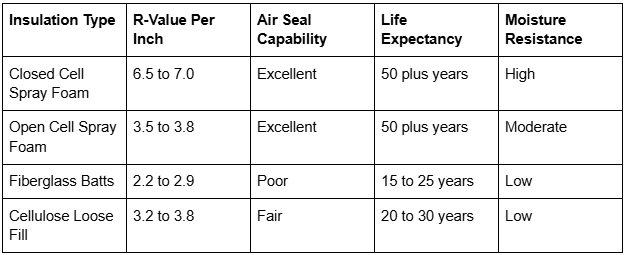
The data indicates that spray foam is a permanent solution that does not settle or degrade like traditional products. Once it is installed, it provides the same level of protection for the entire life of the house. This durability is why many builders choose it for high end projects and commercial facilities that require maximum reliability.
Things to Consider Before Making a Decision
Before choosing an insulation provider, property owners should evaluate several factors to ensure they get the best results. The timing of the project and the type of foam are important details that change the final outcome. Professional guidance helps in making a choice that fits the specific architecture of the home.
- Verify that the installers are certified by the manufacturer and have experience with both open and closed cell applications.
- Plan for the building to be vacant for at least twenty-four hours to allow the material to fully cure and the air to clear.
- Consider the age of the building, as older homes may require different preparation steps before the foam can be sprayed.
- Check for any existing moisture or pest issues that need to be addressed before the new insulation is applied to the walls.
Questions People Ask About Spray Foam Insulation
Is spray foam insulation safe for my family?
Once the material has fully cured, which typically takes twenty-four hours, it is chemically inert and safe for all residents. It actually improves home safety by blocking the entry of outdoor pollutants and preventing the growth of harmful mold within the walls.
How much can I save on my energy bills?
Most property owners see a reduction in their heating and cooling costs of between fifteen and forty percent. The exact savings depend on the previous state of the home's insulation and the efficiency of the current heating and cooling equipment.
Does spray foam lose its effectiveness over time?
No, spray foam is designed to stay in place for the life of the structure. Unlike fiberglass, which can sag, or cellulose, which can settle and leave gaps, spray foam remains bonded to the framing and maintains its R-value indefinitely.
Can it be used in an existing home or only new builds?
It is excellent for both new construction and renovations. For existing homes, it is often used in attics, crawl spaces, and rim joists to stop drafts. It can also be injected into existing wall cavities in some specific situations.
Does it help with soundproofing?
Yes, especially the open cell version. By sealing the gaps where sound travels and absorbing sound waves, it significantly reduces the amount of noise that enters from the street or moves between rooms in a house.
Achieving a Better Living Environment
Investing in high quality insulation is one of the most effective ways to improve the comfort and value of a home. By focusing on a total air seal and high thermal resistance, property owners can eliminate the drafts and temperature swings that make traditional houses uncomfortable. While every project is different, the durability and performance of spray foam provide a clear advantage for those looking for long term efficiency. Choosing the right material now ensures a quiet, dry, and energy efficient space for many decades to come.
Professional Insulation Services
Property owners looking to improve their buildings often reach out to Wegner Insulation for expert support. They provide detailed assessments and professional application services to help every client find the best insulation strategy for their specific needs. For more information or to request a project estimate, they can be reached at (406) 607-8476. Interested parties can also send an email to [email protected] to discuss their residential or commercial insulation goals with a knowledgeable team member.
Author: Richard Hall is a construction professional with experience spanning from his early years. Specializing in spray foam insulation, he has completed extensive training and earned certifications, which led him to start his own company in 2022.
Reviewer: Alexander Davis, with 11 years of experience in spray foam application, provided a review that helped us better address the concerns and goals of companies working on both residential and commercial projects.
Sign in to leave a comment.